Leather Surfactant Starch Based
CN → US| HS Code | Tariff Rate | Origin | Destination | Doc |
|---|---|---|---|---|
| 3824994140 | 39.6% | CN | US | Official Doc |
| 3824994190 | 39.6% | CN | US | Official Doc |
| 3505100015 | 0.0% | CN | US | Official Doc |
| 3505100045 | 0.0% | CN | US | Official Doc |
Product Images
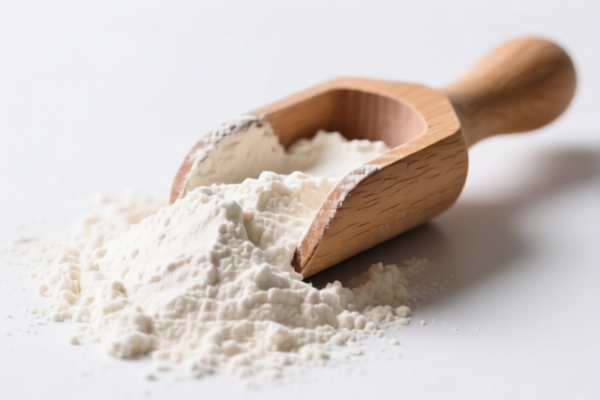
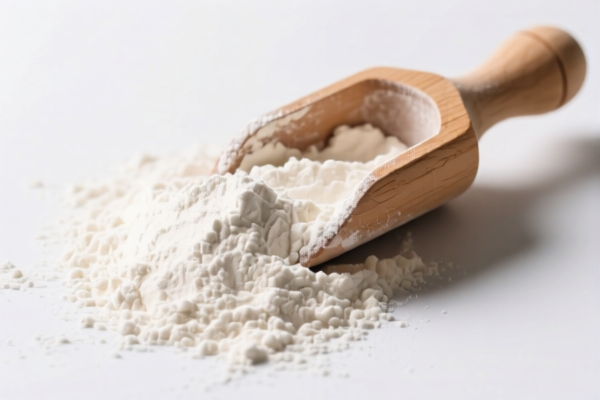
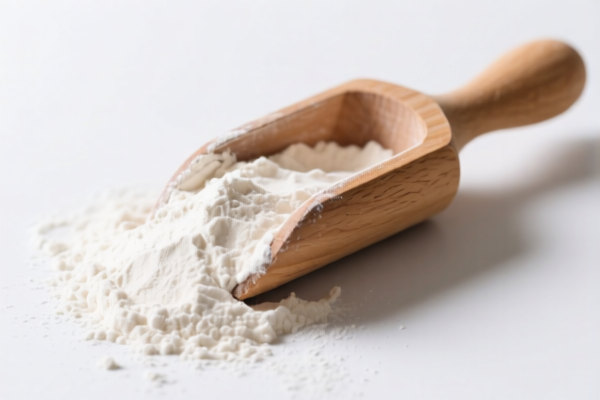
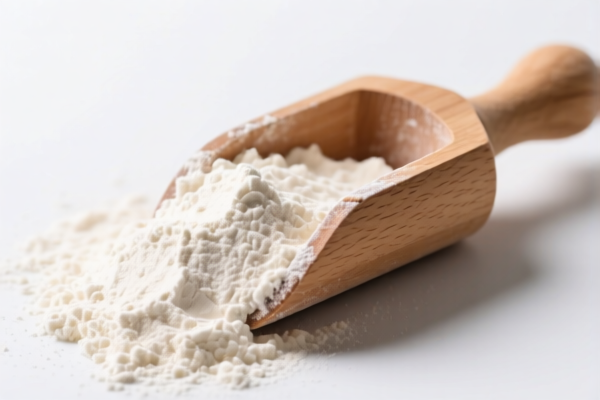
AI Analysis
🧪 Starch-Based Leather Surfactant & Modified Starches: HS Code Classification & Customs Clearance Guide
🌐 HS Code Reference & Customs Clearance Strategy | 2026 Latest Tariff Analysis | Specialized Compliance for Leather Chemicals
📌 I. Product Definition & Classification: What is "Starch-Based Leather Surfactant"?
In the international trade of leather chemicals, "starch-based" materials usually refer to two distinct categories depending on processing depth: 1. Modified Starches (e.g., Dextrins): Starches (often potato-based) that have been physically or chemically treated to improve binding, thickening, or leveling properties. These are primary raw materials for leather pasting and stiffening. 2. Chemical Preparations (Fatty Acid Esters): If the product is a mixture of fatty acid esters (acting as surfactants/softeners) derived from chemical/alied industries, it may fall under Chapter 38.
⚠️ Critical Distinction:
- If the product is primarily modified starch (even if used as a surfactant/carrier in leather processing) → Chapter 35.
- If the product is a chemical preparation mixture containing fatty acid esters or other chemical components not elsewhere specified → Chapter 38.
📦 II. HS Code Classification Details (2026 Latest Tariff Authority Match)
Based strictly on the provided DATA, here are the two primary classification paths for starch-related and fatty-ester-based leather auxiliaries.
| HS Code | Product Description | Source Material | Key Characteristics |
|---|---|---|---|
| 3505.10.00.15 | Dextrins and other modified starches: Dextrin | Derived from Potato Starch | Specific classification for Dextrin. Used as binders/thickeners in leather pasting. |
| 3505.10.00.45 | Dextrins and other modified starches: Other | Derived from Potato Starch | "Other" modified starches (non-dextrin) from potato. Includes esterified/pregelatinized starches. |
| 3824.99.41.40 | Prepared binders for foundry molds or cores; chemical products... : Fatty substances... Mixtures of fatty acid esters | Vegetable/Animal Origin + Chemical Mixture | Specifically for mixtures of fatty acid esters. Often used as softeners or leveling agents (surfactants) in leather. |
| 3824.99.41.90 | Prepared binders for foundry molds or cores; chemical products... : Fatty substances... Other | Vegetable/Animal Origin + Chemical Mixture | Other fatty substances/preparations not specified as fatty acid ester mixtures. |
🔍 Key Insight:
- If your product is purely starch-derived (modified), use 3505.10.00.15 or 3505.10.00.45.
- If your product is a surfactant based on fatty acid esters (even if labeled "starch-based" in marketing due to blending), it may fall under 3824.99.41.40 or 3824.99.41.90 because it is a "preparation" of fatty substances.
💰 III. 2026 Latest Tariff Rate Breakdown (Detailed Tax Analysis)
✅ Applicable Country: United States (US)
✅ Origin: China (CN) (Assumed based on typical high-tariff context; verify origin)
✅ Effective Time: 2025–2026 Tariff Schedule
🎯 1. 3505.10.00.15 & 3505.10.00.45 — Modified Starches (Potato-Based)
| Item | Content |
|---|---|
| Base Tariff Rate | 0.0% |
| Additional Tariff (Section 301/IEEPA) | 0.0% |
| Total Tax Rate | 0.0% |
| Tax Detail | 基础关税: 0.0%, 加征关税: 0.0% |
| Legal Basis | Chapter 35 generally enjoys low/no tariffs for raw/modified starches from non-RCEP/FTA origins unless specified. |
📌 Explanation:
- Zero Duty Advantage: Modified starches (dextrins) derived from potato starch are currently exempt from both base tariffs and additional US trade remedy tariffs (like Section 301).
- Risk: Misclassification as a chemical preparation (Chapter 38) could lead to higher duties. Ensure the product is primarily starch (>50% by weight) and not a complex chemical mixture.
🎯 2. 3824.99.41.40 & 3824.99.41.90 — Fatty Acid Ester Mixtures / Other Fatty Preparations
| Item | Content |
|---|---|
| Base Tariff Rate | 4.6% |
| Additional Tariff (Section 301/IEEPA) | 25.0% |
| Total Tax Rate | 29.6% |
| Tax Detail | 基础关税: 4.6%, 加征关税: 25.0% |
| Legal Basis | Chapter 38 chemical preparations are subject to standard MFN rates + potential Section 301 additions depending on origin and specific footnote. |
📌 Explanation:
- High Duty Alert: If your "surfactant" is classified as a fatty acid ester mixture or other fatty preparation under Chapter 38, you face a 29.6% total tariff.
- Why?: The base rate for these chemical preparations is 4.6%, but an additional 25% tariff is applied (likely under Section 301 or similar trade policy measures for Chinese-origin chemical products).
- Critical Note: Even if labeled "starch-based," if the active surfactant component is a fatty acid ester, customs may classify it under Chapter 38 if the fatty component defines the essential character.
🛠️ IV. Customs Clearance Practical Advice (Pitfall Avoidance)
✅ 1. Documentation Checklist (Must-Have)
| Document | Required? | Purpose |
|---|---|---|
| Product Specification Sheet | ✔️ | Clearly state: % Starch, % Fatty Acid Esters, other components. |
| Formula/Composition Analysis | ✔️ | Prove whether the product is modified starch (Ch 35) or fatty preparation (Ch 38). |
| MSDS (Material Safety Data Sheet) | ✔️ | Confirms chemical nature and hazard class. |
| Commercial Invoice | ✔️ | Describe accurately: e.g., "Modified Dextrin (Potato Starch)" or "Leather Softener (Fatty Acid Ester Mixture)". |
| Certificate of Origin | ✔️ | Essential for verifying origin for tariff calculation. |
| Lab Test Report | ✔️ | Third-party analysis of starch vs. fatty acid content. |
✅ 2. Classification Strategy: How to Avoid 29.6% Duty
🔥 Key Strategy: "Character of the Goods"
- If your product is >50% starch and the fatty acid is merely a minor additive for emulsification, argue for 3505.10.00.15/45 (0% duty).
- If the product is primarily fatty acid esters with starch as a thickener, customs will likely classify it under 3824.99.41.40/90 (29.6% duty).
| Scenario | Recommended HS Code | Total Duty | Risk Level |
|---|---|---|---|
| Pure Dextrin (Potato-derived) | 3505.10.00.15 |
0.0% | ✅ Low |
| Modified Potato Starch (Non-dextrin) | 3505.10.00.45 |
0.0% | ✅ Low |
| Fatty Acid Ester Mixture (Surfactant) | 3824.99.41.40 |
29.6% | ⚠️ High |
| Other Fatty Preparation | 3824.99.41.90 |
29.6% | ⚠️ High |
📌 Warning:
- Do not use vague terms like "Leather Surfactant" on the invoice. Use precise chemical names: "Potato Dextrin" or "Mixtures of Fatty Acid Esters."
- If you are shipping 3505 codes but customs inspects and finds fatty acid esters are the primary value component, they may reclassify to 3824, leading to back taxes + penalties.
🌍 V. Global Market Comparison (2026 Update)
| Market | Recommended HS Code | Duty Rate | Note |
|---|---|---|---|
| 🇺🇸 USA | 3505.10.00.15 / .45 |
0.0% | Best for starch-based products. |
| 🇺🇸 USA | 3824.99.41.40 / .90 |
29.6% | For fatty-ester-based surfactants. |
| 🇪🇺 EU | 3505 (Starch) | ~0-6.5% | Varies by specific subheading. |
| 🇪🇺 EU | 3824 (Chemicals) | ~4-6.5% | Standard MFN rates. |
| 🇨🇳 China | 3505 | ~5-8% | Import duty for starch. |
| 🇨🇳 China | 3824 | ~5-8% | Import duty for chemicals. |
📌 Conclusion:
- US Market: Significant duty difference (0% vs. 29.6%) between Chapter 35 and Chapter 38.
- Strategy: Optimize formulation or labeling to ensure classification under 3505 if the product is primarily starch-based.
📌 VI. Common Mistakes & Pitfalls (Lessons Learned)
❌ Mistake 1: Calling a fatty acid ester mixture "Starch-Based Surfactant" without disclosing fatty content.
👉 Consequence: Customs reclassifies to 3824, charging 29.6% + penalties.
❌ Mistake 2: Using "Other" (3505.10.00.45) for a product that is actually a dextrin.
👉 Consequence: Minor misclassification risk, though both are 0% duty. Better to be precise.
❌ Mistake 3: Ignoring the additional 25% tariff on Chapter 38 products from China.
👉 Consequence: Unexpected cost increase of 25% on top of base duty.
❌ Mistake 4: Mixing starch and fatty acid products in one shipment without clear separation.
👉 Consequence: Customs may inspect the entire shipment under the highest risk code.
✅ Correct Approach:
For Starch-Based Products:
"Modified Dextrin (Potato Starch), HS 3505.10.00.15" → 0% DutyFor Fatty Acid Surfactants:
"Leather Softener: Mixtures of Fatty Acid Esters, HS 3824.99.41.40" → 29.6% Duty
🎯 VII. Final Advice: Maximize Profit, Minimize Duty
🎯 Remember:
🔹 "If it’s starch, it’s zero. If it’s fatty, it’s heavy."
🔹 "Chapter 35 saves you 29.6%. Chapter 38 costs you dearly."
🔹 "Be precise: 'Dextrin' vs. 'Fatty Acid Ester' is not marketing—it’s law."
📌 Pro Tip:
If your product is a blend of starch and fatty acids, consider:
1. Reformulating to increase starch content >50%.
2. Applying for a Pre-Ruling (US CBP) to confirm classification under 3505.
3. Separating shipments if possible, to classify components correctly.
📣 Act Now:
📞 Consult a customs broker with your formula sheet.
📝 Label products as "Modified Potato Starch" or "Dextrin" if applicable.
🚀 Avoid 29.6% duty by classifying under 3505.10.00.15/45 when possible.
✨ Precise Classification = Precise Savings!
💼 Every percentage point of duty saved is profit earned!
Customer Reviews
About HS Code Classification
The Harmonized System (HS) is an internationally standardized nomenclature developed by the World Customs Organization (WCO) to classify traded products. Over 200 countries use the HS system as the basis for customs tariffs, trade statistics, and import/export regulations.
Each HS code follows a hierarchical structure:
- Chapter (2 digits) — Broad category of goods (e.g., Chapter 84: Machinery and Mechanical Appliances)
- Heading (4 digits) — More specific grouping within the chapter
- Subheading (6 digits) — Internationally standardized breakdown, used by all WCO member countries
- National subdivisions (8-10 digits) — Country-specific extensions for further classification, such as US HTSUS 10-digit codes
Correct HS code classification is essential for smooth customs clearance, accurate duty payment, and compliance with trade regulations. Misclassification can lead to customs delays, overpayment of duties, or penalties.
When importing from CN to US, the applicable tariff rates may include:
- Most-Favored-Nation (MFN) rate — The standard duty rate applied to WTO members
- General rate — Applied to countries without trade agreements
- Trade remedy duties — Additional tariffs such as Section 301 (anti-dumping), Section 232 (national security), or countervailing duties
The information provided on this page is for reference purposes only. For official classification, please consult with your local customs authority or a licensed customs broker.