Leather Travel Case
CN → US| HS Code | Tariff Rate | Origin | Destination | Doc |
|---|---|---|---|---|
| 4202110030 | 43.0% | CN | US | Official Doc |
| 4202110090 | 43.0% | CN | US | Official Doc |
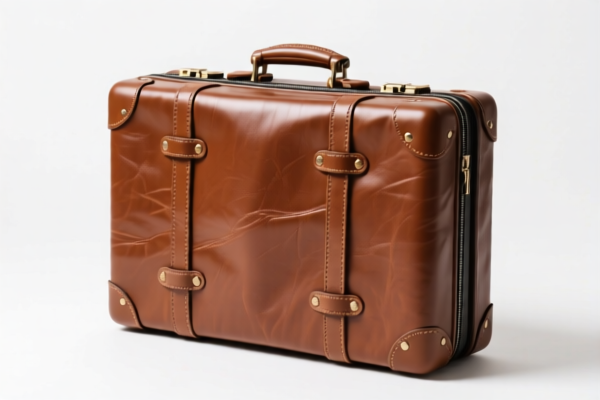
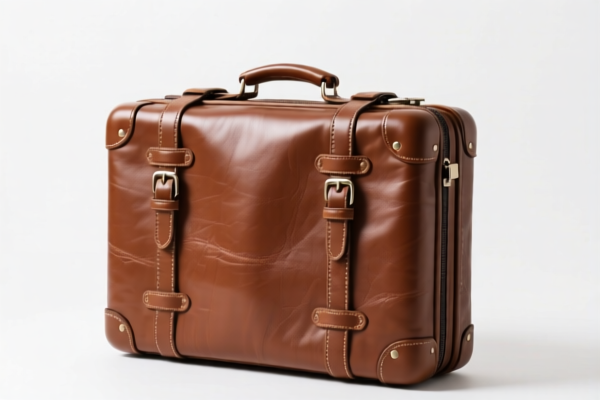
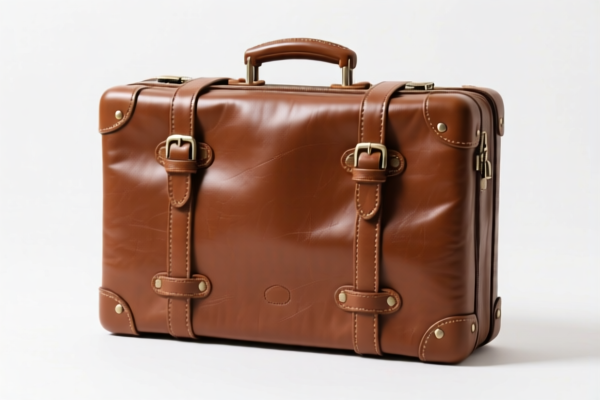
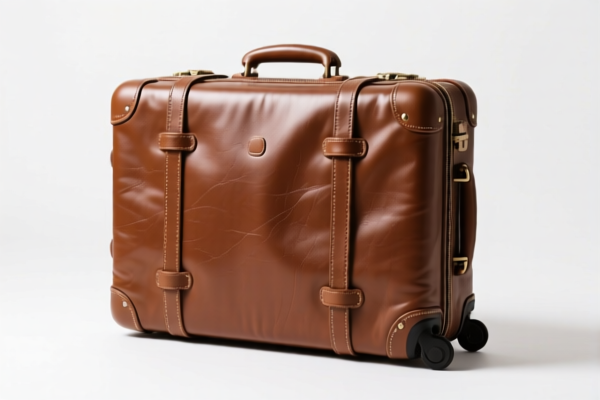
Product Images
AI Analysis
👜 Leather Travel Case (Travel Organizers & Pouches)
🌐 HS Code Reference & Customs Clearance Guide | 2026 Latest Tariff Breakdown | Professional Clearance Strategy
📌 I. Product Definition & Classification: What Exactly Is a "Leather Travel Case"?
A "Leather Travel Case" is a broad term in international trade that generally refers to soft-sided containers used for organizing toiletries, cosmetics, electronics, or accessories during travel. Despite the name "Leather," the HS Code classification depends heavily on the actual material composition (textile vs. plastic/fake leather vs. genuine leather) and the specific shape/usage.
In the provided dataset, we see a spectrum of classifications ranging from textile-based pouches to plastic bags and fashion accessories. This highlights a critical risk: Misclassifying material leads to massive tariff discrepancies (from 24.5% to 52.6%)!
⚠️ Key Distinction Point:
- If the outer surface is Textile Fabric (cotton, polyester, nylon) → Look at Chapter 63 or 42.
- If the outer surface is Plastic/Synthetic Sheets → Look at Chapter 39.
- If it is Genuine Leather (not explicitly detailed in the provided data but implied by the name) → Usually Chapter 42, but the provided data focuses on textile/plastic alternatives often marketed as "leather look."
📦 II. HS Code Classification Details (Based on Provided Data)
The following table breaks down the potential HS Codes derived from your input data. Note that the provided data does not include a specific "Genuine Leather" (Chapter 42 heading 4202.12) entry, but rather focuses on textile or plastic-based cases often used as alternatives.
| HS Code | Product Description & Summary | Inferred Material | Primary Use Case |
|---|---|---|---|
6307.90.98.91 |
Other made-up articles; textile-based. Classified as finished consumer goods. | Textile | General travel pouches, toiletry bags with fabric exterior. |
6307.90.98.75 |
Other made-up articles; textile-based. "Catch-all" logic for finished textile goods. | Textile | Similar to above; generic textile travel organizers. |
4202.92.31.31 |
Articles of travel, toilette, or satchels; textile outer surface. | Textile | Higher-end fashion travel bags, structured toiletry cases. |
4202.92.31.20 |
Articles of travel, toilette, or satchels; textile/plastic film outer surface. | Textile / Plastic Film | Versatile travel cases, possibly with waterproof coating. |
3923.29.00.00 |
Other articles for the conveyance or packing of goods; plastic bags/sacks. | Plastic / Synthetic | Unstructured pouches, clear toiletry bags, plastic-lined cases. |
🔍 Critical Insight from Data:
- Textile Options (6307&4202): These are the most common for "travel cases." The tax rate varies significantly based on whether they are viewed as "other made-up articles" (6307) or "travel articles" (4202).
- Plastic Option (3923): If the case is essentially a soft plastic pouch (e.g., a clear toiletry bag), it falls here. It has a moderate total tax compared to the high-tax textile fashion items.
💰 III. 2026 Latest Tariff Rate Breakdown (Detailed Tax Clauses)
✅ Applicable Country: United States (US)
✅ Origin: China (CN) (Implied by the specific "122 Clause" and Section 301 rates in the data)
✅ Effective Time: Current Trade War Rates (Section 301 + 122 Clause)
The provided data reveals a stark contrast in tax burdens depending on the HS Code chosen.
🎯 1. The "Low-Tax" Textile Category (6307.90.98.91 / 6307.90.98.75)
| Item | Detail |
|---|---|
| HS Code | 6307.90.98.91 / 6307.90.98.75 |
| Product Summary | Other made-up articles; classified as finished consumer goods; inferred textile material. |
| Base Tariff | 7.0% |
| Section 301 Tariff | 7.5% |
| Section 122 Tariff | 10.0% |
| Total Tax Rate | 24.5% |
| Tax Calculation | CIF Value × 24.5% |
| Legal Basis | Base HTS Rate + Section 301 Footnote + Section 122 (USMCA/Regional Trade Adjustment) |
📌 Explanation:
- This is the most cost-effective classification among the textile options provided.
- It treats the item as a general "made-up textile article" rather than a specialized "travel accessory."
- Risk: Customs may challenge this if the item is clearly a "travel bag" (which usually demands higher taxes).
🎯 2. The "High-Tax" Fashion/Travel Category (4202.92.31.31 / 4202.92.31.20)
| Item | Detail |
|---|---|
| HS Code | 4202.92.31.31 / 4202.92.31.20 |
| Product Summary | Travel/toiletry articles; matching shape/purpose; inferred textile surface. |
| Base Tariff | 17.6% |
| Section 301 Tariff | 25.0% |
| Section 122 Tariff | 10.0% |
| Total Tax Rate | 52.6% |
| Tax Calculation | CIF Value × 52.6% |
| Legal Basis | Base HTS Rate + Section 301 Footnote + Section 122 |
📌 Explanation:
- This is a heavy tax burden.
- Chapter 42 (4202) specifically covers "Articles of leather or composition leather..." but also includes cases with textile surfaces. Customs views these as consumer goods/fashion accessories, which are taxed higher to protect domestic industries.
- Warning: If you classify a generic toiletry bag here, you pay more than double the tax compared to the6307classification.
🎯 3. The "Plastic/Bag" Category (3923.29.00.00)
| Item | Detail |
|---|---|
| HS Code | 3923.29.00.00 |
| Product Summary | Other articles for conveyance/packing; plastic/synthetic fiber; bag/sack shape. |
| Base Tariff | 3.0% |
| Section 301 Tariff | 25.0% |
| Section 122 Tariff | 10.0% |
| Total Tax Rate | 38.0% |
| Tax Calculation | CIF Value × 38.0% |
| Legal Basis | Base HTS Rate + Section 301 Footnote + Section 122 |
📌 Explanation:
- If your "Leather Travel Case" is actually a PU leather (polyurethane) pouch that resembles a plastic film bag or is unstructured, it might fall here.
- Lower than the fashion textile option (38% vs 52.6%) but higher than the general textile option (24.5%).
🛠️ IV. Customs Clearance Practical Advice (Real-World Pitfall Guide)
✅ 1. Material Declaration is King
The difference between 24.5% and 52.6% hinges entirely on the outer surface material.
- Textile (Fabric): Can often be classified under 6307 (general textile) OR 4202 (travel bag). You must argue the purpose and construction to justify the lower 6307 rate if possible.
- Leather vs. Faux Leather: If it is Genuine Leather, it should ideally be in 4202.12. However, the provided data does not list this. If it is PU/Faux Leather with a textile backing, it may still fall under 6307 or 4202 depending on the dominant material.
- Plastic Coating: If the case is primarily plastic sheeting (even if coated to look like leather), 3923 is a strong candidate.
✅ 2. Product Description Optimization
Avoid vague terms like "Leather Case." Use precise descriptions to guide the classifier:
- For Low Tax (6307):
"Textile Toiletry Pouch, Cotton Blend, Zipper Closure, For Travel Organization, Not Specific Fashion Bag" - For High Tax (
4202):
"Structured Travel Cosmetic Case, Textile Outer Surface, Lined, Fashion Accessory" - For Plastic (3923):
"Flexible Plastic Travel Organizer, PU Leather Finish, Soft-Sided Bag"
✅ 3. Documentation Checklist
| Document | Requirement | Note |
|---|---|---|
| Commercial Invoice | Must specify material composition (e.g., "100% Polyester Exterior") | Vague "Leather" labels trigger audits. |
| Product Photos | Show exterior texture clearly | Distinguish between woven fabric vs. smooth plastic/leather. |
| Material Breakdown | List lining, zipper, and outer fabric separately | If outer is textile, prioritize 6307 argument. |
| Function Description | Describe as "Organizer" vs. "Bag" | "Organizer" leans toward 6307; "Bag" leans toward 4202. |
🌍 V. Strategic Recommendations for Importers
🎯 Strategy A: Maximize Savings (Target 24.5%)
If your product is made of textile fabric (even if it has a "leather look" print), aim for HS Code 6307.90.98.91.
- Why: It is the lowest tax rate in the dataset (24.5%).
- How: Structure the product as a "made-up textile article" rather than a "travel bag." Emphasize its use as an organizer/insert rather than a primary bag.
🎯 Strategy B: Safety & Compliance (Target 52.6%)
If the product is a structured fashion accessory with a distinct handle or shoulder strap, customs may force it into 4202.92.31.31.
- Why: It fits the definition of "Articles of travel" more accurately.
- Cost: 52.6% is high. Ensure your profit margin can absorb this.
🎯 Strategy C: The Plastic Loophole (Target 38.0%)
If the product is soft, unstructured, and made of PU/Plastic, consider 3923.29.00.00.
- Why: Lower base duty (3%).
- Risk: Customs may reclassify as textile/plastic composite. Only use if the item is clearly a "bag" rather than a "case."
📌 VI. Common Errors & Pitfalls
❌ Error 1: Calling it "Genuine Leather" when it is PU
👉 Result: Customs will reject the misdeclaration, apply penalties, and likely reclassify to the highest applicable textile/plastic code.
❌ Error 2: Using 4202 for a simple fabric pouch
👉 Result: Paying 52.6% instead of 24.5%. A simple zippered pouch without a structured shape is often 6307.
❌ Error 3: Ignoring Section 122 Tariff
👉 Result: Forgetting the 10% add-on. All codes in the provided data include this, so it cannot be avoided, but it must be factored into pricing.
✅ Correct Approach:
"Travel Organizer Pouch, Textile Outer, Cotton/Polyester Blend, For Toiletries, Model XYZ."
🎯 VII. Conclusion: Precision Pays Off
🎯 Key Takeaway:
The term "Leather Travel Case" is a tariff trap.
- Textile Fabric → Aim for 6307 (24.5%).
- Fashion Bag → Face 4202 (52.6%).
- Plastic/PU Bag → Consider 3923 (38.0%).
💡 Pro Tip:
Always submit pre-classification requests or Advance Rulings with physical samples. The difference between 24.5% and 52.6% is 28.1% of the product value—this can be the difference between profit and loss.
✨ Professional Clearance Starts with Accurate Material Declaration!
💼 Don't let "Leather" in the name cost you "Gold" in tariffs!
Customer Reviews
About HS Code Classification
The Harmonized System (HS) is an internationally standardized nomenclature developed by the World Customs Organization (WCO) to classify traded products. Over 200 countries use the HS system as the basis for customs tariffs, trade statistics, and import/export regulations.
Each HS code follows a hierarchical structure:
- Chapter (2 digits) — Broad category of goods (e.g., Chapter 84: Machinery and Mechanical Appliances)
- Heading (4 digits) — More specific grouping within the chapter
- Subheading (6 digits) — Internationally standardized breakdown, used by all WCO member countries
- National subdivisions (8-10 digits) — Country-specific extensions for further classification, such as US HTSUS 10-digit codes
Correct HS code classification is essential for smooth customs clearance, accurate duty payment, and compliance with trade regulations. Misclassification can lead to customs delays, overpayment of duties, or penalties.
When importing from CN to US, the applicable tariff rates may include:
- Most-Favored-Nation (MFN) rate — The standard duty rate applied to WTO members
- General rate — Applied to countries without trade agreements
- Trade remedy duties — Additional tariffs such as Section 301 (anti-dumping), Section 232 (national security), or countervailing duties
The information provided on this page is for reference purposes only. For official classification, please consult with your local customs authority or a licensed customs broker.