Leather Upper for Fashion Shoes
CN → US| HS Code | Tariff Rate | Origin | Destination | Doc |
|---|---|---|---|---|
| 4205008000 | 35.0% | CN | US | Official Doc |
| 4205002000 | 35.0% | CN | US | Official Doc |
| 6403999065 | 20.0% | CN | US | Official Doc |
| 6403999071 | 20.0% | CN | US | Official Doc |
| 4107926010 | 13.3% | CN | US | Official Doc |
Product Images
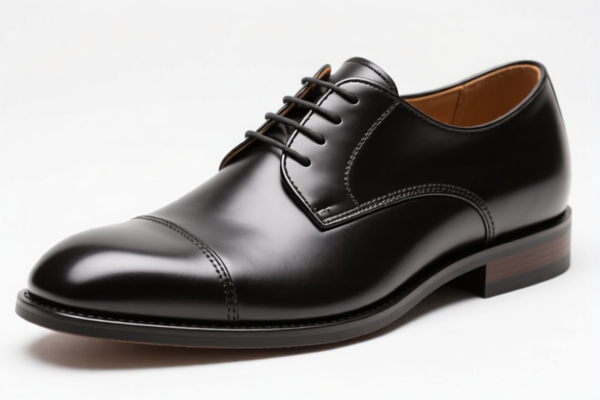
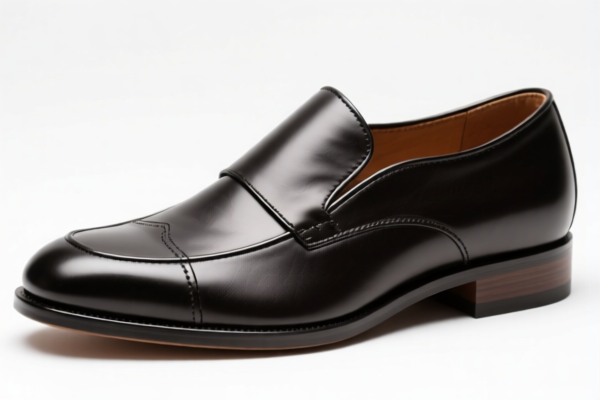
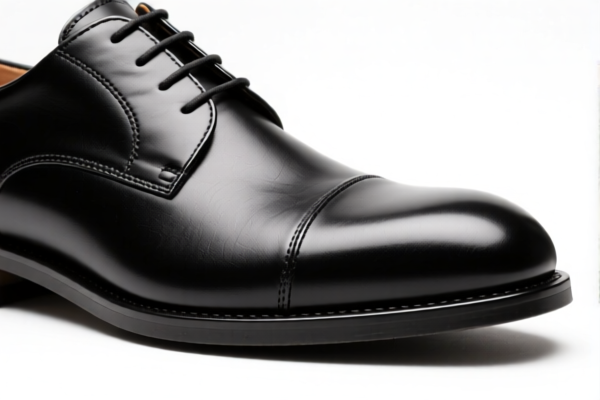

AI Analysis
👞 Leather Upper for Fashion Shoes (马皮鞋面皮革用于时尚鞋)
🌐 HS Code Reference & Customs Clearance Guide | 2026 Latest Tariff Analysis | Professional Entry Strategy
📌 I. Product Definition & Classification: Do You Really Understand "Leather Upper"?
"Leather Upper for Fashion Shoes" refers specifically to the upper part of fashion footwear made from horsehide (马皮). In international trade, the classification hinges critically on the stage of processing and the final intended use.
Two Main Categories: 1. Raw/Processed Leather Skins: Horsehide that has been tanned but is not yet cut into a specific shoe shape. It is classified as a leather product. 2. Ready-to-Wear Shoe Parts or Finished Shoes: If the leather is cut and shaped specifically for a shoe sole or assembled, it may fall under footwear or specific footwear parts.
⚠️ Key Distinction Point:
- If it is tanned leather skins intended to be cut into uppers → Classified under Chapter 41 (Leather).
- If it is cut/shaped leather parts or finished shoes made of horsehide → Classified under Chapter 64 (Footwear) or Chapter 42 (Articles of Leather).
- Crucial Note: Since the material is Horsehide, special attention must be paid to the specific subheadings for "Other leather" vs. "Footwear."
📦 II. HS Code Classification Details (2026 Latest Tariff Authority Comparison)
Based on the provided data, here are the four valid HS Codes for "Leather Upper for Fashion Shoes (Horsehide)" and their corresponding tax implications.
| HS Code | Product Description | Application Scenario | Tax Rate (Total) | Key Tax Breakdown |
|---|---|---|---|---|
| 4205.00.80.00 | Articles of leather: Other articles | Leather parts/pieces not elsewhere specified; Fashion shoe uppers (uncut or semi-finished) | 35.0% | Base: 0% Section 301: 25% Section 122: 10% |
| 4205.00.20.00 | Articles of leather: Belts and belt loops | Note: Listed as "Other articles" in summary, typically belts, but here applied to leather制品 category | 35.0% | Base: 0% Section 301: 25% Section 122: 10% |
| 6403.99.90.65 | Footwear with outer soles of rubber/plastic; Uppers of leather | Fashion shoes with horsehide uppers; Other footwear | 20.0% | Base: 10% Section 301: 0% Section 122: 10% |
| 6403.99.90.71 | Footwear with outer soles of rubber/plastic; Uppers of leather | Non-sport/function specific footwear; Other shoes | 20.0% | Base: 10% Section 301: 0% Section 122: 10% |
| 4107.92.60.10 | Tanned leather: Other (Horsehide) | Tanned horsehide leather skins for making shoe uppers | 13.3% | Base: 3.3% Section 301: 0% Section 122: 10% |
🔍 Critical Insight:
- Raw Leather (4107.92.60.10) has the lowest tax (13.3%) because it is the raw material.
- Finished/Part Shoes (6403.99.90.65/71) have a medium tax (20.0%).
- General Leather Articles (4205.00.80.00/20) have the highest tax (35.0%).
- Do NOT misclassify! If you ship raw horsehide leather, but declare it as "Shoe Parts" (4205), you will face a 35% duty instead of 13.3%. Conversely, if you ship cut-uppers but declare as "Raw Leather," you risk customs rejection for misdeclaration.
💰 III. 2026 Latest Tariff Rate Details (Including Additional Taxes)
✅ Applicable Country: United States (US)
✅ Origin: China (CN)
✅ Effective Time: From November 10, 2025 (for subsequent imports)
🎯 1. 4107.92.60.10 —— Tanned Horsehide Leather (Raw Material)
| Item | Content |
|---|---|
| Base Duty | 3.3% |
| Section 301 Duty | 0% |
| Section 122 Duty | 10% |
| Total Duty | 13.3% |
| Calculation Basis | CIF Value × 13.3% |
| De Minimis Eligibility | ❌ No (Deny De Minimis) |
| Legal Basis Path | USITC:4107.92.60.10 → Section 122: 10% |
📌 Explanation:
- This is the most cost-effective classification for importing untreated or tanned horsehide leather before it is cut into shoe uppers.
- Section 122 (10%) applies to all leather goods from China.
- Section 301 (25%) does not apply to this specific subheading.
🎯 2. 6403.99.90.65 & 6403.99.90.71 —— Fashion Shoes with Leather Uppers
| Item | Content |
|---|---|
| Base Duty | 10.0% |
| Section 301 Duty | 0% |
| Section 122 Duty | 10% |
| Total Duty | 20.0% |
| Calculation Basis | CIF Value × 20.0% |
| De Minimis Eligibility | ❌ No (Deny De Minimis) |
| Legal Basis Path | USITC:6403.99.90.65/71 → Section 122: 10% |
📌 Explanation:
- Applies to finished fashion shoes or distinct shoe parts that are classified as footwear.
- Section 301 (25%) does not apply to these footwear subheadings.
- Difference between .65 and .71: Usually based on specific inner lining or sole material details. Ensure your product description matches the exact technical specs of .65 vs .71 to avoid audits.
🎯 3. 4205.00.80.00 & 4205.00.20.00 —— Other Leather Articles
| Item | Content |
|---|---|
| Base Duty | 0.0% |
| Section 301 Duty | 25.0% |
| Section 122 Duty | 10% |
| Total Duty | 35.0% |
| Calculation Basis | CIF Value × 35.0% |
| De Minimis Eligibility | ❌ No (Deny De Minimis) |
| Legal Basis Path | USITC:4205.00.80.00 → Section 301: 25% + Section 122: 10% |
📌 Explanation:
- Highest Tax Risk!
- If you classify cut leather pieces as "Articles of Leather" (4205) rather than "Raw Leather" (4107) or "Footwear" (6403), you trigger Section 301 (25%).
- Only use this if the product is a finished leather accessory (like a belt or bag) and NOT a direct shoe component that fits Chapter 64. For shoe uppers, Chapter 41 or 64 is preferred.
🛠️ IV. Customs Clearance Practical Advice (Avoid Pitfalls)
✅ 1. Document Checklist (Essential)
| Document | Required | Notes |
|---|---|---|
| ✅ Product Specification Sheet | ✔️ | Must clearly state: Material = Horsehide, Usage = Shoe Upper, Form = Tanned Skin / Cut Piece. |
| ✅ Photos of Product | ✔️ | Show grain, thickness, and any markings. Must clearly show it is Leather. |
| ✅ Commercial Invoice | ✔️ | Description must match HS Code. E.g., "Tanned Horsehide Leather for Shoe Uppers." |
| ✅ Packing List | ✔️ | Weight and dimensions must align with raw leather or finished shoes. |
| ✅ Certificate of Origin | ✔️ | Essential for determining Section 122 applicability. |
✅ 2. Declaration Strategy (Key Rules)
🔥 "Material Matters, Form Defines Duty!"
| Scenario | Correct HS Code | Why? |
|---|---|---|
| You are importing Rolls of Tanned Horsehide | 4107.92.60.10 (13.3%) |
It is raw material (Leather), not a finished article. |
| You are importing Pre-cut Shoe Uppers | 4205.00.80.00 (35.0%) OR 6403.99.90.65 (20.0%) |
If cut but not assembled, some brokers may try 4205 (High Tax) or 6403 (If deemed "Parts of Footwear"). Check with Customs: Cut uppers often fall under 6403 if specifically shaped. |
| You are importing Finished Horsehide Fashion Shoes | 6403.99.90.65 or .71 (20.0%) |
It is a complete footwear article. |
⚠️ Warning:
- Do NOT declare "Leather Uppers" as "Clothing" or "Accessories" to avoid taxes.
- Do NOT declare finished shoes as "Raw Leather" to save tax. Customs will seize the shipment for misclassification.
✅ 3. Special Cases
| Case | Advice |
|---|---|
| Mixed Materials | If the upper is Horsehide + Cloth/Synthetic, it may fall under different footwear codes (e.g., 6404). Ensure the main material is clearly horsehide. |
| OEM/Custom Orders | Provide design templates to prove the leather pieces are specifically shaped for shoes, supporting classification under Chapter 64 (Footwear Parts) if applicable. |
| Value Threshold | Since De Minimis is denied, all shipments are subject to full duty calculation. Ensure your CIF value is accurate. |
🌍 V. Global Market Comparison (2026 Latest)
| Country/Region | Recommended HS Code | Duty Rate (CN Origin) | Key Certification | Note |
|---|---|---|---|---|
| 🇺🇸 USA | 4107.92.60.10 |
13.3% | None specific | Lowest duty for raw leather. |
| 🇺🇸 USA | 6403.99.90.65 |
20.0% | None specific | Best for finished shoes. |
| 🇺🇸 USA | 4205.00.80.00 |
35.0% | None specific | Avoid if possible. |
| 🇨🇳 China | 4107.92.60.10 |
~10-15% | N/A | Lower import duty, but check VAT. |
| 🇪🇺 EU | 4107.92.60 |
~6-10% | REACH | No Section 301/122 equivalents. |
📌 Conclusion:
- USA is the most complex market due to Section 301 and Section 122.
- For Manufacturers: Import Raw Horsehide (4107) at 13.3%, then manufacture locally to avoid the 35% penalty on "Articles."
- For Retailers: Import Finished Shoes (6403) at 20% instead of 35% for leather goods.
📌 VI. Common Mistakes & Pitfalls (Lessons Learned)
❌ Mistake 1: Declaring "Cut Leather Uppers" as 4107 (Raw Leather)
👉 Consequence: Customs may reject if not in roll/skin form. If accepted, it’s great (13.3%), but if audited, you may face penalties for misdeclaration.
❌ Mistake 2: Declaring "Finished Shoes" as 4205 (Leather Articles)
👉 Consequence: Pay 35% instead of 20%. Unnecessary cost increase.
❌ Mistake 3: Ignoring Section 122
👉 Consequence: All leather goods from China face an extra 10%. Do not think "0% Base" means "0% Total."
❌ Mistake 4: Not specifying "Horsehide"
👉 Consequence: Customs may classify under generic "Cattle Leather" codes, which might have different Section 301 statuses. Always specify Material.
✅ Correct Practice:
"Tanned Horsehide Leather, Skins, for Manufacturing Fashion Shoe Uppers, HS 4107.92.60.10"
OR
"Women's Fashion Shoes, Horsehide Upper, Rubber Sole, HS 6403.99.90.65"
🎯 VII. Conclusion: Precise Classification, Lower Costs!
🎯 Remember the Rule:
🔹 "Raw Leather = 13.3% (Best for Importers)"
🔹 "Finished Shoes = 20.0% (Best for Retail)"
🔹 "Leather Articles/Parts = 35.0% (Avoid if Possible)"🔹 "Material determines Chapter, Form determines Duty!"
📌 Pro Tip:
If you are manufacturing shoes, consider importing Raw Horsehide (4107.92.60.10) to minimize tariff burden, then process in-country. If buying finished goods, ensure the supplier declares correctly as Footwear (6403) to benefit from the lower 20% rate instead of 35%.
📣 Immediate Action:
📞 Consult a licensed customs broker to confirm if your "Cut Uppers" can be classified under 6403 (Parts of Footwear) to save 15% vs. 4205.
🚀 Optimize your supply chain, optimize your taxes!
✨ Professional Clearance Starts with Accurate Classification!
💼 Your profit margin depends on the digits in your HS Code!
Customer Reviews
About HS Code Classification
The Harmonized System (HS) is an internationally standardized nomenclature developed by the World Customs Organization (WCO) to classify traded products. Over 200 countries use the HS system as the basis for customs tariffs, trade statistics, and import/export regulations.
Each HS code follows a hierarchical structure:
- Chapter (2 digits) — Broad category of goods (e.g., Chapter 84: Machinery and Mechanical Appliances)
- Heading (4 digits) — More specific grouping within the chapter
- Subheading (6 digits) — Internationally standardized breakdown, used by all WCO member countries
- National subdivisions (8-10 digits) — Country-specific extensions for further classification, such as US HTSUS 10-digit codes
Correct HS code classification is essential for smooth customs clearance, accurate duty payment, and compliance with trade regulations. Misclassification can lead to customs delays, overpayment of duties, or penalties.
When importing from CN to US, the applicable tariff rates may include:
- Most-Favored-Nation (MFN) rate — The standard duty rate applied to WTO members
- General rate — Applied to countries without trade agreements
- Trade remedy duties — Additional tariffs such as Section 301 (anti-dumping), Section 232 (national security), or countervailing duties
The information provided on this page is for reference purposes only. For official classification, please consult with your local customs authority or a licensed customs broker.