Leather Waste Shoe Material
CN → US| HS Code | Tariff Rate | Origin | Destination | Doc |
|---|---|---|---|---|
| 4115200000 | 17.5% | CN | US | Official Doc |
| 4101901040 | 17.5% | CN | US | Official Doc |
| 4101907000 | 20.8% | CN | US | Official Doc |
| 4112003060 | 12.0% | CN | US | Official Doc |
| 4115200000 | 17.5% | CN | US | Official Doc |
Product Images
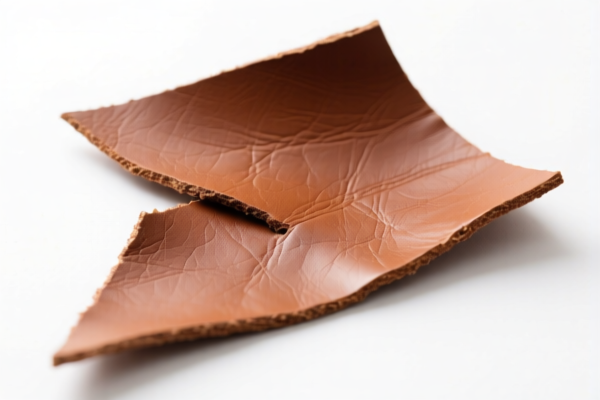
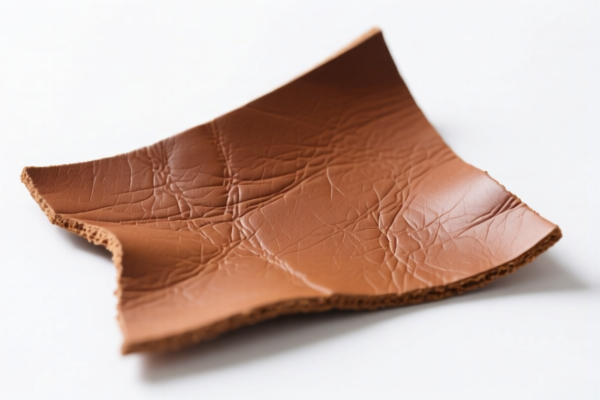
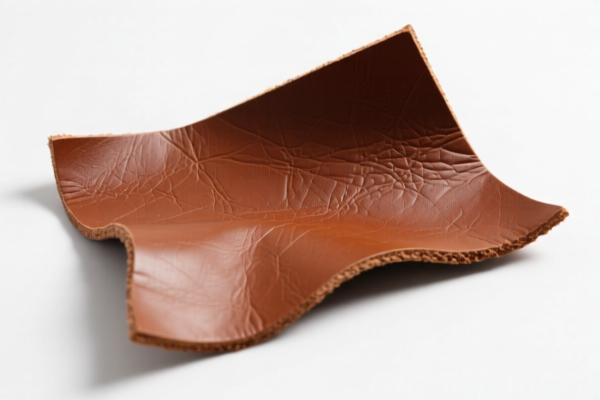

AI Analysis
🥾 Leather Waste & Shoe Material (Horsehide Scraps & By-products)
🌐 HS Code Reference & Customs Clearance Guide | 2026 Latest Tariff Analysis | Professional Clearance Strategy
📌 One, Product Definition and Classification: What is "Leather Waste"?
"Leather Waste" refers to the remnants, off-cuts, scraps, and by-products generated during the tanning, dressing, or cutting processes of animal hides, specifically Horsehides in this dataset. In international trade, these are categorized differently based on their state of processing and physical form:
Raw Leather Waste (Scrap/Off-cuts): Unprocessed or minimally processed horsehide scraps, often classified under the "waste and scrap" category (Chapter 4115). Processed/Metallized Leather Waste: Leather scraps that have undergone additional treatments (e.g., metallization) or are intermediate products, potentially falling under different sub-headings depending on the specific processing stage. Raw Horsehides (Unworked): If the material is not yet "waste" but rather raw, unworked hides, it falls under the primary hide categories (Chapter 4101).
⚠️ Key Distinction Point:
- If the material is discarded, off-cut, or scrap from the manufacturing process → It is generally classified as "Waste and Scrap" (HS 4115).
- If the material is raw, unworked, or semi-processed hides not yet considered waste → It is classified under "Raw Hides" (HS 4101).
- Note: The specific HS Code depends heavily on whether the item is deemed "waste" (4115) or "raw hide" (4101/4112) and its specific chemical/physical state.
📦 Two, HS Code Classification Details (2026 Latest Tariff Authority对照)
| HS Code | Product Description | Applicable Scenario | Tax Detail Breakdown |
|---|---|---|---|
4115.20.00.00 |
Waste and scrap of leather; specifically Horsehide leather waste. | Leather off-cuts, scraps, and by-products from shoe or bag manufacturing. | Total Tax: 17.5% Base: 0.0% Additional: 7.5% Section 301: 10% |
4101.90.10.40 |
Horsehide, other than table-dressings; form: Raw/Unworked. | Raw horsehides in a non-worked state, not yet classified as waste. | Total Tax: 17.5% Base: 0.0% Additional: 7.5% Section 301: 10% |
4101.90.70.00 |
Other horsehides; catch-all category for other raw forms. | Raw horsehides that do not fit specific sub-categories, often subject to higher base duties. | Total Tax: 20.8% Base: 3.3% Additional: 7.5% Section 301: 10% |
4112.00.30.60 |
Metallized leather waste; intermediate/secondary form. | Leather waste that has been metallized or treated, potentially viewed as a semi-finished good rather than pure waste. | Total Tax: 12.0% Base: 2.0% Additional: 0.0% Section 301: 10% |
4115.20.00.00 |
Leather waste (General); fits the waste and scrap classification. | General leather scraps and waste, ensuring compliance with waste classification. | Total Tax: 17.5% Base: 0.0% Additional: 7.5% Section 301: 10% |
🔍 Key Reminder:
- Waste vs. Raw: Items classified as4115.20.00.00(Waste) have a 0% base duty but still attract the 7.5% Additional + 10% Section 301 tariffs.
- Raw Hides: Items like4101.90.70.00(Other Raw Hides) incur a 3.3% Base Duty plus the additional tariffs, leading to a higher total rate (20.8%).
- Special Processing:4112.00.30.60(Metallized Waste) benefits from a 0% Additional Tariff, resulting in a lower total rate (12.0%), despite having a 2% Base Duty.
💰 Three, 2026 Latest Tariff Rate Details (Including Surtaxes & Policy Add-ons)
✅ Applicable Country: United States (US)
✅ Country of Origin: China (CN)
✅ Effective Time: Current rates apply (Section 301 and Additional Tariffs remain in effect).
🎯 1. 4115.20.00.00 —— Leather Waste (Horsehide)
| Item | Detail |
|---|---|
| Base Duty Rate | 0.0% (Ad Valorem) |
| Additional Tariff | +7.5% |
| Section 301 Tariff | +10% |
| Total Duty Rate | 17.5% |
| Tax Calculation | CIF Value × 17.5% |
| De Minimis Exemption? | ❌ No (Not eligible for de minimis) |
| Legal Basis | Base Tariff (0%) + Additional (7.5%) + Section 301 (10%) |
📌 Explanation:
- "Waste and Scrap" items generally have lower base duties but are not exempt from Section 301 or Additional Tariffs if originating from China.
- Total 17.5% is significant for low-value waste materials, impacting logistics and profitability.
🎯 2. 4101.90.10.40 —— Raw Horsehide (Unworked)
| Item | Detail |
|---|---|
| Base Duty Rate | 0.0% |
| Additional Tariff | +7.5% |
| Section 301 Tariff | +10% |
| Total Duty Rate | 17.5% |
| Tax Calculation | CIF Value × 17.5% |
| De Minimis Exemption? | ❌ No |
| Legal Basis | Same as above |
📌 Note:
- Even though it is "Raw Hide," this specific sub-heading has a 0% base duty, mirroring the waste category.
- Critical: Do not confuse this with other raw hide categories that may have higher base duties.
🎯 3. 4101.90.70.00 —— Other Raw Horsehide (Catch-all)
| Item | Detail |
|---|---|
| Base Duty Rate | 3.3% |
| Additional Tariff | +7.5% |
| Section 301 Tariff | +10% |
| Total Duty Rate | 20.8% |
| Tax Calculation | CIF Value × 20.8% |
| De Minimis Exemption? | ❌ No |
| Legal Basis | Base (3.3%) + Additional (7.5%) + Section 301 (10%) |
📌 Warning:
- This is the highest tax rate among the waste/raw categories due to the 3.3% Base Duty.
- Ensure your product does not fall into this "catch-all" category unless necessary. Proper classification is key to saving 3.3%.
🎯 4. 4112.00.30.60 —— Metallized Leather Waste
| Item | Detail |
|---|---|
| Base Duty Rate | 2.0% |
| Additional Tariff | 0.0% |
| Section 301 Tariff | +10% |
| Total Duty Rate | 12.0% |
| Tax Calculation | CIF Value × 12.0% |
| De Minimis Exemption? | ❌ No |
| Legal Basis | Base (2.0%) + Additional (0%) + Section 301 (10%) |
📌 Strategy:
- If your "leather waste" is metallized or treated as a semi-finished intermediate product, it may qualify for this lower-rate code.
- Savings: This code avoids the 7.5% Additional Tariff, reducing the total tax from 17.5% to 12.0%.
🛠️ Four, Customs Clearance Practical Advice (Battle-Tested Pitfall Avoidance)
✅ 1. Required Documentation Checklist (All or Nothing)
| Document | Mandatory? | Explanation |
|---|---|---|
| ✅ Commercial Invoice | ✔️ | Must clearly state "Leather Waste" or "Raw Horsehide," including weight, quantity, and HS Code. |
| ✅ Packing List | ✔️ | Detail packaging to prove it is scrap/waste, not new goods. |
| ✅ Certificate of Origin (CO) | ✔️ | Essential for confirming China origin to apply correct Section 301 rates. |
| ✅ Product Description & Specs | ✔️ | Include photos showing the material is waste/scrap or raw hide. |
| ✅ Processing Statement | ✔️ | If claiming 4112.00.30.60, provide evidence of metallization or specific processing. |
✅ 2. Declaration Tips (Key Mantra)
🔥 "Waste vs. Raw: Define State Clearly! Metallized? Claim Lower Rate! Don't Split Shipments!"
| Scenario | Correct Declaration | Incorrect Practice |
|---|---|---|
| True Scrap/Off-cuts | 4115.20.00.00 |
Declaring as "Raw Hide" → Risk of 20.8% or classification error |
| Raw Unworked Hides | 4101.90.10.40 or 4101.90.70.00 |
Declaring as "Waste" → Risk of rejection if not truly scrap |
| Metallized Scraps | 4112.00.30.60 |
Declaring as standard waste (4115) → Overpaying 5.5% tax! |
| Mixed Shipment | Single Declaration | Splitting waste and raw hides → Complex customs scrutiny, delays |
✅ 3. Special Circumstance Handling
| Situation | Handling Advice |
|---|---|
| OEM Custom Leather Waste | Provide client orders and material specs to prove it is waste by-product, not new raw hides. |
| Metallized Leather | Crucial: Clearly declare as "Metallized" and provide proof. This can save 5.5% in taxes. |
| Used vs. New | If "waste" includes used goods, ensure it is clearly labeled as scrap, not reusable second-hand goods, to avoid different classification. |
| High-Value Scrap | Consider if reclassification to 4112.00.30.60 is possible if metallization is involved. |
🌍 Five, Global Market Comparison (2026 Latest)
| Country/Region | Recommended HS Code | Tariff (China Origin) | Certification Requirements | Remarks |
|---|---|---|---|---|
| 🇺🇸 United States | 4115.20.00.00 |
17.5% (Waste) / 12.0% (Metallized) | No special certs usually, but clear origin proof needed. | Section 301 and Additional Tariffs apply. |
| 🇨🇳 China | 4115.20.00.00 |
Varies (Import Duty) | N/A | For reference only. |
| 🇪🇺 European Union | 4115.20.00.00 |
Typically lower | CE/RoHS (if applicable) | No Section 301. |
| 🇬🇧 United Kingdom | 4115.20.00.00 |
Post-Brexit Rates | UKCA | No US-style additional tariffs. |
| 🇦🇺 Australia | 4115.20.00.00 |
Standard Rates | N/A | No additional tariffs. |
📌 Conclusion:
- The US is the most taxing market for Chinese-origin leather waste due to Section 301 and Additional Tariffs.
- Tax Savings Strategy: If your waste is metallized, aggressively pursue4112.00.30.60to save 5.5% in total duties.
- Avoid the "Catch-All": Ensure raw hides are correctly classified under4101.90.10.40(0% base) rather than4101.90.70.00(3.3% base).
📌 Six, Common Mistakes & Pitfall Guide (Blood & Tears Lessons)
❌ Mistake 1: Declaring Metallized Leather as standard 4115.20.00.00
👉 Consequence: Paying 17.5% instead of 12.0%. Loss of 5.5% profit margin!
❌ Mistake 2: Declaring Raw Hides as Leather Waste
👉 Consequence: Customs may reject the declaration if items are not truly scrap, leading to delays, fines, or re- classification with higher duties.
❌ Mistake 3: Using vague descriptions like "Leather Parts"
👉 Consequence: Customs cannot determine if it is waste, raw, or processed. High risk of audit and penalties.
❌ Mistake 4: Ignoring Section 301 Tariffs
👉 Consequence: Budgeting only for base duty and missing the 10%+7.5% add-ons, leading to unexpected costs at customs.
✅ Correct Practice:
"Leather Waste, Horsehide, Scrap Off-cuts, Metallized, for Recycling, Model: LH-SCRAP, Origin: China"
🎯 Seven, Conclusion: Professional Declaration, Time-Saving, Cost-Effective!
🎯 Remember the Mantra:
🔹 "Waste vs. Raw: Define Clearly! Metallized? Claim Lower Rate! Don't Ignore Section 301!"
🔹 "HS Code Determines Tax Fate, 5.5% Difference Matters, Declare Wrong, Pay More!"
📌 Pro Tip:
If your leather waste is not originating from China (e.g., from Vietnam, Thailand), you may exempt from Section 301 tariffs, significantly reducing the total duty.
Consider applying for an Advance Ruling for complex cases (e.g., metallized waste) to ensure compliance and tax optimization.
📣 Take Action Now:
📞 Contact a Professional Customs Broker + Provide Product Photos + Apply for HS Code Advance Ruling
🚀 Let your leather waste clear customs smoothly, efficiently, and cost-effectively!
✨ Professional Customs Clearance Starts with Accurate Classification!
💼 Every Penny of Your Cost Deserves Precise Calculation!
Customer Reviews
About HS Code Classification
The Harmonized System (HS) is an internationally standardized nomenclature developed by the World Customs Organization (WCO) to classify traded products. Over 200 countries use the HS system as the basis for customs tariffs, trade statistics, and import/export regulations.
Each HS code follows a hierarchical structure:
- Chapter (2 digits) — Broad category of goods (e.g., Chapter 84: Machinery and Mechanical Appliances)
- Heading (4 digits) — More specific grouping within the chapter
- Subheading (6 digits) — Internationally standardized breakdown, used by all WCO member countries
- National subdivisions (8-10 digits) — Country-specific extensions for further classification, such as US HTSUS 10-digit codes
Correct HS code classification is essential for smooth customs clearance, accurate duty payment, and compliance with trade regulations. Misclassification can lead to customs delays, overpayment of duties, or penalties.
When importing from CN to US, the applicable tariff rates may include:
- Most-Favored-Nation (MFN) rate — The standard duty rate applied to WTO members
- General rate — Applied to countries without trade agreements
- Trade remedy duties — Additional tariffs such as Section 301 (anti-dumping), Section 232 (national security), or countervailing duties
The information provided on this page is for reference purposes only. For official classification, please consult with your local customs authority or a licensed customs broker.