Leather Winter Gloves
CN → US| HS Code | Tariff Rate | Origin | Destination | Doc |
|---|---|---|---|---|
| 4203295000 | 47.6% | CN | US | Official Doc |
| 6116109500 | 24.5% | CN | US | Official Doc |
| 6216001900 | 0.0% | CN | US | Official Doc |
| 6216002930 | 30.5% | CN | US | Official Doc |
| 4203294000 | 47.6% | CN | US | Official Doc |
Product Images
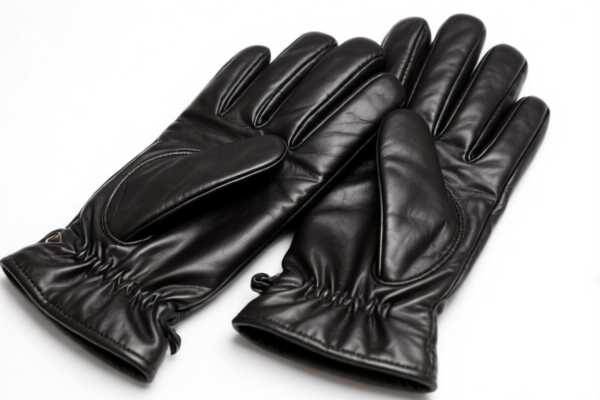
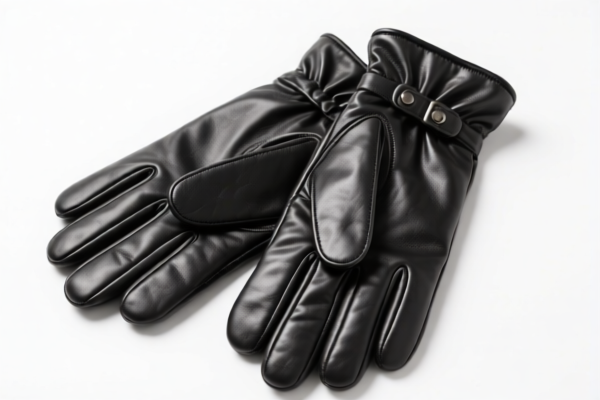
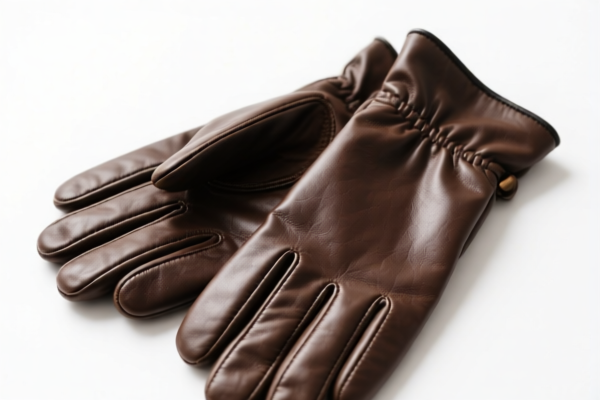
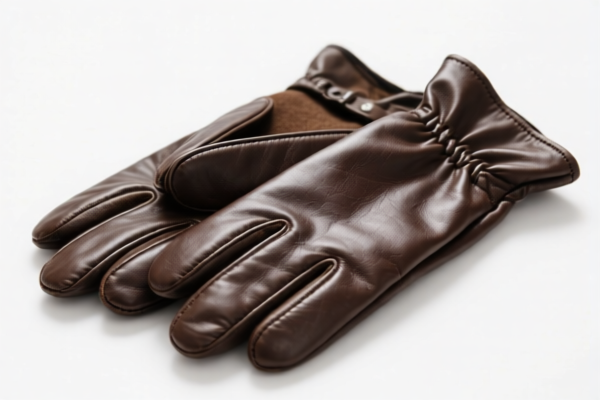
AI Analysis
🧤 Artificial Leather Winter Gloves (Leather-Imitation Winter Gloves)
🌐 HS Code Reference & Customs Clearance Guide | 2026 Latest Tariff Analysis | Strategic Classification Strategy
📌 I. Product Definition: What Are "Artificial Leather Winter Gloves"?
Artificial leather winter gloves are protective or fashion accessories made from synthetic materials designed to mimic genuine leather, specifically engineered for cold-weather use. In international trade, the classification depends heavily on material composition (textile vs. plastic/rubber) and construction (knitted vs. non-knitted).
⚠️ Key Classification Distinction:
- Textile-Based/General Artificial Leather: If made from fabric coated with plastic/synthetic materials, often falling under Ch. 62 (Non-knitted) or Ch. 42 (Articles of leather).
- Plastic/Rubber-Coated/Knitted: If made of textile with plastic/rubber impregnation, often falling under Ch. 61 (Knitted).
- "Winter" Implication: Usually implies lining or insulation for warmth, but HS codes are primarily driven by material and knitting status, not temperature rating.
📦 II. HS Code Classification Matrix (2026 Latest Tariff Reference)
Based on the provided data, here are the five potential classifications for Artificial Leather Winter Gloves:
| HS Code | Product Description & Logic | Material/Construction Detail | Total Tax Rate (China Origin to US) |
|---|---|---|---|
| 4203.29.50.00 | Artificial leather gloves; general/other category. | Made of artificial leather; treated as "other" articles of leather/substitutes. | 47.6% |
| 6116.10.95.00 | Artificial leather gloves; knitted/impregnated. | Material inferred as plastic/rubber impregnated coating; knitted/fallback category. | 24.5% |
| 6216.00.19.00 | Artificial leather gloves; non-knitted/coated. | Material falls under "coated with plastic or synthetic materials." | 11.1¢/kg + 5.5% + 17.5% |
| 6216.00.29.30 | Artificial leather gloves; non-knitted/impregnated. | Material is synthetic; fits characteristics of impregnated/coated plastic/rubber. | 30.5% |
| 4203.29.40.00 | Artificial leather gloves; apparel accessory fallback. | Purpose as apparel accessory; "other" category fallback. | 47.6% |
🔍 Critical Insight:
- The tax burden varies significantly based on whether the glove is classified as Chapter 42 (Articles of Leather) or Chapter 61/62 (Textiles). - Chapter 42 codes (4203.29.x) attract the highest tariffs (47.6%) due to high base + Section 301 + 122 Clause duties. - Chapter 61/62 codes may offer lower rates but involve complex ad valorem vs. specific duty calculations (e.g., 6216.00.19.00).
💰 III. Detailed Tariff Breakdown & Policy Add-ons
✅ Applicable Country: United States (US)
✅ Origin: China (CN)
✅ Effective Time: Current trade environment (Section 301 + IEEPA 122 Clause)
🎯 1. The High-Tax Category: 4203.29.50.00 & 4203.29.40.00
Classification: Articles of Leather (Artificial)
| Item | Content |
|---|---|
| Base Tariff | 12.6% (Ad Valorem) |
| Section 301 Add-on | +25.0% |
| IEEPA 122 Clause | +10.0% |
| Total Effective Rate | 47.6% |
| Calculation | CIF Value × 47.6% |
| De Minimis Exemption | ❌ Not Eligible (High risk of seizure/confiscation if shipped via 86.01/86.02 courier) |
| Legal Path | IEEPA:9903.01.25 → USITC:4203.29.xx |
📌 Explanation:
- These codes are classified under Chapter 42 (Articles of Leather and Related Goods). Artificial leather is often grouped here if it doesn't fit specific textile impregnation categories. - The 25% Section 301 and 10% 122 Clause make this category extremely expensive. - Risk: High duty cost significantly impacts profit margins.
🎯 2. The Medium-Tax Category: 6116.10.95.00
Classification: Knitted Gloves, Impregnated/Covered with Plastic/Rubber
| Item | Content |
|---|---|
| Base Tariff | 7.0% |
| Section 301 Add-on | +7.5% |
| IEEPA 122 Clause | +10.0% |
| Total Effective Rate | 24.5% |
| Calculation | CIF Value × 24.5% |
| De Minimis Exemption | ❌ Not Eligible |
| Legal Path | IEEPA:9901.25 → USITC:6116.10.95 |
📌 Explanation:
- This classification assumes the gloves are knitted (Chapter 61) and made with a plastic/rubber coating (impregnation). - Lower base tariff (7.0%) and lower Section 301 add-on (7.5%) compared to Chapter 42. - Strategy: If the manufacturing process allows, classifying as knitted textile can save ~23% in duties.
🎯 3. The Variable-Tax Category: 6216.00.19.00
Classification: Non-Knitted Gloves, Coated with Plastic
| Item | Content |
|---|---|
| Base Tariff | 11.1¢/kg + 5.5% |
| Section 301 Add-on | +7.5% |
| IEEPA 122 Clause | +10.0% |
| Total Effective Rate | Specific + Ad Valorem + 17.5% |
| Calculation | (11.1¢/kg × Weight) + (CIF × 5.5%) + (CIF × 17.5%) |
| De Minimis Exemption | ❌ Not Eligible |
| Legal Path | USITC:6216.00.19 |
📌 Explanation:
- This is a mixed duty structure. It includes a specific charge per kilogram plus ad valorem taxes. - For lightweight gloves, the per-kg fee may be small, but the total ad valorem burden (5.5% + 17.5% = 23% base + 17.5% add-ons) is significant. - Warning: Always calculate total cost based on weight, not just value.
🎯 4. The Moderate-Tax Category: 6216.00.29.30
Classification: Non-Knitted Gloves, Other Synthetic/Impregnated
| Item | Content |
|---|---|
| Base Tariff | 13.0% |
| Section 301 Add-on | +7.5% |
| IEEPA 122 Clause | +10.0% |
| Total Effective Rate | 30.5% |
| Calculation | CIF Value × 30.5% |
| De Minimis Exemption | ❌ Not Eligible |
| Legal Path | USITC:6216.00.29.30 |
📌 Explanation:
- Non-knitted gloves that don't fit the "coated plastic" exact definition of 6216.00.19.00 fall here. - A balanced option if Chapter 42 is ruled out.
🛠️ IV. Customs Clearance Practical Advice (Avoiding Pitfalls)
✅ 1. Essential Documentation List
| Document | Required | Purpose |
|---|---|---|
| ✅ Product Specification Sheet | ✔️ | Must detail material composition (e.g., "Polyurethane coated polyester knit") to distinguish between Ch. 42 and Ch. 61/62. |
| ✅ Material Safety Data Sheet (MSDS) | ✔️ | If the "artificial leather" contains specific chemicals or coatings. |
| ✅ Product Photos | ✔️ | Clear images showing texture, lining (for "winter" claim), and stitching/knitting structure. |
| ✅ Commercial Invoice | ✔️ | Must explicitly state "Artificial Leather Gloves" and material breakdown. Avoid vague terms like "Leather Gloves" if not genuine. |
| ✅ Packing List | ✔️ | Must include net weight (critical for HS 6216.00.19.00 specific duty calculation). |
✅ 2. Declaration Best Practices
🔥 Golden Rule: "Material defines Code, Weight defines Cost, Lining doesn't change HS."
| Scenario | Correct Declaration | Risk of Error |
|---|---|---|
| Knitted with Plastic Coating | 6116.10.95.00 |
Misclassifying as Ch. 42 leads to 47.6% instead of 24.5%. |
| Non-Knitted, Plastic Coated | 6216.00.19.00 or 6216.00.29.30 |
Using Ch. 42 leads to 47.6%. Using wrong Ch. 62 code may trigger penalty. |
| "Winter" Claim | Do NOT use "Winter" in HS justification. | "Winter" is not a HS classifier. Use "Insulated" or "Lined" in description, but HS depends on material. |
| Artificial vs. Genuine | Explicitly state "ARTIFICIAL LEATHER" | Misdeclaring as "Genuine Leather" is fraud. Misdeclaring as "Textile" when it's Ch. 42 leads to duty underpayment. |
✅ 3. Specific Duty Calculation Warning (For 6216.00.19.00)
⚠️ Critical: If you choose
6216.00.19.00, the duty is 11.1 cents per KG PLUS ad valorem taxes. - Example: 1,000 gloves weighing 500 KG. - Specific Duty: 500 KG × $0.111 = $55.50 - Ad Valorem: CIF × 23% (5.5% + 17.5%) - Action: Always calculate total landed cost using exact weight. For heavy gloves, specific duty can be substantial.
🌍 V. Global Market Comparison (2026)
| Market | Preferred HS Code | Est. Total Duty (China Origin) | Notes |
|---|---|---|---|
| 🇺🇸 USA | 6116.10.95.00 or 6216.00.29.30 |
24.5% - 30.5% | Avoid 4203.29.xx (47.6%) if possible. Section 301 + 122 Clause applies. |
| 🇨🇳 China | 6116.10.95.00 or 6216.00.19.00 |
7% - 11% | Lower base duties. No Section 301/122 Clause. |
| 🇪🇺 EU | 6116.10.95.00 or 6216.00.19.00 |
7% - 12% | Standard MFN rates. No major political tariffs. |
| 🇬🇧 UK | 6116.10.95.00 or 6216.00.19.00 |
7% - 12% | Similar to EU post-Brexit. |
📌 Conclusion:
- The US market is the most expensive due to叠加 tariffs (Section 301 + IEEPA 122). - Optimization Strategy: If the manufacturing allows, classify under Chapter 61 (6116.10.95.00) to achieve the lowest effective rate of 24.5%. - Avoid Chapter 42 (4203.29.xx) unless the product is distinctly non-textile and cannot be classified elsewhere, as the 47.6% rate is prohibitive for most consumer goods.
📌 VI. Common Mistakes & Pitfalls (Lessons Learned)
❌ Mistake 1: Classifying "Artificial Leather" gloves under Genuine Leather Codes (4203.29.xx) without verifying material.
👉 Consequence: You pay 47.6% instead of potentially 24.5%.
💡 Fix: Verify if the backing is textile (knitted) or non-textile. If knitted, it likely belongs in Ch. 61.
❌ Mistake 2: Ignoring the Weight for 6216.00.19.00.
👉 Consequence: Underestimated customs value if weight is not declared accurately.
💡 Fix: Provide precise net weight on the packing list.
❌ Mistake 3: Assuming "Winter" gloves qualify for a special category.
👉 Consequence: No special HS code exists for "winter."
💡 Fix: Describe as "Insulated" or "Lined" in the commercial invoice, but rely on material for HS code.
❌ Mistake 4: Using De Minimis (86.01) for shipments to the US.
👉 Consequence: Seizure! High duty rates (>25%) disqualify goods from de minimis exemption.
💡 Fix: Use formal entry (CBP Form 7501) and pay duties upfront.
✅ Correct Declaration Example:
"Men's Artificial Leather Winter Gloves, Knitted Polyester Base with Polyurethane Coating, Lined for Thermal Insulation, Model XYZ, Origin: China" ➡️ Recommended HS:
6116.10.95.00(24.5%)
🎯 VII. Final Recommendation
🎯 Strategic Advice:
1. Material Test: Confirm if the glove base is knitted. If yes, fight for 6116.10.95.00 (24.5%).
2. Avoid Chapter 42: Unless legally unavoidable, avoid 4203.29.50.00 and 4203.29.40.00 due to the 47.6% tax burden.
3. Pre-Ruling: Submit a Binding Tariff Information (BTI) or US CBP Ruling Request to lock in the HS code before large-scale shipments.
4. Supply Chain: If duty cost is prohibitive, consider assembling or packaging in a third country (e.g., Vietnam, Mexico) to avoid China-origin Section 301 + 122 Clause tariffs.
✨ Professional Customs Clearance Starts with Accurate Classification!
💼 Every Percentage Point Saved is Pure Profit!
Customer Reviews
About HS Code Classification
The Harmonized System (HS) is an internationally standardized nomenclature developed by the World Customs Organization (WCO) to classify traded products. Over 200 countries use the HS system as the basis for customs tariffs, trade statistics, and import/export regulations.
Each HS code follows a hierarchical structure:
- Chapter (2 digits) — Broad category of goods (e.g., Chapter 84: Machinery and Mechanical Appliances)
- Heading (4 digits) — More specific grouping within the chapter
- Subheading (6 digits) — Internationally standardized breakdown, used by all WCO member countries
- National subdivisions (8-10 digits) — Country-specific extensions for further classification, such as US HTSUS 10-digit codes
Correct HS code classification is essential for smooth customs clearance, accurate duty payment, and compliance with trade regulations. Misclassification can lead to customs delays, overpayment of duties, or penalties.
When importing from CN to US, the applicable tariff rates may include:
- Most-Favored-Nation (MFN) rate — The standard duty rate applied to WTO members
- General rate — Applied to countries without trade agreements
- Trade remedy duties — Additional tariffs such as Section 301 (anti-dumping), Section 232 (national security), or countervailing duties
The information provided on this page is for reference purposes only. For official classification, please consult with your local customs authority or a licensed customs broker.