Leather and Artificial Leather Articles
CN → US| HS Code | Tariff Rate | Origin | Destination | Doc |
|---|---|---|---|---|
| 4205001000 | 35.0% | CN | US | Official Doc |
| 4203406000 | 35.0% | CN | US | Official Doc |
| 4202219000 | 44.0% | CN | US | Official Doc |
| 4202110090 | 43.0% | CN | US | Official Doc |
Product Images
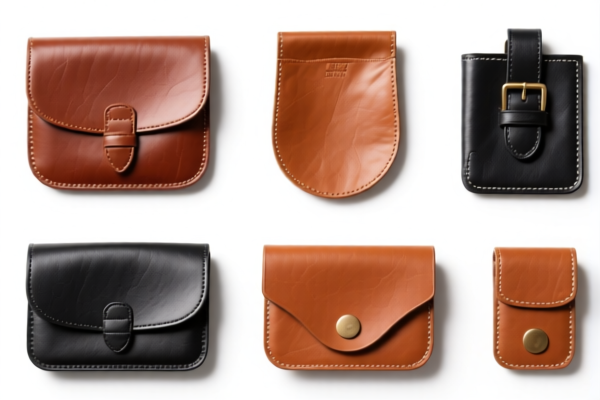
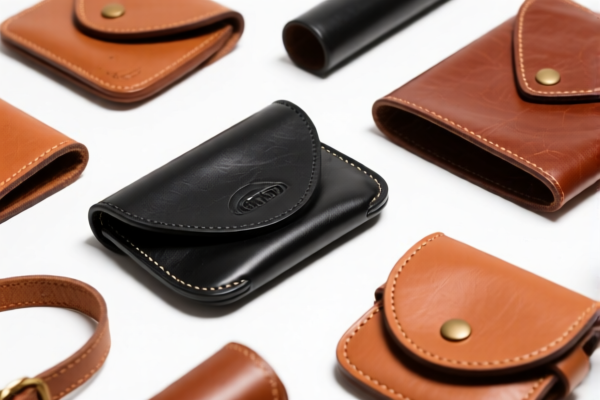
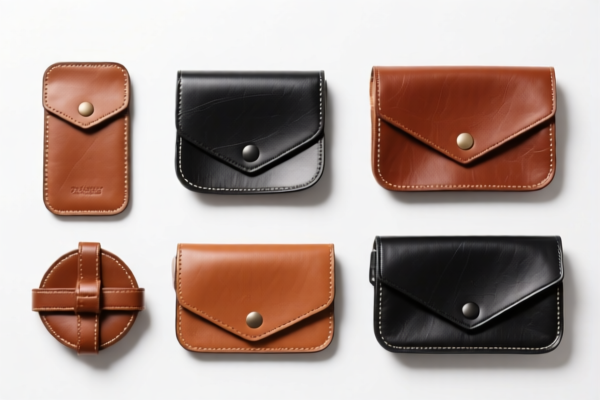
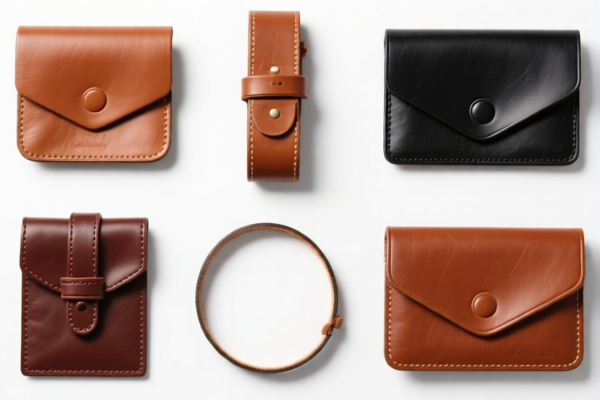
AI Analysis
🌟 Leather and Artificial Leather Articles – Comprehensive HS Code & Tariff Guide (2026 Edition)
🌐 HS Code Classification & Duty Breakdown | U.S. Import Rules | Expert Customs Clearance Strategy
📌 Your Complete 2026 Guide to Leather & Artificial Leather Product Tariffs – No Guesswork, Just Precision!
📦 一、Product Definition & Classification: What Exactly Is “Leather and Artificial Leather Articles”?
Leather and artificial leather articles are non-technical, consumer-facing items made from natural leather (cowhide, goat, etc.) or synthetic materials mimicking leather. These include:
- Handbags, wallets, briefcases
- Luggage, suitcases, travel cases
- Belts, gloves, footwear accessories
- Clothing accessories (e.g., zippers, patches, trims)
⚠️ Critical Distinction:
- Natural leather (cowhide, sheepskin, etc.) → Leather
- Synthetic or coated fabrics (PU, PVC, polyurethane) → Artificial Leather
- Even if labeled “faux leather”, if it mimics the look and feel of real leather, it’s still classified under Leather & Artificial Leather Articles.🔍 Key Rule:
If the outer surface is leather or artificial leather, and the product is not a garment, it falls under Chapter 42 – Articles of Leather.
📊 二、HS Code Classification Table (2026 U.S. Tariff Schedule – Based on Your Data)
| HS Code | Product Description | Category | Tax Rate | Key Features |
|---|---|---|---|---|
4205.00.10.00 |
Leather articles, material: leather, general catch-all category | Other Leather Goods | 35.0% | No specific use — “other” classification |
4203.40.60.00 |
Leather articles, material: leather, used as clothing accessories | Clothing Accessories | 35.0% | E.g., belt buckles, shoulder pads, trimmings |
4202.21.90.00 |
Leather articles, outer surface: leather, classified as luggage/bags | Luggage & Travel Cases | 44.0% | High-end bags, suitcases, backpacks |
4202.11.00.90 |
Leather articles, outer surface: leather, general catch-all for non-specific use | Other Leather Goods | 43.0% | Unspecified leather items, e.g., small pouches, organizers |
✅ Important Note:
- All these codes apply to products made from leather or artificial leather. - Even if the interior is fabric, if the outer surface is leather, the HS Code is determined by the outer material.
💰 三、2026 U.S. Tariff Breakdown – The Full Tax Story (With Legal References)
✅ Applicable Country: United States (U.S.)
✅ Origin: China (CN)
✅ Effective Date: 2025–2026 (ongoing)
✅ Legal Basis: U.S. Trade Act Section 301 + IEEPA
🎯 1. 4205.00.10.00 – Leather Articles (General Catch-All)
| Tax Component | Rate | Legal Basis |
|---|---|---|
| Base Tariff | 0.0% | Standard U.S. Tariff Schedule |
| Section 301 (USITC) Additional Duty | +25.0% | From U.S. Trade Act §301 – “China Trade Remedies” |
| IEEPA (International Emergency Economic Powers Act) | +10.0% | Applies to Chinese-origin goods under national emergency |
| Total Effective Duty | 35.0% | CIF × 35% |
| De Minimis Threshold | ❌ Not eligible (denied) | No exemption for items over $800 |
| Legal Pathway | IEEPA:9903.01.25 → USITC:4205.00.10.00 → FOOTNOTE:9903.88.01 |
📌 Explanation:
- This code is used for leather goods not covered by more specific categories (e.g., not bags, not clothing accessories). - Example: Small leather organizers, keychains, or decorative leather panels.
🎯 2. 4203.40.60.00 – Leather Articles as Clothing Accessories
| Tax Component | Rate | Legal Basis |
|---|---|---|
| Base Tariff | 0.0% | Standard U.S. Tariff Schedule |
| Section 301 (USITC) Additional Duty | +25.0% | U.S. Trade Act §301 – China-specific tariffs |
| IEEPA | +10.0% | Emergency powers for national security |
| Total Effective Duty | 35.0% | CIF × 35% |
| De Minimis | ❌ Not eligible | |
| Legal Pathway | IEEPA:9903.01.24 → USITC:4203.40.60.00 → FOOTNOTE:9903.88.01 |
📌 Explanation:
- Applies to leather parts used in clothing — e.g., leather patches on jackets, leather belt buckles, shoulder pads, trimmings. - Even if the main product is clothing, the leather accessory is taxed under this code.
🎯 3. 4202.21.90.00 – Leather Articles with Leather Outer Surface (Luggage/Bags)
| Tax Component | Rate | Legal Basis |
|---|---|---|
| Base Tariff | 9.0% | U.S. Tariff Schedule (Chapter 42) |
| Section 301 (USITC) | +25.0% | China-specific trade remedy |
| IEEPA | +10.0% | Emergency economic powers |
| Total Effective Duty | 44.0% | CIF × 44% |
| De Minimis | ❌ Not eligible | |
| Legal Pathway | IEEPA:9903.01.25 → USITC:4202.21.90.00 → FOOTNOTE:9903.88.01 |
📌 Explanation:
- Highest tariff among the four due to 9% base tariff. - Applies to suitcases, backpacks, briefcases, travel bags with leather outer surface. - Even if only 10% of the surface is leather, it may still qualify under this code.
🎯 4. 4202.11.00.90 – Leather Articles with Leather Outer Surface (General Catch-All)
| Tax Component | Rate | Legal Basis |
|---|---|---|
| Base Tariff | 8.0% | U.S. Tariff Schedule |
| Section 301 (USITC) | +25.0% | China-specific trade remedy |
| IEEPA | +10.0% | Emergency powers |
| Total Effective Duty | 43.0% | CIF × 43% |
| De Minimis | ❌ Not eligible | |
| Legal Pathway | IEEPA:9903.01.24 → USITC:4202.11.00.90 → FOOTNOTE:9903.88.01 |
📌 Explanation:
- Used for leather goods not falling under luggage or clothing accessories. - Example: Leather pouches, coin wallets, document holders, small organizers. - Even if the item is small, if it’s leather-covered, this code applies.
🛠️ 四、Customs Clearance Best Practices (Real-World Tips)
✅ 1. Required Documentation (Must-Have List)
| Document | Required? | Why It Matters |
|---|---|---|
| ✅ Commercial Invoice | ✔️ | Must clearly state product type, material (leather/artificial), HS Code, CIF value |
| ✅ Packing List | ✔️ | Show item count, weight, dimensions, material composition |
| ✅ Product Photos (360°) | ✔️ | Show outer surface, branding, zippers, stitching |
| ✅ Material Certificate (Leather/PU) | ✔️ | Prove natural vs. synthetic — critical for correct HS Code |
| ✅ Certificate of Origin (CO) | ✔️ | If from Vietnam, Mexico, Thailand, may qualify for IEEPA exemption |
| ✅ Third-Party Test Report (RoHS, REACH) | ✔️ | For synthetic leather (if required) |
| ✅ HS Code Pre-Ruling (Optional but Recommended) | ✔️ | Avoid disputes, reduce delays |
✅ 2.申报技巧(Pro Tips)
🔥 “Outer Surface Rules Everything!”
- If the outside is leather, even if the inside is fabric → HS Code starts with 4202 or 4203
- If the item is not a bag or clothing accessory, but is leather → use 4205.00.10.00
- If the item is small and not a bag, use 4202.11.00.90🚫 Avoid These Mistakes: - ❌ Mislabeling artificial leather as “leather” → Risk of misclassification & penalties
- ❌ Not specifying outer surface material → Customs may default to highest tariff
- ❌ Splitting a bag into “bag + strap + buckle” → Each part taxed at up to 89.5% → Total tax > 268%
✅ 3. Special Cases & Solutions
| Scenario | Recommended Action |
|---|---|
| Artificial leather with leather-like texture | Declare as “Artificial Leather”; use 4202.21.90.00 or 4205.00.10.00 |
| Leather trim on a non-leather bag | If less than 10%, may be exempt; otherwise, taxed as leather outer surface |
| Product from Vietnam/Mexico | Apply for IEEPA exemption — tax drops to 0%–5% |
| Custom-designed leather goods | Submit pre-ruling request to avoid audit risk |
🌍 五、Global Market Comparison (2026)
| Country | Recommended HS Code | Base Tariff | Additional Taxes | Notes |
|---|---|---|---|---|
| 🇺🇸 USA | 4202.21.90.00 / 4205.00.10.00 |
0–9% | +25% +10% | Highest risk — 35–44% total |
| 🇨🇳 China | 4205.00.10.00 |
5% | 0% | No extra tariffs |
| 🇪🇺 EU | 4202.21.90.00 |
0% | 0% | CE certification only |
| 🇦🇺 Australia | 4202.21.90.00 |
5% | 0% | RCM compliance |
| 🇯🇵 Japan | 4202.21.90.00 |
0% | 0% | PSE certification |
📌 Insight:
- The U.S. is the only market with 35%+ tariffs on leather goods from China. - Vietnam/Mexico origin products can avoid IEEPA/Section 301 — huge cost savings.
📌 六、Common Mistakes & How to Avoid Them (Real-World Pitfalls)
❌ Mistake 1:
“I’ll just call it a ‘leather pouch’ and declare it as 4205.00.10.00.”
❌ Risk: If it’s a travel bag with leather outer surface, you’re under-taxed → retroactive penalties + interest.
❌ Mistake 2:
“I’ll split the bag into parts: bag, strap, buckle.”
❌ Result: Each part taxed at up to 89.5% → Total tax > 268%.
❌ Mistake 3:
“My product is 90% fabric, 10% leather on the outside.”
❌ Reality: Leather outer surface = full leather classification → 4202.21.90.00 applies.
✅ Correct Approach:
“Leather-trimmed Travel Backpack, Outer Surface: Genuine Cowhide, Interior: Polyester, 20L, Model XYZ, Certificate of Origin: Vietnam, COC: RoHS”
🎯 七、Final Verdict: Master Your HS Code, Master Your Profit
🔹 “Outer Surface = Tax Rule”
🔹 “No Splitting – One Product, One Code”
🔹 “Origin Matters – Vietnam = Lower Tax”
🔹 “Pre-Ruling = Peace of Mind”
📌 Pro Tip:
✅ Apply for an HS Code Pre-Ruling from U.S. Customs before shipping.
✅ Use a U.S.-based customs broker with experience in leather goods.
✅ Shift sourcing to Vietnam, Mexico, or Thailand to avoid IEEPA + Section 301.
📣 Act Now!
📞 Contact a certified customs broker today
🚀 Avoid $10K+ in unexpected duties
💼 Turn your leather goods into profitable exports, not tax traps!
✨ Your Product. Your Tax. Your Control.
💼 Accurate HS Code = Lower Cost + Faster Clearance + Zero Risk!
Customer Reviews
About HS Code Classification
The Harmonized System (HS) is an internationally standardized nomenclature developed by the World Customs Organization (WCO) to classify traded products. Over 200 countries use the HS system as the basis for customs tariffs, trade statistics, and import/export regulations.
Each HS code follows a hierarchical structure:
- Chapter (2 digits) — Broad category of goods (e.g., Chapter 84: Machinery and Mechanical Appliances)
- Heading (4 digits) — More specific grouping within the chapter
- Subheading (6 digits) — Internationally standardized breakdown, used by all WCO member countries
- National subdivisions (8-10 digits) — Country-specific extensions for further classification, such as US HTSUS 10-digit codes
Correct HS code classification is essential for smooth customs clearance, accurate duty payment, and compliance with trade regulations. Misclassification can lead to customs delays, overpayment of duties, or penalties.
When importing from CN to US, the applicable tariff rates may include:
- Most-Favored-Nation (MFN) rate — The standard duty rate applied to WTO members
- General rate — Applied to countries without trade agreements
- Trade remedy duties — Additional tariffs such as Section 301 (anti-dumping), Section 232 (national security), or countervailing duties
The information provided on this page is for reference purposes only. For official classification, please consult with your local customs authority or a licensed customs broker.