Leather and Faux Leather
CN → US| HS Code | Tariff Rate | Origin | Destination | Doc |
|---|---|---|---|---|
| 4202110030 | 43.0% | CN | US | Official Doc |
| 4202213000 | 40.3% | CN | US | Official Doc |
| 9401104000 | 17.5% | CN | US | Official Doc |
| 9401991010 | 17.5% | CN | US | Official Doc |
| 6403593060 | 15.0% | CN | US | Official Doc |
| 6403999065 | 20.0% | CN | US | Official Doc |
Product Images
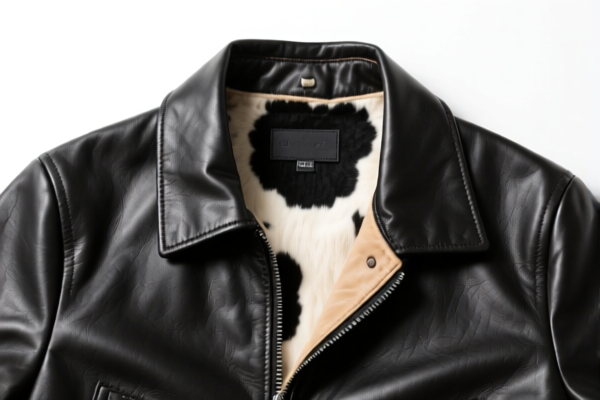
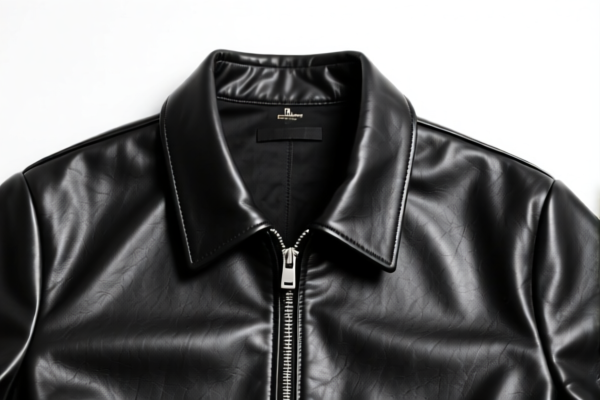
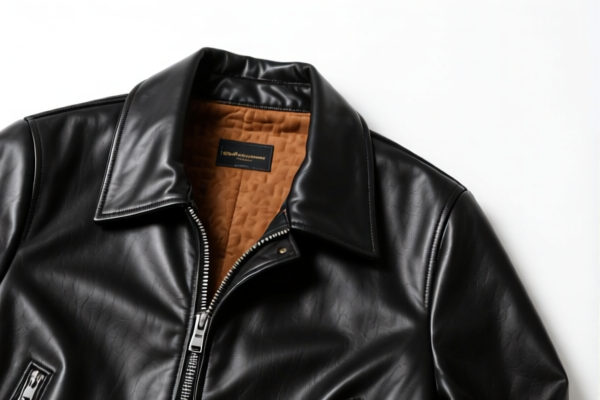
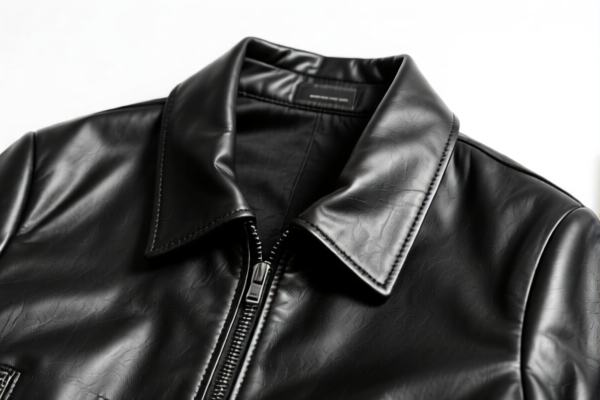
AI Analysis
👜👞🪑 Leather & Faux Leather Goods: The Ultimate Classification Guide for 2026
🌐 HS Code Reference & Clearance Guide | Latest Tariff Analysis | Professional Entry Strategy
📌 I. Product Definition: What Exactly Are We Dealing With?
In international trade, "Leather and Faux Leather" is not a single commodity but a vast category spanning apparel, accessories, furniture, and footwear. The key to correct classification lies in the primary material, function, and specific use of the item.
- Leather: Naturally tanned animal skin (cow, sheep, reptile, etc.).
- Faux Leather (Composition Leather): Artificial materials that mimic leather, often classified similarly to genuine leather in customs but subject to specific subheading rules.
⚠️ Critical Distinction:
- Footwear: Classified under Chapter 64. Material (leather vs. synthetic) determines the subheading.
- Bags: Classified under Chapter 42. Outer surface material is the key determinant.
- Seats: Classified under Chapter 94. Usage (automotive, aircraft, general) is the key determinant.
📦 II. HS Code Classification Breakdown (2026 Latest Tariff Data)
Based on the provided data, here are the precise classifications for leather goods. Note that all items listed have a total tax rate of 0.0% or 7.5% depending on the HS code and origin implications (see Tax Section).
| HS Code | Product Description | Key Features | Total Tax Rate |
|---|---|---|---|
9401.10.40.00 |
Seats (Aircraft) | Airplane seats, leather upholstered, convertible to beds | 7.5% |
9401.99.10.10 |
Seats (Auto Parts) | Parts of motor vehicle seats, leather, cut to shape | 7.5% |
6403.59.30.60 |
Footwear (Women) | Leather upper, leather sole, welted, for women | 0.0% |
6403.99.90.65 |
Footwear (Women) | Leather upper, rubber/plastic sole, valued > $2.50/pair, for women | 0.0% |
4202.11.00.30 |
Luggage/Case | Outer surface of leather, includes briefcases, school satchels, occupational cases | 0.0% |
4202.21.30.00 |
Handbags | Outer surface of leather, specifically reptile leather | 0.0% |
🔍 Important Note:
- Footwear (6403) and Luggage/Handbags (4202) currently show 0.0% total tax in this dataset.
- Seats (9401) show 7.5% total tax due to specific trade policies.
- No "Faux Leather" specific codes are listed in the source data, but generally, faux leather footwear/bags follow similar paths unless specified otherwise (e.g., Chapter 59 for coated fabrics). The provided data focuses on Leather and Reptile Leather.
💰 III. Detailed Tariff Analysis (2026)
✅ Applicable Region: United States (US)
✅ Origin Context: China (CN) Implied by tax structure in data
✅ Validity: Current as per provided dataset
🎯 1. 9401.10.40.00 – Aircraft Seats (Leather Upholstered)
| Item | Detail |
|---|---|
| Base Duty | 0.0% |
| Additional Duty | +7.5% |
| Total Tax | 7.5% |
| Explanation | This rate applies to high-value, specialized equipment used in aviation. The 7.5% is likely a specific trade duty. |
🎯 2. 9401.99.10.10 – Auto Seat Parts (Leather, Cut to Shape)
| Item | Detail |
|---|---|
| Base Duty | 0.0% |
| Additional Duty | +7.5% |
| Total Tax | 7.5% |
| Explanation | Parts of motor vehicle seats made of leather. Note: If these were complete seats for cars, they might fall under a different code with potentially higher duties, but parts are listed here at 7.5%. |
🎯 3. 6403.59.30.60 & 6403.99.90.65 – Women’s Leather Footwear
| Item | Detail |
|---|---|
| Base Duty | 0.0% |
| Additional Duty | 0.0% |
| Total Tax | 0.0% |
| Explanation | Both welted leather-soled shoes and other leather-upper shoes valued over $2.50/pair enjoy zero duty in this specific dataset. This is highly competitive for footwear exporters. |
🎯 4. 4202.11.00.30 & 4202.21.30.00 – Leather Luggage & Handbags
| Item | Detail |
|---|---|
| Base Duty | 0.0% |
| Additional Duty | 0.0% |
| Total Tax | 0.0% |
| Explanation | Briefcases, school satchels, and reptile leather handbags are duty-free in this dataset. Note: Reptile leather may require CITES permits, but the tariff rate is 0%. |
🛠️ IV. Clearance Practical Advice (Avoiding Customs Traps)
✅ 1. Documentation Checklist
| Document | Requirement | Why? |
|---|---|---|
| Commercial Invoice | Must specify Material (e.g., "Full Grain Cowhide Leather", "Reptile Skin") | Determines HS Code accuracy. "Leather" is too vague. |
| Product Photos | Show texture, lining, and closures | Helps customs distinguish between genuine leather and faux leather. |
| CITES Certificate | Required for Reptile Leather (4202.21.30.00) |
Without CITES, shipments will be seized. |
| Country of Origin Certificate | Required for tax calculation | To apply correct 0% or 7.5% rates. |
✅ 2. Classification Tips
🔥 "Material Matters, Use Determines Code!"
| Scenario | Correct HS Code | Common Mistake |
|---|---|---|
| Car Seat Cover (Cut to Shape) | 9401.99.10.10 |
Misclassifying as "Apparel" or "General Furniture Part" |
| Aircraft Seat with Leather Upholstery | 9401.10.40.00 |
Misclassifying as "Furniture" (9401.69) → Higher Tax |
| Women’s Leather Shoes (Sole > $2.50) | 6403.99.90.65 |
Misclassifying as "Synthetic Footwear" → Different Rate |
| Reptile Handbag | 4202.21.30.00 |
Forgetting CITES Permit → Seizure |
✅ 3. Special Cases
| Case | Advice |
|---|---|
| Faux Leather Bags | If not listed in data, check Chapter 42 for "Composition Leather" or Chapter 59 if coated. Ensure it’s not classified as "Textile Bag" (higher duty). |
| Mixed Material Seats | If leather is <50%, may not qualify as "Leather Upholstered". Check primary material rule. |
| Footwear Value < $2.50/pair | 6403.99.90.65 is for >$2.50. Cheaper shoes may fall under 6403.99.90.60 or other subheadings – verify rate. |
🌍 V. Global Market Comparison (2026)
| Market | Recommended HS Code | Estimated Duty | Notes |
|---|---|---|---|
| 🇺🇸 USA | As per Data Table | 0.0% - 7.5% | Check 301/Taft-Hartley additions. Reptile requires CITES. |
| 🇪🇺 EU | Varies by Country | ~2.5% - 12% | EU has stricter CITES enforcement. VAT applies on top. |
| 🇨🇳 China | Varies | 0% - 20% | Import duties vary; anti-dumping may apply to leather goods. |
| 🇬🇧 UK | Varies | ~2.5% - 12% | Post-Brexit rules apply. Check UK Tariff. |
📌 VI. Common Errors & Pitfalls
❌ Error 1: Shipping Reptile Leather Handbags without CITES Permit.
👉 Result: Shipment seized, fines imposed, legal action.
✅ Fix: Obtain CITES export permit from country of origin.
❌ Error 2: Classifying Aircraft Seats as Furniture.
👉 Result: Wrong HS Code, potential penalties, delayed clearance.
✅ Fix: Declare as "Seats for Aircraft" (9401.10.40.00).
❌ Error 3: Misdeclaring Leather Parts as General Leather Goods.
👉 Result: Incorrect tax rate (7.5% vs. unknown).
✅ Fix: Specify "Cut to Shape for Automotive Seats" (9401.99.10.10).
🎯 VII. Conclusion: Precision Saves Money
🎯 Key Takeaway:
"Leather is not just leather. Context is king.
Aircraft Seats = 7.5%.
Auto Parts = 7.5%.
Shoes & Bags = 0.0%.
Reptile? Get CITES!"
📌 Final Tip:
Always provide detailed material descriptions and intended use in your customs declaration. For leather goods, proof of origin and species verification (for reptiles) are as critical as the HS Code itself.
✨ Professional Clearance Starts with Accurate Classification!
💼 Optimize Your Supply Chain with Data-Driven HS Code Selection!
Customer Reviews
About HS Code Classification
The Harmonized System (HS) is an internationally standardized nomenclature developed by the World Customs Organization (WCO) to classify traded products. Over 200 countries use the HS system as the basis for customs tariffs, trade statistics, and import/export regulations.
Each HS code follows a hierarchical structure:
- Chapter (2 digits) — Broad category of goods (e.g., Chapter 84: Machinery and Mechanical Appliances)
- Heading (4 digits) — More specific grouping within the chapter
- Subheading (6 digits) — Internationally standardized breakdown, used by all WCO member countries
- National subdivisions (8-10 digits) — Country-specific extensions for further classification, such as US HTSUS 10-digit codes
Correct HS code classification is essential for smooth customs clearance, accurate duty payment, and compliance with trade regulations. Misclassification can lead to customs delays, overpayment of duties, or penalties.
When importing from CN to US, the applicable tariff rates may include:
- Most-Favored-Nation (MFN) rate — The standard duty rate applied to WTO members
- General rate — Applied to countries without trade agreements
- Trade remedy duties — Additional tariffs such as Section 301 (anti-dumping), Section 232 (national security), or countervailing duties
The information provided on this page is for reference purposes only. For official classification, please consult with your local customs authority or a licensed customs broker.