Leather and Leather Composite Materials
CN → US| HS Code | Tariff Rate | Origin | Destination | Doc |
|---|---|---|---|---|
| 4203104085 | 41.0% | CN | US | Official Doc |
| 4205008000 | 35.0% | CN | US | Official Doc |
| 4203104095 | 41.0% | CN | US | Official Doc |
| 6113009086 | 24.6% | CN | US | Official Doc |
Product Images
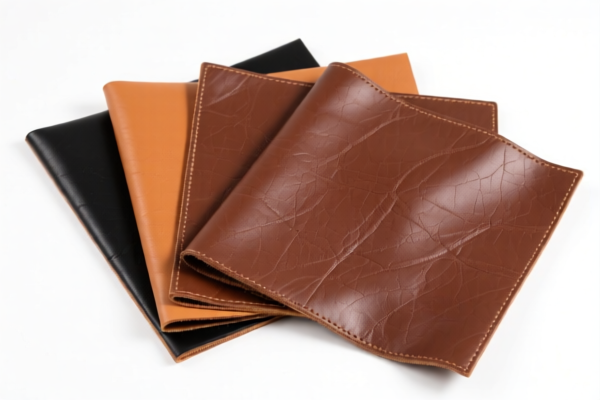
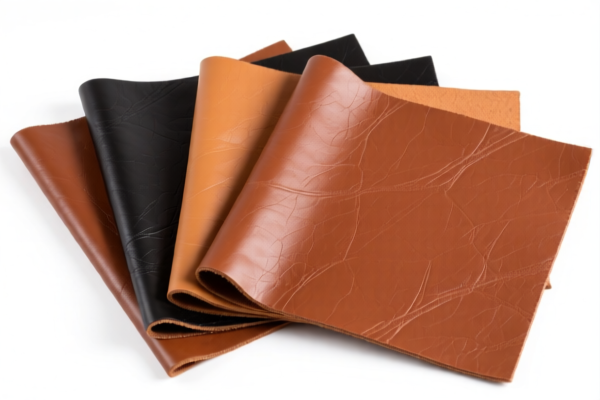
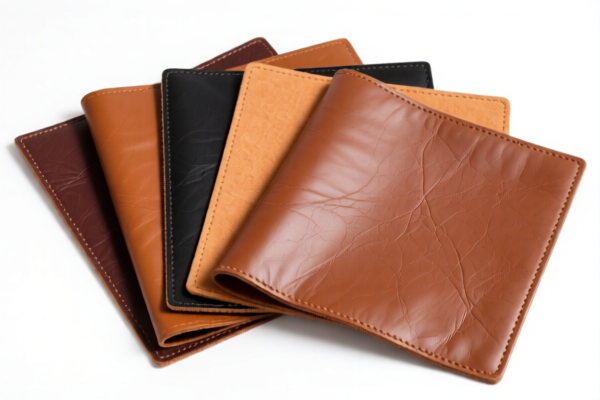
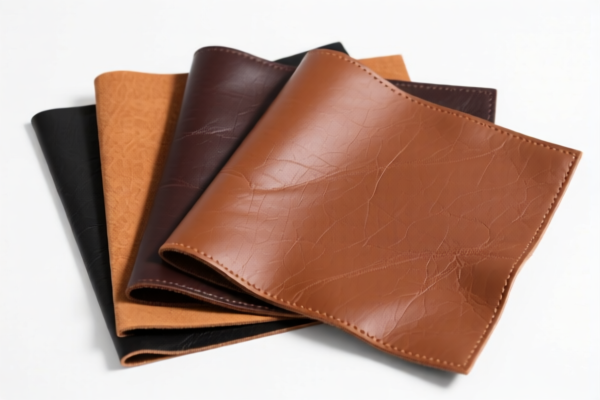
AI Analysis
🧥 Leather and Leather Composite Materials (Gloves, Accessories & Garments)
🌐 HS Code Reference & Customs Clearance Guide | 2026 Latest Tariff Analysis | Professional Compliance Strategy
📌 I. Product Definition and Classification: Do You Truly Understand "Leather"?
Leather and Leather Composite Materials are versatile commodities widely used in fashion (gloves, jackets), automotive interiors, and luggage. In international trade, classification is strictly dictated by function (finished garment vs. article) and material composition (natural vs. synthetic).
Key Distinctions:
- Leather Gloves/Apparel (4203): Finished articles specifically made for wearing (gloves, suits, belts). Higher Base Tariff.
- Leather Articles/Accessories (4205): Non-wearable leather items (gloves? No, usually straps, belts, cases) or general leather goods not specifically named elsewhere. Zero Base Tariff.
- Leather-Textile Blends (6113): If the item is a garment where leather is a secondary material or the fabric base is synthetic/non-cotton, it may fall under textile categories. Lowest Base Tariff.
⚠️ Critical Classification Point:
- If it is a wearable glove/jacket made primarily of leather → 4203
- If it is a non-wearable leather good (e.g., belt, strap, case) → 4205
- If it is a garment containing leather but classified as "other textile garments" (rare for pure leather, common for leather-textile mixes) → 6113
📦 II. HS Code Classification Details (2026 Latest Tariff Authority Match)
Based on the provided data for "Leather and Leather Composite Materials", here are the three potential HS Codes and their specific tax implications for imports into the USA from China.
| HS Code | Product Description | Material Match | Base Tariff | Total Tax Rate (US/CN) |
|---|---|---|---|---|
| 4203.10.40.85 | Leather or Composition Leather Articles (Gloves) | Natural or Synthetic Leather | 6.0% | 41.0% |
| 4205.00.80.00 | Other Leather Articles (Non-wearable goods like belts, straps) | Natural or Synthetic Leather | 0.0% | 35.0% |
| 6113.00.90.86 | Garments of Textile Materials Impregnated with Rubber/Plastic or Leather | Leather/Composite as part of textile garment | 7.1% | 24.6% |
🔍 Note:
- 4203.10.40.95 is also mentioned in the source data with identical tax details to 4203.10.40.85 (41.0% total). Both fall under "Leather Gloves, mittens and mitts." - The choice depends entirely on whether the item is a wearable glove (4203), a general leather article (4205), or a textile-based garment with leather (6113).
💰 III. 2026 Latest Tariff Rate Breakdown (Including Surtaxes & Policy Add-ons)
✅ Applicable Country: United States (US)
✅ Country of Origin: China (CN)
✅ Effective Date: 2025/2026 (Current Trade War Measures)
🎯 1. 4203.10.40.85 / 4203.10.40.95 —— Leather Gloves & Apparel
| Item | Content |
|---|---|
| Base Tariff | 6.0% (Standard MFN rate for leather gloves) |
| Section 301 Surcharge (25%) | +25.0% (USITC Footnote related to Chinese goods) |
| Section 122 Duty (10%) | +10.0% (Specific Chinese-origin surcharge) |
| Total Effective Rate | 41.0% |
| Calculation Basis | CIF Value × 41.0% |
| De Minimis Exemption | ❌ Not Eligible (High tariff rates disqualify this from $800 threshold exemptions in many practical scenarios, though technically dependent on specific de minimis laws, high duties usually trigger scrutiny). |
| Legal Authority Path | Base: 4203.10 → Section 301: 25% → Section 122: 10% |
📌 Explanation:
- This is the most common classification for leather gloves.
- The high base tariff (6%) combined with significant political surcharges (35% total add-on) makes this expensive.
- "Leather and Composite" matches perfectly here as these codes cover both natural and synthetic leather articles.
🎯 2. 4205.00.80.00 —— Other Leather Articles (Belts, Straps, Cases)
| Item | Content |
|---|---|
| Base Tariff | 0.0% (Most non-wearable leather goods have 0% base duty) |
| Section 301 Surcharge (25%) | +25.0% |
| Section 122 Duty (10%) | +10.0% |
| Total Effective Rate | 35.0% |
| Calculation Basis | CIF Value × 35.0% |
| De Minimis Exemption | ❌ Not Eligible |
| Legal Authority Path | Base: 4205.00 → Section 301: 25% → Section 122: 10% |
📌 Explanation:
- If your "Leather and Composite Materials" are used for belts, wallets, or straps (not gloves/jackets), this is the optimal code.
- You save 6% on the base tariff compared to gloves, though the surcharges remain the same.
- "Leather and Composite" matches perfectly as this code covers general leather articles.
🎯 3. 6113.00.90.86 —— Garments of Textile Materials (Leather-Textile Mix)
| Item | Content |
|---|---|
| Base Tariff | 7.1% |
| Section 301 Surcharge (7.5%) | +7.5% (Note: Lower 301 rate in this specific data set compared to others) |
| Section 122 Duty (10%) | +10.0% |
| Total Effective Rate | 24.6% |
| Calculation Basis | CIF Value × 24.6% |
| De Minimis Exemption | ❌ Not Eligible (Due to surcharges) |
| Legal Authority Path | Base: 6113.00 → Section 301: 7.5% → Section 122: 10% |
📌 Explanation:
- This code is only applicable if the item is a garment (e.g., a jacket) where the primary classification is textile, but it contains leather components or is made of "leather-textile composites."
- "Leather is non-cotton" and fits under "Other" textile categories.
- Risk: If the item is >50% leather by weight, customs may reject this and move it to 4203. Only use if the textile nature dominates.
🛠️ IV. Customs Clearance Practical Advice (Combat Pitfalls)
✅ 1. Documentation Checklist (Non-Negotiable)
| Document | Required? | Explanation |
|---|---|---|
| ✅ Product Composition Sheet | ✔️ | Must state % of Natural Leather vs. Synthetic/Composite. Critical for 4203 vs. 4205. |
| ✅ Product Photos (Clear) | ✔️ | Show stitching, lining, and hardware. Distinguish between "Glove" (4203) and "Belt" (4205). |
| ✅ Commercial Invoice | ✔️ | Must specify "Leather Goods" or "Textile Garments with Leather" accurately. |
| ✅ Material Test Report | ✔️ | To prove "Composite" nature if claiming 6113 (Textile base) vs 4203 (Leather base). |
| ✅ Packing List | ✔️ | Ensure HS Code is consistent across Invoice and Packing List. |
✅ 2. Declaration Strategy (Key Mnemonics)
🔥 "Gloves are 4203, Belts are 4205, Garments in Textile are 6113!"
| Scenario | Correct HS Code | Mistake to Avoid |
|---|---|---|
| Leather Gloves | 4203.10.40.xx |
Misdeclaring as "Accessories" (4205) → Customs may reclassify and penalize. |
| Leather Belt/Strap | 4205.00.80.00 |
Misdeclaring as "Gloves" (4203) → Higher base duty (6% vs 0%). |
| Leather-Jacket (Textile Back) | 6113.00.90.86 |
Only if textile is dominant. If it's all leather, use 4203. |
| Synthetic Leather Gloves | 4203.10.40.xx |
"Composite" counts as leather for 4203. Do not put in Textile chapter (61) unless truly textile-first. |
✅ 3. Special Case Handling
| Situation | Handling Advice |
|---|---|
| "Composite Leather" | Defined as layered material with a base fabric and a surface layer of leather or artificial leather. It falls under 4203 or 4205, NOT textile codes, unless the garment structure is explicitly textile-based. |
| OEM Custom Orders | Provide design specs showing it is a "Glove" vs "Accessories." |
| Mixed Containers | If shipping both gloves and belts, split the HS Codes. Do not lump them under one code to save time; this leads to customs audits. |
🌍 V. Global Market Comparison (2026 Latest)
| Country/Region | Recommended HS Code | Est. Total Tax (China Origin) | Key Requirement |
|---|---|---|---|
| 🇺🇸 USA | 4203 or 4205 |
35% - 41% | Strict Section 301 + 122 enforcement. |
| 🇨🇳 China | 4203 or 4205 |
Low (5-12%) | Standard import duties, no US surcharges. |
| 🇪🇺 EU | 4203 |
~12-15% | CE marking if functional, no 25% surcharge. |
| 🇬🇧 UK | 4203 |
~12-15% | Post-Brexit tariffs apply, no US-style surcharges. |
📌 Conclusion:
- The USA is the most expensive market for leather goods from China due to Section 301 (25%) and Section 122 (10%) tariffs.
- Total Tax Burden: 35% to 41%.
- Strategy: If possible, explore transshipment or origin switching (e.g., Vietnam, Mexico) to avoid US surcharges, though this requires careful supply chain verification.
📌 VI. Common Errors & Pitfalls (Lessons Learned)
❌ Error 1: Declaring Leather Gloves as General Leather Accessories (4205)
👉 Consequence: Customs will reclassify to 4203, charging the 6% base duty difference + penalties.
👉 Cost: +6% on CIF value + fines.
❌ Error 2: Declaring 100% Leather Jackets as Textile Garments (6113)
👉 Consequence: Customs will reject 6113 because it's not "textile material." May lead to rejection or forced classification to 4203/6202.
👉 Cost: Delays, storage fees, and potential re-filing costs.
❌ Error 3: Ignoring "Composite" definition
👉 Consequence: "Composite Leather" is still considered Leather for HS 4203/4205. Do not try to hide it as synthetic textile unless the base is truly textile-dominated.
✅ Correct Practice:
"Leather Gloves, Men's, Full Grain Leather, Size M, HS Code 4203.10.40.85"
"Leather Belt, Genuine Leather, Buckle Metal, HS Code 4205.00.80.00"
🎯 VII. Conclusion: Precision in Classification Saves Money!
🎯 Remember the Mantra:
🔹 "Gloves = 4203 (41%) | Belts = 4205 (35%) | Textile-Leather Mix = 6113 (24.6%)"
🔹 "Check the Base! 6% vs 0% makes a difference!"
🔹 "Don't mix Gloves and Belts in one line item!"
📌 Pro Tip:
For USA imports, the 35-41% tariff is a major cost driver.
- If you are shipping leather gloves, try to use 4205 if the item can be legally classified as an accessory (e.g., thick wristbands not designed for full finger wear).
- If it's a standard glove, accept the 41% rate or explore FTAA/Mexico/Vietnam sourcing to bypass Section 301.
📣 Immediate Action:
📞 Verify your product's primary function (Wearable vs. Accessory).
📞 Confirm material composition (>50% Leather vs. Textile).
📞 Apply for HS Code Pre-Ruling if value is high.
✨ Professional Customs Clearance Starts with Accurate Classification!
💼 Every 1% of tax savings adds to your bottom line!
Customer Reviews
About HS Code Classification
The Harmonized System (HS) is an internationally standardized nomenclature developed by the World Customs Organization (WCO) to classify traded products. Over 200 countries use the HS system as the basis for customs tariffs, trade statistics, and import/export regulations.
Each HS code follows a hierarchical structure:
- Chapter (2 digits) — Broad category of goods (e.g., Chapter 84: Machinery and Mechanical Appliances)
- Heading (4 digits) — More specific grouping within the chapter
- Subheading (6 digits) — Internationally standardized breakdown, used by all WCO member countries
- National subdivisions (8-10 digits) — Country-specific extensions for further classification, such as US HTSUS 10-digit codes
Correct HS code classification is essential for smooth customs clearance, accurate duty payment, and compliance with trade regulations. Misclassification can lead to customs delays, overpayment of duties, or penalties.
When importing from CN to US, the applicable tariff rates may include:
- Most-Favored-Nation (MFN) rate — The standard duty rate applied to WTO members
- General rate — Applied to countries without trade agreements
- Trade remedy duties — Additional tariffs such as Section 301 (anti-dumping), Section 232 (national security), or countervailing duties
The information provided on this page is for reference purposes only. For official classification, please consult with your local customs authority or a licensed customs broker.