Leather and Synthetic Leather
CN → US| HS Code | Tariff Rate | Origin | Destination | Doc |
|---|---|---|---|---|
| 6403593060 | 15.0% | CN | US | Official Doc |
| 6403999065 | 20.0% | CN | US | Official Doc |
| 4202110030 | 43.0% | CN | US | Official Doc |
| 4202213000 | 40.3% | CN | US | Official Doc |
| 4113906000 | 36.6% | CN | US | Official Doc |
| 4113903000 | 38.3% | CN | US | Official Doc |
Product Images
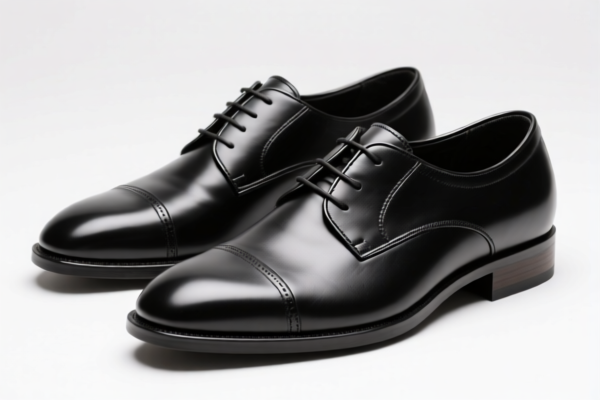
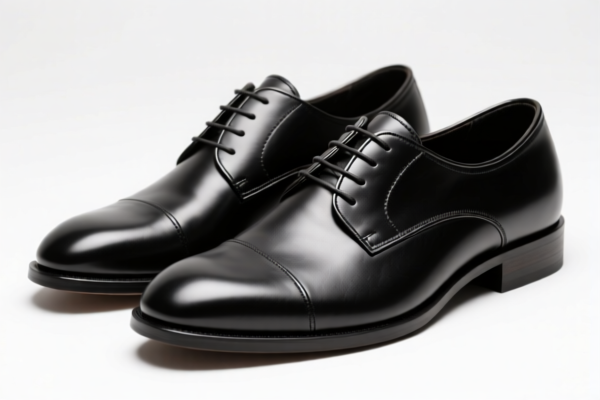


AI Analysis
👞 Leather & Synthetic Leather Goods | HS Codes, Tariffs & Clearance Strategy 2026
🌐 HS Code Reference & Customs Clearance Guide | Professional Compliance Strategy
📌 I. Product Definition & Classification: Understanding the Landscape
In international trade, "Leather and Synthetic Leather" encompasses two distinct categories: 1. Raw/Prepared Leather: Hides and skins, tanned, dressed, or further prepared (e.g., luggage materials, shoe uppers). 2. Finished Leather Goods: Products manufactured from leather or composition leather (e.g., handbags, briefcases, footwear).
⚠️ Key Distinction:
- If the item is raw material (e.g., a roll of tanned hide) → Classified under Chapter 41.
- If the item is a finished product (e.g., a bag, shoe, or wallet) → Classified under Chapter 42 (Accessories) or Chapter 64 (Footwear).
- "Synthetic Leather": In the HS Nomenclature, synthetic leather is often classified under Composition Leather (heading 4115/4203) or specific material chapters depending on the article, but for the purposes of the provided DATA, we focus on Leather/Composition Leather goods as specified in the headers.
📦 II. HS Code Classification Detail (Based on Provided DATA)
The following HS Codes are derived strictly from the provided <DATA> snippet. These codes cover prepared leather materials and specific finished leather goods.
| HS Code | Product Description | Key Attributes | Tax Rate (Total) |
|---|---|---|---|
| 4113.90.60.00 | Prepared Leather (Fancy) Other animals, no wool/hair, split or not. "Fancy" indicates decorative processing. |
- Tanned/Dressed - No hair/wool - Decorative/Fancy finish |
26.6% |
| 4113.90.30.00 | Prepared Leather (Not Fancy) Other animals, no wool/hair, split or not. "Not fancy" indicates standard/plain processing. |
- Tanned/Dressed - No hair/wool - Plain/Standard finish |
28.3% |
| 6403.59.30.60 | Leather Footwear (Women's Welt) Outer sole: Rubber/Plastic/Leather/Comp. Leather. Upper: Leather. |
- Women's footwear - Welt construction - Leather upper |
0.0% |
| 6403.99.90.65 | Leather Footwear (Women's Other) Outer sole: Rubber/Plastic/Leather/Comp. Leather. Upper: Leather. |
- Women's footwear - Not welted - Value >$2.50/pair |
0.0% |
| 4202.11.00.30 | Leather Luggage (Briefcases/Attache) Outer surface: Leather/Composition Leather. |
- Briefcases, satchels, occupational cases - Leather exterior |
0.0% |
| 4202.21.30.00 | Reptile Leather Handbags With or without handle. Outer surface: Reptile leather. |
- Handbags/Shoulder bags - Reptile Leather only |
0.0% |
🔍 Critical Observation:
- Raw/Prepared Leather (Ch 41) incurs high tariffs (26.6% - 28.3%).
- Finished Leather Goods (Ch 42 & 64) listed in the data often have 0% tariffs, potentially due to specific trade agreements, duty exemptions, or the specific subheadings provided (e.g., specific footwear or business luggage).
- Note on "Synthetic Leather": The provided data does not explicitly list pure synthetic codes (like 5903/6001) but refers to "Composition Leather" in headings 4202 and 4113. In customs, "Composition Leather" (reconstituted leather) is often treated similarly to natural leather in headings 41-42.
💰 III. Tariff Rate Breakdown (Detailed Analysis)
✅ Context: The tax details provided in
<DATA>indicate a Base Tariff and an Additional Tariff (likely Section 301/US Trade War duties for China-origin goods, given the ~25% addition).
🎯 1. Prepared Leather (Raw Materials) - High Risk Zone
A. Fancy Leather (4113.90.60.00)
- Base Tariff: 1.6%
- Additional Tariff: 25.0%
- Total Effective Rate: 26.6%
- Calculation: CIF Value × 26.6%
- Implication: Importing decorative tanned hides is expensive. Ensure the "Fancy" classification is accurate (e.g., embossed, colored, or textured). Plain leather is taxed higher.
B. Non-Fancy Leather (4113.90.30.00)
- Base Tariff: 3.3%
- Additional Tariff: 25.0%
- Total Effective Rate: 28.3%
- Calculation: CIF Value × 28.3%
- Implication: Standard tanned leather without decorative features incurs the highest rate in this dataset.
🎯 2. Finished Leather Goods - Low/Zero Duty Zone
A. Women’s Leather Footwear (6403.59.30.60 & 6403.99.90.65)
- Base Tariff: 0.0%
- Additional Tariff: 0.0%
- Total Effective Rate: 0.0%
- Implication: These specific women's leather shoes are duty-free in this context. Caution: This may not apply to all footwear (e.g., men's, sports, or other materials) and depends heavily on the "welt" construction and sole material.
B. Business Luggage (4202.11.00.30)
- Base Tariff: 0.0%
- Additional Tariff: 0.0%
- Total Effective Rate: 0.0%
- Implication: Attache cases and school satchels with leather exteriors are duty-free. Caution: Must be classified as "Briefcases/Briefcase-style." Fashion handbags may fall under different subheadings.
C. Reptile Leather Handbags (4202.21.30.00)
- Base Tariff: 0.0%
- Additional Tariff: 0.0%
- Total Effective Rate: 0.0%
- Implication: Luxury reptile leather bags enjoy 0% duty in this specific classification. Caution: Requires proof of reptile species (CITES compliance may be needed separately).
🛠️ IV. Customs Clearance Practical Advice
✅ 1. Documentation Checklist
| Document | Required For | Why? |
|---|---|---|
| Detailed Product Description | All | Must specify: Animal type, tanning process, split/no-split, fancy/non-fancy. |
| Material Composition Statement | All | Crucial to distinguish "Natural Leather," "Composition Leather," or "Reptile Leather." |
| CITES Certificate | Reptile Leather | If importing 4202.21.30.00 (Reptile), CITES permits are mandatory. |
| Technical Drawing/Photos | Footwear/Luggage | To prove "Welt" construction (6403...) or "Atta che/Briefcase" style (4202...). |
| Value Declaration | Footwear | For 6403.99.90.65, value >$2.50/pair is a condition. |
✅ 2. Common Pitfalls & Avoidance Strategies
| Pitfall | Risk | Solution |
|---|---|---|
| Misclassifying "Composition Leather" | Over/Under-tariffing | Ensure description matches HS definition. Composition leather is reconstituted leather, not fabric-backed synthetic. |
| Wrong Footwear Subheading | Paying 28% instead of 0% | Verify: Is it Women's? Is it Welt? Is the upper Leather? If any fail, it may move to a taxable category. |
| Ignoring "Fancy" vs. "Not Fancy" | 1.7% difference | "Fancy" implies decorative treatment. If in doubt, "Not Fancy" is safer but higher taxed; "Fancy" is lower taxed but requires proof of decoration. |
| Missing CITES for Reptile | Seizure/Fines | Reptile leather goods trigger CITES. Have permits ready before shipment. |
✅ 3. Strategic Classification Tips
- Leverage 0% Tariffs: If possible, structure your product to fit
4202.11.00.30(Briefcases) or specific women's footwear categories to enjoy 0% duty. - Avoid Raw Leather Imports: If you are manufacturing, importing finished goods (
4202/6403) is significantly cheaper due to 0% duty vs. ~27% on raw leather. - Reptile Leather Caution: While duty is 0%, regulatory compliance (CITES) is strict. Ensure your supplier has valid export permits.
📌 V. Conclusion
- Raw/Prepared Leather is heavily taxed (26.6%-28.3%). Avoid importing if you can import finished goods.
- Specific Finished Goods (Women's Welt Footwear, Briefcases, Reptile Handbags) enjoy 0% duty in this dataset.
- Accuracy is Key: Misclassifying a "Not Fancy" leather as "Fancy" can lead to penalty. Misclassifying a handbag as a briefcase can also lead to issues.
- Documentation: Always include material breakdowns and construction details (e.g., welted) in your commercial invoice.
🚀 Pro Tip: For high-volume imports, consider Advance Rulings from customs authorities to lock in the 0% duty rate for your specific product variants.
✨ Professional clearance starts with precise classification!
💼 Save costs by optimizing HS Codes!
Customer Reviews
About HS Code Classification
The Harmonized System (HS) is an internationally standardized nomenclature developed by the World Customs Organization (WCO) to classify traded products. Over 200 countries use the HS system as the basis for customs tariffs, trade statistics, and import/export regulations.
Each HS code follows a hierarchical structure:
- Chapter (2 digits) — Broad category of goods (e.g., Chapter 84: Machinery and Mechanical Appliances)
- Heading (4 digits) — More specific grouping within the chapter
- Subheading (6 digits) — Internationally standardized breakdown, used by all WCO member countries
- National subdivisions (8-10 digits) — Country-specific extensions for further classification, such as US HTSUS 10-digit codes
Correct HS code classification is essential for smooth customs clearance, accurate duty payment, and compliance with trade regulations. Misclassification can lead to customs delays, overpayment of duties, or penalties.
When importing from CN to US, the applicable tariff rates may include:
- Most-Favored-Nation (MFN) rate — The standard duty rate applied to WTO members
- General rate — Applied to countries without trade agreements
- Trade remedy duties — Additional tariffs such as Section 301 (anti-dumping), Section 232 (national security), or countervailing duties
The information provided on this page is for reference purposes only. For official classification, please consult with your local customs authority or a licensed customs broker.