Leather for Shoes
CN → US| HS Code | Tariff Rate | Origin | Destination | Doc |
|---|---|---|---|---|
| 6406102061 | 28.0% | CN | US | Official Doc |
| 4113103000 | 12.4% | CN | US | Official Doc |
| 4113903000 | 38.3% | CN | US | Official Doc |
| 6406107000 | 17.5% | CN | US | Official Doc |
| 6403513030 | 15.0% | CN | US | Official Doc |
Product Images
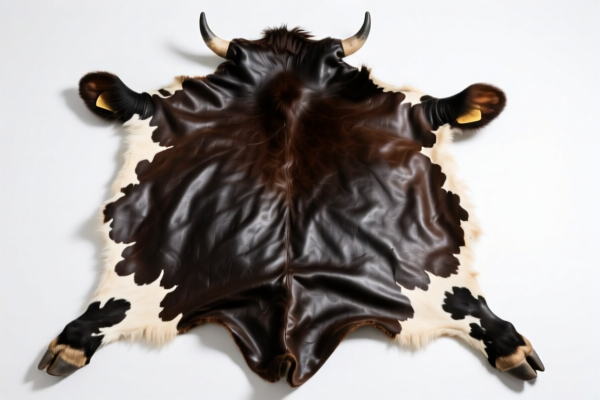
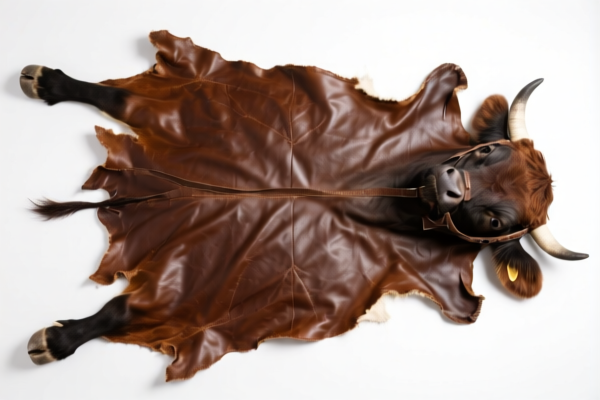
AI Analysis
🥿 Leather for Shoes: HS Code Classification & 2026 Customs Clearance Guide
🌐 HS Code Reference & Customs Strategy | 2026 Latest Tariff Breakdown | Professional Clearance Protocol
📌 I. Product Definition: Are You Declaring "Leather" or "Parts"?
"Leather for Shoes" is a generic term that creates significant classification risks. In international trade, the destination of your goods depends entirely on whether the leather is a raw material (hide/skin) or a finished component (upper/piece).
Two Critical Categories: 1. Raw/Processed Leather Hides/Skins: Tanned animal skins (goat, sheep, cow, etc.) intended for use in manufacturing shoes. These are classified under Chapter 41. 2. Shoe Parts (Uppers/Liners): Leather that has been cut, sewn, or shaped into specific shoe components (e.g., an upper panel ready for assembly). These are classified under Chapter 64.
⚠️ Key Distinction Point: - If the item is a hide, skin, or sheet (even if cut to size, but not shaped into a specific part of the shoe) → Chapter 41 - If the item is a shoe upper, lining, or piece specifically identifiable as a shoe part → Chapter 64
📦 II. HS Code Classification Details (2026 Latest Tariff Authority)
Based on the provided data, here are the four possible HS Codes for "Leather for Shoes," categorized by their physical form and material attributes.
| HS Code | Product Description | Application Scenario | Classification Logic |
|---|---|---|---|
4113.10.30.00 |
Shoe Upper/Lining Leather: Goat/Sheep Skin | Raw/Processed Goat or Young Sheep Skin | ✅ Raw Material (Chapter 41). Specifically for goat or young sheep leather. |
4113.90.30.00 |
Shoe Upper/Lining Leather: Other Animal Leather | Processed animal leather (non-wool/non-fur) | ✅ Raw Material (Chapter 41). For other animal leathers not specified elsewhere. |
6406.10.20.61 |
Shoe Parts: Leather Upper/Lining | Leather with >50% external surface area | ✅ Finished Part (Chapter 64). Specifically for uppers where external surface is >50% leather. |
6406.10.70.00 |
Shoe Parts: Shoe Upper/Part | Leather Upper/Part with >50% external surface | ✅ Finished Part (Chapter 64). Specifically for shoe uppers/parts with >50% leather surface. |
🔍 Critical Warning: - Misclassification Risk: Declaring a "Cut Shoe Upper" as "Raw Leather" (Chapter 41) may lead to duties of 38.3% or 28.0% depending on the specific sub-type, whereas misdeclaring "Raw Leather" as a "Part" might attract different duties. - Material Matters: For Chapter 41 codes, the type of animal (Goat vs. Other) determines the specific HS Code and tax rate.
💰 III. 2026 Latest Tariff Rate Breakdown (Including Surcharges)
✅ Applicable Country: United States (US)
✅ Origin: China (CN)
✅ Effective Date: Current 2026 Tariff Structure
🎯 1. 4113.10.30.00 – Goat/Young Sheep Leather (Raw Material)
| Item | Content |
|---|---|
| Base Duty | 2.4% (Ad Valorem) |
| Section 301 Surcharge | 0.0% |
| Section 122 Duty | 10.0% |
| Total Tax Rate | 12.4% |
| Calculation | CIF Value × 12.4% |
| De Minimis Exemption | ❌ Not Eligible |
| Legal Basis | Base Rate (2.4%) + Section 122 (10%) |
📌 Explanation: - This is the lowest tariff rate among the options provided. - Section 122 is a recent trade measure applied to certain leather products from China. - No Section 301 applies here, making this the most cost-effective classification for Goat/Sheep leather if declared as raw material.
🎯 2. 4113.90.30.00 – Other Animal Leather (Raw Material)
| Item | Content |
|---|---|
| Base Duty | 3.3% (Ad Valorem) |
| Section 301 Surcharge | 25.0% |
| Section 122 Duty | 10.0% |
| Total Tax Rate | 38.3% |
| Calculation | CIF Value × 38.3% |
| De Minimis Exemption | ❌ Not Eligible |
| Legal Basis | Base Rate (3.3%) + Section 301 (25%) + Section 122 (10%) |
📌 Explanation: - This applies to non-goat/non-young-sheep animal leathers (e.g., cowhide, pigskin, etc.). - High Tariff Alert: The 25% Section 301 surcharge significantly increases the cost. - Total 38.3% is the highest rate in the dataset. Proper identification of the animal source is critical to avoid overpaying or under-declaring.
🎯 3. 6406.10.20.61 – Shoe Parts (Upper/Lining, >50% Leather Surface)
| Item | Content |
|---|---|
| Base Duty | 10.5% (Ad Valorem) |
| Section 301 Surcharge | 7.5% |
| Section 122 Duty | 10.0% |
| Total Tax Rate | 28.0% |
| Calculation | CIF Value × 28.0% |
| De Minimis Exemption | ❌ Not Eligible |
| Legal Basis | Base Rate (10.5%) + Section 301 (7.5%) + Section 122 (10%) |
📌 Explanation: - Applies to shoe uppers/linings where the external surface is >50% leather. - Moderate tariff burden. The Section 301 surcharge is 7.5%, lower than the raw leather category for other animals. - Requires clear documentation that the item is a "Shoe Part" (e.g., pre-cut upper) rather than a "Sheet of Leather."
🎯 4. 6406.10.70.00 – Shoe Parts (Upper/Part, >50% Leather Surface)
| Item | Content |
|---|---|
| Base Duty | 0.0% (Ad Valorem) |
| Section 301 Surcharge | 7.5% |
| Section 122 Duty | 10.0% |
| Total Tax Rate | 17.5% |
| Calculation | CIF Value × 17.5% |
| De Minimis Exemption | ❌ Not Eligible |
| Legal Basis | Base Rate (0.0%) + Section 301 (7.5%) + Section 122 (10%) |
📌 Explanation: - Also applies to shoe uppers/parts with >50% leather surface. - Lowest Total Rate for Parts: At 17.5%, this is the most cost-effective classification for shoe parts (as opposed to raw hides). - Zero Base Duty: The base duty is 0%, with only the 7.5% Section 301 and 10% Section 122 applied.
🛠️ IV. Customs Clearance Practical Advice (Avoiding Pitfalls)
✅ 1. Required Documentation Checklist
| Document | Mandatory? | Notes |
|---|---|---|
| ✅ Product Description | ✔️ | Must specify: "Goat Skin Leather" vs. "Shoe Upper Part" |
| ✅ Material Composition | ✔️ | Explicitly state: "100% Leather" or "55% Leather/45% Synthetic" |
| ✅ Photos of Goods | ✔️ | Must show if it is a Hide/Skin (raw) or Shoe Part (cut/sewn) |
| ✅ Tanning Method | ✔️ | Chrome-tanned, Vegetable-tanned, etc. (Affects Chapter 41 classification) |
| ✅ Commercial Invoice | ✔️ | Must match HS Code exactly. Do not use generic "Leather" |
| ✅ Packing List | ✔️ | Ensure weight and dimensions align with the declared item |
✅ 2. Declaration Strategy (Key Rules)
🔥 "Raw or Part? Animal Source? Surface Area?"
| Scenario | Correct HS Code | Total Tax | Risk if Misdeclared |
|---|---|---|---|
| Goat/Young Sheep Hide/Skin | 4113.10.30.00 |
12.4% | Misclassifying as "Other Leather" (4113.90.30.00) → Pay 25.9% more tax! |
| Other Animal Hide/Skin | 4113.90.30.00 |
38.3% | Misclassifying as "Shoe Part" (6406.10.70.00) → Risk of penalty for false declaration |
| Shoe Upper (Part), >50% Leather | 6406.10.70.00 |
17.5% | Best option for finished parts. Avoids higher raw material tariffs. |
| Shoe Upper (Part), >50% Leather | 6406.10.20.61 |
28.0% | Specific sub-category. Use if required by customs for specific upper types. |
📌 Critical Tip: - If you are exporting pre-cut shoe uppers, declare them as Shoe Parts (Chapter 64). This often results in lower duties than declaring them as raw leather (especially if they are not goat/sheep). - If you are exporting raw hides/skins, you must specify the animal type (Goat vs. Other). Incorrect animal identification can lead to massive duty differences (12.4% vs. 38.3%).
✅ 3. Special Cases & Exemptions
| Scenario | Recommendation |
|---|---|
| Mixed Material Uppers | If <50% of the external surface is leather, it may not qualify for Chapter 64 leather-specific codes. Check if it falls under "Other Materials" (not in data). |
| Lining Leather | Ensure the description distinguishes between "Upper" and "Lining." Some codes may have different requirements. |
| Section 301 Exclusions | Check if the specific HS Code was excluded from Section 301 surcharges in 2026. (Current data shows 7.5% or 25% applied). |
| De Minimis (De Minimis) | ❌ Not Available. All these codes have Section 122 or Section 301 duties that override de minimis exemptions. |
🌍 V. Global Market Comparison (2026)
| Country | Recommended HS Code | Tax Rate | Notes |
|---|---|---|---|
| 🇺🇸 USA | 4113.10.30.00 (Goat) |
12.4% | Lowest rate for Goat/Sheep. |
| 🇺🇸 USA | 6406.10.70.00 (Part) |
17.5% | Best rate for Shoe Parts. |
| 🇪🇺 EU | Not in Data | Varies | EU typically has different leather duties; check local tariff. |
| 🇨🇳 China | Not in Data | Varies | Import duties apply; check for VAT/refunds. |
📌 Conclusion: - For USA imports, Goat/Sheep Leather (
4113.10.30.00) has the lowest tariff at 12.4%. - For Shoe Parts,6406.10.70.00is the most cost-effective at 17.5%. - Avoid4113.90.30.00(38.3%) unless you are specifically importing non-goat/non-young-sheep hides, and be prepared for the high cost.
📌 VI. Common Errors & Pitfalls (Lessons Learned)
❌ Error 1: Calling a "Shoe Upper" a "Sheet of Leather"
👉 Result: Customs may reclassify to Chapter 41, leading to higher duties or penalties if the animal type is misidentified.
❌ Error 2: Not specifying the Animal Type for Chapter 41
👉 Result: If you claim "Goat" but customs finds "Cow," you face a 25.9% tax increase (12.4% vs. 38.3%).
❌ Error 3: Ignoring Section 122 Duties
👉 Result: All listed codes include a 10% Section 122 duty. Failing to budget for this will cause cash flow issues.
❌ Error 4: Assuming De Minimis Applies
👉 Result: No de minimis exemption for these leather goods. Even small shipments are subject to full duties.
✅ Correct Practice:
"Goat Leather, Chrome-Tanned, for Shoe Manufacturing, HS 4113.10.30.00"
OR
"Shoe Upper, Leather, Pre-Cut, HS 6406.10.70.00"
🎯 VII. Conclusion: Precision Saves Money!
🎯 Remember the Rules:
🔹 "Goat/Sheep? 12.4% only. Other Animal? 38.3% pain. Shoe Part? 17.5% sweet."
🔹 "Raw or Part? Define it clearly. Animal source? Specify it today."
📌 Pro Tip: If you are shipping large volumes of leather, consider: 1. Pre-Ruling: Obtain a binding ruling from US Customs for your specific product. 2. Supply Chain Optimization: If possible, source Goat/Sheep leather or declare goods as Shoe Parts (if applicable) to minimize duty costs.
📣 Immediate Action:
📞 Consult a Customs Broker
📸 Provide Clear Photos of the product (Raw vs. Cut)
📝 Verify Animal Type and Surface Area
🚀 Optimize Your HS Code to save up to 25% in duties!
✨ Accurate Classification is the Key to Profitability!
💼 Every dollar saved in duty is pure profit!
Customer Reviews
About HS Code Classification
The Harmonized System (HS) is an internationally standardized nomenclature developed by the World Customs Organization (WCO) to classify traded products. Over 200 countries use the HS system as the basis for customs tariffs, trade statistics, and import/export regulations.
Each HS code follows a hierarchical structure:
- Chapter (2 digits) — Broad category of goods (e.g., Chapter 84: Machinery and Mechanical Appliances)
- Heading (4 digits) — More specific grouping within the chapter
- Subheading (6 digits) — Internationally standardized breakdown, used by all WCO member countries
- National subdivisions (8-10 digits) — Country-specific extensions for further classification, such as US HTSUS 10-digit codes
Correct HS code classification is essential for smooth customs clearance, accurate duty payment, and compliance with trade regulations. Misclassification can lead to customs delays, overpayment of duties, or penalties.
When importing from CN to US, the applicable tariff rates may include:
- Most-Favored-Nation (MFN) rate — The standard duty rate applied to WTO members
- General rate — Applied to countries without trade agreements
- Trade remedy duties — Additional tariffs such as Section 301 (anti-dumping), Section 232 (national security), or countervailing duties
The information provided on this page is for reference purposes only. For official classification, please consult with your local customs authority or a licensed customs broker.