Leather handbag with plastic outer layer
CN → US| HS Code | Tariff Rate | Origin | Destination | Doc |
|---|---|---|---|---|
| 4202219000 | 44.0% | CN | US | Official Doc |
| 4202216000 | 45.0% | CN | US | Official Doc |
| 4114207000 | 36.6% | CN | US | Official Doc |
| 4114204000 | 38.6% | CN | US | Official Doc |
| 4203290500 | 47.6% | CN | US | Official Doc |
Product Images
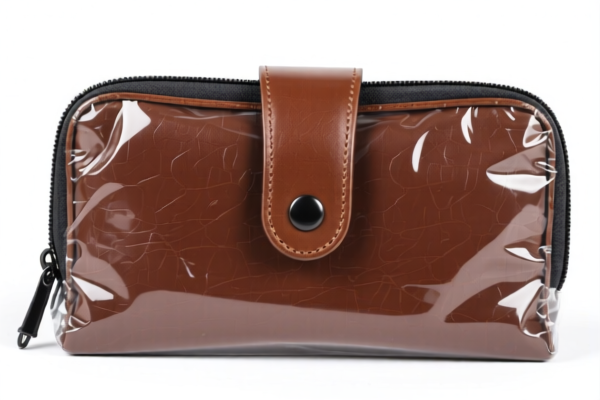
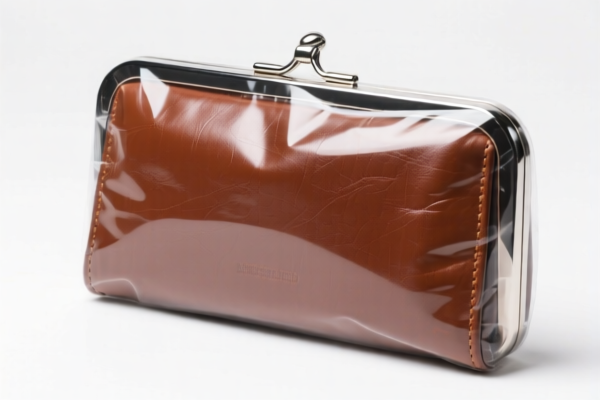
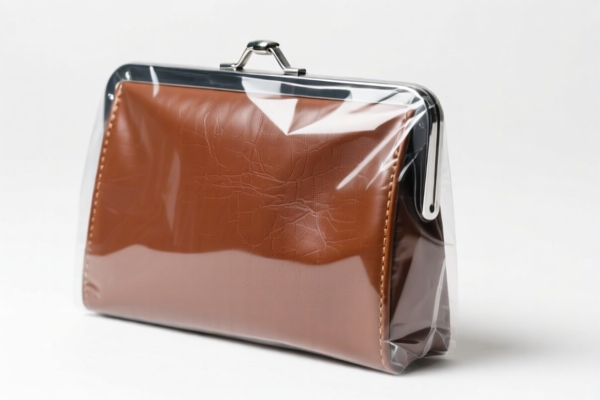
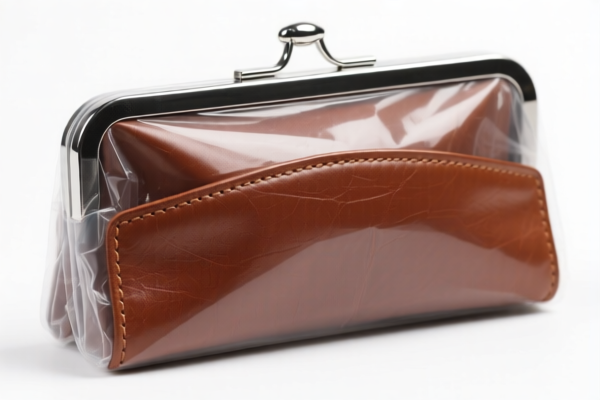
AI Analysis
👜 Leather Handbag with Plastic Outer Layer (Plastic-Coated Leather)
🌐 HS Code Reference & Customs Clearance Guide | 2026 Latest Tariff Analysis | Professional Clearance Strategy
📌 I. Product Definition & Classification: Do You Really Understand "Plastic-Coated Leather Bags"?
A leather handbag with a plastic outer layer refers to a handbag where the core material is leather, but the visible outer surface is coated, laminated, or treated with plastic (e.g., metallic finish, PVC coating, or PU layer). In international trade, this product sits at the intersection of Chapter 42 (Articles of Leather) and Chapter 41 (Leather), but its classification depends heavily on whether the "plastic" is considered part of the leather processing or a distinct material.
⚠️ Key Distinction:
- If the outer surface is metallicized leather (a specific type of treated leather), it falls under Chapter 42.
- If the material is broadly defined as metalized leather without specific structural constraints, it may fall under Chapter 41.
- If the bag is mistaken for a glove due to shape errors, it will be misclassified entirely (see4203.29.05.00).
📦 II. HS Code Classification Details (2026 Latest Tariff Authority)
Based on the provided data, here are the five possible HS Codes for this product, with detailed tax breakdowns.
| HS Code | Product Description | Total Tax Rate | Tax Detail Breakdown |
|---|---|---|---|
4202.21.90.00 |
Metalized Leather Handbag; Material is metalized leather, meeting the requirements of leather surface material. | 44.0% | Base: 9.0% + Section 301: 25.0% + Section 122: 10.0% |
4202.21.60.00 |
Metalized Leather Handbag; Material is metalized leather, meeting requirements for outer surface of leather or synthetic leather. | 45.0% | Base: 10.0% + Section 301: 25.0% + Section 122: 10.0% |
4114.20.70.00 |
Metalized Leather Handbag; Core material attribute is consistent with metalized leather. | 36.6% | Base: 1.6% + Section 301: 25.0% + Section 122: 10.0% |
4114.20.40.00 |
Metalized Leather Handbag; Fully meets metalized leather material requirements, classified as leather products. | 38.6% | Base: 3.6% + Section 301: 25.0% + Section 122: 10.0% |
4203.29.05.00 |
Leather Gloves; Matches shape and material, classified under leather category. | 47.6% | Base: 12.6% + Section 301: 25.0% + Section 122: 10.0% |
🔍 Critical Warning:
-4202.21.90.00/4202.21.60.00: These are the most likely correct classifications for a handbag (4202) made of leather (21) with a plastic/coated surface. The difference between.90and.60often lies in specific national sub-heading definitions regarding "synthetic leather" vs. "leather surface."
-4114.20.70.00/4114.20.40.00: These fall under Chapter 41 (Leather) rather than Chapter 42 (Articles). This is rare for a finished handbag but may apply if the product is classified as "prepared leather" rather than an article.
-4203.29.05.00: ABSOLUTELY WRONG for a handbag. This code is for leather gloves. Misclassification here is a severe error.
💰 III. 2026 Latest Tariff Rate Details (Including Surcharges & Policy Add-ons)
✅ Applicable Country: United States (US)
✅ Origin: China (CN)
✅ Effective Time: 2025+ (Including Section 301 & 122 additions)
🎯 1. 4202.21.90.00 – Metalized Leather Handbag (Specific Leather Surface Requirement)
| Item | Content |
|---|---|
| Base Tariff | 9.0% (ad valorem) |
| Section 301 Surcharge | +25.0% (USITC Footnote related to Chapter 42) |
| Section 122 Surcharge | +10.0% (China-specific trade remedy tariff) |
| Total Tax Rate | 44.0% |
| Tax Calculation | CIF Value × 44.0% |
| De Minimis Eligibility | ❌ No (Section 301 & 122 tariffs typically exclude de minimis) |
| Legal Pathway | IEEPA:9903.01.25 → USITC:4202.21.90.00 → FOOTNOTE:Section 301 |
📌 Explanation:
- Base 9.0%: Standard Most-Favored-Nation (MFN) rate for handbags of leather.
- 25.0%: Section 301 tariff for Chinese-origin goods in this HS code.
- 10.0%: Section 122 tariff, a specific penalty on certain Chinese imports.
- Total 44.0%: High tariff burden. Requires precise documentation to prove "leather surface" status.
🎯 2. 4202.21.60.00 – Metalized Leather Handbag (Outer Surface: Leather/Synthetic)
| Item | Content |
|---|---|
| Base Tariff | 10.0% |
| Section 301 Surcharge | +25.0% |
| Section 122 Surcharge | +10.0% |
| Total Tax Rate | 45.0% |
| Tax Calculation | CIF × 45.0% |
| De Minimis Eligibility | ❌ No |
| Legal Pathway | IEEPA:9903.01.24 → USITC:4202.21.60.00 → FOOTNOTE:Section 301 |
📌 Note:
- This code has a 1% higher base rate than.90.
- The distinction between.60and.90is often subtle and depends on national sub-heading definitions (e.g., whether the plastic layer is considered "synthetic" or a "metalized treatment").
- Total 45.0% is the highest likely rate for this product.
🎯 3. 4114.20.70.00 – Metalized Leather (Core Attribute Consistency)
| Item | Content |
|---|---|
| Base Tariff | 1.6% |
| Section 301 Surcharge | +25.0% |
| Section 122 Surcharge | +10.0% |
| Total Tax Rate | 36.6% |
| Tax Calculation | CIF × 36.6% |
| De Minimis Eligibility | ❌ No |
| Legal Pathway | IEEPA:9903.01.25 → USITC:4114.20.70.00 → FOOTNOTE:Section 301 |
📌 Explanation:
- Base 1.6%: Very low base rate for prepared leather (Chapter 41).
- Total 36.6%: Lowest total tax rate among the valid handbag options.
- Risk: If customs determines this is a finished article (handbag), not "prepared leather," this classification may be rejected.
🎯 4. 4114.20.40.00 – Metalized Leather (Fully Compliant with Leather Product Category)
| Item | Content |
|---|---|
| Base Tariff | 3.6% |
| Section 301 Surcharge | +25.0% |
| Section 122 Surcharge | +10.0% |
| Total Tax Rate | 38.6% |
| Tax Calculation | CIF × 38.6% |
| De Minimis Eligibility | ❌ No |
| Legal Pathway | IEEPA:9903.01.24 → USITC:4114.20.40.00 → FOOTNOTE:Section 301 |
📌 Note:
- A middle-ground option with a 3.6% base rate.
- Requires strong evidence that the product is classified under Chapter 41 (Leather) rather than Chapter 42 (Articles).
🎯 5. 4203.29.05.00 – MISCLASSIFICATION ALERT: Leather Gloves
| Item | Content |
|---|---|
| Base Tariff | 12.6% |
| Section 301 Surcharge | +25.0% |
| Section 122 Surcharge | +10.0% |
| Total Tax Rate | 47.6% |
| Tax Calculation | CIF × 47.6% |
| De Minimis Eligibility | ❌ No |
| Legal Pathway | IEEPA:9903.01.25 → USITC:4203.29.05.00 → FOOTNOTE:Section 301 |
📌 WARNING:
- This code is for gloves, not handbags.
- Never use this code for a handbag unless it is actually a glove-shaped accessory.
- Total 47.6% is the highest rate and carries a high risk of customs penalty for misdeclaration.
🛠️ IV. Customs Clearance Practical Advice (Real-World Pitfall Avoidance)
✅ 1. Required Documentation Checklist (Non-Negotiable)
| Document | Must Provide | Description |
|---|---|---|
| ✅ Product Specifications | ✔️ | Include material composition (e.g., "80% leather, 20% plastic coating"), dimensions, weight. |
| ✅ Material Certificate | ✔️ | Proof of "metalized leather" treatment process. |
| ✅ Product Photos | ✔️ | Clear images showing the outer surface (metalized/plastic layer) and interior (leather core). |
| ✅ Commercial Invoice | ✔️ | Describe as: "Metalized Leather Handbag, Plastic Outer Layer, Leather Core" |
| ✅ Packing List | ✔️ | List quantities, weights, and dimensions. |
| ✅ HS Code Pre-Ruling | ✔️ | Highly Recommended to avoid disputes between 4202 and 4114. |
✅ 2. Declaration Tips (Key Mantra)
🔥 "Surface Defines Code, Base Rate Varies, 301 & 122 Add 35%!"
| Scenario | Correct Declaration | Incorrect Practice |
|---|---|---|
| Metalized Leather Handbag | 4202.21.90.00 or 4202.21.60.00 |
Declaring as "Plastic Handbag" (Chapter 39) → Higher risk of audit |
| Core is Leather, Surface is Plastic | 4114.20.70.00 (if accepted) |
Declaring as "Gloves" (4203.29.05.00) → 47.6% tax + Penalty |
| Unclear Material | Provide lab test reports | Vague description "Leather Bag" → Delayed customs release |
| Section 122 Applicability | Always assume yes for China-origin | Assuming no surcharge → Underpayment of tax |
✅ 3. Special Cases Handling
| Situation | Handling Advice |
|---|---|
| OEM Custom Bags | Provide design drawings to prove "handbag" shape, not glove shape. |
| Mixed Materials | If plastic layer is >50% by weight, customs may challenge Chapter 42 classification. |
| Section 122 Exemptions | Check if your product is excluded from Section 122 (unlikely for handbags). |
| De Minimis (Section 321) | Not Applicable for Section 301/122 tariffs. Must file formal entry. |
🌍 V. Global Market Comparison (2026 Latest)
| Country/Region | Recommended HS Code | Tariff (China Origin) | Certification | Notes |
|---|---|---|---|---|
| 🇺🇸 USA | 4202.21.90.00 |
44.0% | None | High tariffs due to 301 & 122 |
| 🇨🇳 China | 4202.21.90.00 |
20% | None | Lower base rate, no 301 |
| 🇪🇺 EU | 4202.21.90.00 |
12% | REACH | No 301/122 surcharges |
| 🇦🇺 Australia | 4202.21.90.00 |
5% | None | No additional surcharges |
| 🇯🇵 Japan | 4202.21.90.00 |
8% | None | No additional surcharges |
📌 Conclusion:
- USA is the most expensive market for this product due to Section 301 (25%) and Section 122 (10%) tariffs.
- Total 44-45% vs. Base 9-10%.
- Consider supply chain diversification (e.g., Vietnam, Mexico) to mitigate US tariffs.
📌 VI. Common Mistakes & Pitfalls (Lessons Learned)
❌ Mistake 1: Declaring a handbag as 4203.29.05.00 (Gloves)
👉 Consequence: 47.6% tax + Misdeclaration Penalty + Seizure Risk
❌ Mistake 2: Ignoring Section 122 tariffs
👉 Consequence: Underpayment of 10% → Back taxes + Interest
❌ Mistake 3: Not distinguishing between 4202.21.90.00 and 4202.21.60.00
👉 Consequence: 1% base rate difference → Unnecessary tax loss
✅ Correct Practice:
"Metalized Leather Handbag, Outer Surface: Metalized Plastic-Coated Leather, Core: Leather, Model XYZ, Made in China"
🎯 VII. Conclusion: Professional Declaration, Cost Reduction!
🎯 Remember the Mantra:
🔹 "Surface Defines Chapter, Base Rate Varies, 301+122=35% Extra!"
🔹 "HS Code Determines Survival, 1% Difference Saves Thousands!"
📌 Pro Tip:
If your handbag is originally produced in Vietnam, Mexico, or Thailand, you may qualify for Section 301/122 exemptions.
Recommend applying for an Advance Ruling before shipment to confirm the exact HS Code (4202.21.90.00vs.4114.20.70.00).
📣 Immediate Action:
📞 Contact a professional customs broker + Provide product photos + Apply for HS Code Pre-Ruling
🚀 Ensure your handbags pass customs smoothly, reduce costs, and maximize profits!
✨ Professional clearance starts with accurate classification!
💼 Every penny of your cost deserves precise calculation!
Customer Reviews
About HS Code Classification
The Harmonized System (HS) is an internationally standardized nomenclature developed by the World Customs Organization (WCO) to classify traded products. Over 200 countries use the HS system as the basis for customs tariffs, trade statistics, and import/export regulations.
Each HS code follows a hierarchical structure:
- Chapter (2 digits) — Broad category of goods (e.g., Chapter 84: Machinery and Mechanical Appliances)
- Heading (4 digits) — More specific grouping within the chapter
- Subheading (6 digits) — Internationally standardized breakdown, used by all WCO member countries
- National subdivisions (8-10 digits) — Country-specific extensions for further classification, such as US HTSUS 10-digit codes
Correct HS code classification is essential for smooth customs clearance, accurate duty payment, and compliance with trade regulations. Misclassification can lead to customs delays, overpayment of duties, or penalties.
When importing from CN to US, the applicable tariff rates may include:
- Most-Favored-Nation (MFN) rate — The standard duty rate applied to WTO members
- General rate — Applied to countries without trade agreements
- Trade remedy duties — Additional tariffs such as Section 301 (anti-dumping), Section 232 (national security), or countervailing duties
The information provided on this page is for reference purposes only. For official classification, please consult with your local customs authority or a licensed customs broker.