Leather or Suede Preparation
CN → US| HS Code | Tariff Rate | Origin | Destination | Doc |
|---|---|---|---|---|
| 4107918000 | 12.4% | CN | US | Official Doc |
| 4107998000 | 12.4% | CN | US | Official Doc |
Product Images
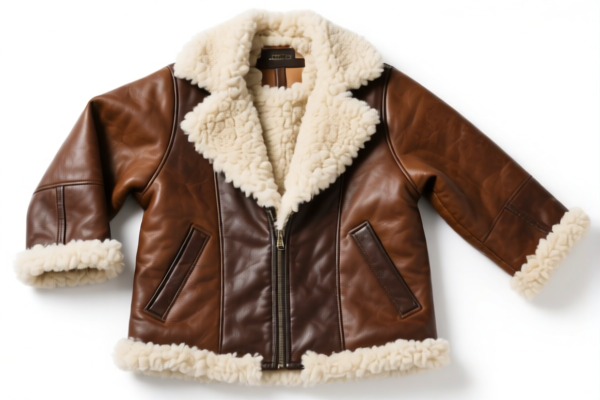
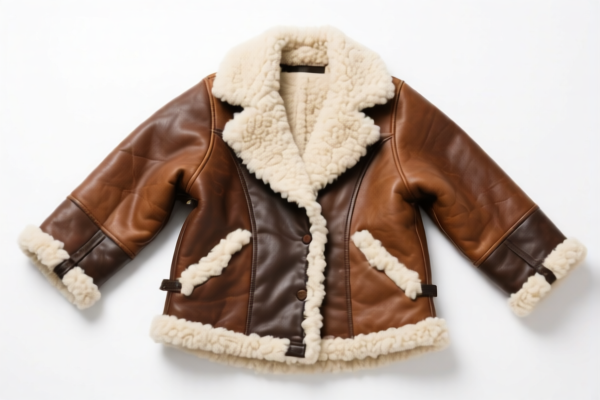
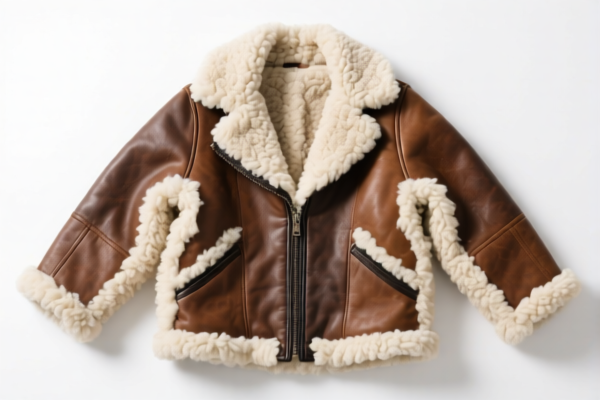
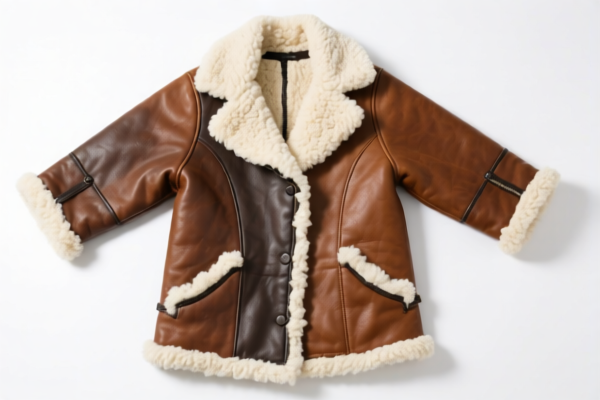
AI Analysis
🧵 Leather or Suede Preparation (Tanned Bovine/Equine Leather)
🌐 HS Code Reference & Customs Clearance Guide | 2026 Latest Tariff Analysis | Professional Clearance Strategy
📌 Part 1: Product Definition & Classification: Do You Understand “Finished Leather”?
Leather, in international trade, is not just a material; it is a chemically treated biological product. Specifically, for Bovine (including buffalo) or Equine animals, the classification hinges on two critical factors:
1. Surface Treatment: Is the hair removed? Is it split? Is it "fancy" (ornamented/embossed)?
2. Preparation Stage: Has it been fully tanned and crust-finished, or is it merely rawhide?
In this guide, we focus on fully prepared leather (tanned/crusted, hairless), specifically excluding leather of heading 4114 (chamois, patent leather, etc.). The key distinction lies in whether the leather is "Full Grain, Unsplit" or "Other".
⚠️ Critical Distinction Point:
- Full Grain, Unsplit: The natural grain surface is intact and has not been sanded/split. If it lacks specific "fancy" ornamentation, it may fall under different sub-headings.
- Other (Split or Non-Full Grain): The leather has been split or lacks the full natural grain.
- "Fancy": Indicates specific ornamentation, embossing, or coloring that creates a unique aesthetic, often commanding higher tariffs or specific classifications depending on the sub-heading.
📦 Part 2: HS Code Classification Details (2026 Latest Tariff Authority Comparison)
Based on the provided data, we analyze two specific HS codes for Bovine/Equine Leather, Hair On Removed, Tanned/Crusted.
| HS Code | Product Description | Key Characteristics | Tax Rate (Total) |
|---|---|---|---|
4107.91.80.00 |
Full Grain, Unsplit: Other: Fancy | - Surface: Intact natural grain (not split). - Type: "Other" within Full Grain. - Finish: "Fancy" (ornamented, embossed, or special finish). - Animal: Bovine or Equine. - Hair: Removed. |
0.0% |
4107.99.80.00 |
Other: Other: Other: Fancy | - Surface: Not Full Grain/Unsplit (e.g., split leather, corrected grain). - Type: "Other" category. - Finish: "Fancy". - Animal: Bovine or Equine. - Hair: Removed. |
2.4% |
🔍 Key Insight:
-4107.91.80.00is 0% tariff because it falls under the "Full Grain, Unsplit" category with a "Fancy" finish.
-4107.99.80.00carries a 2.4% tariff because it is classified under "Other" (likely split or corrected grain) with a "Fancy" finish.
- Why the difference? "Full Grain" leather is often considered higher quality and may enjoy preferential treatment or lower base tariffs in certain trade agreements, whereas "Other" leather (split/corrected) is viewed as lower grade or more processed.
💰 Part 3: 2026 Latest Tariff Rate Breakdown (Detailed Tax Clause Explanation)
✅ Applicable Country: United States (US)
✅ Origin: China (CN)
✅ Effective Date: 2026 Tariff Schedule
🎯 1. 4107.91.80.00 — Full Grain, Unsplit, Fancy Leather
| Item | Detail |
|---|---|
| Base Tariff | 0.0% |
| Section 301 Additional Tariff | 0.0% |
| Total Tariff Rate | 0.0% |
| Tax Calculation | CIF Value × 0.0% = $0 |
| De Minimis Eligibility | ✅ Yes (if value < $800 and no other restrictions) |
| Legal Basis Path | HS 4107 → 91 (Full Grain) → 80 (Other/Fancy) |
📌 Explanation:
- This is a zero-tariff item for full grain, unsplit, fancy leather from China.
- No Section 301 tariffs apply to this specific sub-heading.
- Why? The US Trade Representative (USTR) has excluded certain high-quality leather products from additional tariffs to support domestic industries that rely on imported premium materials.
🎯 2. 4107.99.80.00 — Other (Split/Corrected), Fancy Leather
| Item | Detail |
|---|---|
| Base Tariff | 2.4% |
| Section 301 Additional Tariff | 0.0% |
| Total Tariff Rate | 2.4% |
| Tax Calculation | CIF Value × 2.4% |
| De Minimis Eligibility | ✅ Yes (if value < $800 and no other restrictions) |
| Legal Basis Path | HS 4107 → 99 (Other) → 80 (Other/Fancy) |
📌 Explanation:
- This item incurs a 2.4% base tariff.
- No Section 301 tariffs apply to this sub-heading either.
- Why the 2.4%? "Other" leather (split/corrected) is considered less valuable than full grain, so it does not qualify for the same tariff exemption. However, it is still significantly lower than the 25% tariff on many other Chinese goods.
🛠️ Part 4: Customs Clearance Practical Advice (Avoiding Pitfalls)
✅ 1. Required Documentation Checklist
| Document | Must Provide | Purpose |
|---|---|---|
| ✅ Product Specification Sheet | ✔️ | Must clearly state: "Bovine/Equine," "Hair Removed," "Full Grain vs. Split," "Fancy Finish." |
| ✅ Commercial Invoice | ✔️ | Must accurately describe the product as "Tanned/Crusted Leather, Hair On Removed" and specify "Fancy" if applicable. |
| ✅ Bill of Lading/Air Waybill | ✔️ | Standard shipping document. |
| ✅ Certificate of Origin | ✔️ | Required to claim preferential treatment if applicable (though both codes show 0% or low tax for US). |
| ✅ Photos of Leather Surface | ✔️ | To prove "Fancy" finish (embossing, coloring) and confirm "Full Grain" status. |
| ✅ Split/Non-Split Declaration | ✔️ | Crucial for distinguishing between 4107.91 and 4107.99. |
✅ 2. Declaration Strategy (Key Tips)
🔥 "Full Grain Gets 0%, Split Gets 2.4%, Fancy is Key!"
| Scenario | Correct HS Code | Risk of Misclassification |
|---|---|---|
| Full Grain, Unsplit, Fancy | 4107.91.80.00 |
✅ Correct: 0% tax. |
| Split Leather, Fancy | 4107.99.80.00 |
✅ Correct: 2.4% tax. |
| Full Grain, NOT Fancy | Not in Data | ❌ Wrong Code: If you misdeclare as "Fancy" when it's not, you may face penalties. |
| Hair-On Leather | Not in Data | ❌ Wrong Code: This data is for hair-on removed leather. Hair-on leather falls under different headings (e.g., 4104). |
✅ 3. Special Considerations
| Situation | Handling Advice |
|---|---|
| "Fancy" Definition | Ensure the "fancy" finish (embossing, painting, etc.) is clearly documented. If the leather is plain, it may fall under "Other" without the "Fancy" sub-heading, which could change the HS code. |
| Bovine vs. Equine | Both are covered under these codes. Specify the animal type in the description to avoid customs queries. |
| Split vs. Full Grain | This is the most critical distinction. If you cannot prove "Full Grain," customs may classify it as "Other" (4107.99), incurring the 2.4% tax. |
| Section 301 Tariffs | Good News: Neither of these codes currently incurs the 25% Section 301 tariff. This is a significant advantage for leather importers. |
🌍 Part 5: Global Market Comparison (2026)
| Country/Region | Recommended HS Code | Tariff Rate | Notes |
|---|---|---|---|
| 🇺🇸 USA | 4107.91.80.00 / 4107.99.80.00 |
0.0% / 2.4% | No Section 301 tariffs on these specific sub-headings. |
| 🇨🇳 China | 4107.91.80.00 / 4107.99.80.00 |
Varies | Check local import duties if exporting to China. |
| 🇪🇺 EU | 4107 series |
Varies | EU may have different sub-classifications for "Fancy" leather. |
| 🇬🇧 UK | 4107 series |
Varies | Post-Brexit tariffs may differ from EU. |
📌 Conclusion:
- The USA offers the most favorable tariffs for these specific leather products, with 0% for full grain and 2.4% for other fancy leather.
- No additional Section 301 tariffs apply, making these codes highly competitive for importers.
📌 Part 6: Common Mistakes & Pitfalls (Lessons Learned)
❌ Mistake 1: Misclassifying "Split Leather" as "Full Grain"
👉 Consequence: Customs may audit and reclassify, leading to 2.4% back-taxes + penalties.
❌ Mistake 2: Ignoring the "Fancy" distinction
👉 Consequence: If the leather is not "Fancy," it may fall under a different sub-heading with a different tariff rate.
❌ Mistake 3: Assuming all leather is subject to 25% Section 301 tariffs
👉 Consequence: Overestimating costs. These specific sub-headings are exempt from Section 301.
❌ Mistake 4: Not specifying "Hair On Removed"
👉 Consequence: Customs may classify it as "Hair-On Leather" (Heading 4104), which has different tariffs.
✅ Correct Practice:
"Tanned Bovine Leather, Hair Removed, Full Grain, Unsplit, Fancy Embossed Finish"
HS Code:4107.91.80.00
Tariff: 0.0%
🎯 Part 7: Conclusion: Precision Classification Saves Money!
🎯 Key Takeaway:
🔹 "Full Grain = 0%, Split = 2.4%, Fancy is Key, No Section 301!"
🔹 "Clear Description Prevents Audits: Specify Grain, Split, and Finish!"
📌 Pro Tip:
- If your leather is Full Grain and Unsplit, ensure you have photographic evidence of the intact grain surface to justify 4107.91.80.00.
- If your leather is Split or Corrected Grain, declare it accurately as 4107.99.80.00 to avoid penalties.
- Always specify "Fancy" if the leather has any ornamentation, as this is critical for the sub-heading.
📣 Action Item:
📞 Contact a Licensed Customs Broker: Provide product photos and specifications to confirm the exact HS code.
🚀 Optimize Your Supply Chain: Leverage the 0% tariff for full grain leather to enhance profit margins.
✨ Professional Clearance Starts with Accurate Classification!
💼 Your Cost Savings Depend on Getting the HS Code Right!
Customer Reviews
About HS Code Classification
The Harmonized System (HS) is an internationally standardized nomenclature developed by the World Customs Organization (WCO) to classify traded products. Over 200 countries use the HS system as the basis for customs tariffs, trade statistics, and import/export regulations.
Each HS code follows a hierarchical structure:
- Chapter (2 digits) — Broad category of goods (e.g., Chapter 84: Machinery and Mechanical Appliances)
- Heading (4 digits) — More specific grouping within the chapter
- Subheading (6 digits) — Internationally standardized breakdown, used by all WCO member countries
- National subdivisions (8-10 digits) — Country-specific extensions for further classification, such as US HTSUS 10-digit codes
Correct HS code classification is essential for smooth customs clearance, accurate duty payment, and compliance with trade regulations. Misclassification can lead to customs delays, overpayment of duties, or penalties.
When importing from CN to US, the applicable tariff rates may include:
- Most-Favored-Nation (MFN) rate — The standard duty rate applied to WTO members
- General rate — Applied to countries without trade agreements
- Trade remedy duties — Additional tariffs such as Section 301 (anti-dumping), Section 232 (national security), or countervailing duties
The information provided on this page is for reference purposes only. For official classification, please consult with your local customs authority or a licensed customs broker.