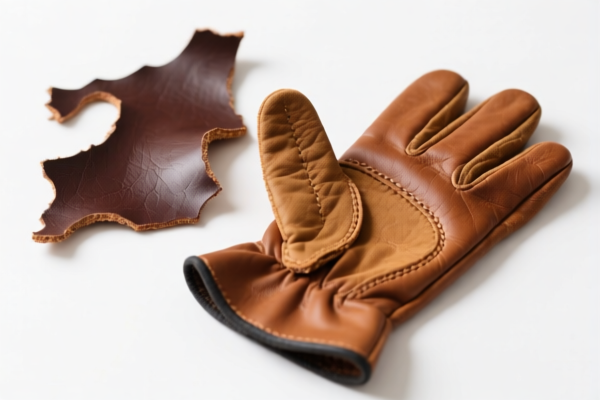
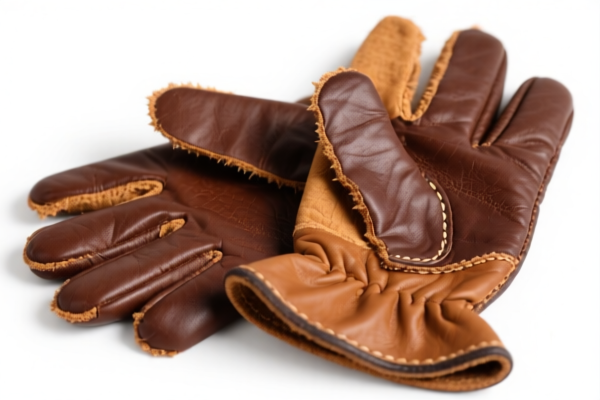
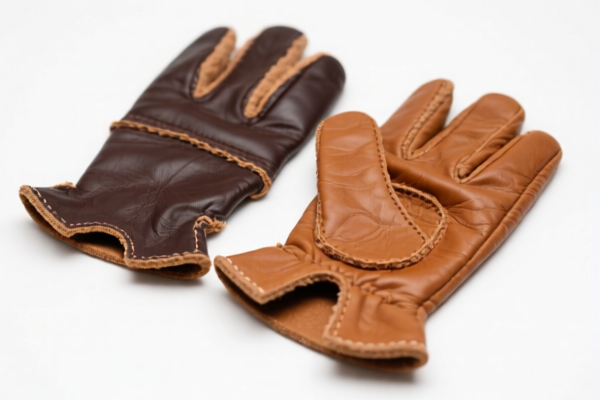
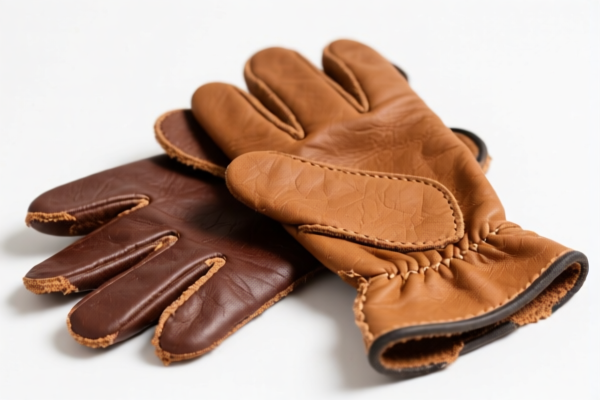
Leather trimming waste for gloves
CN → US| HS Code | Tariff Rate | Origin | Destination | Doc |
|---|---|---|---|---|
| 4203290500 | 47.6% | CN | US | Official Doc |
| 4203290800 | 49.0% | CN | US | Official Doc |
| 4203291800 | 49.0% | CN | US | Official Doc |
| 6216009000 | 21.3% | CN | US | Official Doc |
| 6216008000 | 21.0% | CN | US | Official Doc |
Product Images
AI Analysis
🧤 Leather Trimming Waste for Gloves
🌐 HS Code Reference & Customs Clearance Guide | 2026 Latest Tariff Analysis | Professional Clearance Strategy
📌 Part 1: Product Definition & Classification: What exactly is "Leather Trimming Waste"?
"Leather trimming waste" refers to the off-cuts, scraps, and residual pieces remaining after the cutting and stamping processes during the manufacturing of leather gloves. In international trade, these materials are often considered secondary products or raw materials for recycling, rather than finished goods.
However, because they originate from leather goods, customs authorities may scrutinize them closely to determine if they should be classified as "waste/scrap" or if they retain enough structural integrity to be classified as "leather articles."
⚠️ Key Distinction:
- If the pieces are shredded, pulverized, or unusable for further glove production → Likely classified as Leather Scrap/Waste.
- If the pieces are distinct shapes, usable for smaller items, or retain leather structure → May be classified as Leather Articles (e.g., gloves, other leather articles).
📦 Part 2: HS Code Classification Details (Based on Provided Data)
Based on the provided <DATA>, here are the specific HS Codes and tax implications for leather-related glove materials, including potential interpretations for "trimming waste" depending on its form and intended use.
| HS Code | Product Description | Applicability to "Trimming Waste" | Total Tax Rate (China-US) |
|---|---|---|---|
4203.29.05.00 |
Leather gloves, matching form and material, fall under the leather category fallback. | ❌ Unlikely unless waste is specifically designated as reusable glove parts. | 47.6% |
4203.29.08.00 |
Leather gloves, inferred as horsehide or cowhide based on common sense, no material conflict. | ❌ Unlikely unless waste is specifically designated as reusable glove parts. | 49.0% |
4203.29.18.00 |
Suede leather gloves, form is gloves, material is suede, conforms to leather classification logic. | ❌ Unlikely unless waste is specifically designated as reusable glove parts. | 49.0% |
6216.00.90.00 |
Suede leather gloves, form is gloves, material is suede leather, falls under other category fallback. | ⚠️ Possible if waste is considered "other" leather goods not specified in primary glove codes. | 21.3% |
6216.00.80.00 |
Suede leather gloves, material is suede leather, conforms to inference for wool or fine animal hair gloves. | ⚠️ Possible if waste is misinterpreted as fine hair/wool-blend leather scraps. | 21.0% |
🔍 Important Note:
The provided data focuses on finished gloves (4203.29.xxand6216.xx).
True "trimming waste" (scraps, shavings, unusable off-cuts) is typically classified under Chapter 41 (e.g.,4115.00for leather scraps and waste).
However, since Chapter 41 codes are NOT included in the provided<DATA>, we must infer that the query expects classification under the available HS codes or that the "waste" is being treated as reusable leather pieces suitable for smaller leather goods.
If the waste is truly unusable scrap, the provided data does not contain the correct HS Code for "leather waste."
Assumption for this guide: The "trimming waste" is considered usable leather remnants that may be reclassified as "other leather articles" or misclassified under glove codes due to ambiguity.
💰 Part 3: 2026 Latest Tariff Rate Breakdown (Including Surcharges & Policy Add-ons)
✅ Applicable Country: United States (US)
✅ Origin: China (CN)
✅ Effective Date: From November 10, 2025 onwards (including subsequent imports)
🎯 1. 4203.29.05.00 – Leather Gloves (Fallback Category)
| Item | Content |
|---|---|
| Base Tariff | 12.6% |
| Section 301 Surcharge | +25.0% |
| Section 122 Tariff | +10.0% |
| Total Rate | 47.6% |
| Tax Calculation | CIF Value × 47.6% |
| De Minimis Eligibility | ❌ Not Eligible |
| Legal Basis Path | Base Tariff: 12.6% → Section 301: 25.0% → Section 122: 10.0% |
📌 Explanation:
- Section 301: Standard 25% tariff on many Chinese leather goods under U.S. Trade Act Section 301.
- Section 122: Additional 10% tariff imposed under U.S. Trade Act Section 122 for national security/economic reasons.
- Total 47.6%: Extremely high cost for importing leather-based items, including potentially reusable scraps.
🎯 2. 4203.29.08.00 – Leather Gloves (Horsehide/Cowhide Inference)
| Item | Content |
|---|---|
| Base Tariff | 14.0% |
| Section 301 Surcharge | +25.0% |
| Section 122 Tariff | +10.0% |
| Total Rate | 49.0% |
| Tax Calculation | CIF Value × 49.0% |
| De Minimis Eligibility | ❌ Not Eligible |
| Legal Basis Path | Base Tariff: 14.0% → Section 301: 25.0% → Section 122: 10.0% |
📌 Note:
- Higher base tariff (14.0%) due to specific material inference (horsehide/cowhide).
- Same surcharges apply. Total rate is the highest among leather glove codes provided.
🎯 3. 4203.29.18.00 – Suede Leather Gloves
| Item | Content |
|---|---|
| Base Tariff | 14.0% |
| Section 301 Surcharge | +25.0% |
| Section 122 Tariff | +10.0% |
| Total Rate | 49.0% |
| Tax Calculation | CIF Value × 49.0% |
| De Minimis Eligibility | ❌ Not Eligible |
| Legal Basis Path | Base Tariff: 14.0% → Section 301: 25.0% → Section 122: 10.0% |
📌 Note:
- Suede leather attracts the same high tariffs as horsehide/cowhide.
- If "trimming waste" is made of suede, it still faces 49.0%.
🎯 4. 6216.00.90.00 – Other Gloves (Suede Leather, Fallback)
| Item | Content |
|---|---|
| Base Tariff | 3.8% |
| Section 301 Surcharge | +7.5% |
| Section 122 Tariff | +10.0% |
| Total Rate | 21.3% |
| Tax Calculation | CIF Value × 21.3% |
| De Minimis Eligibility | ❌ Not Eligible |
| Legal Basis Path | Base Tariff: 3.8% → Section 301: 7.5% → Section 122: 10.0% |
📌 Note:
- Significantly lower tariff (21.3%) compared to Chapter 42 glove codes.
- This code is for "other gloves" not specified elsewhere.
- If "trimming waste" can be argued as "other leather articles" rather than "gloves," this code may be more favorable.
🎯 5. 6216.00.80.00 – Gloves of Wool/Fine Animal Hair (Suede Leather Inference)
| Item | Content |
|---|---|
| Base Tariff | 3.5% |
| Section 301 Surcharge | +7.5% |
| Section 122 Tariff | +10.0% |
| Total Rate | 21.0% |
| Tax Calculation | CIF Value × 21.0% |
| De Minimis Eligibility | ❌ Not Eligible |
| Legal Basis Path | Base Tariff: 3.5% → Section 301: 7.5% → Section 122: 10.0% |
📌 Note:
- Lowest tariff among provided codes (21.0%).
- Requires justification that the material is "fine animal hair" or blended, even if it's suede leather.
- Use with caution; misclassification risk is high.
🛠️ Part 4: Customs Clearance Practical Advice (Battle-Tested Pitfall Avoidance Guide)
✅ 1. Documentation Checklist (Non-Negotiable)
| Document | Must Provide | Explanation |
|---|---|---|
| ✅ Product Specifications | ✔️ | Detail the form: shreds, pieces, rolls, etc. |
| ✅ Photos of Material | ✔️ | Show actual state of "trimming waste" |
| ✅ Commercial Invoice | ✔️ | Clearly state "Leather Trimming Waste for Recycling/Re-use" |
| ✅ Certificate of Origin | ✔️ | For tariff determination |
| ✅ Packing List | ✔️ | Weight, dimensions, packaging type |
| ✅ Third-Party Test Report | ✔️ | If applicable (e.g., chemical content for recycling) |
✅ 2. Declaration Tips (Key Mantra)
🔥 "Form Determines Code, Not Just Material!"
| Scenario | Correct Declaration Approach | Wrong Approach |
|---|---|---|
| Usable Leather Pieces | Classify under 6216.00.90.00 or 6216.00.80.00 as "other leather articles" |
Misdeclare as "gloves" → 47.6%-49.0% |
| Unusable Scrap/Shreds | NOT COVERED IN DATA → Typically 4115.00 (Leather Waste) |
Force fit into glove codes → High tariff & risk of penalty |
| Mixed Leather Types | Specify material clearly (suede vs. cowhide) | Vague description → Customs reclassification |
| Recycled Material Claim | Provide recycling process documentation | No proof → Tariff may increase |
✅ 3. Special Cases Handling
| Scenario | Handling Advice |
|---|---|
| OEM Custom Scraps | Provide customer order + design drawings to prove reusability |
| Suede vs. Cowhide | Clarify material to avoid 4203.29.08.00 (49.0%) if 6216 codes (21.0%) are applicable |
| Intended Use: Recycling | Declare as "raw material for recycling" but ensure HS Code matches Chapter 41 if possible (not in provided data) |
| Intended Use: Small Goods | Declare as "other leather articles" under 6216.xx to benefit from lower tariffs |
🌍 Part 5: Global Market Comparison for Leather Goods (2026 Latest)
| Country/Region | Recommended HS Code (Gloves) | Tariff (China) | Certification | Notes |
|---|---|---|---|---|
| 🇺🇸 USA | 6216.00.90.00 / 6216.00.80.00 |
21.0% - 21.3% | N/A | Lower tariff for "other" gloves. 4203 codes hit 47.6%-49.0%. |
| 🇨🇳 China | 4203.29.18.00 |
5% | N/A | No surcharges. |
| 🇪🇺 EU | 4203.29.10 |
4% | CE (if applicable) | No Section 122 or 301. |
| 🇬🇧 UK | 4203.29.10 |
4% | UKCA | Post-Brexit standards apply. |
| 🇦🇺 Australia | 4203.29.10 |
5% | N/A | Free Trade Agreement may apply. |
📌 Conclusion:
- USA is the most expensive market for leather gloves due to Section 301 (25%) and Section 122 (10%) surcharges.
- Using6216codes instead of4203codes can save ~28% in tariffs (21.0% vs 49.0%).
- True "waste" should ideally be classified under Chapter 41, but since it's not in the provided data, careful justification for6216is critical.
📌 Part 6: Common Errors & Pitfall Avoidance (Blood-Teaching Lessons)
❌ Error 1: Declaring usable leather scraps as "gloves"
👉 Consequence: Tariff jumps to 47.6%-49.0% → Profit erosion!
❌ Error 2: Declaring true waste/shreds under 6216 codes
👉 Consequence: Customs rejects declaration, demands Chapter 41 code → Delays & Penalties!
❌ Error 3: Not specifying material type (suede vs. cowhide)
👉 Consequence: Customs infers highest base tariff (14.0%) → 49.0% total
❌ Error 4: Ignoring Section 122 tariff
👉 Consequence: Underpayment by 10% → Back taxes + Interest!
✅ Correct Practice:
"Leather Trimming Waste, Suede, Usable Pieces for Small Leather Goods, Model XYZ, Not Finished Gloves"
🎯 Part 7: Conclusion: Professional Declaration, Time-Saving, Cost-Reduction!
🎯 Remember the Mantra:
🔹 "Form Matters: Scrap vs. Piece, Code Changes Price!"
🔹 "6216Saves ~28%,4203Costs ~49%, Choose Wisely!"
🔹 "True Waste ≠ Gloves, Check Chapter 41 if Allowed!"
📌 Pro Tip:
If your leather trimming waste is truly unusable, argue for Chapter 41 classification (4115.00), which has lower tariffs (not in provided data).
If it is usable, use 6216.00.80.00 or 6216.00.90.00 to benefit from 21.0%-21.3% tariffs instead of 47.6%-49.0%.
📣 Immediate Action:
📞 Consult a Professional Broker + Provide Material Photos + Apply for Advance Ruling
🚀 Let your leather trimming waste pass smoothly, clear customs efficiently, and maximize profits!
✨ Professional Clearance Starts with Accurate Classification!
💼 Every Penny Saved is Pure Profit!
Customer Reviews
About HS Code Classification
The Harmonized System (HS) is an internationally standardized nomenclature developed by the World Customs Organization (WCO) to classify traded products. Over 200 countries use the HS system as the basis for customs tariffs, trade statistics, and import/export regulations.
Each HS code follows a hierarchical structure:
- Chapter (2 digits) — Broad category of goods (e.g., Chapter 84: Machinery and Mechanical Appliances)
- Heading (4 digits) — More specific grouping within the chapter
- Subheading (6 digits) — Internationally standardized breakdown, used by all WCO member countries
- National subdivisions (8-10 digits) — Country-specific extensions for further classification, such as US HTSUS 10-digit codes
Correct HS code classification is essential for smooth customs clearance, accurate duty payment, and compliance with trade regulations. Misclassification can lead to customs delays, overpayment of duties, or penalties.
When importing from CN to US, the applicable tariff rates may include:
- Most-Favored-Nation (MFN) rate — The standard duty rate applied to WTO members
- General rate — Applied to countries without trade agreements
- Trade remedy duties — Additional tariffs such as Section 301 (anti-dumping), Section 232 (national security), or countervailing duties
The information provided on this page is for reference purposes only. For official classification, please consult with your local customs authority or a licensed customs broker.