Leather waste for clothing
CN → US| HS Code | Tariff Rate | Origin | Destination | Doc |
|---|---|---|---|---|
| 6309000020 | 17.5% | CN | US | Official Doc |
| 6309000010 | 17.5% | CN | US | Official Doc |
| 4115200000 | 17.5% | CN | US | Official Doc |
| 4115100000 | 35.0% | CN | US | Official Doc |
| 4203104085 | 41.0% | CN | US | Official Doc |
Product Images
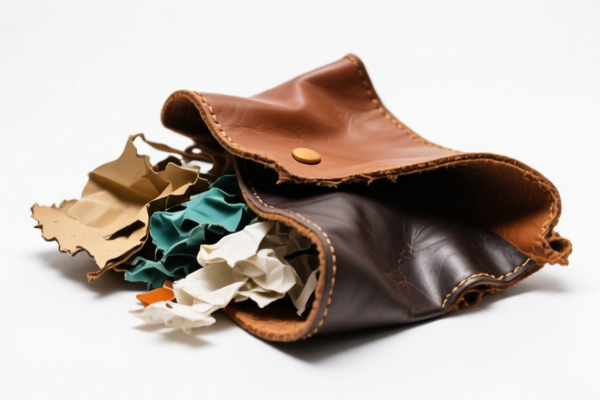
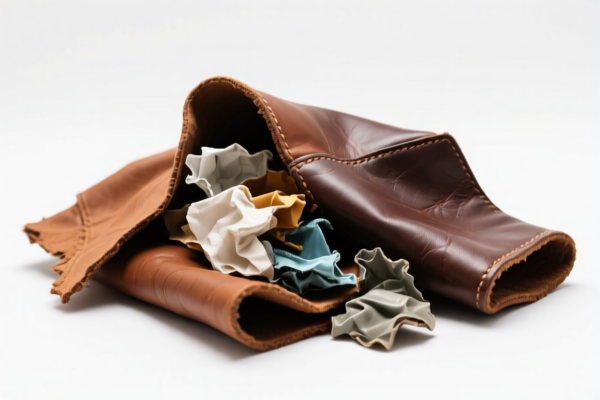


AI Analysis
🧵 Leather Waste for Clothing: HS Code Classification & Clearance Guide 2026
🌐 HS Code Reference & Clearance Guide | 2026 Latest Tariff Analysis | Professional-Level Customs Strategy
📌 I. Product Definition & Classification: Do You Really Understand "Leather Waste"?
Leather waste (scrap leather, offcuts, cuttings) destined for clothing or leather goods manufacturing is a critical raw material. In international trade, the classification depends strictly on the physical state (primary product vs. processed) and material composition.
Key Distinction Points: * Primary Form/Scrap: Raw offcuts, unusable for immediate wear but suitable for recycling or re-processing → Generally falls under Chapter 41 (Raw/Hides) or Chapter 63 (Other made-up articles/old goods). * Finished Apparel: If the "waste" is actually used garments or ready-to-wear items → Falls under Chapter 42.
⚠️ Critical Warning:
- Misclassifying "scrap leather" as "used clothing" can lead to significant duty discrepancies and customs delays.
- US-China Trade Context: Most leather-related imports from China are subject to Section 301 (25%) and Section 122 (10%) additional tariffs.
📦 II. HS Code Classification Details (2026 Latest Tariff Authority Cross-Reference)
| HS Code | Product Description | Applicable Scenario | Material/Form Logic |
|---|---|---|---|
6309.00.00.20 |
Other old goods (Leather scraps) | Leather offcuts for auto interiors or recycling; primary product form logic | ✅ Primary Form/Recyclable |
6309.00.00.10 |
Other old goods (Leather scraps) | Leather scraps belonging to primary semi-finished state; consistent with leather category | ✅ Semi-finished/Primary |
4115.20.00.00 |
Scrap leather, leather dust, and powder | Leather scraps fully meeting material and form requirements for Chapter 41 | ✅ Raw Material/Scrap |
4115.10.00.00 |
Compressed leather and matched pieces | Leather scraps matching the leather base attributes of composite leather | ✅ Composite/Compressed |
4203.10.40.85 |
Articles of leather or composition leather (Clothing) | Leather clothing items (if classified as finished goods rather than waste) | ❌ Finished Product |
🔍 Key Insight:
-4115.20.00.00is the most standard classification for pure leather scraps/waste that are raw materials for recycling or manufacturing.
-6309.00.00.10/20applies if the goods are classified as "old goods" (used/recycled) but retain their primary material identity.
-4203.10.40.85is NOT waste; it is for finished leather apparel. Do not use this for scraps unless you are importing used clothing.
💰 III. 2026 Latest Tariff Rate Breakdown (Including Surcharges & Policy Add-ons)
✅ Applicable Country: United States (US)
✅ Origin: China (CN)
✅ Effective Date: From Nov 10, 2025 (Including subsequent imports)
🎯 1. 6309.00.00.20 & 6309.00.00.10 —— Other Old Goods (Leather Waste/Scraps)
| Item | Content |
|---|---|
| Base Duty Rate | 0.0% (ad valorem) |
| Section 301 Surcharge | +7.5% (USITC Footnote/Section 301) |
| Section 122 Surcharge | +10.0% (IEEPA/Trade Remedies) |
| Total Duty Rate | 17.5% |
| Calculation Basis | CIF Value × 17.5% |
| De Minimis Exemption? | ❌ NO (deny_de_minimis) |
| Legal Path | Section 301: 7.5% + Section 122: 10% → Applied to HS 6309.00.00 |
📌 Explanation:
- Although the base duty is 0%, the 17.5% total effective rate is due to US-China specific trade remedies.
- Section 122 (10%) is a significant add-on for certain textile/leather-related goods from China.
- De Minimis (Section 321) does not apply to these goods, meaning even small shipments must declare full duties.
🎯 2. 4115.20.00.00 —— Scrap Leather, Leather Dust, Powder
| Item | Content |
|---|---|
| Base Duty Rate | 0.0% |
| Section 301 Surcharge | +7.5% |
| Section 122 Surcharge | +10.0% |
| Total Duty Rate | 17.5% |
| Calculation Basis | CIF Value × 17.5% |
| De Minimis Exemption? | ❌ NO |
| Legal Path | Same as above. Consistent with primary leather waste logic. |
📌 Note:
- This is the most accurate classification for raw leather scraps/offcuts intended for recycling or reprocessing.
- Same tax burden as the6309codes, but often preferred for bulk raw material shipments.
🎯 3. 4115.10.00.00 —— Compressed Leather / Matched Pieces
| Item | Content |
|---|---|
| Base Duty Rate | 0.0% |
| Section 301 Surcharge | +25.0% |
| Section 122 Surcharge | +10.0% |
| Total Duty Rate | 35.0% |
| Calculation Basis | CIF Value × 35.0% |
| De Minimis Exemption? | ❌ NO |
| Legal Path | Section 301: 25% (Higher bracket for composite/processed leather) + Section 122: 10% |
📌 Caution:
- If the leather scraps are compressed, matched, or treated as composite leather (even in waste form), the Section 301 rate jumps to 25%.
- Total duty becomes 35%, which is significantly higher. Ensure the physical form is "loose scraps" to qualify for the lower 7.5% rate if possible.
🎯 4. 4203.10.40.85 —— Articles of Leather (Clothing)
| Item | Content |
|---|---|
| Base Duty Rate | 6.0% |
| Section 301 Surcharge | +25.0% |
| Section 122 Surcharge | +10.0% |
| Total Duty Rate | 41.0% |
| Calculation Basis | CIF Value × 41.0% |
| De Minimis Exemption? | ❌ NO |
| Legal Path | Section 301: 25% + Section 122: 10% + Base 6% |
📌 Warning:
- This classification is for finished leather apparel.
- If you are importing waste/scraps, do NOT use this code. It incurs the highest tax (41%).
- Misclassification here will result in severe underpayment of duties and potential penalties.
🛠️ IV. Customs Clearance Practical Advice (Battle-Tested Pitfall Guide)
✅ 1. Required Documentation Checklist (Non-negotiable)
| Document | Required? | Explanation |
|---|---|---|
| ✅ Product Specification Sheet | ✔️ | Must explicitly state "Leather Scraps," "Offcuts," or "Waste." Include material type (e.g., cowhide, goatskin). |
| ✅ Photos of Goods | ✔️ | Must show the loose, unsewn, irregular nature of the scraps. Avoid images that look like garments. |
| ✅ Commercial Invoice | ✔️ | Clearly describe as "Leather Waste/Scrap for Recycling/Manufacturing." Do NOT use "Clothing Parts" or "Apparel." |
| ✅ Packing List | ✔️ | Detail net weight vs. gross weight. Scrap is heavy; accuracy matters. |
| ✅ Certificate of Origin (CO) | ✔️ | Needed to determine eligibility for any potential exemptions (though unlikely for China origin under current rules). |
✅ 2. Declaration Strategy (Key Mnemonics)
🔥 "Scrap is Raw, Not Wear; Code 4115 Saves Money!"
| Scenario | Correct Declaration | Incorrect Declaration | Consequence |
|---|---|---|---|
| Loose Leather Offcuts | 4115.20.00.00 (17.5%) |
4203.10.40.85 |
Pay 41% instead of 17.5% |
| Compressed Leather Blocks | 4115.10.00.00 (35.0%) |
4115.20.00.00 |
Pay 35% instead of 17.5% |
| Used Leather Jackets (Waste) | 6309.00.00.10/20 (17.5%) |
4203.10.40.85 |
Pay 41% instead of 17.5% |
| Mixed Packaging (Clothes + Scraps) | Separate Lines | Single Line "Mixed" | Risk of Entire Shipment Audited |
✅ 3. Special Handling Cases
| Case | Handling Advice |
|---|---|
| Mixed Bales | If a bale contains both new scraps and old garments, separate them. Mixing can trigger higher duty rates or rejection. |
| Tanned vs. Untanned | Ensure the invoice specifies Tanned Leather (most scrap is tanned). Untanned hides fall under different chapters (4101-4103) with different rates. |
| Dust/Powder | Leather dust (4115.20.00.00) is still classified under 4115.20, not as a chemical product. |
| Recycling Facilities | If importing for recycling, provide a Letter of Intent from the recycling facility to prove end-use, supporting the "waste" classification. |
🌍 V. Global Market Clearance Comparison (2026 Latest)
| Country/Region | Recommended HS Code | Duty Rate (China Origin) | Certification | Notes |
|---|---|---|---|---|
| 🇺🇸 USA | 4115.20.00.00 |
17.5% | None specific | High scrutiny on "old goods" vs. "scrap." |
| 🇨🇳 China | 4115.20.00.00 |
~2-5% | N/A | Lower duty, but check local environmental regulations for waste import. |
| 🇪🇺 EU | 4115.20 |
Varies (0-5%) | REACH Compliance | EU has strict rules on "waste" vs. "secondary raw material." |
| 🇬🇧 UK | 4115.20 |
Varies (0-5%) | UKCA/Post-Brexit Rules | Similar to EU post-Brexit. |
| 🇯🇵 Japan | 4115.20 |
~3-5% | None | Generally lower tariffs for scrap leather. |
📌 Conclusion:
- The US is the highest-cost market due to the 17.5%-41% burden from Section 301 & 122.
- Accuracy is key: Misclassifying4115(17.5%) as4203(41%) costs you 23.5% extra.
📌 VI. Common Errors & Pitfall Guide (Blood Lessons)
❌ Error 1: Using "Leather Clothing" or "Garments" in the description for scrap.
👉 Result: Customs classifies as 4203 → 41% Duty.
👉 Fix: Use "Leather Scraps," "Offcuts," "Waste."
❌ Error 2: Compressed leather declared as loose scraps.
👉 Result: If inspected, may be reclassified to 4115.10 → 35% Duty.
👉 Fix: Clearly state "Compressed" if applicable, or ensure it is loose.
❌ Error 3: Assuming De Minimis ($800) applies.
👉 Result: Leather waste is denied. You must file formal entry.
👉 Fix: Budget for full duty payment.
✅ Correct Declaration Example:
"Leather Scraps, Tanned Cowhide, Irregular Pieces, Net Weight 500kg, For Recycling/Reprocessing, HS 4115.20.00.00"
🎯 VII. Conclusion: Precise Classification Saves Money!
🎯 Remember the Mantra:
🔹 "Scrap is Raw, Code 4115; Waste is Not Wear, Avoid 4203!"
🔹 "Loose is 17.5%, Compressed is 35%, Clothing is 41%!"
📌 Pro Tip:
If your leather waste is originating from Vietnam, Mexico, or Thailand, it may be exempt from Section 301/122 tariffs.
👉 Action: Verify Origin Certificate and consider supply chain diversification to reduce the 17.5% burden.
👉 Pre-Ruling: Apply for an ACE Advance Ruling if importing large volumes, to lock in the classification and duty rate.
📣 Immediate Action:
📞 Contact a licensed US Customs Broker.
📸 Provide clear photos of the unsewn, loose leather scraps.
🚀 Ensure Correct HS Code (4115.20 or 6309) to Save Up to 23.5% in Duties!
✨ Professional Clearance Starts with Accurate Classification!
💼 Every Percentage Point of Duty is Pure Profit Loss!
Customer Reviews
About HS Code Classification
The Harmonized System (HS) is an internationally standardized nomenclature developed by the World Customs Organization (WCO) to classify traded products. Over 200 countries use the HS system as the basis for customs tariffs, trade statistics, and import/export regulations.
Each HS code follows a hierarchical structure:
- Chapter (2 digits) — Broad category of goods (e.g., Chapter 84: Machinery and Mechanical Appliances)
- Heading (4 digits) — More specific grouping within the chapter
- Subheading (6 digits) — Internationally standardized breakdown, used by all WCO member countries
- National subdivisions (8-10 digits) — Country-specific extensions for further classification, such as US HTSUS 10-digit codes
Correct HS code classification is essential for smooth customs clearance, accurate duty payment, and compliance with trade regulations. Misclassification can lead to customs delays, overpayment of duties, or penalties.
When importing from CN to US, the applicable tariff rates may include:
- Most-Favored-Nation (MFN) rate — The standard duty rate applied to WTO members
- General rate — Applied to countries without trade agreements
- Trade remedy duties — Additional tariffs such as Section 301 (anti-dumping), Section 232 (national security), or countervailing duties
The information provided on this page is for reference purposes only. For official classification, please consult with your local customs authority or a licensed customs broker.