Leg Cover
CN → US| HS Code | Tariff Rate | Origin | Destination | Doc |
|---|---|---|---|---|
| 6212900030 | 24.1% | CN | US | Official Doc |
| 3926909989 | 22.8% | CN | US | Official Doc |
| 6115959000 | 31.0% | CN | US | Official Doc |
| 6117809570 | 32.1% | CN | US | Official Doc |
| 6115956000 | 27.5% | CN | US | Official Doc |
Product Images
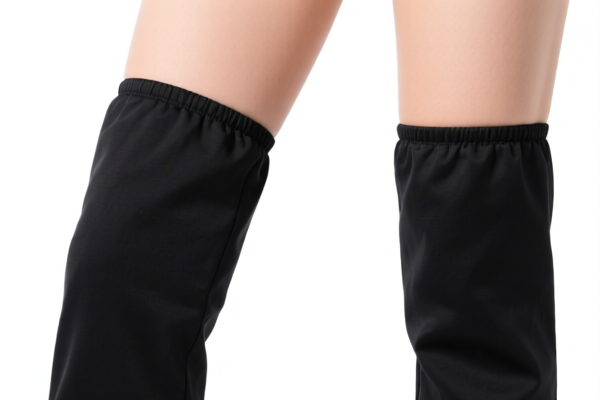
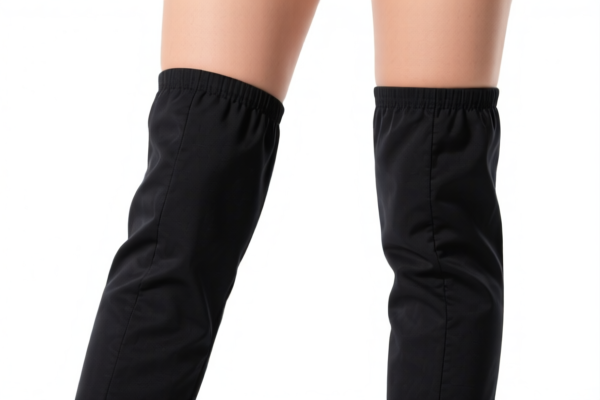
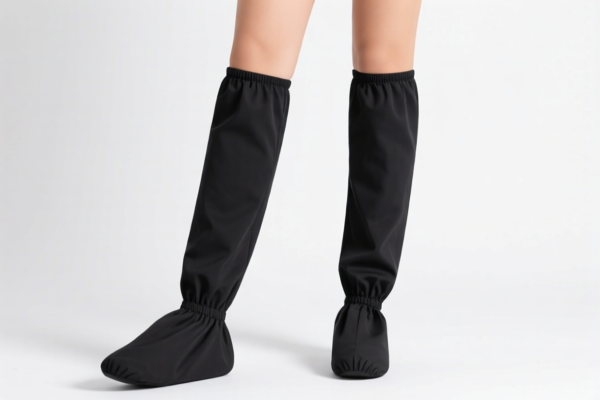
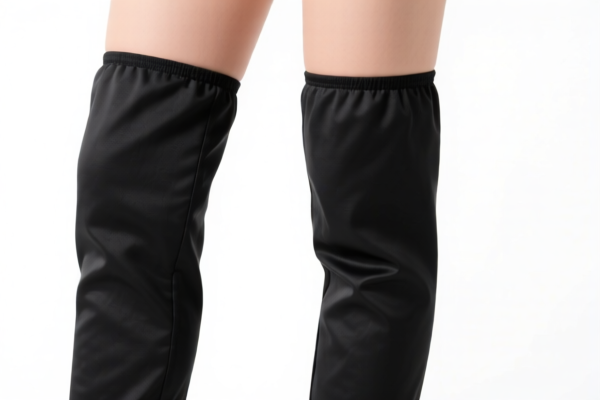
AI Analysis
🦵 Leg Covers (Leg Sleeves/Knee Supports)
🌐 HS Code Reference & Customs Clearance Guide | 2026 Latest Tariff Analysis | Professional Entry Strategy
📌 I. Product Definition & Classification: Do You Really Understand "Leg Covers"?
Leg covers, also known as leg sleeves, knee supports, or compression sleeves, are versatile items used for protection, compression, or fashion. In international trade, their classification depends heavily on material composition and manufacturing process (knitted vs. plastic/synthetic).
⚠️ Critical Distinction Points:
- If made of plastic/synthetic materials for protective/hardware purposes → Often falls under Chapter 39 (Articles of Plastic).
- If knitted/crocheted and used as clothing accessories (like stockings/garters) → Falls under Chapter 61/62 (Apparel/Accessories).
- If knitted and function as socks/hosiery → Falls under Chapter 61 (Knitted Hosiery).
📦 II. HS Code Classification Details (2026 Latest Tariff Authority Comparison)
| HS Code | Product Description | Key Matching Logic | Total Tax Rate |
|---|---|---|---|
3926.90.99.89 |
Other articles of plastics and articles of other materials of headings 3901 to 3914 | Material Inference: Likely plastic/synthetic for protection. Not specifically categorized elsewhere, fits the "Other" residual logic. | 22.8% |
6212.90.00.30 |
吊袜带 (Garters) and similar articles | Functional Match: Leg covers function as garter-like items. Material likely artificial fibers/rubber/plastic. No conflict with material requirements. | 24.1% |
6115.95.90.00 |
Other women's or girls' knitted/crocheted hosiery, of synthetic fibers | Form & Use Match: Knitted form fits hosiery/leg covering. Material inferred as cotton/synthetic. Compatible with "Other Cotton/Synthetic" category. | 31.0% |
6117.80.95.70 |
Other made-up clothing accessories, knitted or crocheted | Form & Use Match: Knitted form (meets knitting req); Usage: Leg cover (apparel accessory). Material: "Other" (not cotton/wool/fine animal hair). | 32.1% |
6115.95.60.00 |
Other women's or girls' knitted/crocheted hosiery, of cotton | Form & Material Match: Knitted leg covers fall under hosiery/accessories. Material inferred as synthetic/cotton, compatible with "Other" category. | 27.5% |
🔍 Key Reminders:
- Plastic/Hard Protective Leg Guards: If rigid or semi-rigid, lean towards 3926.90.99.89.
- Soft Knitted Compression Sleeves: If soft, elastic, and worn as apparel, lean towards 6212.90.00.30 or 6115/6117 codes.
- Misclassification Risk: Do not mislabel knitted socks as "plastic articles" or vice versa, as material verification is strict.
💰 III. 2026 Latest Tariff Rate Breakdown (Including Surcharges & Policy Add-ons)
✅ Applicable Country: United States (US)
✅ Origin: China (CN)
✅ Effective Time: From November 10, 2025 (and subsequent imports)
🎯 1. 3926.90.99.89 — Articles of Plastics/Other Materials (Protective/General)
| Item | Content |
|---|---|
| Base Duty Rate | 5.3% (ad valorem) |
| Section 301 Surcharge | +7.5% (List 4B) |
| 122 Clause Surcharge | +10% (Biden Admin Tariff on Specific Goods) |
| Total Rate | 22.8% |
| Tax Calculation | CIF Value × 22.8% |
| De Minimis Exemption? | ❌ No (Deny De Minimis applies) |
| Legal Basis Path | Base:3926.90.99.89 → 301:7.5% → 122:10% |
📌 Explanation:
- This code is often used for non-apparel plastic protective gear or generic plastic items.
- The 122 Clause adds an extra 10% on top of the standard 301 tariffs for specific Chinese goods, making this a higher-cost classification for plastic-based leg supports.
🎯 2. 6212.90.00.30 — Garters and Similar Articles (Apparel Accessories)
| Item | Content |
|---|---|
| Base Duty Rate | 6.6% (ad valorem) |
| Section 301 Surcharge | +7.5% (List 4B) |
| 122 Clause Surcharge | +10% (Biden Admin Tariff) |
| Total Rate | 24.1% |
| Tax Calculation | CIF Value × 24.1% |
| De Minimis Exemption? | ❌ No |
| Legal Basis Path | Base:6212.90.00.30 → 301:7.5% → 122:10% |
📌 Note:
- This code treats leg covers as fashion/apparel accessories (like garters).
- Suitable for soft, fabric-based leg sleeves that resemble hosiery or suspenders.
- Slightly higher than the plastic option but still competitive for textile-based goods.
🎯 3. 6115.95.90.00 — Knitted Hosiery (Synthetic/Cotton Mix)
| Item | Content |
|---|---|
| Base Duty Rate | 13.5% (ad valorem) |
| Section 301 Surcharge | +7.5% (List 4B) |
| 122 Clause Surcharge | +10% (Biden Admin Tariff) |
| Total Rate | 31.0% |
| Tax Calculation | CIF Value × 31.0% |
| De Minimis Exemption? | ❌ No |
| Legal Basis Path | Base:6115.95.90.00 → 301:7.5% → 122:10% |
📌 Warning:
- Higher base duty (13.5%) because it is classified as hosiery/socks.
- Only use if the product is definitively knitted and marketed primarily as hosiery or compression socks.
🎯 4. 6117.80.95.70 — Other Knitted Accessories (General Apparel)
| Item | Content |
|---|---|
| Base Duty Rate | 14.6% (ad valorem) |
| Section 301 Surcharge | +7.5% (List 4B) |
| 122 Clause Surcharge | +10% (Biden Admin Tariff) |
| Total Rate | 32.1% |
| Tax Calculation | CIF Value × 32.1% |
| De Minimis Exemption? | ❌ No |
| Legal Basis Path | Base:6117.80.95.70 → 301:7.5% → 122:10% |
📌 Note:
- Highest total tax rate among the options.
- Used when the item is a knitted accessory but doesn't fit neatly into hosiery (6115) or garters (6212).
- Avoid if cheaper alternatives (like 3926 or 6212) are applicable.
🎯 5. 6115.95.60.00 — Knitted Hosiery (Cotton)
| Item | Content |
|---|---|
| Base Duty Rate | 10.0% (ad valorem) |
| Section 301 Surcharge | +7.5% (List 4B) |
| 122 Clause Surcharge | +10% (Biden Admin Tariff) |
| Total Rate | 27.5% |
| Tax Calculation | CIF Value × 27.5% |
| De Minimis Exemption? | ❌ No |
| Legal Basis Path | Base:6115.95.60.00 → 301:7.5% → 122:10% |
📌 Note:
- Mid-range tax rate.
- Applicable if the leg covers are knitted, hosiery-style, and primarily cotton-based (or cotton-blend).
- A good option for natural fiber leg sleeves.
🛠️ IV. Customs Clearance Practical Advice (Battle-Tested Pitfall Guide)
✅ 1. Preparation Checklist (All Documents Mandatory)
| Document | Required | Description |
|---|---|---|
| ✅ Product Specifications | ✔️ | Material composition (e.g., 80% Polyester, 20% Spandex), knitting type, thickness. |
| ✅ Product Photos | ✔️ | Clear images of the product, including any tags, labels, and packaging. Show "Leg Cover" clearly. |
| ✅ Material Test Report | ✔️ | Third-party lab report confirming fabric composition (crucial for distinguishing 6115 vs 3926). |
| ✅ Commercial Invoice | ✔️ | Must specify "Leg Cover" or "Knee Sleeve," not vague terms like "Sports Equipment." |
| ✅ Packing List | ✔️ | Detail weight, quantity, and dimensions. Ensure no "mixed" shipments without proper breakdown. |
| ✅ Origin Certificate | ✔️ | If applicable, to verify China origin (subject to tariffs). |
✅ 2. Declaration Tips (Key Mnemonics)
🔥 “Material First, Function Second. Name Accurate, Tax Accurate!”
| Scenario | Correct Declaration | Wrong Approach |
|---|---|---|
| Hard Plastic Knee Brace | 3926.90.99.89 (Plastic Article) |
Calling it "Sports Accessory" → Ambiguous, risk of misclassification. |
| Soft Fabric Leg Sleeve | 6212.90.00.30 (Similar Article/Garter) or 6115.95.60.00 (Hosiery) |
Calling it "Plastic Product" → Major error, high penalty risk. |
| Compression Sock | 6115.95.90.00 (Knitted Hosiery) |
Calling it "Clothing Accessory" → May incur higher tax (32.1%). |
| Fashion Leg Warmer | 6117.80.95.70 (Other Accessory) |
Calling it "Socks" → If not hosiery-style, may be challenged. |
📌 Crucial Advice:
- Avoid Vague Terms: Do not use "Sports Gear" or "Protection." Use specific terms like "Knitted Leg Sleeve" or "Plastic Knee Guard."
- Material Proof: For codes3926vs61xx/62xx, the material composition is the deciding factor. Have lab reports ready.
✅ 3. Special Case Handling
| Scenario | Handling Advice |
|---|---|
| OEM Custom Leg Covers | Provide client order + design specs to prove specific use (e.g., medical vs. fashion) to support code selection. |
| Mixed Material (Plastic + Fabric) | If >50% by weight/value, classify based on main material. If ambiguous, consult customs broker for "essential character" determination. |
| Medical Compression Sleeves | May still fall under 6115 or 6212, but provide medical device clearance documents if claiming medical exemption (rare for tariff, but good for compliance). |
| Drop Shipping | Ensure the commercial invoice matches the product name exactly. If shipped from China, declare China origin. |
🌍 V. Global Market Clearance Comparison (2026 Latest)
| Country/Region | Recommended HS Code | Tariff (China Origin) | Certification Required | Notes |
|---|---|---|---|---|
| 🇺🇸 USA | 3926.90.99.89 / 6212.90.00.30 |
22.8% - 24.1% (incl. 122+301) | No specific cert for generic | Highest risk: 122 Clause applies. |
| 🇨🇳 China | 3926.90.99 / 6212.90.00 |
~5% - 6% | CCC (if applicable) | Low tariffs, no surcharges. |
| 🇪🇺 EU | 3926.90 / 6212.90 |
0% - 3.7% | CE (if electrical/medical) | No Section 301/122 equivalents. |
| 🇬🇧 UK | 3926.90 / 6212.90 |
0% - 4.5% | UKCA (if applicable) | Post-Brexit rules apply. |
| 🇨🇦 Canada | 3926.90 / 6212.90 |
0% - 6.5% | Health Canada (if medical) | No major surcharges. |
📌 Conclusion:
- USA is the most expensive market due to Section 301 (7.5%) and 122 Clause (10%) surcharges.
- Total tax burden can reach 32.1% for knitted accessories.
- Strategy: For US-bound goods, consider reclassifying as plastic articles (22.8%) if the design allows, or use cotton-based hosiery (27.5%) if material permits. Avoid "Other Accessories" (32.1%) if possible.
📌 VI. Common Mistakes & Pitfall Guide (Lessons Learned)
❌ Mistake 1: Calling "Plastic Knee Braces" as "Sports Accessories"
👉 Consequence: Customs may reclassify to 6117 or 6212 with higher scrutiny, leading to delays + back taxes.
❌ Mistake 2: Ignoring the 122 Clause
👉 Consequence: Underpaying 10% tax. Penalties + Interest on undervaluation.
❌ Mistake 3: Using "Socks" for non-hosiery leg covers
👉 Consequence: If not knitted/hosiery-style, customs may reject 6115 and assign 6117 (32.1%).
✅ Correct Practice:
"Knitted Leg Sleeve, 80% Polyester/20% Spandex, for Sports Compression, Model XYZ, Made in China."
🎯 VII. Conclusion: Precision in Classification, Profit in Clearance!
🎯 Remember the Mantra:
🔹 "Plastic is 22.8%, Fabric is 24.1%-32.1%. Name it right, pay less light!"
🔹 "122 Clause adds 10%, Don't get caught off guard, be ready!"
📌 Pro Tip:
If your leg covers are originating from Vietnam, Mexico, or Thailand, you may qualify for IEEPA Exemptions or lower tariffs.
For US imports, apply for a Binding Ruling (Pre-Ruling) before shipment to lock in the HS Code and avoid surprise taxes.
📣 Immediate Action:
📞 Contact a Licensed Customs Broker + Provide Product Images + Request HS Code Pre-Ruling
🚀 Ensure Smooth Clearance, Efficient Export, and Maximized Profit!
✨ Professional Clearance Starts with Accurate Classification!
💼 Every Cent of Cost, Worthy of Precise Calculation!
Customer Reviews
About HS Code Classification
The Harmonized System (HS) is an internationally standardized nomenclature developed by the World Customs Organization (WCO) to classify traded products. Over 200 countries use the HS system as the basis for customs tariffs, trade statistics, and import/export regulations.
Each HS code follows a hierarchical structure:
- Chapter (2 digits) — Broad category of goods (e.g., Chapter 84: Machinery and Mechanical Appliances)
- Heading (4 digits) — More specific grouping within the chapter
- Subheading (6 digits) — Internationally standardized breakdown, used by all WCO member countries
- National subdivisions (8-10 digits) — Country-specific extensions for further classification, such as US HTSUS 10-digit codes
Correct HS code classification is essential for smooth customs clearance, accurate duty payment, and compliance with trade regulations. Misclassification can lead to customs delays, overpayment of duties, or penalties.
When importing from CN to US, the applicable tariff rates may include:
- Most-Favored-Nation (MFN) rate — The standard duty rate applied to WTO members
- General rate — Applied to countries without trade agreements
- Trade remedy duties — Additional tariffs such as Section 301 (anti-dumping), Section 232 (national security), or countervailing duties
The information provided on this page is for reference purposes only. For official classification, please consult with your local customs authority or a licensed customs broker.