Leg Fitness Equipment
CN → US| HS Code | Tariff Rate | Origin | Destination | Doc |
|---|---|---|---|---|
| 9506910010 | 22.1% | CN | US | Official Doc |
| 9506910030 | 22.1% | CN | US | Official Doc |
| 9019102050 | 10.0% | CN | US | Official Doc |
| 9506910010 | 22.1% | CN | US | Official Doc |
| 9506910030 | 22.1% | CN | US | Official Doc |
Product Images
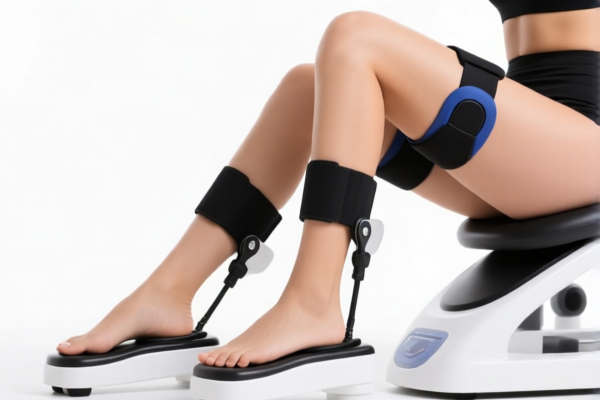
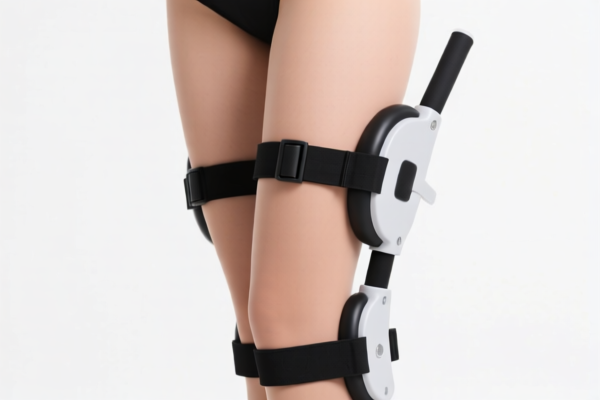
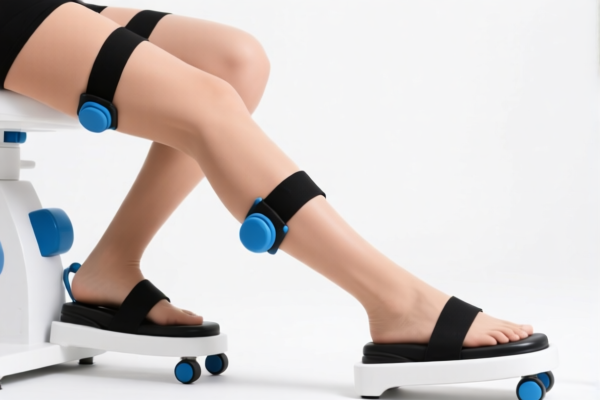
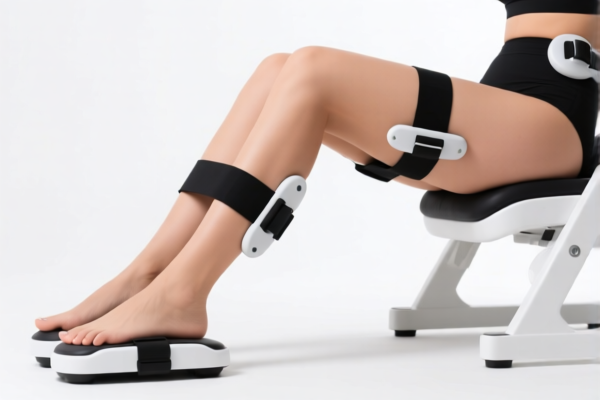
AI Analysis
🏋️♂️ Leg Fitness Equipment (Leg Trainers)
🌐 HS Code Reference & Customs Clearance Guide | 2026 Latest Tariff Analysis | Professional Compliance Strategy
📌 I. Product Definition & Classification: Do You Really Understand "Leg Trainers"?
Leg Fitness Equipment, commonly referred to as leg trainers, encompasses a broad range of devices designed to strengthen, tone, and rehabilitate lower body muscles. In international trade, these goods are primarily categorized into two distinct functional groups:
1. Sports & Exercise Equipment (9506): Devices intended for general physical training, sports conditioning, or athletic performance. This includes leg press machines, calf raisers, and resistance bands specifically marketed for fitness.
2. Mechanical Therapy & Massage Devices (9019): Devices intended for therapeutic treatment, massage, or physical rehabilitation. This includes equipment designed to aid in medical recovery, reduce pain, or provide specific mechanical massage functions to the legs.
⚠️ Key Distinction Point:
- If the device is for general fitness, sports, or bodybuilding → Classified under Chapter 95 (Sports Equipment)
- If the device is for mechanical treatment, massage, or therapy → Classified under Chapter 90 (Medical/Therapeutic Appliances)
- Material Note: Steel, aluminum, or copper components trigger additional "Section 122" tariffs under the 223条款 (232 Tariff) if applicable.
📦 II. HS Code Classification Details (2026 Latest Tariff Authority Comparison)
Based on the provided data, the following HS Codes are identified for Leg Fitness Equipment:
| HS Code | Product Description | Application Scenario | Functional Attribute |
|---|---|---|---|
9506.91.00.10 |
Leg Trainers / General Fitness Equipment | Bodybuilding, gym use, strength training | ✅ Sports/Exercise Equipment |
9506.91.00.30 |
General Sports Goods / Leg Training Devices | General sports goods, gymnastics, or track & field accessories | ✅ Sports/Exercise Equipment |
9019.10.20.50 |
Mechanical Therapy & Massage Devices | Rehabilitation, physical therapy, massage therapy for legs | ✅ Therapeutic/Mechanical Treatment |
🔍 Key Reminder:
-9506codes apply to equipment used for physical exercise and sports conditioning.
-9019code applies to equipment used for therapeutic treatment or massage.
- Misclassification can lead to significant duty differences (22.1% vs. 10.0%) and potential customs penalties.
💰 III. 2026 Latest Tariff Rate Breakdown (Including Surtaxes & Policy Add-ons)
✅ Applicable Country: United States (US)
✅ Origin: China (CN) [Implied by Section 122/232 references]
✅ Effective Time: Current trade restrictions apply
🎯 1. 9506.91.00.10 & 9506.91.00.30 —— Sports & Exercise Equipment
| Item | Content |
|---|---|
| Base Tariff | 4.6% (ad valorem) |
| Section 301 Surcharge | +7.5% (List 3B) |
| Section 232/122 Tariff | +10% (Steel, Aluminum, Copper Products) |
| Total Effective Rate | 22.1% |
| Calculation Basis | CIF Value × 22.1% |
| De Minimis Eligibility | ❌ Not Eligible (High tariff rates usually disqualify small packages from de minimis treatment under certain interpretations, though strictly $800 is a general rule, high-duty items face scrutiny) |
📌 Explanation:
- 4.6% is the standard Most Favored Nation (MFN) base rate for parts of sports goods.
- 7.5% is the Section 301 tariff imposed on Chinese-origin goods under this category.
- 10% is the Section 232 (122) tariff specifically applied to steel and aluminum articles. If the leg trainer contains significant steel/aluminum components, this surcharge applies.
- Total: 22.1%. This is a moderate-to-high tariff level. Cost calculation must include these additive taxes.
🎯 2. 9019.10.20.50 —— Mechanical Therapy & Massage Devices
| Item | Content |
|---|---|
| Base Tariff | 0.0% |
| Section 301 Surcharge | 0.0% |
| Section 232/122 Tariff | +10% (Steel, Aluminum, Copper Products) |
| Total Effective Rate | 10.0% |
| Calculation Basis | CIF Value × 10.0% |
| De Minimis Eligibility | ✅ Likely Eligible (Lower base duty may allow for de minimis treatment if value < $800, but Section 232 may still apply to the whole package if thresholds are met) |
📌 Explanation:
- 0.0% base duty makes this category very attractive for cost savings.
- However, the 10% Section 232 tariff still applies if the product contains steel, aluminum, or copper.
- Total: 10.0%. This is significantly lower than the sports equipment classification (22.1%).
- Critical Risk: Customs may challenge the classification if the device is marketed as a "fitness trainer" rather than a "medical/therapeutic device." You must prove the therapeutic intent and mechanical massage function to claim this rate.
🛠️ IV. Customs Clearance Practical Advice (Real-World Pitfall Avoidance Guide)
✅ 1. Document Preparation Checklist (No Omissions Allowed)
| Document | Mandatory? | Description |
|---|---|---|
| ✅ Product Spec Sheet | ✔️ | Must clearly state: Intended Use (Fitness vs. Therapy), Materials (Steel/Alum %), Function. |
| ✅ Marketing Materials | ✔️ | Brochures/Website screenshots proving if it's sold as "Medical Device" or "Gym Equipment". |
| ✅ Product Photos | ✔️ | Clear shots of controls, massage heads, or resistance mechanisms. |
| ✅ Statement of Use | ✔️ | A signed letter stating: "This product is designed for mechanical therapy/massage" (for 9019) OR "General sports training" (for 9506). |
| ✅ Commercial Invoice | ✔️ | Accurate description matching the HS Code. |
✅ 2. Declaration Strategy (Key Mnemonic)
🔥 "Function Dictates Code: Therapy is 10%, Fitness is 22%!"
| Scenario | Correct HS Code | Risk if Misdeclared |
|---|---|---|
| Leg press machine for gym | 9506.91.00.10 |
If declared as 9019: Audit Risk, Back Taxes, Penalties |
| Mechanical leg massager for rehab | 9019.10.20.50 |
If declared as 9506: Overpayment of 12.1% (22.1-10.0) |
| Device with steel frame | Both | Ensure Section 232 (10%) is correctly added to the base rate. |
✅ 3. Special Handling
| Situation | Handling Advice |
|---|---|
| Dual-Use Devices | If a device can be used for both fitness and therapy, choose the lower duty (9019) only if you can substantiate its therapeutic design. Otherwise, stick to 9506 to avoid fraud allegations. |
| Steel/Aluminum Content | If the product is >50% steel/aluminum, the 10% Section 232 tariff applies regardless of HS Code. Verify material composition certificates. |
| OEM Products | Provide original design files to prove the intended function. If it looks like a gym machine, Customs will likely classify it as 9506. |
🌍 V. Global Market Customs Comparison (2026 Latest)
| Country/Region | Recommended HS Code | Tariff Rate | Certification Required | Notes |
|---|---|---|---|---|
| 🇺🇸 USA | 9506.91.00.10 |
22.1% | FCC (if electric) | High duty due to 301 & 232. |
| 🇺🇸 USA | 9019.10.20.50 |
10.0% | FDA (if medical claim) | Lower duty, but strict proof of therapeutic use. |
| 🇨🇳 China | 9506.91.00 |
5-10% | CCC (if electric) | Standard import duties. |
| 🇪🇺 EU | 9506.91.00 |
0-1.7% | CE Mark | Low duties, but strict safety standards. |
📌 Conclusion:
- The US market has the highest tariff burden for Chinese-origin leg equipment due to Section 301 and 232 tariffs.
- Strategic Insight: If your product can be legitimately classified as a therapeutic device (9019), you save 12.1% in duties. However, this requires strong evidence of medical/therapeutic function.
📌 VI. Common Errors & Pitfalls (Blood & Tears Lessons)
❌ Error 1: Declaring a heavy steel leg press as a "Massage Device" to save tax.
👉 Consequence: Customs audit, seizure of goods, and back taxes + penalties. Only do this if it has genuine therapeutic mechanisms.
❌ Error 2: Ignoring the 10% Section 232 Tariff.
👉 Consequence: Even with a 0% base duty (9019), you still owe 10% if steel/aluminum is present. Failing to declare leads to 10% penalty on the full value.
❌ Error 3: Using generic terms like "Leg Machine" in the invoice.
👉 Consequence: Customs cannot determine if it's 9506 or 9019. Delay in clearance or forced classification into the higher/taxed category.
✅ Correct Practice:
"Mechanical Leg Massager for Physical Therapy, Steel Frame, Model XYZ, Therapeutic Use Only" (For 9019)
"Commercial Leg Press Machine for Gym Use, Steel Frame, Model ABC" (For 9506)
🎯 VII. Conclusion: Precision Classification Saves Money!
🎯 Remember the Mantra:
🔹 "Therapy is 10%, Fitness is 22%. Prove the function to win!"
🔹 "Steel adds 10% to both. Don't forget Section 232!"
📌 Pro Tip:
If your company has existing FDA clearance or medical device registration for the leg trainer, strongly consider classifying under 9019.10.20.50 to benefit from the lower 10% total tariff. However, ensure marketing materials do not contradict this by advertising it solely as a "bodybuilding tool."
📣 Immediate Action:
📞 Consult a licensed customs broker for an Advance Ruling on your specific product design.
🚀 Accurate classification = Lower costs + Faster clearance!
✨ Professional Clearance Starts with Accurate Classification!
💼 Every percentage point matters in global trade!
Customer Reviews
About HS Code Classification
The Harmonized System (HS) is an internationally standardized nomenclature developed by the World Customs Organization (WCO) to classify traded products. Over 200 countries use the HS system as the basis for customs tariffs, trade statistics, and import/export regulations.
Each HS code follows a hierarchical structure:
- Chapter (2 digits) — Broad category of goods (e.g., Chapter 84: Machinery and Mechanical Appliances)
- Heading (4 digits) — More specific grouping within the chapter
- Subheading (6 digits) — Internationally standardized breakdown, used by all WCO member countries
- National subdivisions (8-10 digits) — Country-specific extensions for further classification, such as US HTSUS 10-digit codes
Correct HS code classification is essential for smooth customs clearance, accurate duty payment, and compliance with trade regulations. Misclassification can lead to customs delays, overpayment of duties, or penalties.
When importing from CN to US, the applicable tariff rates may include:
- Most-Favored-Nation (MFN) rate — The standard duty rate applied to WTO members
- General rate — Applied to countries without trade agreements
- Trade remedy duties — Additional tariffs such as Section 301 (anti-dumping), Section 232 (national security), or countervailing duties
The information provided on this page is for reference purposes only. For official classification, please consult with your local customs authority or a licensed customs broker.