Leg Pillow
CN → US| HS Code | Tariff Rate | Origin | Destination | Doc |
|---|---|---|---|---|
| 3926909989 | 22.8% | CN | US | Official Doc |
| 9404902090 | 23.5% | CN | US | Official Doc |
| 9404902030 | 23.5% | CN | US | Official Doc |
| 6307908945 | 17.0% | CN | US | Official Doc |
| 6307909891 | 24.5% | CN | US | Official Doc |
Product Images
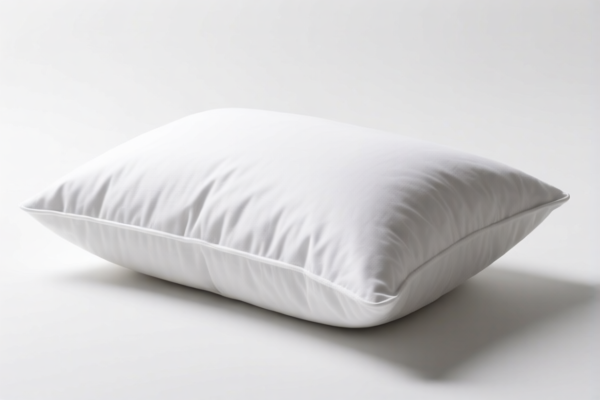
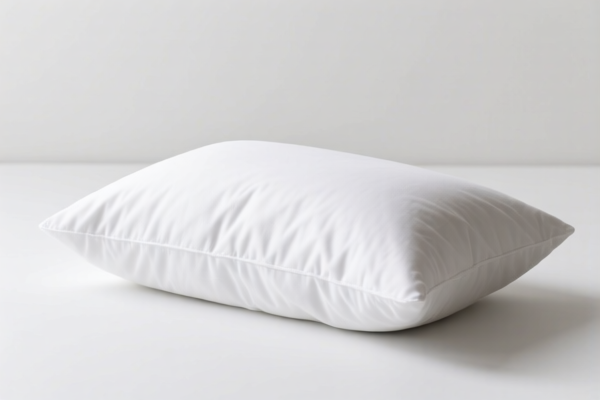
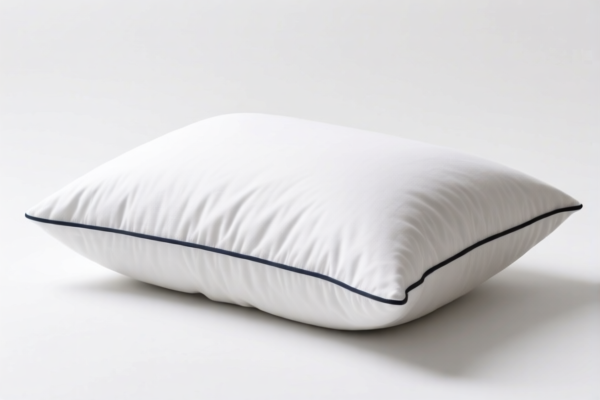
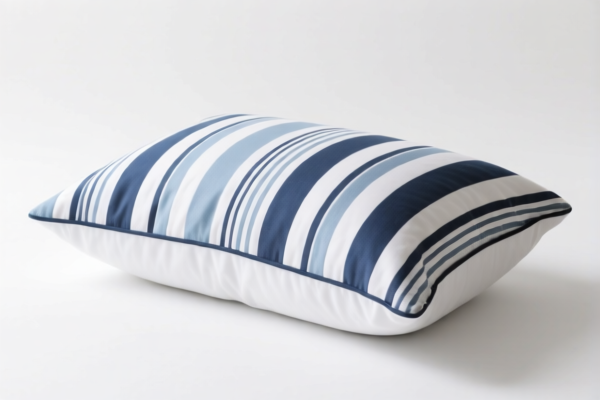
AI Analysis
🛌 Leg Pillow (Support Pillow)
🌐 HS Code Reference & Customs Clearance Guide | 2026 Latest Tariff Analysis | Professional Strategy
📌 1. Product Definition & Classification: Do You Really Understand the "Leg Pillow"?
The Leg Pillow (also known as a support pillow, wedge pillow, or positioning pillow) is a medical or comfort device used to elevate limbs, improve circulation, or provide ergonomic support during sleep. In international trade, its classification depends heavily on the material composition and primary function.
⚠️ Key Distinction Point:
- If made of plastics/synthetic materials as an accessory/part → Classified under Chapter 39.
- If made of textiles with filling, used as bedding → Classified under Chapter 94 or Chapter 63.
- Crucial: The material determines whether it is seen as a "plastic part" or a "textile bedding product," drastically affecting the duty rate.
📦 2. HS Code Classification Details (2026 Latest Tariff Authority Cross-Reference)
| HS Code | Product Description | Applicable Scenario | Material/Function Inference |
|---|---|---|---|
3926.90.99.89 |
Other articles of plastics/synthetic materials (accessories/parts) | Plastic-based support pillows, rigid components | ✅ Plastic/Synthetic |
9404.90.20.90 |
Other bedding articles, including filled mattresses & pillows | Pillows/cushions with filling structures, bedding use | ✅ Filled/Bedding |
9404.90.20.30 |
Pillows, specifically for bedding purposes | Filling-type pillows, inferred bedding use | ✅ Filled/Bedding |
6307.90.89.45 |
Other made-up articles, cotton-based | Cotton-covered leg pillows, inferred cotton material | ✅ Textile (Cotton) |
6307.90.98.91 |
Other made-up articles, textiles/polymers | General textile or polymer-filled pillows | ✅ Textile/Polymer |
🔍 Key Reminder:
- If the pillow is primarily a plastic support structure (e.g., hard foam, rigid plastic frame), use 3926.
- If it is a soft, filled textile product (memory foam, polyester fiber, cotton), use 9404 or 6307.
- Misclassification Risk: Declaring a textile pillow as plastic (or vice versa) leads to significant duty differences and potential customs penalties.
💰 3. 2026 Latest Tariff Rate Details (Including Surtaxes & Policy Surcharges)
✅ Applicable Country: United States (US)
✅ Origin: China (CN)
✅ Effective Time: 2025/2026 (Including subsequent imports)
🎯 1. 3926.90.99.89 —— Plastic/Synthetic Material Articles
| Item | Content |
|---|---|
| Base Duty | 5.3% |
| Section 301 Surcharge | 7.5% |
| Section 122 Tariff | 10% |
| Total Duty Rate | 22.8% |
| Calculation Method | CIF Value × 22.8% |
| De Minimis Exemption | ❌ Not Eligible (High duty rate exceeds threshold benefits) |
| Legal Basis | USITC:3926.90.99.89 → Section 301: 7.5% → Section 122: 10% |
📌 Explanation:
- This code treats the leg pillow as a plastic accessory/part, not bedding.
- The 22.8% total rate is driven by the Section 122 tariff (10%) and Section 301 (7.5%) added to the base 5.3%.
- Warning: This rate is significantly higher than textile bedding if not classified correctly.
🎯 2. 9404.90.20.90 & 9404.90.20.30 —— Bedding Articles (Pillows)
| Item | Content |
|---|---|
| Base Duty | 6.0% |
| Section 301 Surcharge | 7.5% |
| Section 122 Tariff | 10% |
| Total Duty Rate | 23.5% |
| Calculation Method | CIF Value × 23.5% |
| De Minimis Exemption | ❌ Not Eligible |
| Legal Basis | USITC:9404.90.20.90 → Section 301: 7.5% → Section 122: 10% |
📌 Explanation:
- These codes classify the leg pillow as a pillow/bedding item.
- The 23.5% total rate is slightly higher than the plastic version (3926) due to the higher base duty (6.0% vs 5.3%).
- Key Insight: Both bedding codes have identical surcharges, so the base duty difference is the only variable.
🎯 3. 6307.90.89.45 —— Cotton-Made Up Articles
| Item | Content |
|---|---|
| Base Duty | 7.0% |
| Section 301 Surcharge | 0.0% |
| Section 122 Tariff | 10% |
| Total Duty Rate | 17.0% |
| Calculation Method | CIF Value × 17.0% |
| De Minimis Exemption | ❌ Not Eligible (Due to Section 122) |
| Legal Basis | USITC:6307.90.89.45 → Section 122: 10% |
📌 Explanation:
- Lowest Duty Rate (17.0%) among the options!
- Why? Section 301 (7.5%) does NOT apply to this specific cotton textile subheading.
- Condition: Must be clearly identified as cotton-made and fit the "other made-up articles" description.
- Strategy: If the pillow is cotton-covered with any filling, this is the most cost-effective classification.
🎯 4. 6307.90.98.91 —— Other Textile Made-Up Articles
| Item | Content |
|---|---|
| Base Duty | 7.0% |
| Section 301 Surcharge | 7.5% |
| Section 122 Tariff | 10% |
| Total Duty Rate | 24.5% |
| Calculation Method | CIF Value × 24.5% |
| De Minimis Exemption | ❌ Not Eligible |
| Legal Basis | USITC:6307.90.98.91 → Section 301: 7.5% → Section 122: 10% |
📌 Explanation:
- This is a "catch-all" for textile products not specified elsewhere.
- Highest Duty Rate (24.5%).
- Avoid this code if a more specific cotton (6307.90.89.45) or bedding (9404) code applies.
🛠️ 4. Customs Clearance Practical Advice (Battle-Tested Pitfall Guide)
✅ 1. Preparation Checklist (Essential Documents)
| Document | Required | Notes |
|---|---|---|
| ✅ Product Specification Sheet | ✔️ | Must detail material composition (e.g., "100% Cotton Cover, Memory Foam Core"). |
| ✅ Material Breakdown | ✔️ | Clearly state % of cotton, polyester, plastic, etc. |
| ✅ Product Photos | ✔️ | Show label, material tags, and overall structure. |
| ✅ Commercial Invoice | ✔️ | Describe accurately: "Cotton Leg Support Pillow" or "Plastic Orthopedic Pillow." |
| ✅ Certificate of Origin (CO) | ✔️ | If non-China origin, may reduce duties. |
✅ 2. Declaration Tips (Key Mantra)
🔥 "Material Determines Code, Cotton Saves Money, Plastic Costs More!"
| Scenario | Correct Classification | Incorrect Action | Consequence |
|---|---|---|---|
| Cotton-covered leg pillow | 6307.90.89.45 (17.0%) |
Declare as "Plastic Accessory" | +5.8% duty cost |
| Memory foam pillow with fabric cover | 9404.90.20.x0 (23.5%) or 6307.90.89.45 |
Declare as "Other Textile" (6307.90.98.91) |
+1.0% duty cost + Risk of audit |
| Rigid plastic support wedge | 3926.90.99.89 (22.8%) |
Declare as "Bedding" | Potential misclassification penalty |
| Mixed material (e.g., Plastic frame + Fabric cover) | Primary Material Test | Split declaration | Complex, high risk, high duty |
✅ 3. Special Cases
| Case | Handling Advice |
|---|---|
| OEM Custom Leg Pillows | Provide design specs to prove material composition. Avoid vague terms like "support device." |
| Medical vs. Comfort Use | If marketed as medical equipment, it may qualify for different codes (e.g., 9019), but check eligibility. If for general comfort, stick to 9404/6307. |
| Section 122 Impact | Note: Section 122 (10%) applies to ALL codes above. This is a new/additional tariff layer. No exemption available for most leg pillows from China. |
| De Minimis (Section 321) | ❌ Not Applicable. Even for small shipments, Section 301 and 122 surcharges usually negate the $800 de minimis benefit for these specific codes. |
🌍 5. Global Market Comparison (2026 Latest)
| Country/Region | Recommended HS Code | Duty Rate (China Origin) | Notes |
|---|---|---|---|
| 🇺🇸 United States | 6307.90.89.45 |
17.0% | Best rate for cotton. 9404 is 23.5%. 3926 is 22.8%. |
| 🇨🇳 China | 6307.90.89.45 |
~5-7% | Lower base duty, no Section 301/122. |
| 🇪🇺 EU | 6307.90.98 |
4-6% | No Section 301/122. VAT applies separately. |
| 🇬🇧 UK | 6307.90.98 |
4-6% | Post-Brexit rules similar to EU. |
| 🇨🇦 Canada | 6307.90.98 |
5-7% | No Section 301/122. |
📌 Conclusion:
- USA is the most complex market due to Section 301 (7.5%) and Section 122 (10%) surcharges.
- Cotton classification (6307.90.89.45) saves 6.5% duty compared to plastic or general textile codes in the US.
- Always prioritize material specificity in your declaration to qualify for the lowest base duty.
📌 6. Common Errors & Pitfalls (Blood Lessons)
❌ Error 1: Declaring a cotton pillow as "Plastic Accessory" (3926)
👉 Result: You pay 22.8% instead of 17.0%. Overpaid 5.8%!
❌ Error 2: Declaring a polyester pillow as "Cotton Article" (6307.90.89.45)
👉 Result: Customs audit → Penalty + Back Duties + Potential Seizure.
❌ Error 3: Ignoring Section 122 (10%)
👉 Result: Budgeting fails. The 10% is additive to all codes. Must include in cost model.
❌ Error 4: Using "Pillow" without material detail
👉 Result: Customs may default to 6307.90.98.91 (24.5%), the highest rate.
✅ Correct Practice:
"Leg Support Pillow, 100% Cotton Cover, Memory Foam Fill, Model XYZ, Made in China"
🎯 7. Conclusion: Precise Classification, Maximize Profit!
🎯 Remember the Mantra:
🔹 "Cotton First, Base Duty Low, Section 301 Saves, Section 122 Stays!"
🔹 "HS Code is King, 5.8% Saves, Declaration is Everything!"
📌 Pro Tip:
If your leg pillow is partially cotton and partially synthetic, consult a customs broker for "Primary Material" determination. Misclassification can lead to severe penalties.
Apply for an Advance Ruling if shipping large volumes to lock in the 17.0% rate.
📣 Immediate Action:
📞 Contact Customs Broker + Provide Material Specs + Verify Section 122 Applicability
🚀 Clear Customs Smoothly, Maximize Margin, Export Efficiently!
✨ Professional Clearance Starts with Accurate Classification!
💼 Every Percent Saved is Pure Profit!
Customer Reviews
About HS Code Classification
The Harmonized System (HS) is an internationally standardized nomenclature developed by the World Customs Organization (WCO) to classify traded products. Over 200 countries use the HS system as the basis for customs tariffs, trade statistics, and import/export regulations.
Each HS code follows a hierarchical structure:
- Chapter (2 digits) — Broad category of goods (e.g., Chapter 84: Machinery and Mechanical Appliances)
- Heading (4 digits) — More specific grouping within the chapter
- Subheading (6 digits) — Internationally standardized breakdown, used by all WCO member countries
- National subdivisions (8-10 digits) — Country-specific extensions for further classification, such as US HTSUS 10-digit codes
Correct HS code classification is essential for smooth customs clearance, accurate duty payment, and compliance with trade regulations. Misclassification can lead to customs delays, overpayment of duties, or penalties.
When importing from CN to US, the applicable tariff rates may include:
- Most-Favored-Nation (MFN) rate — The standard duty rate applied to WTO members
- General rate — Applied to countries without trade agreements
- Trade remedy duties — Additional tariffs such as Section 301 (anti-dumping), Section 232 (national security), or countervailing duties
The information provided on this page is for reference purposes only. For official classification, please consult with your local customs authority or a licensed customs broker.