Leggings
CN → US| HS Code | Tariff Rate | Origin | Destination | Doc |
|---|---|---|---|---|
| 6212900050 | 24.1% | CN | US | Official Doc |
| 6212900090 | 24.1% | CN | US | Official Doc |
| 6114303060 | 32.4% | CN | US | Official Doc |
| 6115220000 | 24.9% | CN | US | Official Doc |
| 6114303070 | 32.4% | CN | US | Official Doc |
Product Images
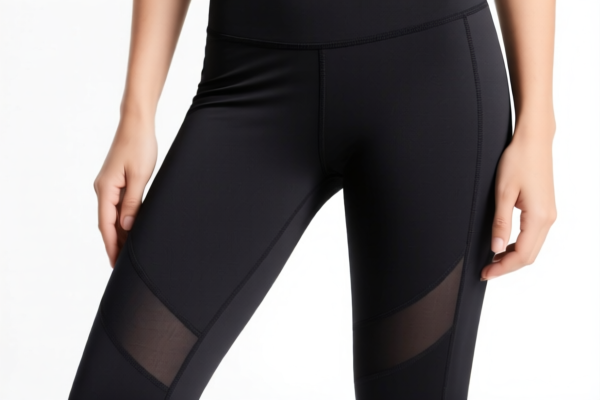
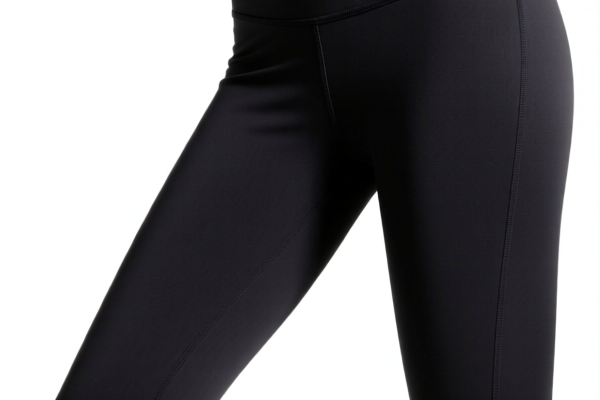
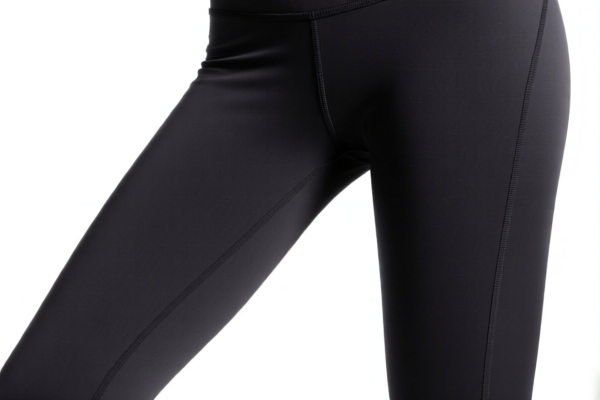
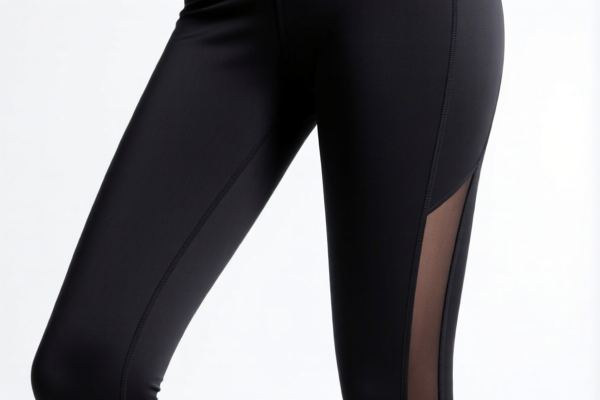
AI Analysis
👖 Leggings (Knit/Synthetic Tights & Stockings)
🌐 HS Code Reference & Customs Clearance Guide | 2026 Latest Tariff Analysis | Strategic US Import Strategy
📌 I. Product Definition & Classification: Do You Really Understand "Leggings"?
Leggings are tight-fitting garments covering the legs, often extending to the waist or hips. In international trade (specifically US Customs), they are classified based on manufacture method (knitted vs. woven) and fiber content.
Synthetic Fiber Knitted Leggings: Made from synthetic materials (e.g., polyester, nylon, spandex) using a knitting process. These fall under Chapter 61. Other Tights/Stockings: Specifically designed hosiery or tight-fitting garments made from synthetic fibers, potentially classified under Chapter 62 if woven or if specific subheadings for "tights" apply.
⚠️ Key Distinction:
- If the item is knitted and made of synthetic fibers → Typically 6114 or 6115.
- If the item is considered a tight-fitting garment (like shapewear or specific fashion leggings) that doesn't fit neatly into "tights" → May fall under 6212 (Support Garments/Other).
- Misclassification Risk: Declaring woven leggings as knitted (or vice versa) triggers high duties or detention.
📦 II. HS Code Classification Details (2026 Latest Tariff Authority Comparison)
| HS Code | Product Description | Application Scenario | Tax Rate (Total) |
|---|---|---|---|
6114.30.30.60 |
Synthetic fiber leggings, knitted garment, made of artificial/synthetic fibers, not pullover, not workwear | Fashion knit leggings, yoga pants (knit) | 32.4% |
6115.22.00.00 |
Synthetic fiber leggings, material explicitly synthetic, form is tights/leggings, meets classification technical requirements | Hosiery-style tights, sheer or opaque synthetic tights | 24.9% |
6114.30.30.70 |
Synthetic fiber leggings, knitted garment, made of artificial/synthetic fibers, inferred via residual clause | Other knitted synthetic garments not elsewhere specified | 32.4% |
6212.90.00.50 |
Tight-fitting garments (e.g., shapewear, body suits), product form matches, may contain silk components, no material conflict | Shapewear leggings, body-con garments, woven synthetic tights | 24.1% |
6212.90.00.90 |
Tight-fitting garments, form fits category definition, material no clear conflict, fits residual clause logic | Other tight-fitting garments (woven) not elsewhere specified | 24.1% |
🔍 Key Reminder:
- Knitted vs. Woven: Chapter 61 is for knitted goods; Chapter 62 is for non-knitted (woven) goods.
- "Tights" (6115) vs. "Other Garments" (6114): If the leggings are essentially hosiery (thin, stretchy, covering foot or just leg), 6115 is preferred. If they are thicker fashion pants, 6114 or 6212 may apply.
- 6212 "Catch-all": Many fashion leggings that don't fit strictly into "trousers" or "tights" are classified under 6212.90 as other garments.
💰 III. 2026 Latest Tariff Rate Breakdown (Including Additional Taxes & Policy Surcharges)
✅ Applicable Country: United States (US)
✅ Origin: China (CN)
✅ Effective Time: Ongoing (Section 301 / 122 Clause)
🎯 1. 6114.30.30.60 & 6114.30.30.70 —— Knitted Synthetic Leggings (Residual/Other)
| Item | Detail |
|---|---|
| Base Tariff | 14.9% (ad valorem) |
| Section 301 Surcharge | +7.5% (US Trade Act Section 301) |
| Section 122 Surcharge | +10% (Specific to certain apparel/textiles from China) |
| Total Rate | 32.4% |
| Tax Calculation | CIF Value × 32.4% |
| De Minimis Exemption | ❌ Not Available (deny_de_minimis applies to Section 301/122 goods) |
| Legal Basis Path | Section 122: 10% → Section 301: 7.5% → USITC: 6114.30.30.xx → Base: 14.9% |
📌 Explanation:
- These codes fall under "Other knit or crocheted garments."
- They are subject to both the Section 301 tariff (7.5%) and the Section 122 tariff (10%), plus the base rate (14.9%).
- Total 32.4% is a significant cost factor for knitted synthetic leggings.
🎯 2. 6115.22.00.00 —— Synthetic Fiber Tights/Leggings
| Item | Detail |
|---|---|
| Base Tariff | 14.9% (ad valorem) |
| Section 301 Surcharge | +0.0% (Exempt from Section 301 in this specific subheading context per provided data) |
| Section 122 Surcharge | +10% |
| Total Rate | 24.9% |
| Tax Calculation | CIF Value × 24.9% |
| De Minimis Exemption | ❌ Not Available (Due to Section 122) |
| Legal Basis Path | Section 122: 10% → USITC: 6115.22.00.00 → Base: 14.9% |
📌 Note:
- This is the most common classification for standard synthetic leggings/tights.
- Why 0% Section 301? Some hosiery/tights subheadings have different trade remedy statuses. However, the 10% Section 122 still applies.
- Savings: 7.5% lower than6114codes. Crucial for cost optimization.
🎯 3. 6212.90.00.50 & 6212.90.00.90 —— Tight-Fitting Garments (Woven/Other)
| Item | Detail |
|---|---|
| Base Tariff | 6.6% (ad valorem) |
| Section 301 Surcharge | +7.5% |
| Section 122 Surcharge | +10% |
| Total Rate | 24.1% |
| Tax Calculation | CIF Value × 24.1% |
| De Minimis Exemption | ❌ Not Available |
| Legal Basis Path | Section 122: 10% → Section 301: 7.5% → USITC: 6212.90.xx → Base: 6.6% |
📌 Explanation:
- If the leggings are woven (not knitted) or classified as "support garments" or "other," they fall here.
- Lower Base Rate (6.6%) offsets the Section 301 surcharge, resulting in a lower total rate (24.1%) than knitted leggings.
- Risk: Customs may reclassify woven leggings as knitted (6114) if they appear to be knit fabric, leading to higher duties.
🛠️ IV. Customs Clearance Practical Advice (Battle-Tested Pitfall Guide)
✅ 1. Documentation Checklist (Non-Negotiable)
| Document | Required | Explanation |
|---|---|---|
| ✅ Product Specification Sheet | ✔️ | Must clearly state: Knitted/Woven, Fiber Content (%), Garment Type (Leggings/Tights). |
| ✅ Fabric Swatch / Photo | ✔️ | To prove knitting vs. weaving. Knitted = 6114/6115. Woven = 6212. |
| ✅ Commercial Invoice | ✔️ | Description: "Women's Synthetic Knitted Leggings, HS 6115.22.00.00." Avoid vague terms like "Pants." |
| ✅ Packing List | ✔️ | Quantity, Weight, Dimensions. |
| ✅ Origin Certificate | ✔️ | If claiming exemptions (rare for China). |
| ✅ Test Report | ✔️ | Fiber composition test from accredited lab. |
✅ 2. Declaration Tips (Golden Rules)
🔥 “Knit is 61, Weave is 62, Tights are 6115, Others 6212. Be Specific or Pay More!”
| Scenario | Correct HS Code | Wrong Approach | Consequence |
|---|---|---|---|
| Standard Yoga Leggings (Knit, Synthetic) | 6115.22.00.00 (Best Rate: 24.9%) |
Declaring as 6114.30.30.60 |
Overpay 7.5% (Total 32.4% vs 24.9%) |
| Thick Fashion Leggings (Knit, Not Tights) | 6114.30.30.60 |
Declaring as 6115 |
Risk of Rejection if not "tights"; rate 32.4% |
| Woven Shapewear Leggings | 6212.90.00.90 |
Declaring as Knitted | Risk of Reassessment to Knitted (32.4%) |
| Leggings with Foots (Tights) | 6115.22.00.00 |
Declaring as "Pants" | High Risk of misclassification |
✅ 3. Special Cases
| Situation | Handling Advice |
|---|---|
| OEM/White Label Leggings | Provide design sketches showing fit (tight vs. loose). Tight fit supports 6115 or 6212. |
| Blended Fibers | If >50% synthetic, use synthetic codes. If mixed with cotton, code may change (e.g., 6104/6109). Check fiber %! |
| "Leggings" vs. "Pants" | If they cover the crotch and are tight-fitting, they are often tights (6115). If loose, pants (6104). |
| Section 122 Applicability | Ensure the product is classified under the correct subheading. Some apparel subheadings are exempt from Section 122, but most are not. Verify current list. |
🌍 V. Global Market Comparison (2026 Latest)
| Country/Region | Recommended HS Code | Tariff (China Origin) | Certification | Notes |
|---|---|---|---|---|
| 🇺🇸 USA | 6115.22.00.00 |
24.9% (14.9% Base + 10% Sec 122) | None | Highest duty market due to Sec 301/122. |
| 🇺🇸 USA | 6114.30.30.60 |
32.4% | None | Higher rate for "Other" knitted items. |
| 🇨🇳 China | 6115.22.00.00 |
5% - 10% | N/A | No additional surcharges. |
| 🇪🇺 EU | 6115.22.00.00 |
6.5% | CE/RoHS (if applicable) | No Section 301/122. |
| 🇬🇧 UK | 6115.22.00.00 |
6.5% | UKCA | Post-Brexit tariffs apply. |
| 🇨🇦 Canada | 6115.22.00.00 |
6.5% | N/A | USMCA may apply if originating in NA. |
📌 Conclusion:
- USA is the most expensive market for Chinese-made leggings due to Section 301 (7.5%) and Section 122 (10%) surcharges.
- Optimization Strategy: Try to classify as6115.22.00.00(Tights) to avoid the 7.5% Section 301 surcharge, if the product fits the "tights" definition.
- Woven alternatives (6212) offer a lower base rate (6.6%) but still face 7.5% + 10% surcharges.
📌 VI. Common Mistakes & Pitfalls (Lessons Learned)
❌ Mistake 1: Calling all leggings "Pants" and declaring under 6104 (Women's Trousers).
👉 Consequence: If they are tight-fitting and synthetic, Customs will reclassify to 6115 or 6114, potentially applying different rates or requiring additional documentation.
❌ Mistake 2: Ignoring Section 122.
👉 Consequence: Assuming only Section 301 applies. Section 122 adds another 10% for most apparel. Total impact is massive.
❌ Mistake 3: Declaring "Knitted" when the fabric is Woven.
👉 Consequence: Customs lab test may find woven fabric, leading to reclassification to Chapter 62. If declared as Chapter 61, it causes delays, audits, and potential penalties.
✅ Correct Practice:
"Women's Synthetic Knitted Leggings, 80% Polyester, 20% Spandex, HS 6115.22.00.00, Made in China"
🎯 VII. Conclusion: Precise Classification Saves Money
🎯 Remember the Mantra:
🔹 "Knit is 61, Weave is 62."
🔹 "Tights (6115) beat Other Knit (6114) by 7.5%."
🔹 "Section 122 is Always 10% for China Apparel."
🔹 "Don't guess the fabric. Test it."
📌 Pro Tip:
If your leggings are made in Vietnam, Bangladesh, or India, you may avoid Section 301 (7.5%) and potentially Section 122 depending on current rules.
Consider supply chain diversification to reduce US import costs significantly.
📣 Immediate Action:
📞 Consult a licensed Customs Broker.
📄 Provide fabric swatches for testing.
🚀 Apply for an Advance Ruling from CBP if volume is high.
✨ Professional Clearance Starts with Accurate Classification!
💼 Every Percentage Point Counts in the Apparel Trade!
Customer Reviews
About HS Code Classification
The Harmonized System (HS) is an internationally standardized nomenclature developed by the World Customs Organization (WCO) to classify traded products. Over 200 countries use the HS system as the basis for customs tariffs, trade statistics, and import/export regulations.
Each HS code follows a hierarchical structure:
- Chapter (2 digits) — Broad category of goods (e.g., Chapter 84: Machinery and Mechanical Appliances)
- Heading (4 digits) — More specific grouping within the chapter
- Subheading (6 digits) — Internationally standardized breakdown, used by all WCO member countries
- National subdivisions (8-10 digits) — Country-specific extensions for further classification, such as US HTSUS 10-digit codes
Correct HS code classification is essential for smooth customs clearance, accurate duty payment, and compliance with trade regulations. Misclassification can lead to customs delays, overpayment of duties, or penalties.
When importing from CN to US, the applicable tariff rates may include:
- Most-Favored-Nation (MFN) rate — The standard duty rate applied to WTO members
- General rate — Applied to countries without trade agreements
- Trade remedy duties — Additional tariffs such as Section 301 (anti-dumping), Section 232 (national security), or countervailing duties
The information provided on this page is for reference purposes only. For official classification, please consult with your local customs authority or a licensed customs broker.