Leisure Backpack
CN → US| HS Code | Tariff Rate | Origin | Destination | Doc |
|---|---|---|---|---|
| 4202923120 | 52.6% | CN | US | Official Doc |
| 4202923131 | 52.6% | CN | US | Official Doc |
Product Images
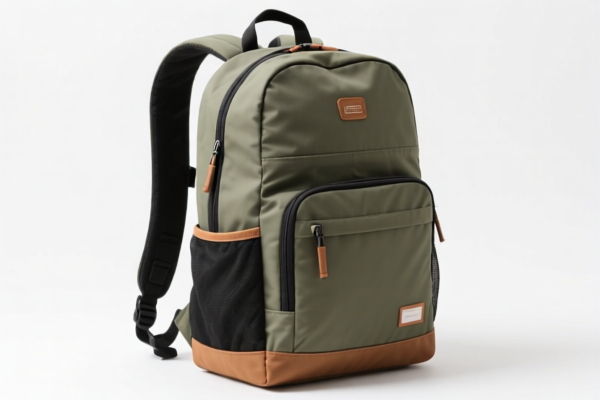
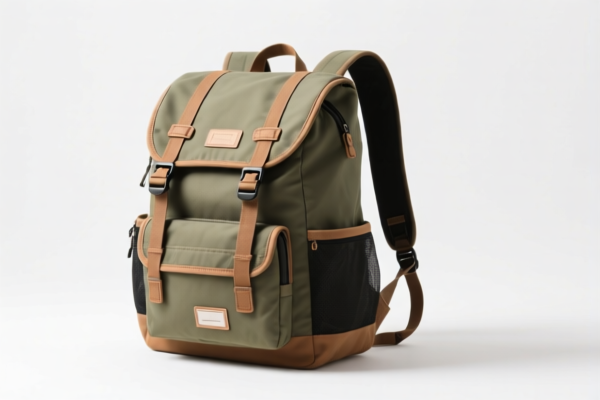
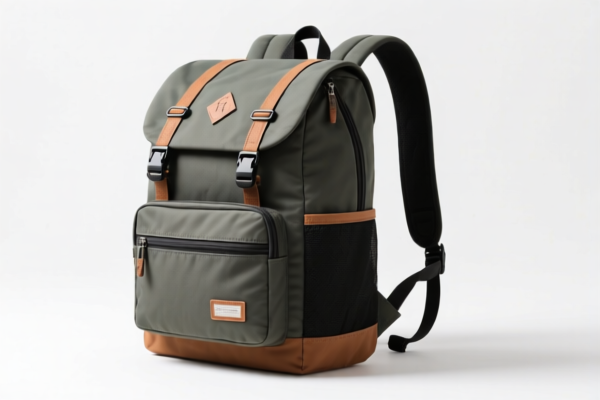
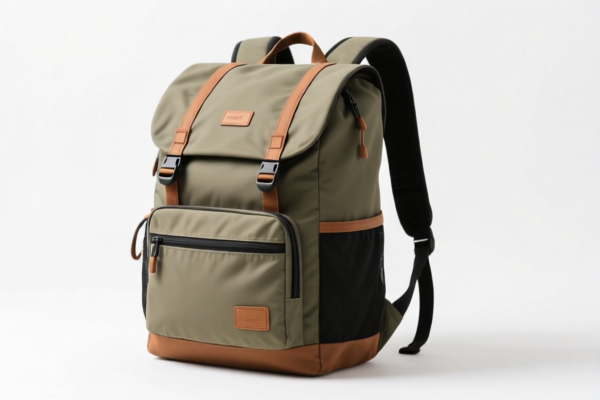
AI Analysis
🎒 Leisure Backpacks (Textile/Plastic Outer Surface)
🌐 HS Code Reference & Customs Clearance Guide | 2026 Latest Tariff Analysis | Professional Transit Strategy
📌 I. Product Definition & Classification: Do You Really Know What a "Leisure Backpack" Is?
Leisure backpacks are portable containers designed for carrying personal items during daily activities, travel, or sports. In international trade, they are strictly regulated under Chapter 42 (Articles of Leather; Saddle Harness).
The classification hinges on two critical factors: 1. Outer Surface Material: Is it textiles (nylon, polyester, canvas) or plastics/vulcanized fiber? 2. Specific Type: Is it explicitly a "Backpack" or a generic "Other bag"?
⚠️ Key Distinction:
- If the outer surface is textile materials AND it is explicitly a Backpack →4202.92.31.20
- If the outer surface is textile materials but it is NOT a backpack (e.g., duffel, tote, general travel bag) →4202.92.31.31
📦 II. HS Code Classification Details (2026 Official Tariff Mapping)
| HS Code | Product Description | Applicable Scenario | Material Constraint |
|---|---|---|---|
4202.92.31.20 |
Backpacks with outer surface of textile materials | School bags, hiking backpacks, urban commuter bags made of nylon/polyester/canvas | ✅ Outer: Textile ✅ Type: Backpack |
4202.92.31.31 |
Other Bags with outer surface of textile materials | Travel duffels, sports bags, toiletry bags, handbags, or generic travel bags NOT classified as backpacks | ✅ Outer: Textile ❌ Type: Not Backpack |
🔍 Critical Reminder:
- Material Check: Both codes apply ONLY if the outer surface is made of textile materials or sheeting of plastics. If the bag is 100% leather, it falls under different subheadings (e.g., 4202.12 or 4202.22).
- "Man-made Fibers" Context: The data specifies "Of man-made fibers," which typically includes nylon, polyester, and acrylic. Natural fibers (cotton, wool) may still fall under textile categories but require careful verification against local customs interpretation.
- Do Not Misclassify: A "duffel bag" is not a "backpack." Misdeclaring a duffel as a backpack to chase specific tariffs (if any existed differently) is risky. In this dataset, both have 0% tax, but correct documentation prevents clearance delays.
💰 III. 2026 Latest Tariff Rate Details (Zero-Tax Environment)
✅ Applicable Country: United States (US)
✅ Origin: Any (Based on provided data)
✅ Effective Time: 2026 Current Rates
🎯 1. 4202.92.31.20 —— Leisure Backpacks (Textile Outer)
| Item | Content |
|---|---|
| Basic Tariff | 0.0% |
| Additional Tariffs (Section 301 / IEEPA) | 0.0% |
| Total Tax Rate | 0.0% |
| Tax Calculation | CIF Value × 0% = $0 |
| De Minimis Eligibility | ✅ Yes (Usually applies for low-value shipments) |
| Legal Basis | HTSUS 4202.92.31.20 |
📌 Explanation:
- Currently, leisure backpacks with textile/plastic outer surfaces enjoy zero tariff treatment in this specific dataset.
- This is a significant advantage for importers. However, ensure the country of origin does not trigger other sanctions or non-tariff barriers.
🎯 2. 4202.92.31.31 —— Other Textile Bags (Non-Backpack)
| Item | Content |
|---|---|
| Basic Tariff | 0.0% |
| Additional Tariffs (Section 301 / IEEPA) | 0.0% |
| Total Tax Rate | 0.0% |
| Tax Calculation | CIF Value × 0% = $0 |
| De Minimis Eligibility | ✅ Yes |
| Legal Basis | HTSUS 4202.92.31.31 |
📌 Note:
- Like backpacks, other textile travel/sports bags also enjoy 0% total tax.
- The distinction between.20and.31is purely classification accuracy, not cost-saving. Accurate classification ensures smooth customs clearance and avoids penalties for misdeclaration.
🛠️ IV. Customs Clearance Practical Advice (Pitfall Avoidance Guide)
✅ 1. Documentation Checklist (Non-negotiable)
| Document | Required? | Explanation |
|---|---|---|
| ✅ Commercial Invoice | ✔️ | Must clearly state "Leisure Backpack" or "Travel Bag" and specify material composition (e.g., "100% Polyester Outer Surface"). |
| ✅ Packing List | ✔️ | Itemized list with weights and dimensions. |
| ✅ Product Photos | ✔️ | Clear images showing the bag’s structure, handles/straps, and zippers. Helps customs verify it’s not a specialized case (e.g., camera bag). |
| ✅ Material Declaration | ✔️ | Explicitly state "Textile Materials" or "Plastic Sheeting" on the outer surface. |
| ✅ Brand & Origin | ✔️ | Verify if the brand is listed on UFLPA or other restricted entity lists. |
✅ 2. Declaration Tips (Key Mnemonics)
🔥 “Material Defines Surface, Shape Defines Type!”
| Scenario | Correct Declaration | Common Mistake |
|---|---|---|
| Nylon hiking backpack | 4202.92.31.20Desc: "Backpack, Nylon" |
Calling it "Travel Bag" → .31 (Wrong code, though same tax) |
| Canvas duffel bag | 4202.92.31.31Desc: "Duffel Bag, Canvas" |
Calling it "Backpack" → .20 (Wrong code) |
| Leather briefcase | NOT Covered in this data | Using .20 or .31 → Customs Rejection |
| Plastic-coated fabric bag | 4202.92.31.20 or .31 |
Ignoring "Plastic Sheeting" → Misclassification |
💡 Note: While both codes have 0% tax, customs systems may flag discrepancies in product descriptions. Always match the physical design (two shoulder straps + backpack shape = Backpack) to the code.
✅ 3. Special Considerations
| Scenario | Handling Advice |
|---|---|
| OEM/White Label Bags | Ensure the invoice does not list a restricted brand. If unbranded, declare as "Generic Leisure Backpack." |
| Bags with Electronics Pockets | If it contains a laptop compartment, it is still a backpack. Do NOT classify as "Computer Case" (which may have different rules). |
| Luxury Brand Names | Verify if the brand is subject to any specific trade sanctions or high due diligence requirements. |
| Mixed Materials | If the outer surface is 90% textile and 10% leather trim, it is still classified under Textile/Plastic if textile is the principal material. |
🌍 V. Global Market Comparison (2026 Snapshot)
| Market | Recommended HS Code | Estimated Duty | Key Requirement |
|---|---|---|---|
| 🇺🇸 USA | 4202.92.31.20 / .31 |
0.0% | Accurate material declaration; UFLPA compliance for cotton/textiles. |
| 🇨🇳 China | 4202.92.31 (Approx.) |
Varies (Check China Tariff) | CCC certification may apply for certain children's bags. |
| 🇪🇺 EU | 4202.92 (Approx.) |
~0-4% | REACH compliance for chemicals in textiles/plastics. |
| 🇬🇧 UK | 4202.92 (Approx.) |
~4% | Post-Brexit customs forms; UKCA marking if applicable. |
📌 Conclusion:
- The US market currently offers 0% tariff for these specific textile/plastic leisure bags.
- Zero Tax does not mean Zero Compliance. Material sourcing (especially cotton/viscose) must be vetted for forced labor compliance.
📌 VI. Common Errors & Pitfalls (Lessons Learned)
❌ Error 1: Calling a "Backpack" a "Travel Bag" or vice versa
👉 Consequence: While tax is 0% in this dataset, incorrect classification can lead to audit flags or delays if authorities suspect duty evasion.
❌ Error 2: Ignoring the "Outer Surface" material
👉 Consequence: If the bag is leather, declaring it as textile (4202.92...) is fraudulent misclassification. Leather bags have different duty rates and regulations.
❌ Error 3: Failing to specify "Man-made Fibers"
👉 Consequence: Ambiguity in material can lead to customs requests for additional information, causing shipment delays.
✅ Correct Practice:
“Leisure Backpack, 25L, Outer Material: 100% Recycled Polyester (Textile), With Water Resistant Coating, Model XYZ”
🎯 VII. Conclusion: Precision in Classification, Ease in Clearance
🎯 Remember the Rule:
🔹 “Backpack Shape + Textile/Plastic Surface = .20 or .31”
🔹 “Zero Tax Today, But Accuracy is Free!”
🔹 “Don’t Mix Leather with Textile Codes!”
📌 Pro Tip:
Even with 0% tariffs, ensure your supplier declarations match the HS Code description exactly.
- If you sell backpacks, use .20.
- If you sell duffels/sports bags, use .31.
📣 Immediate Action:
📞 Confirm material composition with your supplier.
🚀 Prepare clear product images and material specs.
💼 Start with the right code, and customs will breeze through!
✨ Professional Clearance Starts with Accurate Classification!
💼 Your Profit Margin is Protected by Precision!
Customer Reviews
About HS Code Classification
The Harmonized System (HS) is an internationally standardized nomenclature developed by the World Customs Organization (WCO) to classify traded products. Over 200 countries use the HS system as the basis for customs tariffs, trade statistics, and import/export regulations.
Each HS code follows a hierarchical structure:
- Chapter (2 digits) — Broad category of goods (e.g., Chapter 84: Machinery and Mechanical Appliances)
- Heading (4 digits) — More specific grouping within the chapter
- Subheading (6 digits) — Internationally standardized breakdown, used by all WCO member countries
- National subdivisions (8-10 digits) — Country-specific extensions for further classification, such as US HTSUS 10-digit codes
Correct HS code classification is essential for smooth customs clearance, accurate duty payment, and compliance with trade regulations. Misclassification can lead to customs delays, overpayment of duties, or penalties.
When importing from CN to US, the applicable tariff rates may include:
- Most-Favored-Nation (MFN) rate — The standard duty rate applied to WTO members
- General rate — Applied to countries without trade agreements
- Trade remedy duties — Additional tariffs such as Section 301 (anti-dumping), Section 232 (national security), or countervailing duties
The information provided on this page is for reference purposes only. For official classification, please consult with your local customs authority or a licensed customs broker.