Lemon Juicer
CN → US| HS Code | Tariff Rate | Origin | Destination | Doc |
|---|---|---|---|---|
| 8210000000 | 38.7% | CN | US | Official Doc |
| 8509400030 | 14.2% | CN | US | Official Doc |
| 8509400015 | 14.2% | CN | US | Official Doc |
| 3924104000 | 13.4% | CN | US | Official Doc |
| 3924102000 | 24.0% | CN | US | Official Doc |
Product Images
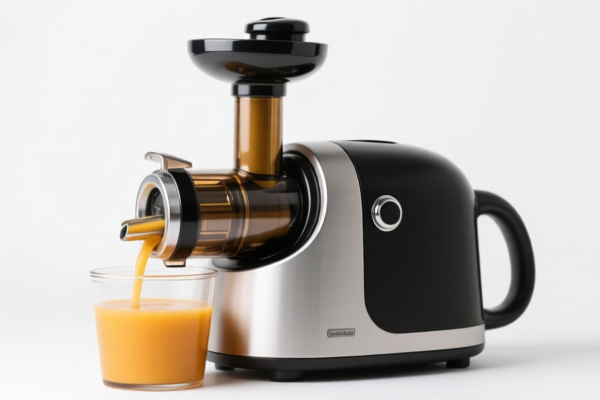
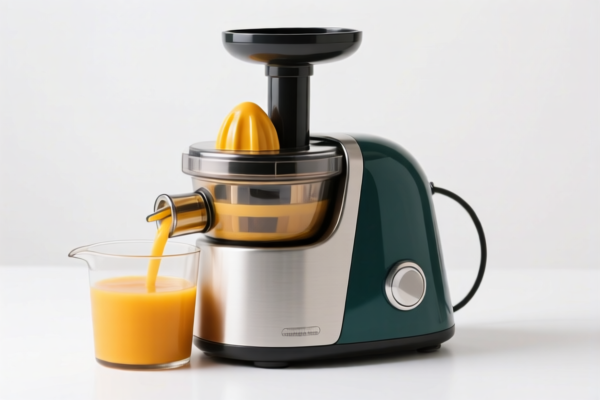
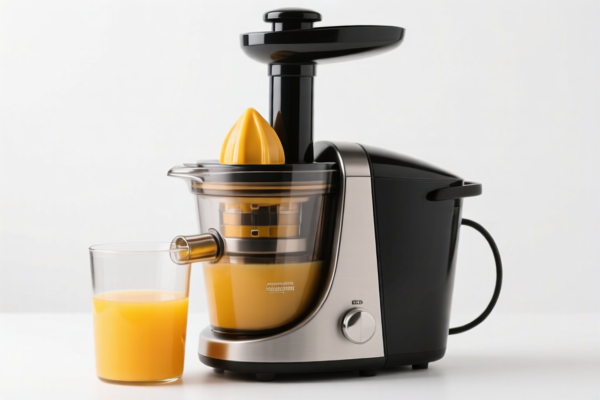
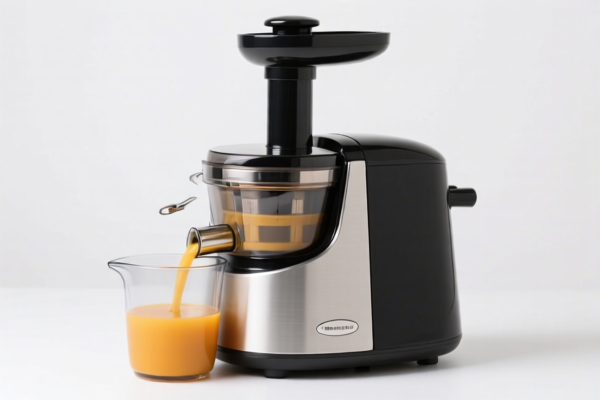
AI Analysis
🍋 Lemon Juicer (Citrus Presses & Extractors)
🌐 HS Code Reference & Customs Clearance Guide | 2026 Latest Tariff Analysis | Professional Clearance Strategy
📌 I. Product Definition & Classification: Do You Really Understand "Lemon Juicer"?
A "Lemon Juicer" is a broad term in international trade that covers mechanical devices designed to extract juice from citrus fruits. In customs classification, the material and power source are the critical factors that determine the correct HS Code.
Manual Mechanical Tools: Hand-held squeezers, presses, or reamers made of metal, plastic, or other materials. These fall under Chapter 82 (Tools) or Chapter 39 (Plastics).
Electric Appliances: Motor-driven extractors or blenders designed for home use. These fall under Chapter 85 (Electrical Machinery).
⚠️ Key Distinction Point:
- If it is a simple hand-held tool (no motor, no battery) → Usually 8210 or 3924;
- If it has an electric motor (plug-in or battery-operated) → Must be 8509;
- Misclassification can lead to massive tariff differences (e.g., 38.7% vs. 14.2%).
📦 II. HS Code Classification Details (2026 Latest Tariff Authority Comparison)
Based on the provided data, here is the authoritative classification for different types of juicers:
| HS Code | Product Description | Application Scenario | Key Feature |
|---|---|---|---|
8210.00.00.00 |
Manual mechanical appliances for food preparation | Hand-held metal/plastic squeezers, manual presses | ✅ Mechanical, Non-electric |
8509.40.00.30 |
Fruit or vegetable juice extractors | Electric citrus juicers (stand-alone) | ✅ Electric, Dedicated Function |
8509.40.00.15 |
Blenders under the juice extractor category, for household use | Electric blenders/mixers used for juice | ✅ Electric, Household Appliance |
3924.10.40.00 |
Plastic kitchen utensils for food preparation | Plastic hand-held squeezers | ✅ Plastic, Manual |
3924.10.20.00 |
Plastic or metal kitchen utensils for food preparation | Mixed material manual tools (e.g., plastic handle + metal core) | ✅ Mixed Material, Manual |
🔍 Important Reminder:
- Electric Juicers MUST be declared under 8509. Declaring an electric juicer as a manual tool (8210or3924) is a serious error that may trigger customs audits.
- Manual Juicers:
- Purely plastic: 3924.10.40.00 (Lowest Total Tax).
- Metal/Plastic mix: 3924.10.20.00 (High Total Tax due to 7.5% Additional Tariff).
- General manual tools: 8210.00.00.00 (Highest Total Tax).
💰 III. 2026 Latest Tariff Rate Details (Including Additional Taxes & Policy Surcharges)
✅ Applicable Country: United States (US)
✅ Origin: China (CN)
✅ Effective Date: Current (Includes 122 Clause Tariffs)
🎯 1. 8210.00.00.00 —— Manual Mechanical Appliances for Food Preparation
| Item | Content |
|---|---|
| Basic Tariff | 3.7% (ad valorem) |
| Additional Tariff (Section 301) | +25.0% |
| Section 122 Tariff | +10.0% |
| Total Tariff Rate | 38.7% |
| Tax Calculation | CIF Value × 38.7% |
| De Minimis Eligibility | ❌ No (High tariff rates usually exclude de minimis benefits or trigger scrutiny) |
| Legal Basis Path | HTSUS:8210.00.00.00 → Section 301: 25% → Section 122: 10% |
📌 Explanation:
- This category captures general manual mechanical tools.
- Total 38.7% is the highest among manual/electric options in this dataset.
- Why so high? It incurs both the heavy Section 301 tariff (25%) and the Section 122 tariff (10%).
🎯 2. 8509.40.00.30 —— Fruit or Vegetable Juice Extractors (Electric)
| Item | Content |
|---|---|
| Basic Tariff | 4.2% (ad valorem) |
| Additional Tariff (Section 301) | 0.0% |
| Section 122 Tariff | +10.0% |
| Total Tariff Rate | 14.2% |
| Tax Calculation | CIF Value × 14.2% |
| De Minimis Eligibility | ❌ No (Due to Section 122) |
| Legal Basis Path | HTSUS:8509.40.00.30 → Section 122: 10% |
📌 Key Advantage:
- Section 301 Tariff is 0% for this specific subheading. This is a huge cost saver compared to8210.
- Only the 10% Section 122 tariff applies.
- Ideal for: Electric citrus juicers.
🎯 3. 8509.40.00.15 —— Blenders for Household Use (Electric)
| Item | Content |
|---|---|
| Basic Tariff | 4.2% (ad valorem) |
| Additional Tariff (Section 301) | 0.0% |
| Section 122 Tariff | +10.0% |
| Total Tariff Rate | 14.2% |
| Tax Calculation | CIF Value × 14.2% |
| De Minimis Eligibility | ❌ No (Due to Section 122) |
| Legal Basis Path | HTSUS:8509.40.00.15 → Section 122: 10% |
📌 Note:
- Same tax structure as8509.40.00.30.
- Use this if the device is technically a "blender" or "mixer" used for juicing, rather than a dedicated "extractor".
🎯 4. 3924.10.40.00 —— Plastic Kitchen Utensils (Manual)
| Item | Content |
|---|---|
| Basic Tariff | 3.4% (ad valorem) |
| Additional Tariff (Section 301) | 0.0% |
| Section 122 Tariff | +10.0% |
| Total Tariff Rate | 13.4% |
| Tax Calculation | CIF Value × 13.4% |
| De Minimis Eligibility | ❌ No (Due to Section 122) |
| Legal Basis Path | HTSUS:3924.10.40.00 → Section 122: 10% |
📌 Best Value for Manual Tools:
- If your lemon juicer is 100% plastic, this is the cheapest option (13.4%).
- Section 301 is 0%. Only Section 122 (10%) applies.
🎯 5. 3924.10.20.00 —— Plastic or Metal Kitchen Utensils (Mixed)
| Item | Content |
|---|---|
| Basic Tariff | 6.5% (ad valorem) |
| Additional Tariff (Section 301) | +7.5% |
| Section 122 Tariff | +10.0% |
| Total Tariff Rate | 24.0% |
| Tax Calculation | CIF Value × 24.0% |
| De Minimis Eligibility | ❌ No (Due to Section 122) |
| Legal Basis Path | HTSUS:3924.10.20.00 → Section 301: 7.5% → Section 122: 10% |
📌 Warning:
- If the product contains both plastic and metal parts (even small ones), it may fall here.
- Total 24.0% is significantly higher than pure plastic (13.4%).
- Avoid this if possible by ensuring product design is clearly categorized as "plastic utensils" (3924.10.40.00) if feasible, or clarify material composition.
🛠️ IV. Customs Clearance Practical Advice (Battle-Tested Pitfall Guide)
✅ 1. Document Checklist (Essential)
| Document | Must Provide | Description |
|---|---|---|
| ✅ Product Specification Sheet | ✔️ | Material composition (Plastic vs. Metal vs. Electric), Power source (if any) |
| ✅ Product Photos | ✔️ | Clear images of the entire unit, including any motors, plugs, or blades |
| ✅ Commercial Invoice | ✔️ | Description must match HS Code (e.g., "Electric Citrus Juicer" vs. "Plastic Lemon Squeezer") |
| ✅ Packing List | ✔️ | Details of contents per box |
| ✅ Material Declaration | ✔️ | Explicitly state if the product is 100% plastic or contains metal parts |
✅ 2. Declaration Tips (Critical Mantras)
🔥 “Electric goes to 85, Plastic to 39, Metal/General to 82. Know your material, save your money!”
| Scenario | Correct Declaration | Incorrect Action |
|---|---|---|
| Electric Juicer | 8509.40.00.30 or 8509.40.00.15 |
Declaring as manual tool → Audit Risk |
| 100% Plastic Manual Juicer | 3924.10.40.00 |
Declaring as mixed material → Extra 10.6% Tax |
| Plastic + Metal Manual Juicer | 3924.10.20.00 |
Declaring as pure plastic → Penalty |
| Metal/General Manual Tool | 8210.00.00.00 |
N/A (Only option for general manual tools) |
✅ 3. Special Handling
| Situation | Handling Advice |
|---|---|
| OEM Plastic Juicer with Metal Spring | Consult with customs broker. If metal is minor, argue for 3924.10.40.00 (Plastic utensils) based on essential character. |
| Electric Juicer with Ceramic Blade | Still 8509.40. Motor defines the classification. |
| Gift Set (Juicer + Bowl) | Declare as the primary item (Juicer). The bowl may be classified separately or included depending on packaging. |
🌍 V. Global Market Comparison (2026 Latest)
| Country/Region | Recommended HS Code | Tariff (China Origin) | Notes |
|---|---|---|---|
| 🇺🇸 USA | 8509.40.00.30 |
14.2% | Best for electric. Avoid 8210 (38.7%). |
| 🇺🇸 USA | 3924.10.40.00 |
13.4% | Best for plastic manual. |
| 🇪🇺 EU | 8509.40 |
Varies (Typically 0-4%) | No Section 122/301 equivalent. |
| 🇨🇳 China | 8509.40 |
5-10% | Standard import tariff. |
📌 Conclusion:
- The US market is highly sensitive to Section 122 and 301 tariffs.
- Electric Juicers are surprisingly cheaper than General Manual Tools due to the 0% Section 301 rate on8509.
- Plastic Manual Juicers are the cheapest overall (13.4%), beating electric ones slightly.
📌 VI. Common Mistakes & Pitfall Guide (Lessons Learned from Tears)
❌ Mistake 1: Declaring an Electric Juicer as a "Kitchen Tool" (8210 or 3924)
👉 Consequence: Incorrect classification. If caught, penalties apply. Also, you might miss the 0% Section 301 benefit for 8509.
❌ Mistake 2: Declaring a Plastic + Metal Juicer as Pure Plastic (3924.10.40.00)
👉 Consequence: If customs inspects and finds metal parts, they will reclassify to 3924.10.20.00 (24.0%) and demand back taxes + interest.
❌ Mistake 3: Ignoring Section 122 Tariff
👉 Consequence: All listed HS codes in the data include a 10% Section 122 tariff. Do not assume "0% Additional Tariff" means free. Total cost is always Basic + 10% (Section 122).
✅ Correct Practice:
"Electric Citrus Juicer, 120V, Plastic Housing, Model XYZ" → 8509.40.00.30
"Plastic Lemon Squeezer, Hand-held, 100% PP Plastic" → 3924.10.40.00
🎯 VII. Conclusion: Precise Classification, Maximum Savings!
🎯 Remember the Mantra:
🔹 "Electric is 8509 (14.2%), Plastic is 3924-40 (13.4%), Mixed is 3924-20 (24.0%), Manual General is 8210 (38.7%)."
🔹 "Section 122 is 10% across the board. Section 301 is the killer."
🔹 "Choose 8509 or Plastic 3924-40 for lowest cost. Avoid 8210 and Mixed 3924-20."
📌 Pro Tip:
If you are exporting Electric Juicers to the US, ensure your supplier provides a material composition report. Sometimes, minor metal parts can shift your classification from the favorable 8509 (0% Section 301) to a less favorable manual category if mislabeled.
📣 Take Action Now:
📞 Contact a licensed customs broker + Provide product photos + Apply for Advance Ruling if shipment value is high.
🚀 Let your lemon juicers clear customs smoothly, save up to 25% in tariffs, and boost your profit margins!
✨ Professional Clearance Starts with Accurate Classification!
💼 Every cent saved in tariff is profit earned!
Customer Reviews
About HS Code Classification
The Harmonized System (HS) is an internationally standardized nomenclature developed by the World Customs Organization (WCO) to classify traded products. Over 200 countries use the HS system as the basis for customs tariffs, trade statistics, and import/export regulations.
Each HS code follows a hierarchical structure:
- Chapter (2 digits) — Broad category of goods (e.g., Chapter 84: Machinery and Mechanical Appliances)
- Heading (4 digits) — More specific grouping within the chapter
- Subheading (6 digits) — Internationally standardized breakdown, used by all WCO member countries
- National subdivisions (8-10 digits) — Country-specific extensions for further classification, such as US HTSUS 10-digit codes
Correct HS code classification is essential for smooth customs clearance, accurate duty payment, and compliance with trade regulations. Misclassification can lead to customs delays, overpayment of duties, or penalties.
When importing from CN to US, the applicable tariff rates may include:
- Most-Favored-Nation (MFN) rate — The standard duty rate applied to WTO members
- General rate — Applied to countries without trade agreements
- Trade remedy duties — Additional tariffs such as Section 301 (anti-dumping), Section 232 (national security), or countervailing duties
The information provided on this page is for reference purposes only. For official classification, please consult with your local customs authority or a licensed customs broker.