Lens Case
CN → US| HS Code | Tariff Rate | Origin | Destination | Doc |
|---|---|---|---|---|
| 4202929315 | 52.6% | CN | US | Official Doc |
| 3926909989 | 22.8% | CN | US | Official Doc |
| 3926901000 | 20.9% | CN | US | Official Doc |
| 4420908000 | 38.2% | CN | US | Official Doc |
| 3923102000 | 35.0% | CN | US | Official Doc |
| 4202999000 | 55.0% | CN | US | Official Doc |
Product Images
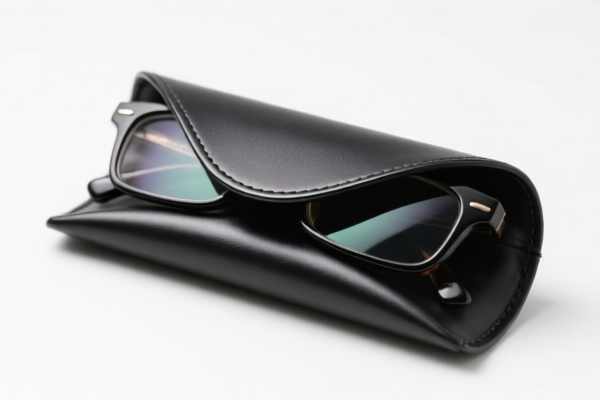
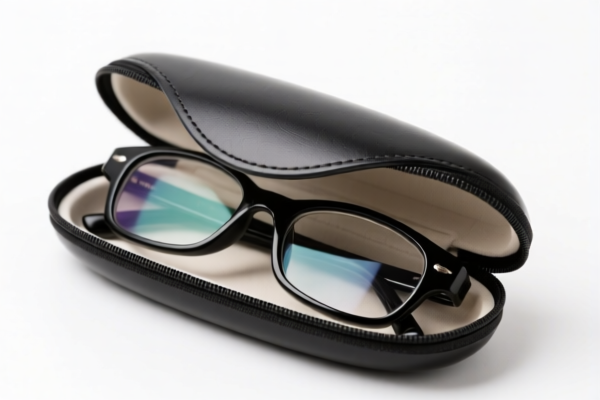
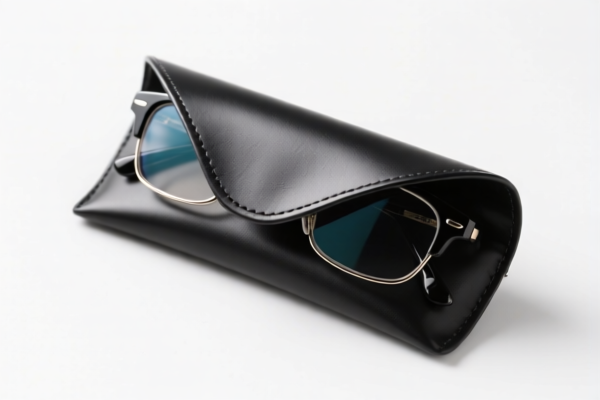

AI Analysis
🕶️ Lens Case (Eyewear & Optical Accessories)
🌐 HS Code Reference & Customs Clearance Guide | 2026 Latest Tariff Analysis | Professional Compliance Strategy
📌 I. Product Definition & Classification: Do You Really Understand "Lens Cases"?
A "Lens Case" (or Glasses Case) is a portable container designed to protect optical lenses, eyeglasses, sunglasses, or camera lenses. In international trade, its classification is highly sensitive to material composition and form factor. Unlike general "boxes," lens cases often fall under specific chapters depending on whether they are made of plastic, textile materials, or wood.
Key Classification Drivers: * Material: Plastic (Ch. 39), Textile/Leather (Ch. 42), or Wood (Ch. 44). * Function: Is it a simple container (Ch. 42/39/44) or a specific packaging item like a bag/box (Ch. 39/42)? * Form: Rigid case vs. Soft pouch.
⚠️ Critical Distinction:
- If the case is primarily textile-based (fabric exterior, soft interior) → Chapter 42.
- If the case is plastic (rigid or semi-rigid) → Chapter 39.
- If the case is wooden → Chapter 44.
- Do not guess! The material determines the HS Code, which drastically changes the duty rate.
📦 II. HS Code Classification Details (2026 Latest Tariff Authority Comparison)
Based on the provided data analysis for "Lens Case," here are the potential HS Codes and their logical derivations:
| HS Code | Product Description | Material Basis | Rationale from Data |
|---|---|---|---|
4202.92.93.15 |
Articles of travel, sports bag, or similar container; with outer surface of textile materials. | Textile Fabric | Inferred: Based on common consumer lens cases (soft fabric/suede exterior). No material conflict with textile classification. |
3926.90.99.89 |
Other articles of plastic; other. | Plastic | Inferred: Common hard-shell plastic cases. Fits "plastic articles" category with no shape/function conflict. |
3926.90.10.00 |
Other articles of plastic: Buckets and pails (interpreted as rigid containers). | Plastic (Rigid) | Inferred: Plastic container matching the function of "buckets/pails" (rigid storage). Functional consistency with rigid containers. |
4420.90.80.00 |
Decorative woodwork and articles of wood (including jewelry/cutlery boxes). | Wood | Inferred: Wooden lens cases (premium/luxury segment). Fits "wooden boxes" description with no material conflict. |
3923.10.20.00 |
Articles for the conveyance or packing of goods, of plastics: Boxes, cases, crates, and similar articles. | Plastic (Packaging) | Inferred: Plastic case viewed as a "packing article." Matches plastic packaging characteristics with no material conflict. |
4202.99.90.00 |
Articles of travel, sports bag, or similar container; other (plastic, textile, paperboard). | Mixed/Multi-Material | Inferred: General "container/bag" classification. Covers cases made of plastic, textile, or paperboard without specific material designation. |
🔍 Key Insight:
- Textile cases (4202.92.93.15) and Mixed cases (4202.99.90.00) carry the highest tax burden due to specific US trade policies.
- Plastic cases (3926/3923) generally offer lower base duties, but are still subject to significant additional tariffs.
- Wooden cases (4420.90.80.00) fall into a niche category with moderate base duties but high total rates due to add-ons.
💰 III. 2026 Latest Tariff Rate Breakdown (Including Surcharges & Policy Add-ons)
✅ Applicable Country: United States (US)
✅ Country of Origin: China (CN)
✅ Effective Time: Post-November 2025 (Current Active Rates)
🎯 1. 4202.92.93.15 —— Lens Case (Textile Outer Surface)
| Item | Detail |
|---|---|
| Base Tariff | 17.6% |
| Section 301 Surcharge | 25.0% |
| Section 122 Tariff | 10.0% |
| Total Rate | 52.6% |
| Calculation | CIF Value × 52.6% |
| De Minimis Exemption? | ❌ NO (deny_de_minimis) |
| Legal Basis | Base Rate + USITC Section 301 + IEEPA Section 122 |
📌 Explanation:
- Textile-based containers are often scrutinized for "transshipment" risks, leading to higher scrutiny.
- The 52.6% total rate is extremely high. This code is suitable only if the case is undeniably textile-based (e.g., neoprene, fabric, suede).
🎯 2. 3926.90.99.89 —— Lens Case (Plastic, Other)
| Item | Detail |
|---|---|
| Base Tariff | 5.3% |
| Section 301 Surcharge | 7.5% |
| Section 122 Tariff | 10.0% |
| Total Rate | 22.8% |
| Calculation | CIF Value × 22.8% |
| De Minimis Exemption? | ❌ NO |
| Legal Basis | Base Rate + USITC Section 301 + IEEPA Section 122 |
📌 Explanation:
- A more cost-effective option for standard hard-shell plastic cases.
- Lower base duty (5.3%) helps mitigate the impact of surcharges.
🎯 3. 3926.90.10.00 —— Lens Case (Plastic, Bucket/Pail Type)
| Item | Detail |
|---|---|
| Base Tariff | 3.4% |
| Section 301 Surcharge | 7.5% |
| Section 122 Tariff | 10.0% |
| Total Rate | 20.9% |
| Calculation | CIF Value × 20.9% |
| De Minimis Exemption? | ❌ NO |
| Legal Basis | Base Rate + USITC Section 301 + IEEPA Section 122 |
📌 Note:
- This code interprets the lens case as a "rigid container" similar to buckets/pails.
- Offers the lowest total rate (20.9%) among all options.
- Risk: Customs may reject this if the shape is not sufficiently "bucket-like." Use only for sturdy, rigid plastic cases.
🎯 4. 4420.90.80.00 —— Lens Case (Wooden)
| Item | Detail |
|---|---|
| Base Tariff | 3.2% |
| Section 301 Surcharge | 25.0% |
| Section 122 Tariff | 10.0% |
| Total Rate | 38.2% |
| Calculation | CIF Value × 38.2% |
| De Minimis Exemption? | ❌ NO |
| Legal Basis | Base Rate + USITC Section 301 + IEEPA Section 122 |
📌 Explanation:
- Wooden cases are often luxury items. While base duty is low (3.2%), the 25% Section 301 surcharge significantly increases costs.
- Suitable only for high-value wooden eyewear cases.
🎯 5. 3923.10.20.00 —— Lens Case (Plastic, Packaging Box)
| Item | Detail |
|---|---|
| Base Tariff | 0.0% |
| Section 301 Surcharge | 25.0% |
| Section 122 Tariff | 10.0% |
| Total Rate | 35.0% |
| Calculation | CIF Value × 35.0% |
| De Minimis Exemption? | ❌ NO |
| Legal Basis | Base Rate + USITC Section 301 + IEEPA Section 122 |
📌 Explanation:
- Classifies the lens case as a "packing article" rather than a general plastic good.
- Base duty is 0%, but the high surcharges (35% total) make it less competitive than3926.90.10.00.
🎯 6. 4202.99.90.00 —— Lens Case (Other Materials/General)
| Item | Detail |
|---|---|
| Base Tariff | 20.0% |
| Section 301 Surcharge | 25.0% |
| Section 122 Tariff | 10.0% |
| Total Rate | 55.0% |
| Calculation | CIF Value × 55.0% |
| De Minimis Exemption? | ❌ NO |
| Legal Basis | Base Rate + USITC Section 301 + IEEPA Section 122 |
📌 Explanation:
- Highest Total Rate (55.0%).
- Use this code only if the material is ambiguous or mixed (e.g., plastic shell with textile lining) and cannot be classified elsewhere.
- Avoid if you can clearly identify the primary material.
🛠️ IV. Customs Clearance Practical Advice (Pitfall Avoidance Guide)
✅ 1. Required Documentation Checklist
| Document | Mandatory | Description |
|---|---|---|
| ✅ Product Specification Sheet | ✔️ | Must explicitly state MATERIAL (e.g., "Outer: 600D Polyester, Inner: Microfiber"). |
| ✅ High-Resolution Photos | ✔️ | Show exterior texture (fabric vs. plastic) and structure. |
| ✅ Bill of Lading/Air Waybill | ✔️ | Ensure description matches HS Code intent. |
| ✅ Commercial Invoice | ✔️ | Item name: "Plastic Glasses Case" or "Fabric Eyewear Pouch" – Be Specific. |
| ✅ Certificate of Origin (CO) | ✔️ | To verify China origin for surcharge calculations. |
✅ 2. Declaration Strategy (Key Mnemonics)
🔥 “Material First, Code Second, Surcharge Avoided!”
| Scenario | Correct Declaration | Incorrect Declaration | Consequence |
|---|---|---|---|
| Hard Plastic Case | 3926.90.10.00 (Plastic Rigid) |
4202.99.90.00 |
20.9% vs 55.0% → Savings of 34.1% |
| Soft Fabric Case | 4202.92.93.15 (Textile) |
3926.90.99.89 |
52.6% vs 22.8% → Penalty/Risk of Re-classification |
| Wooden Case | 4420.90.80.00 (Wood) |
3926.90.99.89 |
38.2% vs 22.8% → Misclassification Risk |
| Mixed Material Case | 4202.99.90.00 (Other) |
Generic "Lens Case" | 55.0% → Highest Cost |
📌 Pro Tip:
- If the case is plastic, try to qualify for3926.90.10.00(20.9%) if the shape is rigid. It is the most cost-effective option.
- If the case is textile, you are stuck with4202.92.93.15(52.6%). Consider if a plastic interior hard case with a fabric exterior can be classified under3926(20.9% or 22.8%) if the plastic provides the primary structural support. Consult a customs broker for hybrid cases!
✅ 3. Special Cases & Handling
| Situation | Handling Advice |
|---|---|
| Hybrid Cases (Plastic + Textile) | If the plastic shell is the main structural component, argue for Chapter 39. If the textile is the primary material, use Chapter 42. |
| Luxury Wooden Cases | Ensure the wood is not from prohibited species. Use 4420.90.80.00. |
| Camera Lens Cases | Same logic applies. If it's a tube shape, 3926.90.10.00 might be more applicable than a "box." |
| Small Pouches (Soft) | If very soft and fabric-only, 4202.92.93.15 is the only option. |
🌍 V. Global Market Comparison (2026 Latest)
| Country/Region | Recommended HS Code | Tariff Rate (China Origin) | Certification Requirements | Notes |
|---|---|---|---|---|
| 🇺🇸 USA | 3926.90.10.00 (Plastic) |
20.9% (Total) | None specific | Best Rate for plastic cases. High risk for textile cases (52.6%). |
| 🇺🇸 USA | 4202.92.93.15 (Textile) |
52.6% (Total) | None specific | High Cost. Avoid if possible. |
| 🇨🇳 China | 3926.90.99.89 |
~5-10% | CCC (if applicable) | Lower tariffs, no Section 301/122. |
| 🇪🇺 EU | 4202.92.00 |
~4-7% | CE (if optical) | No Section 122/301 equivalent. |
| 🇬🇧 UK | 4202.92.00 |
~4-7% | UKCA | Post-Brexit rules apply. |
📌 Conclusion:
- USA is the most expensive market for lens cases due to Section 301 and Section 122 tariffs.
- Plastic cases (3926) are the cheapest option for US entry (20.9% vs 52.6%).
- Textile cases (4202) face punitive rates. Consider redesigning to use more plastic components to lower the duty rate.
📌 VI. Common Errors & Pitfall Guide (Blood-Tested Lessons)
❌ Error 1: Declaring a fabric case as 3926.90.99.89 (Plastic).
👉 Consequence: Customs will inspect, find textile fibers, reclassify to 4202.92.93.15, and charge 52.6%. You will pay back taxes + penalties.
❌ Error 2: Using generic "Lens Case" without specifying material.
👉 Consequence: Customs has the right to classify based on their judgment, often leading to the highest possible rate (4202.99.90.00 at 55.0%) or detention.
❌ Error 3: Ignoring Section 122 Tariff.
👉 Consequence: Many importers only calculate Section 301 (25%). Forgetting the 10% Section 122 leads to underpayment and audit risks.
✅ Correct Practice:
"Hard Shell Glasses Case, Outer Material: ABS Plastic, Inner: Microfiber, Model: XYZ, Origin: China"
→ Declared under3926.90.10.00→ 20.9% Total Duty.
🎯 VII. Conclusion: Precision Classification Saves Money!
🎯 Remember the Mnemonic:
🔹 "Plastic Rigid is King (20.9%), Textile is King of Cost (52.6%).
🔹 Specify Material! Don't Guess! Section 122 adds 10% to everything!"
📌 Pro Tip:
If you are importing plastic lens cases, aim for 3926.90.10.00 (20.9%). This is the lowest risk, lowest cost path for the US market.
For textile cases, there is no easy way to reduce the 52.6% rate. Consider if a hybrid design (plastic shell with fabric lining) can be classified under Chapter 39.
📣 Immediate Action:
📞 Contact a Customs Broker: Provide photos and material specs.
📄 Apply for Advance Ruling: To confirm the HS Code before shipment.
🚀 Optimize Design: Switch to rigid plastic cases if cost is a major factor.
✨ Professional Clearance Starts with Accurate Classification!
💼 Every Percentage Point of Duty Saved is Pure Profit!
Customer Reviews
About HS Code Classification
The Harmonized System (HS) is an internationally standardized nomenclature developed by the World Customs Organization (WCO) to classify traded products. Over 200 countries use the HS system as the basis for customs tariffs, trade statistics, and import/export regulations.
Each HS code follows a hierarchical structure:
- Chapter (2 digits) — Broad category of goods (e.g., Chapter 84: Machinery and Mechanical Appliances)
- Heading (4 digits) — More specific grouping within the chapter
- Subheading (6 digits) — Internationally standardized breakdown, used by all WCO member countries
- National subdivisions (8-10 digits) — Country-specific extensions for further classification, such as US HTSUS 10-digit codes
Correct HS code classification is essential for smooth customs clearance, accurate duty payment, and compliance with trade regulations. Misclassification can lead to customs delays, overpayment of duties, or penalties.
When importing from CN to US, the applicable tariff rates may include:
- Most-Favored-Nation (MFN) rate — The standard duty rate applied to WTO members
- General rate — Applied to countries without trade agreements
- Trade remedy duties — Additional tariffs such as Section 301 (anti-dumping), Section 232 (national security), or countervailing duties
The information provided on this page is for reference purposes only. For official classification, please consult with your local customs authority or a licensed customs broker.