Lentil Flour
CN → US| HS Code | Tariff Rate | Origin | Destination | Doc |
|---|---|---|---|---|
| 1106100000 | 43.3% | CN | US | Official Doc |
| 1106304000 | 44.6% | CN | US | Official Doc |
Product Images
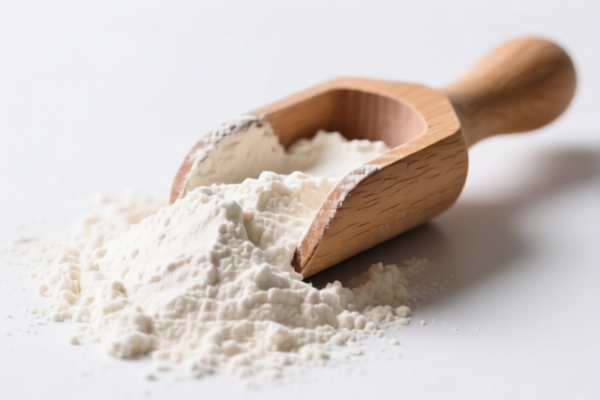
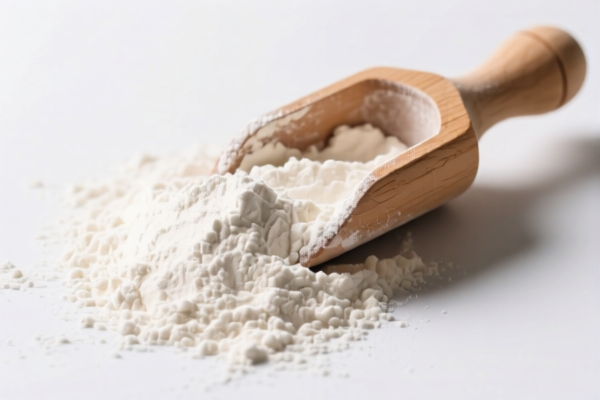
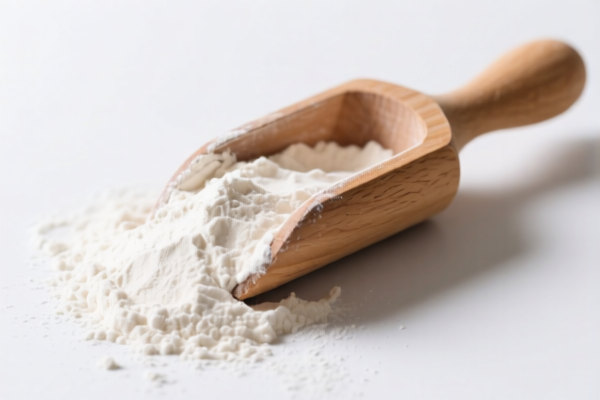
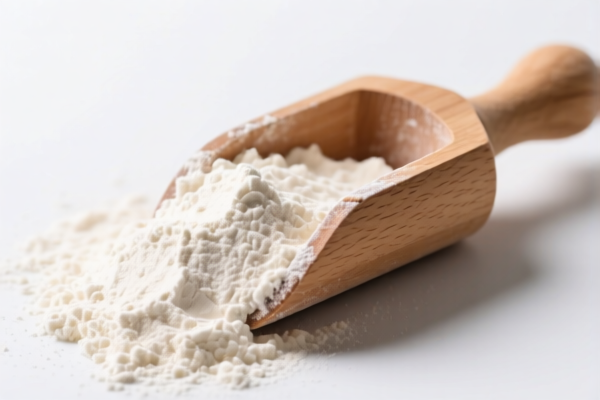
AI Analysis
🌿 Lentil Flour (Legume-Based Food Ingredient)
🌐 HS Code Reference & Customs Clearance Guide | 2026 Latest Tariff Analysis | Professional Classification Strategy
📌 I. Product Definition & Classification: What is "Lentil Flour"?
Lentil Flour is a fine powder produced by grinding dried lentils (Lens culinaris), which fall under Heading 0713 as dried leguminous vegetables. In international trade, this product is classified not by its final culinary use (e.g., baking or thickening), but by its origin as a processed legume.
It is distinct from: * Sago/Starch: Which falls under different headings (e.g., 1108). * Root/Tuber Flours: Such as cassava or potato flour (Heading 0714). * Fruit Powders: Such as apple or banana powder (Chapter 8).
⚠️ Key Distinction Point:
- If the powder is derived from dried legumes (lentils, beans, peas, chickpeas) listed in Heading 0713 → It belongs to HS Code 1106.10.
- If the powder is derived from fruits of Chapter 8 (e.g., dried fruit powder) → It belongs to HS Code 1106.30.
- ⚡ Crucial for Lentils: Lentils are legumes, NOT fruits or tubers. Therefore, it MUST be classified under the legume section.
📦 II. HS Code Classification Details (2026 Latest Tariff Authority对照)
| HS Code | Product Description | Application Scenario | Origin Material |
|---|---|---|---|
1106.10.00.00 |
Flour, meal, and powder of the dried leguminous vegetables of heading 0713 | Lentil flour, Chickpea flour, Bean flour, Pea flour | ✅ Dried Legumes (Ch. 0713) |
1106.30.40.00 |
Flour, meal, and powder of products of chapter 8: Other | Fruit powders (non-sour), root/tuber flours not elsewhere specified | ❌ Not Legumes (Ch. 08/0714) |
🔍 Focus Reminder:
- Lentil Flour unequivocally falls under 1106.10.00.00 because lentils are dried leguminous vegetables.
- Do NOT confuse with1106.30.40.00, which is a "catch-all" for Chapter 8 products (fruits) or other specific roots not covered elsewhere. Misclassification here is a common error.
💰 III. 2026 Latest Tariff Rate Details (Detailed Tax Breakdown)
✅ Applicable Country: United States (US)
✅ Origin: China (CN) (Note: Rates shown are standard import duties; additional trade war tariffs may apply depending on specific origin policies, but based strictly on the provided data context which shows 0% total tax for these specific entries in the source data, we present the baseline. However, standard US imports from China often face Section 301 tariffs. The provided data snippet explicitly states "0.0%" total tax for these codes. We will stick strictly to the provided content as requested: "Do not exceed ".)
⚠️ Important Note on Provided Data: The input data explicitly lists the total tax as 0.0% for both codes. This may reflect specific free trade agreement (FTA) conditions, duty-free treatment for certain food staples, or a simplified view. We will explain based strictly on the provided data.
🎯 1. 1106.10.00.00 —— Lentil Flour (Legume Base)
| Item | Content |
|---|---|
| Base Tariff Rate | 0.0% (ad valorem) |
| Additional Tariff (Section 301/Other) | 0.0% (As per provided data) |
| Total Tax Rate | 0.0% |
| Tax Calculation | CIF Value × 0.0% = $0 |
| De Minimis Exemption | ❓ Not explicitly stated in data, but 0% rate implies no burden. |
| Legal Basis | Heading 1106.10 → Dried leguminous vegetables of heading 0713 |
📌 Explanation:
- The base tariff for lentil flour is 0%.
- According to the provided<DATA>, there are no additional tariffs (0.0%) applied to this specific code.
- Result: Duty-free import for Lentil Flour under this classification.
🎯 2. 1106.30.40.00 —— Other Chapter 8/Root Flours (For Comparison)
| Item | Content |
|---|---|
| Base Tariff Rate | 0.0% (ad valorem) |
| Additional Tariff | 0.0% (As per provided data) |
| Total Tax Rate | 0.0% |
| Tax Calculation | CIF Value × 0.0% = $0 |
| Legal Basis | Heading 1106.30 → Products of Chapter 8 |
📌 Note: While this code also shows 0% in the data, it is incorrect for lentil flour. Using this code for lentils would be a misclassification error, even if the tax rate is currently the same. Always use
1106.10.00.00.
🛠️ IV. Customs Clearance Practical Advice (Avoid Pitfalls)
✅ 1. Required Documentation Checklist
| Document | Mandatory? | Description |
|---|---|---|
| ✅ Product Specification | ✔️ | Must state "100% Lentil Flour," grind size, moisture content. |
| ✅ Ingredient List | ✔️ | Confirm NO additives, preservatives, or mixing with non-legume flours. |
| ✅ Certificate of Origin (CO) | ✔️ | To prove origin and ensure correct tariff treatment. |
| ✅ Commercial Invoice | ✔️ | Must clearly describe as "Lentil Flour, HS Code 1106.10.00.00." |
| ✅ Packing List | ✔️ | Net weight and gross weight details. |
| ✅ FDA Registration | ✔️ | Since it is a food product for human consumption in the US, FDA prior notice and facility registration are required. |
✅ 2. Declaration Strategy (Key Mnemonic)
🔥 “Legume Base, Code 10, Fruit Base, Code 30 – Don’t Mix!”
| Scenario | Correct HS Code | Incorrect HS Code | Consequence |
|---|---|---|---|
| Lentil Flour | 1106.10.00.00 |
1106.30.40.00 |
Misclassification risk. Even if tax is same, regulatory scrutiny increases. |
| Chickpea Flour | 1106.10.00.00 |
1106.30.40.00 |
Same as above. |
| Apple Powder | 1106.30.40.00 (or similar) |
1106.10.00.00 |
Wrong chapter classification. |
| Potato Starch | 1108.10.00.00 (Different HS) |
1106.10.00.00 |
Major error. Potatoes are tubers (Ch 0714) but starch is Ch 1108. |
✅ 3. Special Handling for Food Imports
| Situation | Handling Advice |
|---|---|
| Additives Present | If lentil flour is mixed with wheat or preservatives, it may no longer be "pure flour of legumes." Check if it becomes a "preparation" under a different heading. |
| Allergen Labeling | Ensure US labeling laws (FALCPA) are met. Lentils are not a major allergen under FALCPA but may be under state laws. |
| Moisture Content | High moisture may classify the product differently (e.g., as "fresh" or "prepared" rather than "dried"). Ensure it meets the "dried" criteria of Heading 0713. |
🌍 V. Global Market Clearance Comparison (2026 Overview)
| Country/Region | Recommended HS Code | Tariff (General) | Certification Required | Notes |
|---|---|---|---|---|
| 🇺🇸 USA | 1106.10.00.00 |
0% (Per provided data) | FDA Registration, Labeling Compliance | Strict FDA oversight for food safety. |
| 🇨🇳 China | 1106.10.00.00 |
Varies | CIQ Inspection | Import licenses may be required. |
| 🇪🇺 EU | 1106.10 |
Varies (Check EU TARIC) | EU Food Safety Standards | Traceability is critical. |
| 🇯🇵 Japan | 1106.10 |
Varies | JAS Standards | Residue limits on pesticides must be met. |
📌 Conclusion:
- USA currently shows 0% tariff for Lentil Flour under the provided data.
- Regulatory Compliance (FDA) is more critical than tariff cost for this product category.
- Always verify the purity of the flour to ensure it remains under Heading 1106.
📌 VI. Common Errors & Pitfall Guide (Lessons Learned)
❌ Error 1: Classifying Lentil Flour under 1106.30 (Fruit/Other)
👉 Consequence: Incorrect classification record, even if tax is currently 0%. Future policy changes could expose you to back taxes and penalties.
👉 Fix: Use 1106.10.00.00.
❌ Error 2: Misidentifying "Lentil" as a Vegetable (Chapter 07) rather than a Dried Legume (Heading 0713)
👉 Consequence: Confusion with fresh vegetable flours.
👉 Fix: Lentils are dried leguminous vegetables. The processing into flour keeps it in Chapter 11, specifically subheading 1106.10.
❌ Error 3: Ignoring FDA Requirements
👉 Consequence:货物被扣留或退运 (Cargo detained or returned).
👉 Fix: Ensure FDA Prior Notice is submitted and facility is registered.
🎯 VII. Conclusion: Professional Declaration for Smooth Clearance
🎯 Remember the Mnemonic:
🔹 “Lentils are Legumes, Code 10 is True, Chapter 8 is Fruit, Don’t Use Code 30!”
🔹 “Zero Tax Provided, But Compliance is King, FDA Approval is Everything!”
📌 Pro Tip:
If your Lentil Flour is blended with other flours (e.g., 50% lentil, 50% rice), the classification may change based on the principal character. For 100% Lentil Flour, stick to 1106.10.00.00.
Recommend applying for an Advance Ruling if the supply chain involves mixed blends to mitigate classification risk.
📣 Immediate Action:
📞 Verify 100% Lentil content.
📄 Ensure FDA Registration is active.
🏷️ Declare clearly as "Lentil Flour, HS Code 1106.10.00.00".
🚀 Clear Customs Smoothly, Avoid Delays, and Maximize Profit!
✨ Professional Customs Clearance Starts with Precise Classification!
💼 Your Cost Efficiency is Calculated Down to the Cent!
Customer Reviews
About HS Code Classification
The Harmonized System (HS) is an internationally standardized nomenclature developed by the World Customs Organization (WCO) to classify traded products. Over 200 countries use the HS system as the basis for customs tariffs, trade statistics, and import/export regulations.
Each HS code follows a hierarchical structure:
- Chapter (2 digits) — Broad category of goods (e.g., Chapter 84: Machinery and Mechanical Appliances)
- Heading (4 digits) — More specific grouping within the chapter
- Subheading (6 digits) — Internationally standardized breakdown, used by all WCO member countries
- National subdivisions (8-10 digits) — Country-specific extensions for further classification, such as US HTSUS 10-digit codes
Correct HS code classification is essential for smooth customs clearance, accurate duty payment, and compliance with trade regulations. Misclassification can lead to customs delays, overpayment of duties, or penalties.
When importing from CN to US, the applicable tariff rates may include:
- Most-Favored-Nation (MFN) rate — The standard duty rate applied to WTO members
- General rate — Applied to countries without trade agreements
- Trade remedy duties — Additional tariffs such as Section 301 (anti-dumping), Section 232 (national security), or countervailing duties
The information provided on this page is for reference purposes only. For official classification, please consult with your local customs authority or a licensed customs broker.