Lifeboat
CN → US| HS Code | Tariff Rate | Origin | Destination | Doc |
|---|---|---|---|---|
| 8906900090 | 35.0% | CN | US | Official Doc |
| 3926909989 | 22.8% | CN | US | Official Doc |
| 3926907500 | 14.2% | CN | US | Official Doc |
| 8906900090 | 35.0% | CN | US | Official Doc |
| 3926909989 | 22.8% | CN | US | Official Doc |
Product Images
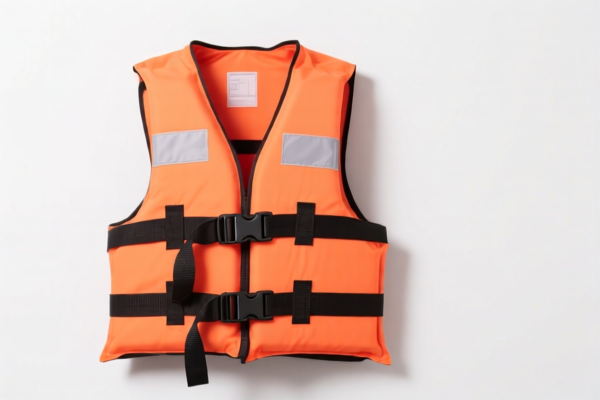
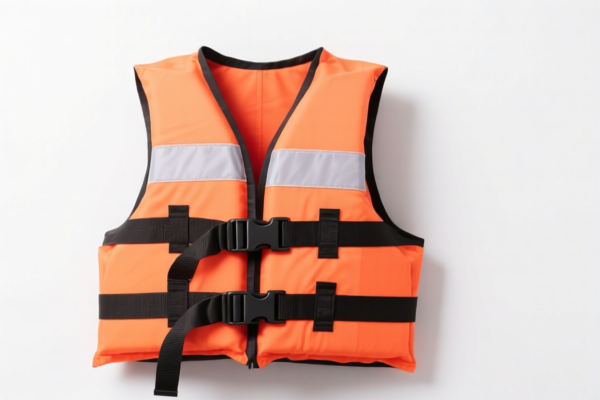
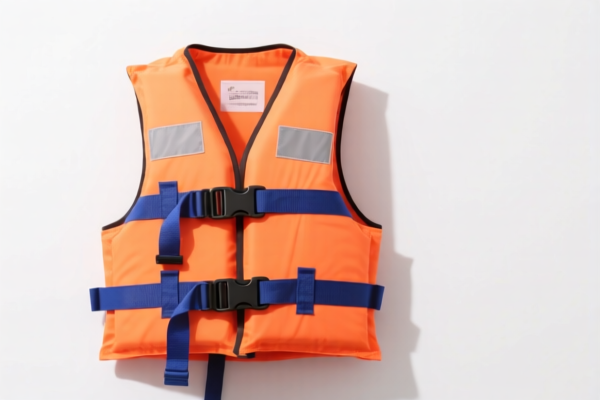
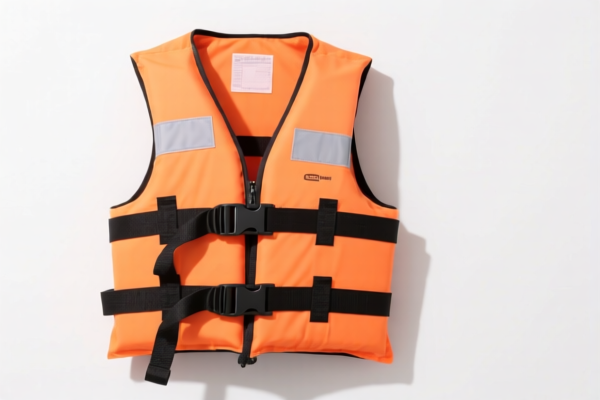
AI Analysis
🚤 Lifeboat (Rescue Boats)
🌐 HS Code Reference & Customs Clearance Guide | 2026 Latest Tariff Analysis | Professional Shipping Strategy
📌 I. Product Definition & Classification: Do You Really Understand "Lifeboats"?
A Lifeboat is a critical safety appliance on ships, designed to evacuate crew and passengers in emergencies. In international trade, its classification depends heavily on material composition and structural design. It is primarily divided into two categories:
🚢 Shipborne Equipment Category: Lifeboats that function as specific maritime vessels, matching the description of "other vessels" in classification notes. 🧱 Material-Based Category: Lifeboats classified by their primary construction material, such as plastic or composite structures, often treated as general manufactured goods.
⚠️ Key Distinction Point:
- If the lifeboat is viewed as a maritime vessel (even if non-rowing) → Classified under Chapter 89
- If the lifeboat is viewed as a plastic/composite product (especially inflatable ones) → Classified under Chapter 39
📦 II. HS Code Classification Details (2026 Latest Tariff Authority Comparison)
| HS Code | Product Description | Applicable Scenario | Classification Basis |
|---|---|---|---|
8906.90.00.90 |
Lifeboats classified under "Other Vessels" | Standard rigid lifeboats, matching "other vessels" definition | ✅ Ship Category |
3926.90.99.89 |
Lifeboats made of plastic/composite materials | Plastic or composite material lifeboats | ✅ Material Category |
3926.90.75.00 |
Inflatable Lifeboats (Plastic) | Inflatable lifeboats made of plastic materials | ✅ Inflatable Product |
🔍 Important Reminder:
- Rigid Lifeboats with vessel characteristics should generally be classified under 8906.90.00.90;
- Plastic/Composite Lifeboats without strict vessel definition may be classified under 3926.90.99.89;
- Inflatable Lifeboats specifically made of plastic may be classified under 3926.90.75.00 for potential tax advantages.
💰 III. 2026 Latest Tariff Rate Breakdown (Including Surtaxes & Policy Additions)
✅ Applicable Country: United States (US)
✅ Origin: China (CN)
✅ Effective Date: Current US Trade Regulations (Includes Section 301 & IEEPA surcharges)
🎯 1. 8906.90.00.90 —— Lifeboats (Ship Category)
| Item | Content |
|---|---|
| Base Tariff | 0.0% (ad valorem) |
| Section 301 Surtax | +25.0% |
| Section 122 Tariff | +10.0% |
| Total Tariff Rate | 35.0% |
| Tax Calculation | CIF Value × 35% |
| De Minimis Exemption | ❌ Not Available (deny_de_minimis) |
| Legal Basis Path | USITC:8906.90.00.90 → SECTION_301:25% → SECTION_122:10% |
📌 Explanation:
- Base Tariff 0%: Ships and lifeboats often enjoy low base duties under general provisions;
- Section 301 Surcharge 25%: Applied to Chinese-made maritime equipment;
- Section 122 Tariff 10%: Additional safeguard duty applicable to certain maritime goods;
- Total 35%: High combined tariff, must be factored into cost planning.
🎯 2. 3926.90.99.89 —— Plastic/Composite Lifeboats (Material Category)
| Item | Content |
|---|---|
| Base Tariff | 5.3% (ad valorem) |
| Section 301 Surtax | +7.5% |
| Section 122 Tariff | +10.0% |
| Total Tariff Rate | 22.8% |
| Tax Calculation | CIF Value × 22.8% |
| De Minimis Exemption | ❌ Not Available (deny_de_minimis) |
| Legal Basis Path | USITC:3926.90.99.89 → SECTION_301:7.5% → SECTION_122:10% |
📌 Note:
- Lower total tariff compared to ship category due to lower base duty and surcharge;
- Suitable for lifeboats made of plastic or composite materials that do not strictly qualify as "vessels."
🎯 3. 3926.90.75.00 —— Inflatable Plastic Lifeboats
| Item | Content |
|---|---|
| Base Tariff | 4.2% (ad valorem) |
| Section 301 Surtax | 0.0% |
| Section 122 Tariff | +10.0% |
| Total Tariff Rate | 14.2% |
| Tax Calculation | CIF Value × 14.2% |
| De Minimis Exemption | ❌ Not Available (deny_de_minimis) |
| Legal Basis Path | USITC:3926.90.75.00 → SECTION_122:10% |
📌 Highlight:
- Lowest Total Tariff (14.2%) among the three options;
- Applicable only if the lifeboat is inflatable and made of plastic materials;
- Section 301 surcharge is 0%, providing significant cost advantage.
🛠️ IV. Customs Clearance Practical Advice (Real-World Pitfall Avoidance Guide)
✅ 1. Required Documents Checklist (Must-Have)
| Document | Required | Explanation |
|---|---|---|
| ✅ Product Specification Sheet | ✔️ | Must include material type (plastic/composite/rigid), dimensions, capacity |
| ✅ Material Certification | ✔️ | Proof of material composition (e.g., plastic percentage, inflation material type) |
| ✅ Product Photos (Clear) | ✔️ | Show entire lifeboat, label, and unique features |
| ✅ Commercial Invoice | ✔️ | Clearly state "Lifeboat" and specify material type |
| ✅ Packing List | ✔️ | Detail packaging, accessories, and weight |
| ✅ Certificate of Origin | ✔️ | If not from China, may qualify for reduced tariffs |
✅ 2. Declaration Tips (Key Strategy)
🔥 "Material Defines Code, Inflatable Saves Tax, Rigid Ships Pay More!"
| Scenario | Correct Declaration | Wrong Practice |
|---|---|---|
| Rigid Lifeboat (Ship-like) | 8906.90.00.90 |
Misdeclare as plastic product → Audit risk |
| Plastic/Composite Lifeboat | 3926.90.99.89 |
Misdeclare as ship → 35% tariff vs 22.8% |
| Inflatable Plastic Lifeboat | 3926.90.75.00 |
Misdeclare as rigid → 14.2% vs 35% |
| Non-Inflatable Composite | 3926.90.99.89 |
Misdeclare as inflatable → Tax penalty |
✅ 3. Special Case Handling
| Scenario | Handling Advice |
|---|---|
| Hybrid Material Lifeboat | Provide material breakdown; if >50% plastic, consider 3926 codes |
| Inflatable vs. Rigid | Must clearly state "Inflatable" in description; non-inflatable cannot use 3926.90.75.00 |
| OEM Custom Lifeboat | Provide design specs and material certificates to support classification |
| Pre-Clearance Ruling | Apply for Advance Ruling with CBP to confirm HS Code before shipment |
🌍 V. Global Market Comparison (2026 Latest)
| Country/Region | Recommended HS Code | Tariff | Certification | Notes |
|---|---|---|---|---|
| 🇺🇸 USA | 3926.90.75.00 (Inflatable) |
14.2% | IMO, SOLAS | Lowest US tariff option |
| 🇺🇸 USA | 8906.90.00.90 (Ship) |
35.0% | IMO, SOLAS | Highest tariff, rigid boats |
| 🇨🇳 China | 8906.90.00.90 |
5% | CCS | No surtaxes |
| 🇪🇺 EU | 8906.90.00.90 |
0% | CE, MED | No additional taxes |
| 🇦🇺 Australia | 8906.90.00.90 |
5% | ACCC | Standard duty |
📌 Conclusion:
- USA imposes significant surcharges on Chinese lifeboats;
- Inflatable plastic lifeboats (3926.90.75.00) offer the lowest duty (14.2%) in the US market;
- EU and China have much lower or zero tariffs, making them more cost-effective destinations.
📌 VI. Common Mistakes & Pitfall Guide (Lessons Learned)
❌ Mistake 1: Declaring rigid lifeboats as "plastic products"
👉 Consequence: Misclassification → 35% tariff applied instead of 22.8% → Overpayment + Penalties
❌ Mistake 2: Declaring non-inflatable lifeboats as "inflatable"
👉 Consequence: Customs audit → Delayed clearance → Demurrage fees
❌ Mistake 3: Not specifying material type in description
👉 Consequence: Customs assumes highest duty category → 35% tariff applied
❌ Mistake 4: Ignoring Section 122 tariffs
👉 Consequence: Unexpected 10% surcharge → Profit margin erosion
✅ Correct Declaration Example:
"Inflatable Lifeboat, Plastic Material, IMO Certified, Model LB-2026, Capacity 20 Persons"
🎯 VII. Conclusion: Precise Classification, Lower Costs, Smoother Clearance
🎯 Remember:
🔹 "Inflatable Plastic = 14.2% | Plastic Composite = 22.8% | Rigid Ship = 35%"
🔹 "HS Code determines duty, declaration precision saves money"
🔹 "Material and structure define classification, not just the name"
📌 Pro Tip:
- If your lifeboats are originating from Vietnam, Malaysia, or Thailand, you may qualify for IEEPA exemptions or FTA benefits;
- Apply for CBP Advance Ruling before shipment to confirm HS Code;
- Ensure IMO/SOLAS certification is included in documents to avoid regulatory delays.
📣 Immediate Action:
📞 Contact professional customs broker + Provide product specs + Apply for HS Code Advance Ruling
🚀 Ensure smooth clearance, minimize duties, maximize profit!
✨ Professional customs clearance starts with precise classification!
💼 Every dollar saved is a dollar earned!
Customer Reviews
About HS Code Classification
The Harmonized System (HS) is an internationally standardized nomenclature developed by the World Customs Organization (WCO) to classify traded products. Over 200 countries use the HS system as the basis for customs tariffs, trade statistics, and import/export regulations.
Each HS code follows a hierarchical structure:
- Chapter (2 digits) — Broad category of goods (e.g., Chapter 84: Machinery and Mechanical Appliances)
- Heading (4 digits) — More specific grouping within the chapter
- Subheading (6 digits) — Internationally standardized breakdown, used by all WCO member countries
- National subdivisions (8-10 digits) — Country-specific extensions for further classification, such as US HTSUS 10-digit codes
Correct HS code classification is essential for smooth customs clearance, accurate duty payment, and compliance with trade regulations. Misclassification can lead to customs delays, overpayment of duties, or penalties.
When importing from CN to US, the applicable tariff rates may include:
- Most-Favored-Nation (MFN) rate — The standard duty rate applied to WTO members
- General rate — Applied to countries without trade agreements
- Trade remedy duties — Additional tariffs such as Section 301 (anti-dumping), Section 232 (national security), or countervailing duties
The information provided on this page is for reference purposes only. For official classification, please consult with your local customs authority or a licensed customs broker.