Light Coated Printing Paper Roll
CN → US| HS Code | Tariff Rate | Origin | Destination | Doc |
|---|---|---|---|---|
| 4810221000 | 35.0% | CN | US | Official Doc |
| 4810131300 | 35.0% | CN | US | Official Doc |
| 4802554000 | 35.0% | CN | US | Official Doc |
| 4802543100 | 35.0% | CN | US | Official Doc |
| 4805919000 | 35.0% | CN | US | Official Doc |
Product Images
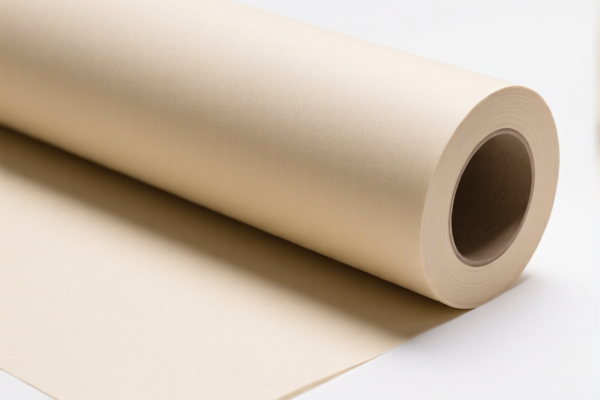
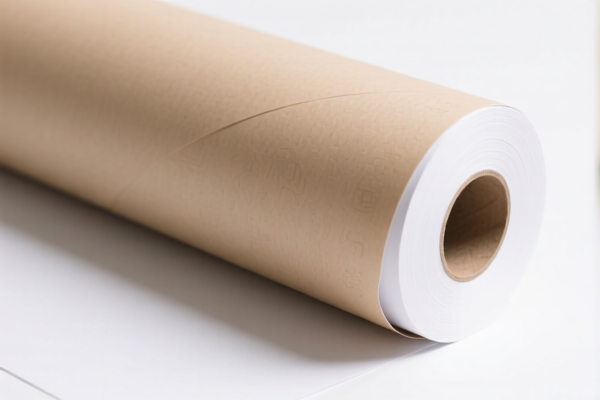
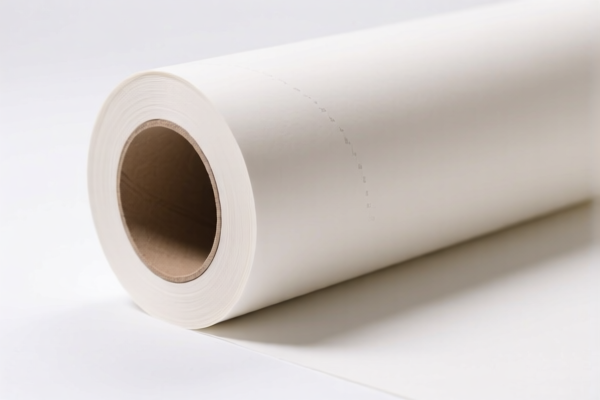
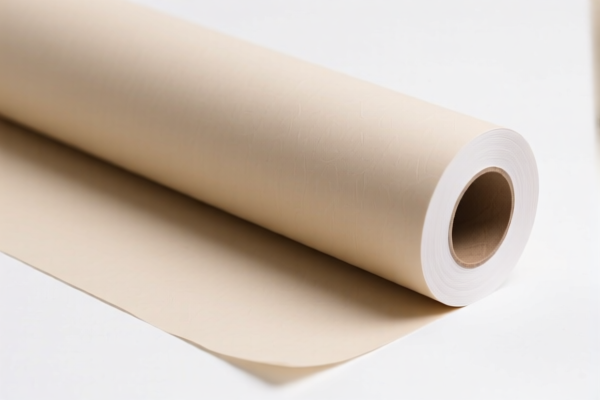
AI Analysis
📄 Light Coated Printing Paper Roll (High-Gloss/Offset Paper)
🌐 HS Code Reference & Customs Clearance Guide | 2026 Latest Tariff Analysis | Professional Entry Strategy
📌 I. Product Definition & Classification: Do You Really Understand "Light Paper"?
Light Coated Printing Paper Roll refers to paper with a specific basis weight (usually <150 g/m²), coated on one or both sides, designed for high-quality printing (magazines, brochures, catalogs). In international trade, the HS Code is determined strictly by three factors: 1. Coating Status: Is it coated or uncoated? 2. Basis Weight: The grammage (g/m²). 3. Form: Is it in rolls (reels)?
⚠️ Critical Distinction Point:
- If the paper is Coated and width > 15cm (in rolls) → Typically 4810 series.
- If the paper is Uncoated → Typically 4802 or 4805 series.
- Basis Weight is the Key Divider: Sub-40g/m² vs. 40-150g/m² drastically changes the tariff line.
📦 II. HS Code Classification Details (2026 Latest Tariff Authority Comparison)
Based on the provided data, all listed codes fall under the 35% Total Tax bracket for imports from China to the US (or similar jurisdiction applying Section 301 + IEEPA). However, the technical justification varies.
| HS Code | Product Description | Technical Criteria | Application Scenario |
|---|---|---|---|
4810.22.10.00 |
Light printing paper rolls, matching coated paper characteristics, roll format width > 15 cm. | Coated, Roll, Width >15cm. | General light-weight coated paper (e.g., magazine stock). |
4810.13.13.00 |
Light printing paper rolls, Basis Weight ≤ 150g/m², printing purpose, rolled coated paper. | Coated, BW ≤ 150g/m². | Standard offset coated paper for commercial printing. |
4802.55.40.00 |
Light printing paper rolls, paper material, rolled, printing purpose, inferred BW 40-150g/m². | Uncoated (Implied by 4802), BW 40-150g/m². | Light uncoated paper (e.g., newsprint or lightweight bond). |
4802.54.31.00 |
Light printing paper rolls, uncoated paper, rolled, printing purpose, BW < 40g/m². | Uncoated, BW < 40g/m². | Very light paper (e.g., tissue for printing, or specific industrial uses). |
4805.91.90.00 |
Light printing paper rolls, uncoated paper, in rolls, BW 30-150g/m². | Uncoated, BW 30-150g/m², Other. | Other uncoated papers in the 30-150g/m² range not covered above. |
🔍 Key Reminder:
- 4810 is for Coated papers (Glossy/Matte).
- 4802 and 4805 are for Uncoated papers (Matte/Plain).
- Misclassifying coated paper as uncoated (or vice versa) is a common customs error leading to penalties.
💰 III. 2026 Latest Tariff Rate Breakdown (Including Surcharges & Policy Add-ons)
✅ Applicable Country: United States (US)
✅ Origin: China (CN)
✅ Effective Date: From November 10, 2025 (including subsequent imports)
🎯 1. All Listed Codes (4810.22.10.00, 4810.13.13.00, 4802.55.40.00, 4802.54.31.00, 4805.91.90.00)
These products fall under the same tax structure due to current trade policies (Section 301 + IEEPA).
| Item | Content |
|---|---|
| Base Tariff | 0.0% (ad valorem) |
| Section 301 Surcharge (Add-on Tariff) | +25.0% (High tariff for Chinese-origin goods under USITC rules) |
| Section 122 Tariff (IEEPA) | +10.0% (Specific additional tariff for China/Hong Kong products) |
| Total Tax Rate | 35.0% |
| Tax Calculation | CIF Value × 35% |
| De Minimis Eligibility | ❌ Not Applicable (Deny de minimis for this category) |
| Legal Basis Path | USITC:4810/4802/4805 → Section 301: 25% → IEEPA: 10% |
📌 Explanation:
- The 0% base tariff reflects the standard MFN (Most Favored Nation) rate for paper products.
- The 25% Section 301 Tariff is the primary penalty for Chinese manufactured goods in this category.
- The 10% Section 122/IEEPA Tariff is an additional layer on top of Section 301.
- Total 35% makes this a high-cost import category. Cost optimization strategies are essential.
🛠️ IV. Customs Clearance Practical Advice (Real-World Pitfall Avoidance Guide)
✅ 1. Documentation Checklist (Mandatory)
| Document | Must Provide | Explanation |
|---|---|---|
| ✅ Product Specification Sheet | ✔️ | Must clearly state: Basis Weight (g/m²), Coating Type (Coated/Uncoated), Width (mm), Roll Diameter. |
| ✅ Commercial Invoice | ✔️ | Description must match HS Code: e.g., "Coated Printing Paper, 100gsm, Roll, Width 880mm". |
| ✅ Packing List | ✔️ | Net/Gross weight, number of rolls, pallet info. |
| ✅ Certificate of Origin | ✔️ | To prove origin is China (or eligible country for exemption). |
| ✅ Customs Power of Attorney | ✔️ | For the broker to file entry. |
✅ 2. Classification Strategy (Key Tips)
🔥 "Weight Defines the Line, Coating Defines the Chapter!"
| Scenario | Correct HS Code Series | Wrong Action |
|---|---|---|
| Coated Paper, ≤150g/m² | 4810.13 or 4810.22 |
Misclassifying as Uncoated (4802) → Risk of 35% + Penalties. |
| Uncoated Paper, <40g/m² | 4802.54.31.00 |
Misclassifying as Uncoated 40-150g (4802.55) → Technical mismatch. |
| Uncoated Paper, 30-150g/m² | 4805.91.90.00 or 4802.55 |
Confusing 4802 vs 4805 requires precise weight verification. |
| Width < 15cm | May fall under different subheadings | Not covered in the main 35% list above, but still high tariff. |
✅ 3. Special Handling
| Situation | Handling Advice |
|---|---|
| Mixed Lots (Coated & Uncoated) | Do NOT combine. Ship separately or declare separately. Mixed HS Codes on one entry can cause holds. |
| Weight Discrepancy | Ensure the invoice weight matches the physical weight. Customs verifies g/m² based on sample testing if suspected. |
| "Light Paper" Ambiguity | "Light" is not a legal term. Specify exact Basis Weight (e.g., 80gsm, 100gsm). |
🌍 V. Global Market Comparison (2026 Update)
| Country/Region | Recommended HS Code | Tariff (China Origin) | Certification | Note |
|---|---|---|---|---|
| 🇺🇸 USA | 4810.22.10.00 etc. |
35% (25% Sec 301 + 10% IEEPA) | None specific | High tariff barrier. |
| 🇨🇳 China | 4810.22 |
5-6% (Import Duty) | None | Domestic duty. |
| 🇪🇺 EU | 4810.22 |
0% (Most Free) | CE/REACH (if chemical coating) | Low tariff, high compliance. |
| 🇦🇺 Australia | 4810.22 |
5% | None | Standard duty. |
| 🇯🇵 Japan | 4810.22 |
3-5% | None | Moderate duty. |
📌 Conclusion:
- The US market is the most expensive for Chinese paper products due to the 35% combined tariff.
- EU, Australia, and Japan have significantly lower barriers.
- Consider transshipment (with legal risks) or local sourcing for US-bound goods to mitigate costs.
📌 VI. Common Errors & Pitfall Guide (Lessons Learned)
❌ Error 1: Declaring "Paper" without specifying Coated vs. Uncoated.
👉 Consequence: Customs cannot determine if it’s 4810 or 4802. Delay in clearance + 35% tax assessment on the wrong code.
❌ Error 2: Ignoring Basis Weight (g/m²).
👉 Consequence: Confusion between <40g/m² (4802.54) and 40-150g/m² (4802.55/4805). While both are 35%, incorrect description can lead to audits.
❌ Error 3: Assuming "Roll" means any size.
👉 Consequence: If width ≤ 15cm, different sub-headings may apply. Ensure width is stated clearly.
❌ Error 4: Not accounting for Section 122/IEEPA in cost model.
👉 Consequence: Profit margin erased by unexpected 10% surcharge on top of the 25%.
✅ Correct Practice:
"Coated Printing Paper Roll, 100gsm, Width 880mm, 12 Rolls, CIF Los Angeles. HS: 4810.22.10.00"
🎯 VII. Conclusion: Professional Declaration Saves Money!
🎯 Remember the Mantra:
🔹 "Coated = 4810, Uncoated = 4802/4805."
🔹 "Weight > 40g? Check 4802.55. Weight < 40g? Check 4802.54."
🔹 "US Tariff = 35%. Don't let ignorance cost you 1/3 of your profit!"
📌 Tips:
- If your paper is sourced from Vietnam, Mexico, or Thailand, check for IEEPA Exemptions. Tariffs may be 0-5%.
- Consider applying for a Binding Ruling from US Customs if the product features are borderline (e.g., semi-coated).
📣 Take Action Now:
📞 Consult a licensed customs broker.
📄 Provide exact Basis Weight and Coating Status.
🚀 Accurate Classification = Smooth Clearance + Predictable Costs!
✨ Professional Customs Clearance Starts with Precise Classification!
💼 Your bottom line depends on the decimal point in your HS Code!
Customer Reviews
About HS Code Classification
The Harmonized System (HS) is an internationally standardized nomenclature developed by the World Customs Organization (WCO) to classify traded products. Over 200 countries use the HS system as the basis for customs tariffs, trade statistics, and import/export regulations.
Each HS code follows a hierarchical structure:
- Chapter (2 digits) — Broad category of goods (e.g., Chapter 84: Machinery and Mechanical Appliances)
- Heading (4 digits) — More specific grouping within the chapter
- Subheading (6 digits) — Internationally standardized breakdown, used by all WCO member countries
- National subdivisions (8-10 digits) — Country-specific extensions for further classification, such as US HTSUS 10-digit codes
Correct HS code classification is essential for smooth customs clearance, accurate duty payment, and compliance with trade regulations. Misclassification can lead to customs delays, overpayment of duties, or penalties.
When importing from CN to US, the applicable tariff rates may include:
- Most-Favored-Nation (MFN) rate — The standard duty rate applied to WTO members
- General rate — Applied to countries without trade agreements
- Trade remedy duties — Additional tariffs such as Section 301 (anti-dumping), Section 232 (national security), or countervailing duties
The information provided on this page is for reference purposes only. For official classification, please consult with your local customs authority or a licensed customs broker.