Light Housing
CN → US| HS Code | Tariff Rate | Origin | Destination | Doc |
|---|---|---|---|---|
| 7020004000 | 41.6% | CN | US | Official Doc |
| 7020006000 | 40.0% | CN | US | Official Doc |
| 9018200080 | 35.0% | CN | US | Official Doc |
| 8539900000 | 37.6% | CN | US | Official Doc |
| 8539520091 | 12.0% | CN | US | Official Doc |
Product Images
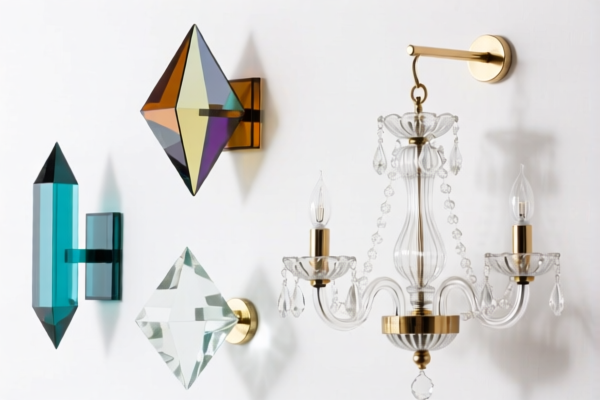
AI Analysis
💡 Light Housing (Lamp Enclosures)
🌐 HS Code Reference & Customs Clearance Guide | 2026 Latest Tariff Analysis | Professional Clearance Strategy
📌 I. Product Definition & Classification: Do You Really Understand "Light Housing"?
A Light Housing (often referred to as Lamp Shell or Enclosure) is a critical component of lighting fixtures. In international trade, its classification depends heavily on its material composition, specific function, and whether it is considered a part of the lamp itself or a general glass/plastic article.
Key distinctions determine the HS Code: * Glass vs. Other Materials: If the housing is made primarily of glass, it often falls under Chapter 70 (Glass). * Part of the Lamp vs. General Accessory: If it is designed exclusively for electric lamps, it may fall under Chapter 85 (Electric lamps). * Medical/Scientific Use: If intended for specialized scientific instruments, it may fall under Chapter 90.
⚠️ Critical Distinction:
- If it is a glass enclosure without specific electrical integration details → Likely Chapter 70.
- If it is a specific part of an electric lamp (e.g., bulb socket housing) → Likely Chapter 85.
- If it is a part for medical/optical devices → Likely Chapter 90.
📦 II. HS Code Classification Details (Based on Provided Data)
| HS Code | Summary / Logic | Total Tax | Tax Details Breakdown |
|---|---|---|---|
7020.00.40.00 |
Glass Articles: Lamps/Shells are glass articles/components. Fallback logic for "other glass articles." | 41.6% | Base: 6.6% + Section 301: 25.0% + Section 122: 10.0% |
7020.00.60.00 |
Glass Articles: Parts/Components. No material conflict; prefers "other glass articles." | 40.0% | Base: 5.0% + Section 301: 25.0% + Section 122: 10.0% |
8539.20.00.80 |
Electric Lamps: Parts/Accessories. Categorized under "other" parts/accessories. | 35.0% | Base: 0.0% + Section 301: 25.0% + Section 122: 10.0% |
8539.52.00.91 |
Electric Lamps: Parts/Components. Default preference for parts if no material conflict. | 12.0% | Base: 2.0% + Section 301: 0.0% + Section 122: 10.0% |
9018.20.00.80 |
Medical/Scientific Instruments: Shell/Parts. Fallback for parts/accessories in other categories. | 35.0% | Base: 0.0% + Section 301: 25.0% + Section 122: 10.0% |
🔍 Key Insight:
- Lowest Tax:8539.52.00.91(12.0%) is the most cost-effective if the product can be classified as a generic part of an electric lamp.
- Highest Tax:7020.00.40.00(41.6%) applies if classified strictly as a glass article with higher base duties.
- Section 301 Exemption?: Only8539.52.00.91lists 0.0% for Section 301 tariffs, which is a significant advantage.
💰 III. 2026 Latest Tariff Rate Detailed Explanation (Including Surcharges)
✅ Applicable Country: United States (US)
✅ Origin: China (CN) (Assumed based on "Section 301" and "Section 122" context)
✅ Effective Time: Current policies as of 2026
🎯 1. 7020.00.40.00 – Glass Articles: Other Lamps/Enclosures
| Item | Content |
|---|---|
| Base Tariff | 6.6% |
| Section 301 Tariff | +25.0% |
| Section 122 Tariff | +10.0% |
| Total Rate | 41.6% |
| Tax Calculation | CIF Value × 41.6% |
| De Minimis Exemption | ❌ Not Eligible |
| Legal Basis | HTSUS 7020.00.40.00 → Section 301 (Footnote 122) |
📌 Explanation:
- Classified as a general glass article.
- High base tariff (6.6%) plus full Section 301 and 122 surcharges.
- Not recommended for cost optimization unless no other classification fits.
🎯 2. 7020.00.60.00 – Glass Articles: Other Parts/Components
| Item | Content |
|---|---|
| Base Tariff | 5.0% |
| Section 301 Tariff | +25.0% |
| Section 122 Tariff | +10.0% |
| Total Rate | 40.0% |
| Tax Calculation | CIF Value × 40.0% |
| De Minimis Exemption | ❌ Not Eligible |
| Legal Basis | HTSUS 7020.00.60.00 → Section 301 (Footnote 122) |
📌 Explanation:
- Slightly lower base tariff (5.0%) than 7020.00.40.00.
- Still subject to full Section 301 and 122 surcharges.
- Suitable if the housing is clearly a "part" but made of glass.
🎯 3. 8539.20.00.80 – Electric Lamps: Other Parts/Accessories
| Item | Content |
|---|---|
| Base Tariff | 0.0% |
| Section 301 Tariff | +25.0% |
| Section 122 Tariff | +10.0% |
| Total Rate | 35.0% |
| Tax Calculation | CIF Value × 35.0% |
| De Minimis Exemption | ❌ Not Eligible |
| Legal Basis | HTSUS 8539.20.00.80 → Section 301 (Footnote 122) |
📌 Explanation:
- Base tariff is 0%, which is attractive.
- However, still subject to Section 301 (25%) and 122 (10%).
- Better than glass classifications but not the lowest.
🎯 4. 8539.52.00.91 – Electric Lamps: Other Parts/Components (OPTIMAL)
| Item | Content |
|---|---|
| Base Tariff | 2.0% |
| Section 301 Tariff | 0.0% |
| Section 122 Tariff | +10.0% |
| Total Rate | 12.0% |
| Tax Calculation | CIF Value × 12.0% |
| De Minimis Exemption | ❌ Not Eligible |
| Legal Basis | HTSUS 8539.52.00.91 → Section 122 (Footnote 122) |
📌 Explanation:
- LOWEST TAX RATE in the dataset.
- Section 301 Tariff is 0.0%, which is a massive advantage.
- Only subject to Base (2%) and Section 122 (10%).
- Recommendation: Use this code if the housing can be reasonably argued as a part/component of an electric lamp.
🎯 5. 9018.20.00.80 – Medical/Scientific Instruments: Other Parts
| Item | Content |
|---|---|
| Base Tariff | 0.0% |
| Section 301 Tariff | +25.0% |
| Section 122 Tariff | +10.0% |
| Total Rate | 35.0% |
| Tax Calculation | CIF Value × 35.0% |
| De Minimis Exemption | ❌ Not Eligible |
| Legal Basis | HTSUS 9018.20.00.80 → Section 301 (Footnote 122) |
📌 Explanation:
- Only applicable if the light housing is exclusively for medical or scientific instruments.
- Same tax structure as8539.20.00.80but with a different chapter rationale.
- Not recommended for general lighting products.
🛠️ IV. Customs Clearance Practical Advice (Real-World Pitfall Guide)
✅ 1. Documentation Checklist (Must-Haves)
| Document | Required | Description |
|---|---|---|
| ✅ Product Specification Sheet | ✔️ | Must include material (Glass/Plastic/Metal), dimensions, and intended use. |
| ✅ Photos (Clear & Labeled) | ✔️ | Show the housing alone, and ideally, how it fits into the lamp. |
| ✅ Bill of Lading / Packing List | ✔️ | Ensure "Light Housing" or "Lamp Enclosure" is clearly stated. Avoid vague terms like "Parts." |
| ✅ Commercial Invoice | ✔️ | Must match the HS Code description. If using 8539.52.00.91, describe as "Part of Electric Lamp." |
| ✅ Origin Certificate | ✔️ | Required for Section 122 and 301 assessments. |
✅ 2. Declaration Tips (Key Mnemonic)
🔥 "Material Matters, Use Defines It. Part vs. Article is the Key!"
| Scenario | Correct HS Code | Wrong Practice |
|---|---|---|
| Glass Housing for General Lamps | 7020.00.40.00 or 7020.00.60.00 |
Declaring as plastic → Misclassification |
| Plastic/Metal Housing for Electric Lamps | 8539.52.00.91 |
Declaring as "Glass Article" → Higher tax |
| Housing for Medical Devices | 9018.20.00.80 |
Declaring as general lighting → Penalty |
| Generic Glass Bulb Shell | 7020.00.40.00 |
Declaring as "Part of Lamp" without proof |
✅ 3. Special Cases Handling
| Case | Handling Advice |
|---|---|
| Mixed Materials | If housing is glass with metal inserts, declare as Glass Article (7020) unless the metal function is primary. |
| Custom/OEM Parts | Provide design drawings to prove it is a "part" of a specific lamp model → Supports 8539.52.00.91. |
| Unfinished Parts | If not yet assembled, ensure description emphasizes "component" status. |
| Section 122 Compliance | All codes above include Section 122. Ensure origin is clearly marked to avoid additional penalties. |
🌍 V. Global Market Comparison (2026 Latest)
| Country/Region | Recommended HS Code | Tariff (China Origin) | Certification | Notes |
|---|---|---|---|---|
| 🇺🇸 USA | 8539.52.00.91 |
12.0% | N/A | Lowest tax due to 0% Section 301. |
| 🇨🇳 China | 8539.90.00.00 |
~2.6% | CCC | Lower base tariff, no Section 301. |
| 🇪🇺 EU | 8539.90.00.00 |
~4.0% | CE | No Section 301/122. |
| 🇬🇧 UK | 8539.90.00.00 |
~4.0% | UKCA | Post-Brexit rules apply. |
| 🇦🇺 Australia | 8539.90.00.00 |
~5.0% | RCM | No Section 301. |
📌 Conclusion:
- USA is the only market with complex Section 301 and 122 tariffs.
-8539.52.00.91is the optimal code for US imports to minimize costs.
- Glass classifications (7020) are significantly more expensive due to higher base tariffs and full Section 301.
📌 VI. Common Errors & Pitfalls (Lessons Learned)
❌ Error 1: Declaring a glass housing as a plastic part
👉 Consequence: Misclassification → Penalty + Back Taxes.
❌ Error 2: Using 7020.00.40.00 for a metal/plastic housing
👉 Consequence: Customs rejection → Delayed shipment.
❌ Error 3: Not specifying Section 301 Exemption for 8539.52.00.91
👉 Consequence: Charged 25% unnecessarily → 25% loss in profit.
❌ Error 4: Using vague description "Lamp Parts" without proof
👉 Consequence: Customs may reclassify to 7020 or 9018 → Higher tax.
✅ Correct Practice:
"Electric Lamp Housing, Plastic, Part of Model XYZ, Designed for Use with LED Bulbs, HS Code 8539.52.00.91"
🎯 VII. Conclusion: Professional Declaration, Cost Savings, Efficiency!
🎯 Remember the Mnemonic:
🔹 "Parts of Lamps: 8539.52.00.91 → 12% Total. Glass Articles: 7020 → 40%+ Total. Choose Wisely!"
🔹 "Section 301 is the Enemy for Glass. Section 122 is the Enemy for All. Minimize Both!"
📌 Pro Tip:
If your housing is originally designed for medical devices, consider
9018.20.00.80but ensure strict compliance with medical device regulations.
For general lighting,8539.52.00.91is the BEST CHOICE for US imports.
📣 Immediate Action:
📞 Contact your customs broker + Provide product photos + Apply for Advance Ruling if possible.
🚀 Let your Light Housing Clear Customs Smoothly, Save Costs, and Boost Profits!
✨ Professional Clearance Starts with Accurate Classification!
💼 Every Cent Counts in Tariffs!
Customer Reviews
About HS Code Classification
The Harmonized System (HS) is an internationally standardized nomenclature developed by the World Customs Organization (WCO) to classify traded products. Over 200 countries use the HS system as the basis for customs tariffs, trade statistics, and import/export regulations.
Each HS code follows a hierarchical structure:
- Chapter (2 digits) — Broad category of goods (e.g., Chapter 84: Machinery and Mechanical Appliances)
- Heading (4 digits) — More specific grouping within the chapter
- Subheading (6 digits) — Internationally standardized breakdown, used by all WCO member countries
- National subdivisions (8-10 digits) — Country-specific extensions for further classification, such as US HTSUS 10-digit codes
Correct HS code classification is essential for smooth customs clearance, accurate duty payment, and compliance with trade regulations. Misclassification can lead to customs delays, overpayment of duties, or penalties.
When importing from CN to US, the applicable tariff rates may include:
- Most-Favored-Nation (MFN) rate — The standard duty rate applied to WTO members
- General rate — Applied to countries without trade agreements
- Trade remedy duties — Additional tariffs such as Section 301 (anti-dumping), Section 232 (national security), or countervailing duties
The information provided on this page is for reference purposes only. For official classification, please consult with your local customs authority or a licensed customs broker.