Light Sign
CN → US| HS Code | Tariff Rate | Origin | Destination | Doc |
|---|---|---|---|---|
| 8531200040 | 35.0% | CN | US | Official Doc |
| 9405612000 | 40.7% | CN | US | Official Doc |
| 8531809026 | 17.5% | CN | US | Official Doc |
| 9405614000 | 41.0% | CN | US | Official Doc |
Product Images


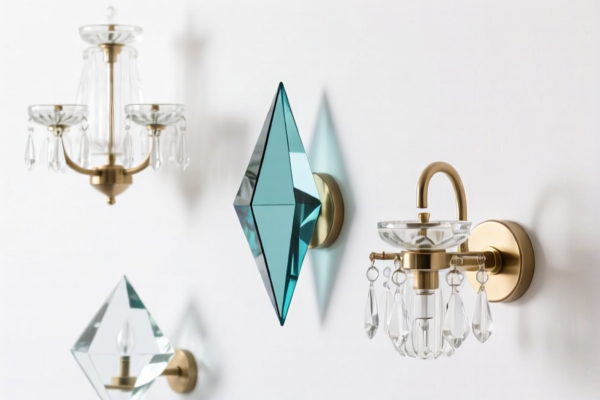
AI Analysis
🌟 Light Sign (LED/Luminous Signage): Complete HS Code Guide & Customs Clearance Strategy
🌐 HS Code Reference & Clearance Guide | 2026 Updated Tax Rates | Professional通关 Strategy
📌 1. Product Definition: What Exactly is a "Light Sign"?
A Light Sign (often called an LED Sign, Neon Sign, or Luminous Display) is a critical component in retail, advertising, logistics, and safety sectors. In international trade, its classification depends heavily on its structure, function, and materials.
⚠️ Critical Classification Divergence:
- If it functions as a visual signal indicator (e.g., industrial status panel) → Often falls under Electrical Signal Devices (8531).
- If it functions as a permanent advertising/marquee sign (e.g., storefront logo) → Often falls under Lighting Fixtures (9405).
- Material matters: Metal vs. Plastic vs. Electronic components can shift the HS Code by 2 digits!
📦 2. HS Code Classification Breakdown (2026 Official Tax Schedule)
Based on the latest customs data for Chinese-origin goods exported to the US, here are the 4 specific classifications for Light Signs and their corresponding tax realities.
| HS Code | Product Description & Logic | Material/Structure Profile | Total Tax Rate (CN Origin) |
|---|---|---|---|
| 8531.20.00.40 | Electrical Signal Devices (Indicators) Focus: LED/LCD panels used for visual/audio signaling (e.g., status boards, control panels). |
High-tech electronics; contains active LED/LCD drivers. | 35.0% |
| 9405.61.20.00 | Luminous Signs / Nameplates Focus: Decorative/Advertising signs (e.g., storefront neon, lighted nameplates). |
Structure: Metal or Plastic housing with light source. | 40.7% |
| 8531.80.90.26 | Other Electrical Signal Devices Focus: Visual display units acting as indicators (non-standard signal). |
Visual display class; specialized signal function. | 17.5% |
| 9405.61.40.00 | Metal Luminous Signs Focus: Signs made primarily of base metals (uncommon for standard plastic LED signs). |
Base Metal (Iron/Steel/Aluminum) dominant structure. | 41.0% |
🔍 Key Insight:
The difference between 8531 (Signal Device) and 9405 (Lighting Fixture) is the Primary Function.
- Is it telling a machine to "Stop/Go"? → 8531 (Usually lower base tax, but high 122 clause tax).
- Is it telling the world "Welcome" or "Open"? → 9405 (Higher base tax + 122 clause).
💰 3. 2026 Tariff Rate Deep Dive (Detailed Breakdown)
✅ Applicable Country: USA (US)
✅ Country of Origin: China (CN)
✅ Effective Date: 2025-11-10 onwards (Subject to Section 301 & 122 Clause)
🎯 Scenario A: High-Tech Signal Panels (8531.20.00.40)
Best for: Industrial control panels, dashboard displays, traffic signal indicators.
| Tax Component | Rate | Legal Basis / Reason |
|---|---|---|
| Base Tariff | 0.0% | Standard MFN rate for electrical signal devices. |
| Section 301 / "Add-on" Tax | +25.0% | US Trade Act 301 retaliation on Chinese tech/goods. |
| "122 Clause" Tax | +10.0% | Special punitive tariff for specific Chinese electronic components. |
| TOTAL RATE | 35.0% | High |
📌 Explanation: Even though the base is 0%, the 25% + 10% "penalty" stack up quickly. No de minimis exemption.
🎯 Scenario B: Decorative/Marquee Signs (9405.61.20.00)
Best for: Storefront neon signs, restaurant menu lights, office nameplates.
| Tax Component | Rate | Legal Basis / Reason |
|---|---|---|
| Base Tariff | 5.7% | Standard lighting fixture rate. |
| Section 301 / "Add-on" Tax | +25.0% | Standard retaliation on lighting goods. |
| "122 Clause" Tax | +10.0% | Targeted at specific lighting categories. |
| TOTAL RATE | 40.7% | Very High |
📌 Explanation: The base tax is already 5.7%, making the total burden even heavier than pure electronic signals. This is the most expensive classification for standard plastic/metal signs.
🎯 Scenario C: Specialized Visual Indicators (8531.80.90.26)
Best for: Niche visual displays not fitting standard categories.
| Tax Component | Rate | Legal Basis / Reason |
|---|---|---|
| Base Tariff | 0.0% | Broad "Other" signal device category. |
| Section 301 / "Add-on" Tax | +7.5% | Note: Lower 301 rate for specific sub-categories. |
| "122 Clause" Tax | +10.0% | Still applies fully. |
| TOTAL RATE | 17.5% | Moderate (Lowest) |
📌 Strategy: If your "Light Sign" is purely a visual signal (not for decoration) and fits this specific sub-category, 17.5% is a huge saving compared to 40.7%! Optimize your product description to match this.
🎯 Scenario D: Metal-Based Signs (9405.61.40.00)
Best for: Heavy-duty industrial metal marquees.
| Tax Component | Rate | Legal Basis / Reason |
|---|---|---|
| Base Tariff | 6.0% | Standard for metal lighting fixtures. |
| Section 301 / "Add-on" Tax | +25.0% | Heavy retaliation on metal goods. |
| "122 Clause" Tax | +10.0% | Standard application. |
| TOTAL RATE | 41.0% | Highest |
📌 Warning: If your sign is made of metal (even if it has plastic parts), this 41.0% rate applies. Avoid metal construction if possible to target the 17.5% or 35% brackets.
🛠️ 4. Customs Clearance Practical Guide (How to Save Money)
✅ 1. Pre-Shipment Documentation Checklist
Missing these documents = Delays + Potential Re-classification (higher tax).
| Document | Must-Have? | Why It Matters |
|---|---|---|
| Technical Data Sheet | ✅ Yes | Must clearly state if the device is a "Signal Indicator" (8531) vs. "Lighting Fixture" (9405). |
| Circuit Diagram | ✅ Yes | Proves if it contains active control logic (favors 8531) or just passive lighting (favors 9405). |
| Photos (Front & Back) | ✅ Yes | Shows material (Plastic vs. Metal) and mounting method. |
| Bill of Materials (BOM) | ✅ Yes | Proves if metal is the primary structure (triggers 9405.61.40). |
| Commercial Invoice | ✅ Yes | Crucial: Do NOT write "Light Sign" generically. Use: "LED Visual Signal Indicator, Model X, No Decorative Function." |
| Certificate of Origin | ✅ Yes | Essential for proving CN origin to apply the correct 122/301 clauses. |
✅ 2. Strategic Classification Advice (The "Golden Rule")
🔥 The "Function First" Strategy:
Do not describe the product as "Light Sign" in the invoice.
DO describe it based on its primary function: - If it's for safety/alerts: Use "Electrical Visual Signal Indicator". Aim for 8531.80.90.26 (17.5%). - If it's decorative: You must accept the high tax (40.7% or 41.0%). No way around it. - If it's metal: Avoid metal casing if possible. Switch to Plastic/Polymer to target 9405.61.20.00 or 8531.
✅ 3. Common Mistakes to Avoid
| ❌ Mistake | ⚠️ Consequence |
|---|---|
| "Generic Name" Invoice says "LED Light Sign" |
Customs may force 9405.61.40.00 (41.0%) if they suspect metal. |
| "Hidden Metal" Sign has a metal frame but is plastic front |
Customs can reclassify to 9405.61.40.00 → 41.0% tax. |
| "Decorative Claim" Claiming it's a "Signal" but it's a logo |
Customs rejects 8531 claim → Moves to 9405 → 40.7% tax. |
| "Splitting Parts" Declaring the sign separately from its driver |
Driver might be taxed separately, but if declared together, they are taxed as the main unit. |
🌍 5. Global Market Comparison (2026)
| Destination | Target HS Code | Base Tax | 122 Clause | 301 Clause | Total Estimated Tax |
|---|---|---|---|---|---|
| 🇺🇸 USA | 8531.80.90.26 | 0% | 10% | 7.5% | 17.5% (Best Case) |
| 🇺🇸 USA | 9405.61.20.00 | 5.7% | 10% | 25% | 40.7% (Common) |
| 🇺🇸 USA | 9405.61.40.00 | 6.0% | 10% | 25% | 41.0% (Worst Case) |
| 🇪🇺 EU | 9405.60 | 4.7% | 0% | 0% | 4.7% (Much Lower!) |
| 🇯🇵 Japan | 9405.61 | 0% | 0% | 0% | 0% (Free Trade!) |
📌 Key Takeaway:
The US market is currently the most expensive due to the Section 301 and 122 Clause stacking.
If possible, diversify supply chains to Vietnam or Mexico to avoid the "Made in China" penalties (check specific rules).
📌 6. Final Verdict & Action Plan
🎯 Summary of Rates
| HS Code | Description | Total Tax | Strategy |
|---|---|---|---|
| 8531.80.90.26 | Visual Signal Indicator | 17.5% | ✅ Target This! (Lowest tax) |
| 8531.20.00.40 | Electrical Signal Device | 35.0% | ⚠️ Acceptable (If high-tech) |
| 9405.61.20.00 | Standard Lighting Sign | 40.7% | ❌ High Cost |
| 9405.61.40.00 | Metal Lighting Sign | 41.0% | ❌ Avoid Metal |
🚀 Immediate Actions
- Audit Your Product: Is it primarily a signal (8531) or a light fixture (9405)?
- Material Check: Is the casing metal? If yes, try to redesign with plastic to avoid 41.0% tax.
- Invoice Wording: Change "Light Sign" to "LED Visual Signal Indicator, Model [X]".
- Pre-Clearance: Contact a customs broker for a Binding Tariff Information (BTI) ruling if the volume is high.
✨ Professional Customs Strategy:
"One wrong letter in the HS Code can cost you 23% in extra taxes. Define your 'Sign' as a 'Signal', avoid 'Metal', and you save thousands!"
📣 Ready to Ship?
📞 Contact: [Your Customs Broker]
📩 Email: [Your Email]
🚀 Next Step: Upload product photos and BOM for a Free Classification Audit!
Customer Reviews
About HS Code Classification
The Harmonized System (HS) is an internationally standardized nomenclature developed by the World Customs Organization (WCO) to classify traded products. Over 200 countries use the HS system as the basis for customs tariffs, trade statistics, and import/export regulations.
Each HS code follows a hierarchical structure:
- Chapter (2 digits) — Broad category of goods (e.g., Chapter 84: Machinery and Mechanical Appliances)
- Heading (4 digits) — More specific grouping within the chapter
- Subheading (6 digits) — Internationally standardized breakdown, used by all WCO member countries
- National subdivisions (8-10 digits) — Country-specific extensions for further classification, such as US HTSUS 10-digit codes
Correct HS code classification is essential for smooth customs clearance, accurate duty payment, and compliance with trade regulations. Misclassification can lead to customs delays, overpayment of duties, or penalties.
When importing from CN to US, the applicable tariff rates may include:
- Most-Favored-Nation (MFN) rate — The standard duty rate applied to WTO members
- General rate — Applied to countries without trade agreements
- Trade remedy duties — Additional tariffs such as Section 301 (anti-dumping), Section 232 (national security), or countervailing duties
The information provided on this page is for reference purposes only. For official classification, please consult with your local customs authority or a licensed customs broker.