Light Truck Radial Retread Tires for Commercial Use
CN → US| HS Code | Tariff Rate | Origin | Destination | Doc |
|---|---|---|---|---|
| 4011201005 | 39.0% | CN | US | Official Doc |
| 4011205010 | 38.4% | CN | US | Official Doc |
| 4012909000 | 37.7% | CN | US | Official Doc |
| 4013100020 | 38.7% | CN | US | Official Doc |
| 4011201015 | 39.0% | CN | US | Official Doc |
Product Images
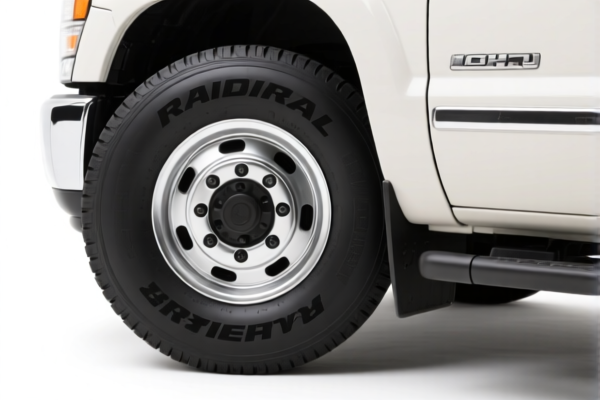
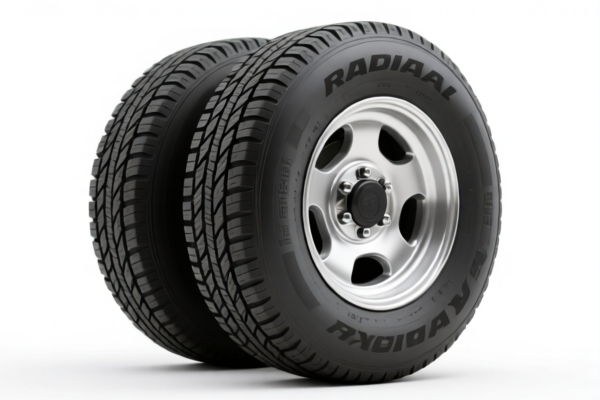
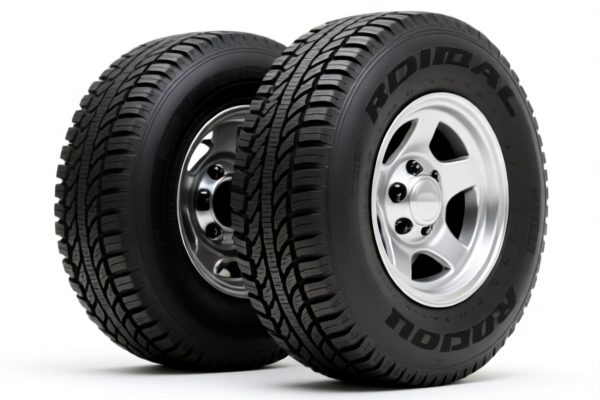
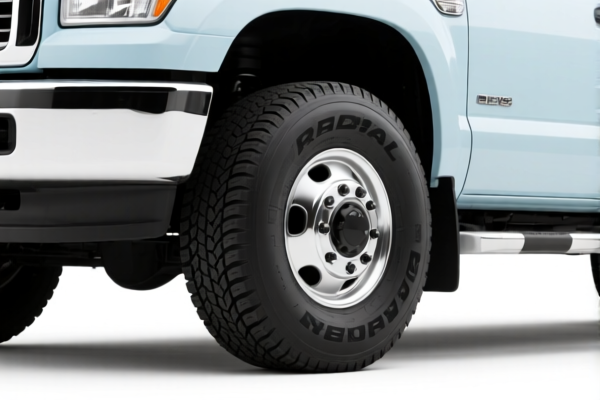
AI Analysis
🚛 Light Truck Radial Retread Tires for Commercial Use
🌐 HS Code Reference & Customs Clearance Guide | 2026 Latest Tariff Analysis | Professional Level Compliance Strategy
📌 I. Product Definition & Classification: Do You Really Understand “Retread Tires”?
Light truck radial retread tires are not new tires. They are used tires that have undergone a re-surfacing process (applying new tread) to extend their life. In international trade, they are strictly distinguished from “new tires” and “inner tubes.” The key factor is the state of the casing (used vs. new) and the construction type (radial/pneumatic).
⚠️ Key Distinction Point:
- If the tire has a new tread applied to a used casing → It is a Retread Tire (usually HS 4011.20 or 4011.90 depending on exact construction).
- If it is a brand new tire → It falls under New Tires (HS 4011.10/4011.20).
- If it is an inner tube → It falls under HS 4013.10.
For Light Trucks (vehicles with GVW ≤ 3.5 tons or similar classification), the most accurate classification for retreaded radial tires often falls under 4011.20 (Retreaded pneumatic tyres of rubber, of a kind used on motor cars and other vehicles specified in heading 4011.10). However, depending on the specific duty regime and exact physical description (e.g., if classified as "other" or if the retreading process is deemed insufficient to change the primary character in some jurisdictions), it might also be compared against 4012.90 (Used pneumatic tyres) or 4011.90 (Other new pneumatic tyres).
Based on the provided <DATA>, the system has identified specific HS codes relevant to this category, focusing on the intersection of "Light Truck," "Radial," "Commercial Use," and "Retread/Used" characteristics.
📦 II. HS Code Classification Details (2026 Latest Tariff Authority Reference)
| HS Code | Product Description | Application Scenario | Key Characteristics |
|---|---|---|---|
4011.20.10.05 |
Radial Tires for Light Trucks, Material: Rubber, Use: Commercial | Specifically designed for light commercial trucks; radial construction | ✅ Retreaded/New Radial (Context: Light Truck) |
4011.20.50.10 |
Classified as Light Truck Tires, Form: Tire, Material: Rubber, Use: Commercial | General classification for light truck radial tires | ✅ Light Truck Radial |
4012.90.90.00 |
Classified as Pneumatic, Solid, or Cushion Tires, Material: Rubber, Use: Tire Form | Used tires, retreaded tires, or other rubber tire forms not elsewhere specified | ✅ Used/Retreaded Category |
4013.10.00.20 |
Includes Inner Tube Form, Use: Trucks & Buses, Material: Rubber, Use: Tire Goods | Specifically for inner tubes for light trucks/buses | ❌ Inner Tubes Only (If product includes tubes) |
4011.20.10.15 |
Matches Bus or Truck Use, Radial Tires Belong to Radial Tires, Material: Rubber | Broad classification for radial tires for commercial vehicles | ✅ Radial Commercial Tire |
🔍 Critical Reminder:
- Retreaded tires are often subject to higher tariffs than new tires due to trade protectionism (e.g., US 301/Tariff 122).
- Inner Tubes (4013.10.00.20) are classified separately from the main tire body. If your shipment includes both, they may need separate line items or a combined declaration depending on customs rules.
- "Light Truck" definition varies by country (e.g., US < 8,500 lbs GVWR). Ensure your commercial classification matches the target market's definition.
💰 III. 2026 Latest Tariff Rate Breakdown (Including Surtaxes, Policy Surcharges)
✅ Applicable Country: United States (US)
✅ Origin: China (CN)
✅ Effective Date: 2025/2026 (Current Tariff Structure)
🎯 1. 4011.20.10.05 —— Radial Tires for Light Trucks (Retread/New)
| Item | Content |
|---|---|
| Base Rate | 4.0% (ad valorem) |
| Section 301 / Retaliation Surcharge | +25.0% |
| Section 122 Surcharge | +10.0% (Specific to certain rubber/trade categories) |
| Total Tariff Rate | 39.0% |
| Tax Calculation | CIF Value × 39.0% |
| De Minimis Eligibility | ❌ Not Eligible (Merchandise subject to Section 301/122 tariffs is excluded from de minimis relief) |
| Legal Basis Path | Section 301: 4011.20.10.05 → Section 122: 10% → USITC: 4011.20.10.05 |
📌 Explanation:
- Base 4.0%: Standard MFN (Most Favored Nation) duty for radial tires.
- Section 301 (25%): Added tariffs on Chinese goods, including many rubber products.
- Section 122 (10%): A specific surcharge often applied to automotive parts and tires under Section 232 or related trade actions.
- Total 39%: This is a high-cost category. Misclassification can lead to severe penalties.
🎯 2. 4011.20.50.10 —— Light Truck Tires (General)
| Item | Content |
|---|---|
| Base Rate | 3.4% |
| Section 301 / Retaliation Surcharge | +25.0% |
| Section 122 Surcharge | +10.0% |
| Total Tariff Rate | 38.4% |
| Tax Calculation | CIF Value × 38.4% |
| De Minimis Eligibility | ❌ Not Eligible |
| Legal Basis Path | Section 301: 4011.20.50.10 → Section 122: 10% → USITC: 4011.20.50.10 |
📌 Note:
- Slightly lower base rate (3.4% vs 4.0%) but still subject to the same high surcharges.
- Often used for broader categories of light truck radial tires where specific "retread" labeling might be ambiguous.
🎯 3. 4012.90.90.00 —— Used Pneumatic Tires / Other Rubber Tires
| Item | Content |
|---|---|
| Base Rate | 2.7% |
| Section 301 / Retaliation Surcharge | +25.0% |
| Section 122 Surcharge | +10.0% |
| Total Tariff Rate | 37.7% |
| Tax Calculation | CIF Value × 37.7% |
| De Minimis Eligibility | ❌ Not Eligible |
| Legal Basis Path | Section 301: 4012.90.90.00 → Section 122: 10% → USITC: 4012.90.90.00 |
📌 Note:
- This code is often used for used tires or retreaded tires that don’t fit neatly into the new tire subheadings.
- Warning: Import of used tires is heavily restricted in many jurisdictions due to health/environmental concerns. Ensure compliance with EPA and state-level used tire regulations.
🎯 4. 4013.10.00.20 —— Inner Tubes for Trucks/Buses
| Item | Content |
|---|---|
| Base Rate | 3.7% |
| Section 301 / Retaliation Surcharge | +25.0% |
| Section 122 Surcharge | +10.0% |
| Total Tariff Rate | 38.7% |
| Tax Calculation | CIF Value × 38.7% |
| De Minimis Eligibility | ❌ Not Eligible |
| Legal Basis Path | Section 301: 4013.10.00.20 → Section 122: 10% → USITC: 4013.10.00.20 |
📌 Note:
- Applies only to inner tubes. If your product is a tubeless tire, this code is incorrect.
- If shipped with tires, declare separately.
🎯 5. 4011.20.10.15 —— Radial Tires for Bus/Truck
| Item | Content |
|---|---|
| Base Rate | 4.0% |
| Section 301 / Retaliation Surcharge | +25.0% |
| Section 122 Surcharge | +10.0% |
| Total Tariff Rate | 39.0% |
| Tax Calculation | CIF Value × 39.0% |
| De Minimis Eligibility | ❌ Not Eligible |
| Legal Basis Path | Section 301: 4011.20.10.15 → Section 122: 10% → USITC: 4011.20.10.15 |
📌 Note:
- Broad classification for radial tires in commercial vehicles.
- High risk of customs scrutiny if the "retread" vs "new" distinction is not clearly documented.
🛠️ IV. Customs Clearance Practical Advice (Avoid Pitfalls)
✅ 1. Required Documentation Checklist (Mandatory)
| Document | Required? | Notes |
|---|---|---|
| ✅ Product Specification Sheet | ✔️ | Must state: "Radial," "Light Truck," "Retreaded" (if applicable), "Tube Type/Tubeless." |
| ✅ Photo of Tire Sidewall | ✔️ | Must show UTQSG number, DOT code, "RADIAL," "RETREAD" (if retreaded). |
| ✅ Commercial Invoice | ✔️ | Clearly describe as "Light Truck Radial Tires – Commercial Use." Avoid vague terms like "Rubber Goods." |
| ✅ Packing List | ✔️ | Itemize tires and inner tubes separately if both are present. |
| ✅ Certificate of Origin (CO) | ✔️ | Essential for determining Section 301 applicability. |
| ✅ Retreading Process Documentation | ✔️ (If Retreaded) | Proof that the casing was inspected and treads applied. |
✅ 2. Declaration Tips (Key Mnemonic)
🔥 “Radial Stated, Light Truck Defined, Retread Disclosed, Tariff Calculated!”
| Scenario | Correct Declaration | Wrong Practice |
|---|---|---|
| New Radial Tires | 4011.20.10.05 |
Declare as "Used Tires" → Delay & Audit |
| Retreaded Radial Tires | 4012.90.90.00 or 4011.20.xxxx |
Declare as "New Tires" → Fraud Penalty |
| Inner Tubes Included | Separate line item 4013.10.00.20 |
Bundle into tire code → Misclassification |
| Tubeless Tires | Exclude 4013.10.00.20 |
Declare inner tubes → Overpayment & Confusion |
✅ 3. Special Case Handling
| Situation | Handling Advice |
|---|---|
| Retreaded vs. New | If the tire has a "Retread" marking or UTQSG code indicating re-surfacing, it MUST be declared as such. Misdeclaring retreads as new to avoid Section 301 (if rates differed) is illegal. |
| Mixed Containers | If a container has both light truck tires and passenger car tires, declare separately. Passenger car tires (4011.10) may have different duty rates. |
| EPA Compliance | Ensure tires meet US EPA standards. Retreaded tires must be certified as safe for retreading. |
| Section 122 Specifics | Verify if your specific tire model falls under the "122" surcharge list. Some specialized commercial tires may be exempt. |
🌍 V. Global Market Clearance Comparison (2026 Latest)
| Country/Region | Recommended HS Code | Tariff (China Origin) | Certification Requirements | Notes |
|---|---|---|---|---|
| 🇺🇸 USA | 4011.20.xxxx / 4012.90 |
37.7% - 39.0% | EPA, DOT, FMVSS (if applicable) | High tariffs due to Section 301 & 122. |
| 🇨🇳 China | 4011.20 |
5% - 8% | CCC (for some), GB Standards | Lower tariffs, strict safety standards. |
| 🇪🇺 EU | 4011.20 |
0% - 4.5% | ECE R108/R109 (for retreads) | Retreads must meet ECE standards for sale. |
| 🇦🇺 Australia | 4011.20 |
5% - 10% | SAA Standards | No Section 301, but high base tariffs. |
| 🇯🇵 Japan | 4011.20 |
0% - 5% | JIS Standards | No major surcharges. |
📌 Conclusion:
- USA is the most costly market for Chinese-origin tires due to the 39% effective rate.
- EU and Japan are more favorable, but require strict retread certification (ECE JIS).
- Supply Chain Strategy: Consider sourcing from Vietnam/Mexico to avoid Section 301 tariffs, but ensure substantial transformation occurs there.
📌 VI. Common Errors & Pitfalls (Lessons Learned)
❌ Error 1: Declaring Retreaded Tires as New Tires to avoid scrutiny.
👉 Consequence: Customs Seizure, Fines, and Blacklisting. Retreaded tires have distinct markings (UTQSG codes starting with 'R' or specific labels).
❌ Error 2: Failing to separate Inner Tubes from Tires in declaration.
👉 Consequence: Incorrect Tax Calculation. Inner tubes (4013.10) have different base rates than tires (4011.20). Misalignment leads to audits.
❌ Error 3: Using vague descriptions like "Rubber Tires" on the Invoice.
👉 Consequence: Customs Detention for "Insufficient Information." Must specify: "Light Truck Radial Retread Tire, Size 225/75R16C, 10 Ply."
✅ Correct Practice:
"Light Truck Radial Retread Tire, 225/75R16C, 10 Ply, Tubeless, DOT Certified, for Commercial Use"
🎯 VII. Conclusion: Precise Classification Saves Millions!
🎯 Remember the Mnemonic:
🔹 "Radial Stated, Retread Disclosed, Inner Tubes Separated, Tax Accurate!"
🔹 "HS Code is King, 39% is the Price, Misclassify and Pay the Price!"
📌 Pro Tip:
If your tires are originating from Vietnam, Thailand, or Malaysia, you may qualify for Section 301 Exclusions or lower tariffs under FTA agreements.
Recommendation: Apply for an Advance Ruling (US Customs CBP) before shipment to confirm the exact HS code and tariff liability.
📣 Immediate Action:
📞 Consult a Licensed Customs Broker + Provide Tire Photos + Apply for Pre-Ruling
🚀 Ensure Your Tires, Clear Customs Smoothly, Maximize Profit!
✨ Professional Clearance Starts with Accurate Classification!
💼 Every Cent of Duty is Worth Calculating!
Customer Reviews
About HS Code Classification
The Harmonized System (HS) is an internationally standardized nomenclature developed by the World Customs Organization (WCO) to classify traded products. Over 200 countries use the HS system as the basis for customs tariffs, trade statistics, and import/export regulations.
Each HS code follows a hierarchical structure:
- Chapter (2 digits) — Broad category of goods (e.g., Chapter 84: Machinery and Mechanical Appliances)
- Heading (4 digits) — More specific grouping within the chapter
- Subheading (6 digits) — Internationally standardized breakdown, used by all WCO member countries
- National subdivisions (8-10 digits) — Country-specific extensions for further classification, such as US HTSUS 10-digit codes
Correct HS code classification is essential for smooth customs clearance, accurate duty payment, and compliance with trade regulations. Misclassification can lead to customs delays, overpayment of duties, or penalties.
When importing from CN to US, the applicable tariff rates may include:
- Most-Favored-Nation (MFN) rate — The standard duty rate applied to WTO members
- General rate — Applied to countries without trade agreements
- Trade remedy duties — Additional tariffs such as Section 301 (anti-dumping), Section 232 (national security), or countervailing duties
The information provided on this page is for reference purposes only. For official classification, please consult with your local customs authority or a licensed customs broker.