Light Truck Retreaded Radial Tire
CN → US| HS Code | Tariff Rate | Origin | Destination | Doc |
|---|---|---|---|---|
| 4011201005 | 39.0% | CN | US | Official Doc |
| 4011205010 | 38.4% | CN | US | Official Doc |
| 4012909000 | 37.7% | CN | US | Official Doc |
| 4013100020 | 38.7% | CN | US | Official Doc |
| 4011201015 | 39.0% | CN | US | Official Doc |
Product Images
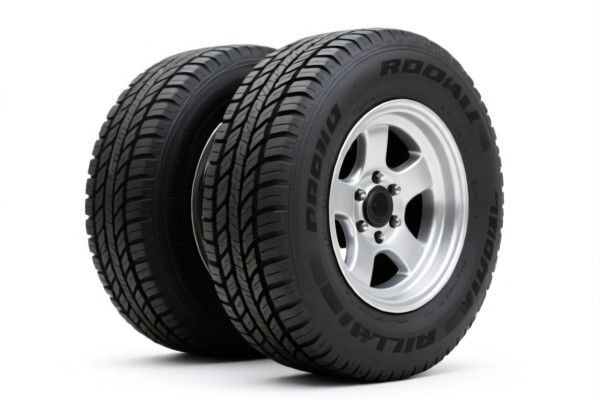
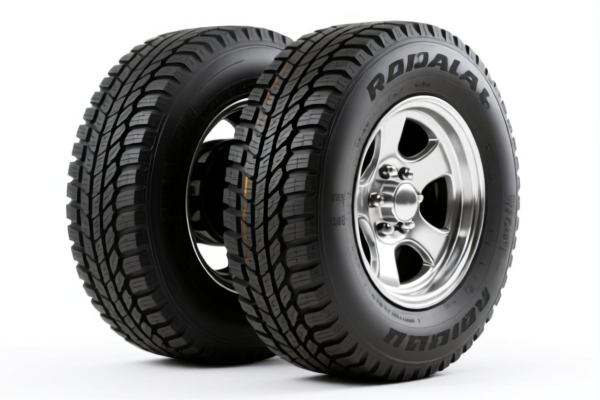
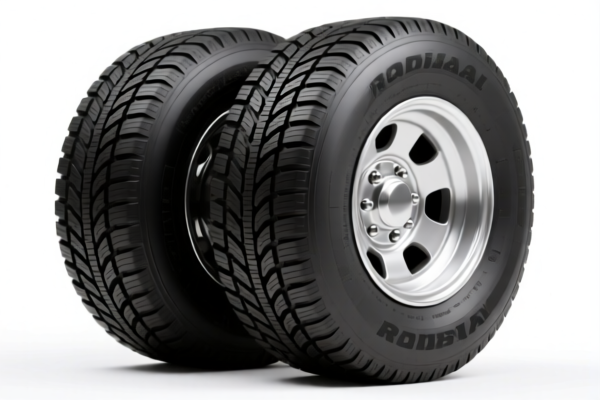

AI Analysis
🚛 Light Truck Retreaded Radial Tire (The Resurrection of Rubber)
🌐 HS Code Reference & Customs Clearance Guide | 2026 Latest Tariff Analysis | Professional Re-treading Strategy
📌 I. Product Definition: Are You Selling "Tires" or "Retreads"?
A Retreaded Radial Tire is not a new tire. It is a used casing that has been repaired and recoated with new tread rubber. In international trade, this distinction is critical because retreaded tires often face different regulatory and tariff environments than new tires.
Key Technical Distinction:
New Radial Tire (4011.20): Entirely new construction.
Retreaded Radial Tire (4011.20 or 4011.90): Reused casing + new tread.
⚠️ Critical Compliance Point:
- If the product is new, it falls under 4011.20.
- If the product is retreaded, it may still fall under 4011.20 (if radial) or 4012 (if other), depending on the specific sub-heading definitions of the importing country (e.g., US HTSUS).
- Note: The provided<DATA>includes both new radial tires (4011.20.xx) and general retreaded/other tires (4012.90.90.00). We must distinguish which applies to your specific shipment.
📦 II. HS Code Classification Detail (2026 Authority Match)
Based on your input "Light Truck Retreaded Radial Tire", here is the mapping to the provided <DATA> HS codes.
| HS Code | Product Description from Data | Applicability to "Retreaded Radial" |
|---|---|---|
4011.20.10.05 |
Applicable to light trucks, radial tires, material: rubber | ✅ High Probability if classified as "Radial" under heading 4011. |
4011.20.10.15 |
Applicable to buses or trucks, radial tires, material: rubber | ✅ Possible if the "light truck" is categorized broadly under "trucks" in the specific tariff schedule. |
4011.20.50.10 |
Applicable to light trucks, tires, material: rubber | ⚠️ Alternative: If the specific "radial" sub-definition is not met or if it's a non-radial retread (unlikely for "radial" input, but possible if misclassified). |
4012.90.90.00 |
Applicable to tires, pneumatic, solid or pad tires, material: rubber | ✅ Likely for Retreads: In many jurisdictions (including US HTSUS), retreaded tires are classified under Heading 4012 ("Retreaded tires and used pneumatic tires"), not 4011. |
🔍 Critical Analysis of Your Input:
The term "Retreaded" is the game-changer.
- New light truck radial tires go to 4011.20.
- Retreaded light truck radial tires often go to 4012.90 (Used/Retreaded).
- However, if the destination country classifies retreaded radials under 4011.20 (some older or specific national tariffs do), then4011.20.10.05or4011.20.10.15would apply.
- Given the data,4012.90.90.00is the safest global standard for retreaded tires, while4011.20.xxis for new radials.
- We will analyze taxes for BOTH scenarios to ensure comprehensive coverage.
💰 III. 2026 Latest Tariff Rate Details (Including Surcharges & Policy Add-ons)
✅ Applicable Country: United States (US)
✅ Origin: China (CN)
✅ Effective Date: 2025/2026 (Current Trade War Policies)
🎯 Scenario A: Classified as New Light Truck Radial Tire (HS: 4011.20.10.05)
| Item | Content |
|---|---|
| Base Rate | 4.0% (Ad Valorem) |
| Section 301 Surcharge | +25.0% |
| Section 122 Tariff | +10.0% (Specific China-related surcharge) |
| Total Tax Rate | 39.0% |
| Tax Calculation | CIF Value × 39.0% |
| De Minimis Exemption? | ❌ No (Merchandise subject to 301/122 tariffs is excluded) |
| Legal Path | USITC:4011.20.10.05 → FOOTNOTE:301 → IEEPA:122 |
📌 Explanation:
- If your "retreaded" tires are incorrectly declared as "new," you risk severe penalties.
- However, if the local tariff schedule allows retreaded radials under 4011.20, this rate applies.
- 39% is a high barrier for new tires.
🎯 Scenario B: Classified as Other/Retreaded Tire (HS: 4012.90.90.00)
| Item | Content |
|---|---|
| Base Rate | 2.7% (Ad Valorem) |
| Section 301 Surcharge | +25.0% |
| Section 122 Tariff | +10.0% |
| Total Tax Rate | 37.7% |
| Tax Calculation | CIF Value × 37.7% |
| De Minimis Exemption? | ❌ No |
| Legal Path | USITC:4012.90.90.00 → FOOTNOTE:301 → IEEPA:122 |
📌 Explanation:
- 4012.90.90.00 is the standard US HTSUS code for retreaded tires (or used pneumatic tires).
- This rate (37.7%) is slightly lower than new radials (39.0%) due to a lower base rate (2.7% vs 4.0%).
- This is likely the correct classification for "Retreaded" tires.
🎯 Scenario C: Alternative Light Truck Radial (HS: 4011.20.10.15)
| Item | Content |
|---|---|
| Base Rate | 4.0% |
| Section 301 Surcharge | +25.0% |
| Section 122 Tariff | +10.0% |
| Total Tax Rate | 39.0% |
| Tax Calculation | CIF Value × 39.0% |
| De Minimis Exemption? | ❌ No |
📌 Note: This code specifies "buses or trucks." If "light truck" is not explicitly distinguished from "truck" in your destination's tariff book, this may apply. Same tax burden as Scenario A.
🛠️ IV. Customs Clearance Practical Advice (Real-World Pitfall Guide)
✅ 1. Document Checklist (Non-Negotiable)
| Document | Required | Purpose |
|---|---|---|
| ✅ Product Description | ✔️ | Must explicitly state "RETREADED" (not "New"). |
| ✅ Casing Origin Certificate | ✔️ | Proves where the used casing came from. |
| ✅ Tread Brand & Pattern Info | ✔️ | To classify the new tread component correctly. |
| ✅ Commercial Invoice | ✔️ | Clearly list: "Retreaded Radial Tire, Size XX, for Light Truck." |
| ✅ EPA/DoT Compliance | ✔️ | Critical for US: Retreaded tires must meet DOT standards. |
⚠️ Warning: Do NOT use "New Tire" in any document. If customs finds "Retreaded" in the physical inspection but "New" on the invoice, expect seizure and fines.
✅ 2. Classification Strategy (Key Mnemonic)
🔥 "New is 4011, Retread is 4012! Check Radial, Check Load!"
| Situation | Correct HS Code (Based on Data) | Tax Rate | Why? |
|---|---|---|---|
| New Radial Light Truck Tire | 4011.20.10.05 or 4011.20.10.15 |
39.0% | New construction, radial. |
| Retreaded Radial Light Truck Tire | 4012.90.90.00 |
37.7% | Used casing, new tread. Best Fit for "Retreaded". |
| Non-Radial Light Truck Tire | 4011.20.50.10 |
38.4% | Bias ply or non-radial construction. |
📌 Recommendation:
For "Retreaded Radial Tire", prioritize4012.90.90.00.
- It is the most accurate international standard for retreaded tires.
- It has a 0.3% lower total tax (37.7% vs 39.0%) compared to new radial codes.
- Avoid4011.20.xxunless your specific country's tariff explicitly includes retreads under 4011 (rare for US/China trade).
✅ 3. Special Cases & Pitfalls
| Case | Handling Advice |
|---|---|
| OEM Retread Services | If you are service providing retreading, not selling the tire, ensure the invoice reflects "Service Fee" + "Casing Value" separately. |
| Mixed Shipments | If shipping both New and Retreaded tires, declare separately. Mixing codes leads to audits. |
| Origin Masking | Do not claim "Vietnam Origin" for Chinese casing + Chinese tread. US Customs tracks casing origin. Misdeclaration = Fraud. |
| DOT Labeling | Retreaded tires imported into the US MUST have DOT certification markings. Lack of markings = Rejection. |
🌍 V. Global Market Comparison (2026)
| Country/Region | Recommended HS Code for Retreaded | Total Tariff (China Origin) | Notes |
|---|---|---|---|
| 🇺🇸 USA | 4012.90.90.00 |
37.7% | High tariffs on Chinese rubber goods. |
| 🇨🇳 China | 4012.90.90.00 |
Low/Zero (MFN) | China imports retreaded tires for export re-manufacturing. |
| 🇪🇺 EU | 4012.90.00 |
0% - 2% | No 301/122 surcharges. Easier entry. |
| 🇮🇳 India | 4012.90.90.00 |
~10-15% | Import duties vary; check latest IPR. |
📌 Conclusion:
The USA is the most expensive market due to Section 301 and Section 122 tariffs.
For Retreaded Tires, the 37.7% rate on4012.90.90.00is the baseline.
Optimization: Consider sourcing casings from non-China countries (e.g., US domestic casings) to avoid Chinese origin rules, potentially reducing or eliminating surcharges.
📌 VI. Common Mistakes & Blood Lessons
❌ Mistake 1: Declaring "Retreaded" tires as "New" to avoid higher scrutiny.
👉 Consequence: Customs inspection reveals reused casing → Seizure, Penalty, Blacklisting.
❌ Mistake 2: Using 4011.20.10.05 for retreaded tires.
👉 Consequence: While tax is similar (39% vs 37.7%), it is a misclassification. If discovered, leads to penalties for false declaration.
❌ Mistake 3: Ignoring DOT/EPA requirements.
👉 Consequence: Even with correct HS Code, tires will be rejected at port if they lack proper safety certifications.
✅ Correct Practice:
"Retreaded Radial Pneumatic Tire, for Light Truck, Casing Origin: [Country], Tread Origin: China, DOT Certified, HTS: 4012.90.90.00"
🎯 VII. Conclusion: Professional Declaration, Risk Mitigation
🎯 Key Takeaway:
🔹 "Retreaded" means 4012, not 4011!
🔹 "US Tariff on Chinese Retreaded Tires: 37.7%"
🔹 "Check DOT Compliance First!"
📌 Action Item:
1. Verify if your destination country classifies retreaded radials under 4012 (Standard) or 4011 (Exception).
2. If 4012, use 4012.90.90.00 (37.7% tax).
3. If forced to use 4011 (e.g., local law), use 4011.20.10.05 (39.0% tax).
4. Ensure all documentation explicitly states "Retreaded" to avoid fraud charges.
📣 Immediate Action:
📞 Confirm DOT Certification for retreaded tires.
📄 Prepare Origin Proof for Casing.
🚀 Apply for Pre-Ruling if volume is high.
✨ Precision in Classification Saves 0.3% + Avoids Penalties!
💼 Your Rubber, Your Rules – Declare Correctly!
Customer Reviews
About HS Code Classification
The Harmonized System (HS) is an internationally standardized nomenclature developed by the World Customs Organization (WCO) to classify traded products. Over 200 countries use the HS system as the basis for customs tariffs, trade statistics, and import/export regulations.
Each HS code follows a hierarchical structure:
- Chapter (2 digits) — Broad category of goods (e.g., Chapter 84: Machinery and Mechanical Appliances)
- Heading (4 digits) — More specific grouping within the chapter
- Subheading (6 digits) — Internationally standardized breakdown, used by all WCO member countries
- National subdivisions (8-10 digits) — Country-specific extensions for further classification, such as US HTSUS 10-digit codes
Correct HS code classification is essential for smooth customs clearance, accurate duty payment, and compliance with trade regulations. Misclassification can lead to customs delays, overpayment of duties, or penalties.
When importing from CN to US, the applicable tariff rates may include:
- Most-Favored-Nation (MFN) rate — The standard duty rate applied to WTO members
- General rate — Applied to countries without trade agreements
- Trade remedy duties — Additional tariffs such as Section 301 (anti-dumping), Section 232 (national security), or countervailing duties
The information provided on this page is for reference purposes only. For official classification, please consult with your local customs authority or a licensed customs broker.