Light blocking fabric
CN → US| HS Code | Tariff Rate | Origin | Destination | Doc |
|---|---|---|---|---|
| 5903902500 | 42.5% | CN | US | Official Doc |
| 5407522060 | 49.9% | CN | US | Official Doc |
| 6303922030 | 28.8% | CN | US | Official Doc |
| 6303120010 | 28.8% | CN | US | Official Doc |
| 5903102500 | 42.5% | CN | US | Official Doc |
Product Images
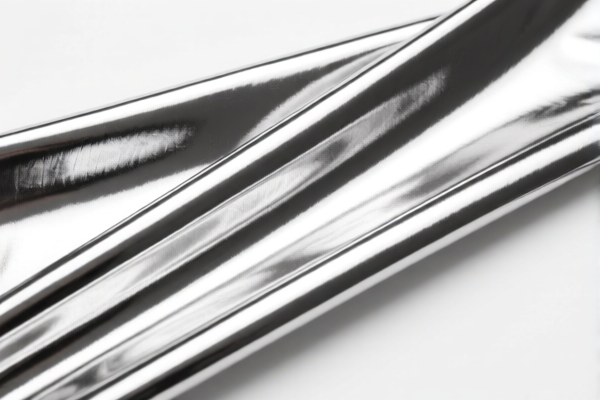
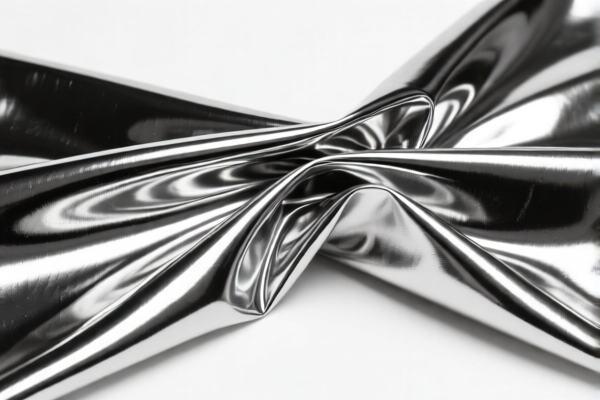
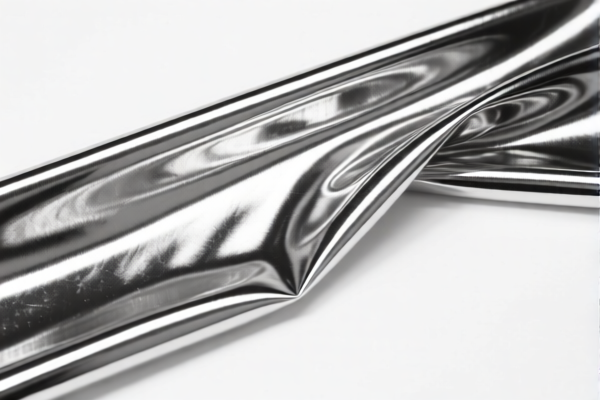
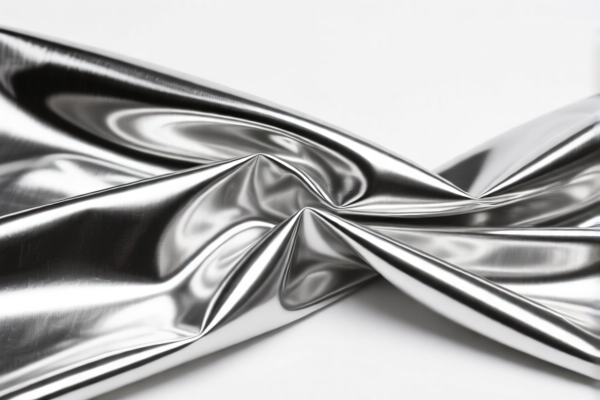
AI Analysis
🌑 Light Blocking Fabric (Shading Textiles)
🌐 HS Code Reference & Customs Clearance Guide | 2026 Latest Tariff Analysis | Professional Clearance Strategy
📌 1. Product Definition & Classification: Do You Really Understand "Light Blocking Fabric"?
Light blocking fabric, often referred to as shading textiles or blackout curtains, is a specialized textile product designed to prevent light transmission. In international trade, its classification depends heavily on its material composition and processing method. It is not a single category but spans multiple chapters in the Harmonized System (HS), primarily falling under:
Coated/Impregnated Fabrics (Chapter 59): Textile fabrics impregnated, coated, covered, or stratified with plastic or rubber to enhance light-blocking properties. Finished Curtain Products (Chapter 63): Finished curtains, drapes, and blinds, regardless of whether they are woven, knitted, or non-woven. Woven Fabric (Chapter 54): Synthetic fiber fabrics that may be dyed black but lack specific functional coatings.
⚠️ Key Distinction Point:
- If the fabric is raw material intended for further processing (e.g., making curtains) and features a plastic coating/impregnation → Belongs to Chapter 59 (5903.10or5903.90).
- If the fabric is a finished good (e.g., ready-to-use curtains/blinds) → Belongs to Chapter 63 (6303.92or6303.12).
- If the fabric is woven synthetic fiber (black/dyed) without specific functional coating mentioned → Belongs to Chapter 54 (5407.52).
📦 2. HS Code Classification Details (2026 Latest Tariff Authority Comparison)
| HS Code | Product Description | Application Scenario | Material/Feature |
|---|---|---|---|
5903.90.25.00 |
Textile fabrics impregnated, coated, covered or stratified with plastics, other than those of heading 59.02, other, other | Fabric with coating for shading purposes; matches the logic of other material categories. | Coated/Impregnated Fabric |
5407.52.20.60 |
Woven fabrics, incorporating threads of synthetic filaments, other, dyed, black | Woven fabric form, black dye, synthetic or natural fiber mix. | Woven Synthetic Fabric |
6303.92.20.30 |
Curtains (including drapes) and interior blinds, fabric, other than knitted or crocheted, of man-made fibers | Matches the form of curtains/shading blinds; inferred material is synthetic fiber. | Finished Curtain (Man-made) |
6303.12.00.10 |
Curtains (including drapes) and interior blinds, fabric, other than knitted or crocheted, of synthetic fibers | Possesses shading purpose and fabric characteristics; belongs to the curtain/shading blind category. | Finished Curtain (Synthetic) |
5903.10.25.00 |
Textile fabrics impregnated, coated, covered or stratified with plastic, other than those of heading 59.02, other, other, other | Matches fabric form; inferred as textile fabric impregnated or coated with plastic. | Coated/Impregnated Fabric |
🔍 Key Reminder:
- Chapter 59 Codes (5903.xx) are for fabrics with functional coatings. If the product is a raw fabric roll with a plastic coating to block light, use these.
- Chapter 63 Codes (6303.xx) are for finished curtain products. If the item is already cut and sewn into a curtain or blind, use these.
- Chapter 54 Code (5407.xx) is for basic woven fabrics that happen to be black/dyed but do not have the specific "impregnated/coated" description or finished curtain form.
💰 3. 2026 Latest Tariff Rate Breakdown (Including Surtaxes & Policy Add-ons)
✅ Applicable Country: United States (US)
✅ Country of Origin: China (CN)
✅ Effective Time: From November 10, 2025 (including subsequent imports)
🎯 1. 5903.90.25.00 & 5903.10.25.00 —— Textile Fabrics with Plastic Coating/Impregnation
These codes represent fabrics with functional treatments for light blocking.
| Item | Content |
|---|---|
| Base Tariff Rate | 7.5% (ad valorem) |
| Section 301 Surcharge | +25.0% (USITC Footnote 9903.88.01) |
| Section 122 Tariff | +10.0% (Targeting specific Chinese goods) |
| Total Tariff Rate | 42.5% |
| Tax Calculation | CIF Value × 42.5% |
| De Minimis Exemption | ❌ Not Eligible (deny_de_minimis) |
| Legal Basis Path | IEEPA:9903.01.25 → USITC:5903.xx → FOOTNOTE:9903.88.01 |
📌 Explanation:
- The 7.5% base rate applies to coated textile fabrics.
- The 25% Section 301 tariff is a significant surcharge on Chinese textile imports with functional coatings.
- The 10% Section 122 tariff is an additional levy under specific executive orders.
- Total 42.5% is a high tariff, requiring careful cost calculation.
🎯 2. 5407.52.20.60 —— Woven Synthetic Fabric (Black/Dyed)
This code applies if the fabric is primarily defined as a woven synthetic textile without the specific "coated" classification taking precedence, or if it's a specific subtype of black dyed fabric.
| Item | Content |
|---|---|
| Base Tariff Rate | 14.9% (ad valorem) |
| Section 301 Surcharge | +25.0% |
| Section 122 Tariff | +10.0% |
| Total Tariff Rate | 49.9% |
| Tax Calculation | CIF Value × 49.9% |
| De Minimis Exemption | ❌ Not Eligible (deny_de_minimis) |
| Legal Basis Path | IEEPA:9903.01.24 → USITC:5407.52 → FOOTNOTE:9903.88.01 |
📌 Note:
- This is the highest tariff rate among the provided codes.
- Use this code only if the product is clearly identified as woven synthetic fabric (dyed black) and does not fit the functional coating criteria of Chapter 59 or the finished goods criteria of Chapter 63.
- Misclassification here can lead to significant overpayment or underpayment penalties.
🎯 3. 6303.92.20.30 & 6303.12.00.10 —— Finished Curtains & Blinds (Synthetic/Man-made Fiber)
These codes apply to finished products (curtains, drapes, blinds) made from synthetic or man-made fibers.
| Item | Content |
|---|---|
| Base Tariff Rate | 11.3% (ad valorem) |
| Section 301 Surcharge | +7.5% |
| Section 122 Tariff | +10.0% |
| Total Tariff Rate | 28.8% |
| Tax Calculation | CIF Value × 28.8% |
| De Minimis Exemption | ❌ Not Eligible (deny_de_minimis) |
| Legal Basis Path | IEEPA:9903.01.24 → USITC:6303.12 → FOOTNOTE:9903.88.01 |
📌 Advantage:
- This is the most cost-effective option among the provided HS codes (28.8% total).
- Crucial: This rate applies only if the product is a finished curtain or blind. If you import raw fabric and sew it locally, you cannot use this code.
- Both6303.92.20.30(other man-made fibers) and6303.12.00.10(synthetic fibers) have the same tariff structure.
🛠️ 4. Customs Clearance Practical Advice (Real-world Pitfall Guide)
✅ 1. Required Documentation Checklist (No Exceptions)
| Document | Mandatory | Explanation |
|---|---|---|
| ✅ Product Specification Sheet | ✔️ | Must detail material composition, coating type (if any), dimensions, and light-blocking rating. |
| ✅ Product Photos (Including Label) | ✔️ | Clear images showing the texture, any coating finish, and the product form (fabric roll vs. finished curtain). |
| ✅ Commercial Invoice | ✔️ | Must explicitly state: "Light Blocking Fabric" or "Curtains/Blinds" and describe the HS Code accurately. |
| ✅ Packing List | ✔️ | Specify if items are fabric rolls or finished goods to avoid confusion. |
| ✅ Certificate of Origin (CO) | ✔️ | Required for verifying Chinese origin and applying correct surcharges. |
| ✅ Third-party Test Report | ✔️ | Optional but recommended: Light transmission test report to prove "light-blocking" function. |
✅ 2. Declaration Tips (Key Mnemonic)
🔥 "Raw Fabric Coated: Ch59. Finished Curtain: Ch63. Don't Mix Them!"
| Scenario | Correct Declaration | Wrong Practice |
|---|---|---|
| Raw fabric with plastic coating | 5903.90.25.00 or 5903.10.25.00 |
Declaring as "Curtain" → 28.8% (Too Low, Risk of Penalty) |
| Finished Blackout Curtain | 6303.92.20.30 or 6303.12.00.10 |
Declaring as "Coated Fabric" → 42.5% (Too High, Cost Inefficiency) |
| Uncoated Black Woven Fabric | 5407.52.20.60 |
Declaring as "Coated Fabric" → 49.9% (Incorrect, Overpaid) |
| Fabric + Hardware (Rods/Rings) | Declare as Curtain Set under Ch63 | Splitting declaration → Complexities & Delays |
✅ 3. Special Case Handling
| Situation | Handling Advice |
|---|---|
| OEM Custom Curtains | Provide customer design drawings to prove finished status. Avoid claiming "raw fabric" if it's already cut/sewn. |
| Importing Fabric for Local Sewing | You must use Chapter 59 codes (5903.xx). Do not use Chapter 63. |
| Mixed Container (Fabric + Finished Goods) | Split Declaration is mandatory. Do not combine into one HS Code. Misclassification leads to audit risks. |
| Non-Woven Light Blocking Fabric | Check if it fits 5903.90.25.00 (if coated) or other non-woven categories. Ensure description matches "non-woven" in invoice. |
🌍 5. Global Market Comparison (2026 Latest)
| Country/Region | Recommended HS Code | Tariff (CN Origin) | Certification | Notes |
|---|---|---|---|---|
| 🇺🇸 USA | 6303.92.20.30 |
28.8% | No specific | Lowest for finished curtains. Avoid Ch59 if possible (42.5%). |
| 🇪🇺 EU | 6303.92 |
~12% | CE/RoHS | Generally lower base rates. No Section 301 equivalent. |
| 🇨🇳 China | 6303.92 |
9% | CCC (if applicable) | Low import duty for finished goods. |
| 🇯🇵 Japan | 6303.92 |
~10% | PSE (if electrical parts) | Standard textile tariffs. |
📌 Conclusion:
- USA is the most complex market due to Section 301 and Section 122 tariffs.
- Finished curtains (Ch63) are cheaper to import than coated fabrics (Ch59) in the US market (28.8% vs 42.5%).
- Strategic Advice: If you are exporting to the US, ensure your product is finished (cut and sewn) to leverage the lower 28.8% rate. If you are exporting raw fabric, budget for the 42.5% rate.
📌 6. Common Errors & Pitfall Guide (Blood & Tears Lessons)
❌ Error 1: Declaring finished curtains as "Coated Fabric" (5903.xx)
👉 Consequence: Overpaying ~13.7% in tariffs unnecessarily.
👉 Fix: Check if the item is ready to hang. If yes, use Ch63.
❌ Error 2: Declaring raw coated fabric as "Curtains" (6303.xx)
👉 Consequence: Customs seizure, fines, and back-taxes for undervaluation of tariff.
👉 Fix: If it's a roll of fabric, use Ch59.
❌ Error 3: Ignoring Section 122 Tariff
👉 Consequence: Unexpected 10% surcharge at customs.
👉 Fix: Always include the 10% surcharge in cost calculations for Chinese-origin goods.
❌ Error 4: Vague Description ("Textile Fabric")
👉 Consequence: Customs officer chooses the highest possible code (often 5407.xx at 49.9%).
👉 Fix: Be specific. Use "Blackout Curtain, Synthetic Fiber" or "Plastic-Coated Textile Fabric".
✅ Correct Practice:
"Blackout Curtains, 100% Polyester, Blackout Lining, Ready to Hang, Model XYZ, Packaged in Retail Boxes"
OR
"Light-Blocking Fabric, Polyvinyl Chloride Coated, Woven Polyester, Sold by the Meter"
🎯 7. Conclusion: Professional Declaration, Save Time, Reduce Costs!
🎯 Remember the Mnemonic:
🔹 "Finished Curtain: 28.8%. Coated Fabric: 42.5%. Uncoated Black: 49.9%."
🔹 "HS Code Determines Life and Death. A 14% Difference is Huge. Declare Accurately."
📌 Tips:
- If your light blocking fabric is imported as a finished curtain, always aim for 6303.92.20.30 or 6303.12.00.10 to save 13.7% in tariffs.
- If you are importing raw material, accept the 5903.xx rate at 42.5%.
- Apply for an Advance Ruling from US Customs and Border Protection (CBP) if your product is on the borderline between "coated fabric" and "finished curtain."
📣 Take Action Now:
📞 Contact a Professional Customs Broker + Provide Product Photos + Apply for HS Code Advance Ruling
🚀 Let your Light Blocking Fabric clear customs smoothly, efficiently export, and maximize profits!
✨ Professional Customs Clearance Starts with Accurate Classification!
💼 Every Dollar of Your Cost Deserves Precision!
Customer Reviews
About HS Code Classification
The Harmonized System (HS) is an internationally standardized nomenclature developed by the World Customs Organization (WCO) to classify traded products. Over 200 countries use the HS system as the basis for customs tariffs, trade statistics, and import/export regulations.
Each HS code follows a hierarchical structure:
- Chapter (2 digits) — Broad category of goods (e.g., Chapter 84: Machinery and Mechanical Appliances)
- Heading (4 digits) — More specific grouping within the chapter
- Subheading (6 digits) — Internationally standardized breakdown, used by all WCO member countries
- National subdivisions (8-10 digits) — Country-specific extensions for further classification, such as US HTSUS 10-digit codes
Correct HS code classification is essential for smooth customs clearance, accurate duty payment, and compliance with trade regulations. Misclassification can lead to customs delays, overpayment of duties, or penalties.
When importing from CN to US, the applicable tariff rates may include:
- Most-Favored-Nation (MFN) rate — The standard duty rate applied to WTO members
- General rate — Applied to countries without trade agreements
- Trade remedy duties — Additional tariffs such as Section 301 (anti-dumping), Section 232 (national security), or countervailing duties
The information provided on this page is for reference purposes only. For official classification, please consult with your local customs authority or a licensed customs broker.