Lighting Fixture
CN → US| HS Code | Tariff Rate | Origin | Destination | Doc |
|---|---|---|---|---|
| 3926902500 | 24.0% | CN | US | Official Doc |
| 9405920000 | 38.7% | CN | US | Official Doc |
| 3926909989 | 22.8% | CN | US | Official Doc |
| 9405198020 | 38.9% | CN | US | Official Doc |
| 7020006000 | 40.0% | CN | US | Official Doc |
Product Images


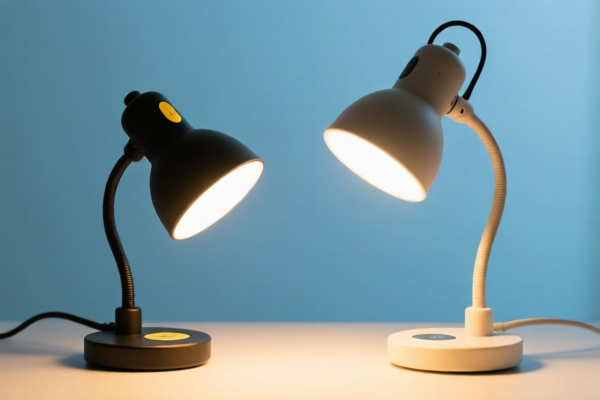
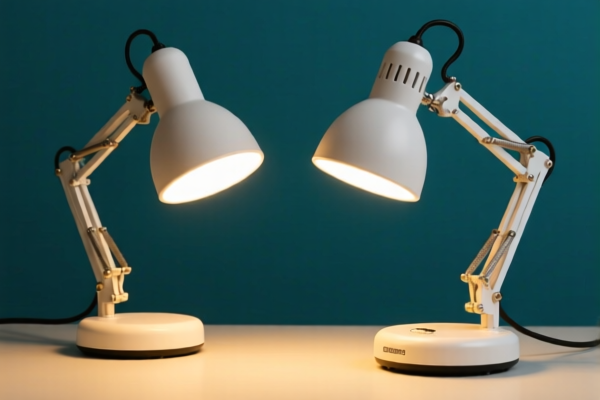
AI Analysis
💡 Lighting Fixture (Lamps & Lighting Equipment)
🌐 HS Code Reference & Customs Clearance Guide | 2026 Tariff Analysis | Strategic Entry for US Imports
📌 Section 1: Product Definition & Classification: Do You Know Your "Lighting Fixture"?
Lighting fixtures are essential components in residential, commercial, and industrial sectors, serving both functional and aesthetic purposes. In international trade, the classification of "Lighting Fixtures" depends heavily on material composition, final function, and structural design.
For Plastic Lighting Fixtures, US Customs and Border Protection (CBP) often forces a choice between two main paths: 1. Material-Based Classification (Chapter 39): Treated primarily as a "plastic article" (e.g., the housing is the dominant feature). 2. Function-Based Classification (Chapter 94): Treated as a "lamp or lighting fitting" (e.g., the lighting function is the primary identity).
⚠️ Critical Distinction:
- If the item is primarily a glass/glass-like component (e.g., a lampshade) or a plastic housing that is merely a container for parts, it may fall under 7020 (Glass) or 3926 (Plastics).
- If the item is a complete assembly intended for illumination (bulb holder, fixture body, mounting), it typically falls under 9405.
- The "Total Tax" difference can range from 22.8% to 40.0%, making the correct HS Code choice vital for cost control.
📦 Section 2: HS Code Classification Details (2026 Tariff Schedule)
Based on the provided data, here is the authoritative breakdown for Plastic Lighting Fixtures:
| HS Code | Product Description | Classification Logic | Total Tax Rate |
|---|---|---|---|
| 3926.90.25.00 | Plastic Lamp/Fixture (Material Focus) | Classified primarily as a plastic article meeting specific plastic material requirements. | 24.0% |
| 9405.92.00.00 | Plastic Lamp/Fixture (Function Focus) | Classified as a lighting fixture (part of a lamp) with plastic components. The function (lighting) dominates. | 38.7% |
| 3926.90.99.89 | Plastic Lamp/Fixture (Other Plastic) | Classified as a "Other plastic article" not covered by specific plastic sub-categories. | 22.8% |
| 9405.19.80.20 | Plastic Lamp/Fixture (Specific Lighting) | Classified under "Other lighting fittings" for automatic data processing or specific lighting definitions. | 38.9% |
| 7020.00.60.00 | Lamp Shade (Glass Component) | Classified as a glass article (e.g., a glass lampshade) inferred from material properties. | 40.0% |
🔍 Key Insight:
- Function > Material for Lighting: If the item is a complete lamp intended for illumination, Chapter 94 (9405) is usually the correct legal classification, but it carries a heavier tax burden (38-39%) compared to material-only classifications. - Material Exception: If the item is merely a plastic housing or shade sold separately without lighting elements, Chapter 39 (3926) or 7020 applies, offering lower rates (22-24%).
💰 Section 3: 2026 Tariff Rate Breakdown (Detailed Tax Components)
✅ Applicable Region: United States (US)
✅ Origin: China (CN)
✅ Tax Structure: Base Duty + Section 301 (Additional) + Section 122 (Retaliatory)
🎯 1. 3926.90.25.00 – Plastic Article (Material Focus)
Total Tax: 24.0%
| Component | Rate | Legal Basis | Explanation |
|---|---|---|---|
| Base Duty | 6.5% | Harmonized Tariff Schedule (HTS) | Standard US import duty for plastic articles. |
| Section 301 | 7.5% | USITC Footnote 9903.88 | Additional tariff on specific Chinese plastic goods. |
| Section 122 | 10.0% | IEEPA / Retaliatory Measures | Specific 122-list tariff on Chinese products. |
| Calculation | CIF × 24.0% |
🎯 2. 9405.92.00.00 – Lighting Fixture (Function Focus)
Total Tax: 38.7%
| Component | Rate | Legal Basis | Explanation |
|---|---|---|---|
| Base Duty | 3.7% | HTS | Low base duty for lighting equipment. |
| Section 301 | 25.0% | USITC Footnote 9903.01 | High Additional Duty on lighting fixtures from China. |
| Section 122 | 10.0% | IEEPA | Standard 122 retaliatory tariff. |
| Calculation | CIF × 38.7% |
📌 Critical Warning:
- The Section 301 rate for lighting fixtures (25%) is significantly higher than for general plastic articles (7.5%). - Misclassifying a complete lamp as a "plastic part" to get the lower rate is a high-risk audit target for CBP.
🎯 3. 3926.90.99.89 – Other Plastic Articles
Total Tax: 22.8%
| Component | Rate | Legal Basis | Explanation |
|---|---|---|---|
| Base Duty | 5.3% | HTS | Standard duty for miscellaneous plastic goods. |
| Section 301 | 7.5% | USITC Footnote 9903.88 | Moderate additional tariff. |
| Section 122 | 10.0% | IEEPA | Standard 122 tariff. |
| Calculation | CIF × 22.8% |
🎯 4. 9405.19.80.20 – Specific Lighting Fittings
Total Tax: 38.9%
| Component | Rate | Legal Basis | Explanation |
|---|---|---|---|
| Base Duty | 3.9% | HTS | Base duty for specific lighting apparatus. |
| Section 301 | 25.0% | USITC Footnote 9903.01 | High additional tariff (same as other lamps). |
| Section 122 | 10.0% | IEEPA | Standard 122 tariff. |
| Calculation | CIF × 38.9% |
🎯 5. 7020.00.60.00 – Glass Lampshade
Total Tax: 40.0%
| Component | Rate | Legal Basis | Explanation |
|---|---|---|---|
| Base Duty | 5.0% | HTS | Duty for other glass articles. |
| Section 301 | 25.0% | USITC Footnote 9903.01 | High additional tariff on glass products. |
| Section 122 | 10.0% | IEEPA | Standard 122 tariff. |
| Calculation | CIF × 40.0% |
📌 Note: Glass components (like lampshades) attract the highest Section 301 rate (25%), resulting in the highest total tax (40%).
🛠️ Section 4: Practical Customs Clearance Advice (Avoiding Pitfalls)
✅ 1. Documentation Checklist (Non-Negotiable)
| Document | Requirement | Purpose |
|---|---|---|
| ✅ Commercial Invoice | Must explicitly state: "Plastic Lighting Fixture" or "Glass Lampshade" + HS Code. | Clear identification of goods. |
| ✅ Technical Drawing | Critical! Show if the item includes a bulb holder, socket, or wiring. | Proves "Lighting Function" (9405) vs. "Housing" (3926). |
| ✅ Product Photos | High-res photos of the item in use (with bulb) and close-ups of material. | Visual proof for CBP classification. |
| ✅ BOM (Bill of Materials) | List of materials (Plastic %, Glass %, Metal %). | Supports classification under 3926 (Plastic) or 7020 (Glass). |
| ✅ Certificate of Origin | Required for 122 Tariff application. | Confirms Chinese origin. |
✅ 2. Strategic Declaration Tips (The "Golden Rules")
🔥 Rule #1: Function vs. Material
- If you import a complete lamp (with socket and wiring) intended for illumination, you MUST use 9405 (Tax ~38-39%).
- Trap: Trying to classify a complete lamp as "Plastic Article" (3926) to save 15% will lead to seizure, penalties, and back-taxes.🔥 Rule #2: Separate Components
- If you import lampshades (glass/plastic) separately from the fixture base, you can classify them as 7020 (Glass) or 3926 (Plastic) to lower the tax.
- Warning: Do not ship a complete assembled unit as "shades only."🔥 Rule #3: Glass is Expensive
- 7020 (Glass) has a 40% total tax. If your product is a "plastic lamp with a glass shade," consider whether the glass is the primary material. If the plastic body is dominant, try to justify 3926 classification (24%) instead of 7020.
✅ 3. Special Scenarios & Handling
| Scenario | Recommended Action | Risk Level |
|---|---|---|
| Complete LED Lamp (Plastic Body) | Use 9405.92.00.00. Do not split. | Medium (High audit risk if misclassified) |
| Lamp Shade (Glass) sold alone | Use 7020.00.60.00. | Low (Clear classification) |
| Plastic Fixture Housing (No wiring) | Use 3926.90.25.00. | Low (If no lighting parts included) |
| Mixed Materials (Plastic + Glass) | Declare as Plastic (3926) if plastic is the structural base. | Medium (Need strong technical justification) |
🌍 Section 5: Global Market Comparison (2026 Outlook)
| Country | Typical HS Code for Lighting | Base Tax | Additional Tax | Total Est. |
|---|---|---|---|---|
| 🇺🇸 USA | 9405 / 3926 | 3.7% - 6.5% | 25% (301) + 10% (122) | 24% - 40% |
| 🇪🇺 EU | 9405 | 2.7% | 0% (Mostly) | ~3% |
| 🇨🇳 China | 9405 | 0% (Import Duty) | 0% | ~0% |
| 🇯🇵 Japan | 9405 | 4.5% | 0% | ~4.5% |
📌 Conclusion: The US market is the most costly due to the Section 301 (25%) and Section 122 (10%)叠加 (stacking). Other markets (EU, Japan, China) offer significantly lower rates. - Strategy: For US imports, re-evaluate the supply chain. Consider sourcing from Vietnam or Mexico to avoid Section 301/122 tariffs (if eligible), or strictly optimize HS Code to 3926 if legally justifiable.
📌 Section 6: Common Mistakes & Avoidance Guide
❌ Mistake 1: Classifying a complete lamp (with socket) as a "Plastic Article" (3926).
👉 Consequence: CBP will reject, assess 38.9% tax + penalties.
✅ Fix: Use 9405 if it's a functional lamp.
❌ Mistake 2: Classifying a glass shade as "Plastic" to avoid the 40% tax.
👉 Consequence: High risk of audit and seizure of "misdeclaration".
✅ Fix: Be honest about material. If it's glass, use 7020.
❌ Mistake 3: Ignoring the Section 122 (10%) tariff.
👉 Consequence: Unexpected cost increase.
✅ Fix: Always include the 10% in your cost calculation for US imports from China.
🎯 Section 7: Final Verdict – Professional Clearance Strategy
🎯 Remember the Golden Formula:
🔹 "Complete Lamp = 9405 (High Tax)"
🔹 "Plastic Part Only = 3926 (Medium Tax)"
🔹 "Glass Shade = 7020 (Highest Tax)"
🔹 "Don't try to hide a lamp as a plastic part!"
📌 Pro Tip:
If you are importing plastic lighting fixtures, and the product can be justified as a "Plastic Article" (e.g., a decorative plastic housing sold without the electrical components), you can save 14-16% in duties (dropping from ~39% to ~24%).
Action: Provide a clear BOM and photos proving the absence of electrical components to the customs broker.
📣 Call to Action:
📞 Contact your Customs Broker TODAY with your Technical Drawings.
🚀 Get a Pre-Ruling (Binding Ruling) from CBP to lock in your HS Code before shipping.
💼 Protect your margin – One wrong digit in the HS Code can cost you $15,000+ on a single container!
✨ Precision Classification = Maximum Profit.
🔐 Safe, Fast, and Compliant US Customs Clearance Starts Here!
Customer Reviews
About HS Code Classification
The Harmonized System (HS) is an internationally standardized nomenclature developed by the World Customs Organization (WCO) to classify traded products. Over 200 countries use the HS system as the basis for customs tariffs, trade statistics, and import/export regulations.
Each HS code follows a hierarchical structure:
- Chapter (2 digits) — Broad category of goods (e.g., Chapter 84: Machinery and Mechanical Appliances)
- Heading (4 digits) — More specific grouping within the chapter
- Subheading (6 digits) — Internationally standardized breakdown, used by all WCO member countries
- National subdivisions (8-10 digits) — Country-specific extensions for further classification, such as US HTSUS 10-digit codes
Correct HS code classification is essential for smooth customs clearance, accurate duty payment, and compliance with trade regulations. Misclassification can lead to customs delays, overpayment of duties, or penalties.
When importing from CN to US, the applicable tariff rates may include:
- Most-Favored-Nation (MFN) rate — The standard duty rate applied to WTO members
- General rate — Applied to countries without trade agreements
- Trade remedy duties — Additional tariffs such as Section 301 (anti-dumping), Section 232 (national security), or countervailing duties
The information provided on this page is for reference purposes only. For official classification, please consult with your local customs authority or a licensed customs broker.