Lightweight Car Tire
CN → US| HS Code | Tariff Rate | Origin | Destination | Doc |
|---|---|---|---|---|
| 4012128019 | 38.4% | CN | US | Official Doc |
| 4011201005 | 39.0% | CN | US | Official Doc |
| 4011205010 | 38.4% | CN | US | Official Doc |
| 4012124015 | 39.0% | CN | US | Official Doc |
Product Images
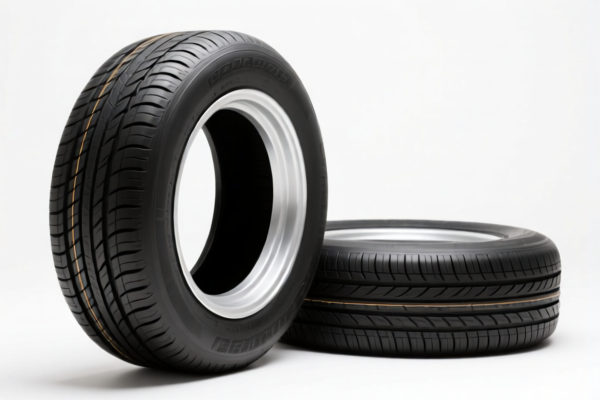
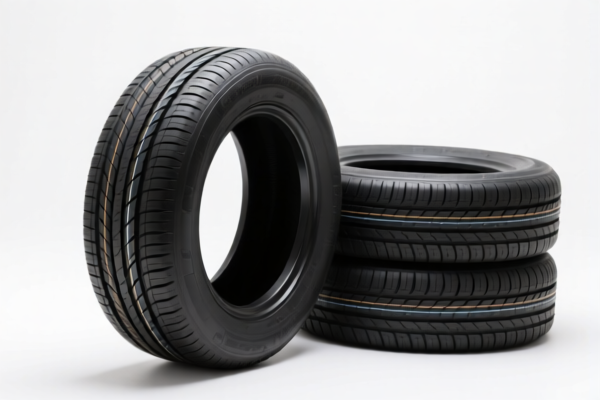
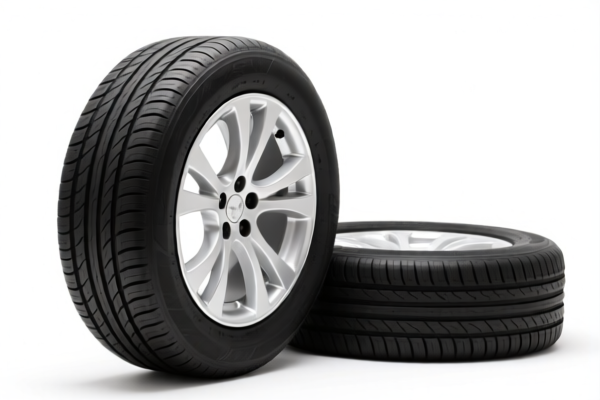
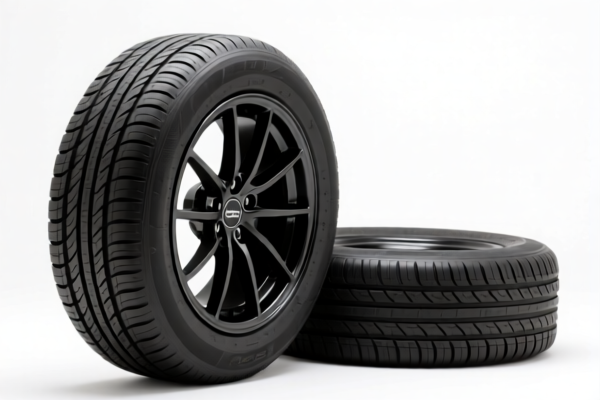
AI Analysis
🚛 Lightweight Car Tires (Light Duty Pneumatic Tires)
🌐 HS Code Reference & Customs Clearance Guide | 2026 Latest Tariff Analysis | Professional通关 Strategy
📌 I. Product Definition & Classification: Do You Really Understand "Lightweight Car Tires"?
"Lightweight Car Tires" typically refer to pneumatic tires designed for light duty trucks or similar light commercial vehicles. In international trade, precise classification depends on the specific construction (radial vs. non-radial) and intended vehicle type. The materials are inferred as rubber based on standard industry composition.
⚠️ Key Distinction Point:
- If the tire is for light trucks (e.g., pickups, small delivery vans) and is Radial →归入 4012.12...
- If the tire is for light trucks and is Non-Radial (e.g., bias-ply) →归入 4011.20...
📦 II. HS Code Classification Details (2026 Latest Tariff Authority Comparison)
| HS Code | Product Description | Applicable Scenario | Structure/Type |
|---|---|---|---|
4012.12.80.19 |
Pneumatic tires of rubber, new, of a kind used on motor cars and other vehicles specified in heading 40.11, of a kind used on light trucks, not reinforced or corded in any way | Matches Lightweight Car Tires, consistent use, material inferred as rubber | Radial (Typically) |
4011.20.10.05 |
Pneumatic tires of rubber, new, of a kind used on motor cars and other vehicles specified in heading 40.11, of a kind used on light trucks | Matches Lightweight Car Tires, consistent use, material inferred as rubber | Non-Radial (Bias) |
4011.20.50.10 |
Pneumatic tires of rubber, new, of a kind used on motor cars and other vehicles specified in heading 40.11, of a kind used on light trucks | Matches Lightweight Car Tires, consistent use and form, material inferred as rubber | Non-Radial (Bias) |
4012.12.40.15 |
Pneumatic tires of rubber, new, of a kind used on motor cars and other vehicles specified in heading 40.11, of a kind used on light trucks, reinforced or corded in any way | Matches Lightweight Car Car Tires, consistent use, material inferred as rubber | Radial (Reinforced) |
🔍 Key Reminder:
- All these HS codes relate to Tires for Light Trucks/Vans. Ensure the invoice clearly states the vehicle type (e.g., "For Light Truck XYZ Model") to avoid misclassification with passenger car tires (4011.10) or heavy truck tires (4011.93). - "Light Truck" usually refers to vehicles with a gross vehicle weight rating (GVWR) under a specific threshold (e.g., < 4,535 kg / 10,000 lbs in some contexts, but check local regulations).
💰 III. 2026 Latest Tariff Rate Detail (Including Additional Taxes, Policy Add-ons)
✅ Applicable Country: United States (US)
✅ Origin: China (CN)
✅ Effective Time: Current rates apply (Section 301 & 122 implications)
🎯 1. 4012.12.80.19 —— Radial Tires for Light Trucks (Not Reinforced)
| Item | Content |
|---|---|
| Basic Tariff Rate | 3.4% (ad valorem) |
| Section 301 Additional Tariff | +25.0% (Trade Remedy) |
| Section 122 Tariff | +10.0% (Specific Chinese Import Restriction) |
| Total Effective Tax Rate | 38.4% |
| Tax Calculation | CIF Value × 38.4% |
| De Minimis Eligibility | ❌ No (High tariff rates exclude de minimis exemption) |
| Legal Basis Path | HTSUS:4012.12.80.19 → USITC:301_Footnote → Trade_Reform_Act:122 |
📌 Explanation:
- "Basic Tariff 3.4%": Standard Most Favored Nation (MFN) rate for this specific tire subtype. - "Section 301 Tariff 25%": Applies to a wide range of Chinese goods, including tires, under the U.S.-China trade war tariffs. - "Section 122 Tariff 10%": Specific tariffs imposed under Section 122 of the Trade Expansion Act of 1962 for national security or economic balance reasons (often targeted at specific Chinese manufacturing sectors). - Total 38.4%: This is a very high duty rate. Profit margins must be carefully calculated to absorb this cost.
🎯 2. 4011.20.10.05 —— Non-Radial Tires for Light Trucks
| Item | Content |
|---|---|
| Basic Tariff Rate | 4.0% (ad valorem) |
| Section 301 Additional Tariff | +25.0% |
| Section 122 Tariff | +10.0% |
| Total Effective Tax Rate | 39.0% |
| Tax Calculation | CIF Value × 39.0% |
| De Minimis Eligibility | ❌ No |
| Legal Basis Path | HTSUS:4011.20.10.05 → USITC:301_Footnote → Trade_Reform_Act:122 |
📌 Note:
- This is for Bias/Non-Radial tires. The basic rate is slightly higher (4.0% vs 3.4%) but still subject to the same heavy add-ons. - Commonly used in older model trucks or specific off-road light vehicles.
🎯 3. 4011.20.50.10 —— Other Non-Radial Tires for Light Trucks
| Item | Content |
|---|---|
| Basic Tariff Rate | 3.4% (ad valorem) |
| Section 301 Additional Tariff | +25.0% |
| Section 122 Tariff | +10.0% |
| Total Effective Tax Rate | 38.4% |
| Tax Calculation | CIF Value × 38.4% |
| De Minimis Eligibility | ❌ No |
| Legal Basis Path | HTSUS:4011.20.50.10 → USITC:301_Footnote → Trade_Reform_Act:122 |
📌 Note:
- Similar to4011.20.10.05but may differ in specific size or tread pattern classification. Ensure the tire size (e.g., LT265/70R17) matches the HTSUS definition for "Light Truck."
🎯 4. 4012.12.40.15 —— Reinforced Radial Tires for Light Trucks
| Item | Content |
|---|---|
| Basic Tariff Rate | 4.0% (ad valorem) |
| Section 301 Additional Tariff | +25.0% |
| Section 122 Tariff | +10.0% |
| Total Effective Tax Rate | 39.0% |
| Tax Calculation | CIF Value × 39.0% |
| De Minimis Eligibility | ❌ No |
| Legal Basis Path | HTSUS:4012.12.40.15 → USITC:301_Footnote → Trade_Reform_Act:122 |
📌 Note:
- "Reinforced or Corded" tires are often used for heavier loads within the light truck category. - Slightly higher basic rate (4.0%) due to the reinforcement technology, but overall impact is similar to other light truck tire categories.
🛠️ IV. Customs Clearance Practical Advice (Pitfall Avoidance Guide)
✅ 1. Preparation Checklist (All Required)
| Document | Mandatory | Notes |
|---|---|---|
| ✅ Product Specification Sheet | ✔️ | Must include: Size, Ply Rating, Load Index, Speed Rating, Radial/Bias type. |
| ✅ Commercial Invoice | ✔️ | Must clearly state: "Pneumatic Tire for Light Truck," Material (Rubber), Origin (China). |
| ✅ Packing List | ✔️ | Itemize quantities clearly. Avoid mixing tire sizes in one line item without sub-line details. |
| ✅ Certificate of Origin (CO) | ✔️ | Essential for proving Chinese origin (triggers the 35% total tax). If transshipped via Vietnam/Mexico, ensure substantial transformation proof. |
| ✅ Third-Party Test Reports | ✔️ | DOT certification, UTQG ratings (Treadwear, Traction, Temperature) are often required for DOT compliance before CBP release. |
✅ 2. Declaration Tips (Key Mantra)
🔥 “Declare Size, Declare Type, Avoid Ambiguity, Prevent Delays!”
| Scenario | Correct Declaration | Wrong Practice |
|---|---|---|
| Tire for Pickup Truck | 4012.12.xxxx or 4011.20.xxxx with explicit "Light Truck" in description |
"Car Tire" → May be classified under passenger car rates (different rules) or flagged for misclassification. |
| Mixed Shipment | List each HS code separately | Combining all tires into one generic code → Audit risk, potential penalty. |
| Reinforced Tires | Specify "Reinforced/Corded" in invoice | Omitting this may lead to classification under non-reinforced (lower basic rate) but subsequent correction fees. |
✅ 3. Special Circumstances Handling
| Situation | Handling Advice |
|---|---|
| Transshipment via Third Country | If tires are made in China but shipped from Vietnam, ensure no substantial transformation occurred in Vietnam. CBP may still apply Chinese origin rules and tariffs if proof is insufficient. |
| DOT Compliance | Tires must have DOT stamp and proper UTQG rating visible. Lack of DOT marking can lead to refusal of entry regardless of HS Code. |
| Section 122 & 301 Interaction | Both tariffs apply cumulatively. There is no exemption for small businesses or low-value shipments (de minimis does not apply due to high tax rate). |
🌍 V. Global Market Comparison (2026 Latest)
| Country/Region | Recommended HS Code | Tariff (China Origin) | Certification Required | Notes |
|---|---|---|---|---|
| 🇺🇸 United States | 4012.12.xxxx / 4011.20.xxxx |
38.4% - 39.0% | DOT, UTQG | Highest Cost. 35%+ add-ons make China-origin tires expensive. |
| 🇨🇳 China (Import) | 4011.20 / 4012.12 |
~10-15% | CCC (if applicable) | Standard import duties, no Section 301/122. |
| 🇪🇺 European Union | 4011.20 / 4012.12 |
~4.5% | ECE R1, E-Mark | No major punitive tariffs, but strict safety standards. |
| 🇲🇽 Mexico | 4011.20 / 4012.12 |
~5% (under USMCA if qualified) | NOM Certification | Potential benefit if sourced from US/Canada. |
📌 Conclusion:
- USA is the most challenging market for Chinese tires due to the 35-39% effective tariff rate. - Consider supply chain diversification (e.g., manufacturing in Southeast Asia) if exporting to the US, but ensure origin rules are strictly met to avoid anti-circumvention investigations.
📌 VI. Common Mistakes & Pitfalls (Lessons Learned)
❌ Mistake 1: Declaring "Tires" without specifying "Light Truck" vs. "Passenger Car"
👉 Consequence: CBP may classify under incorrect heading → Audit + Back Taxes.
❌ Mistake 2: Ignoring Section 122 and 301 Tariffs
👉 Consequence: Underpayment of duties → Penalties + Interest (35-40% difference is huge).
❌ Mistake 3: Lack of DOT/UTQG Information on Invoice
👉 Consequence: Port of Entry Hold until additional documentation is provided → Delays + Storage Fees.
❌ Mistake 4: Assuming De Minimis Exemption Applies
👉 Consequence: For shipments <$800, it does NOT apply due to high tariff rates. Pay full duty.
✅ Correct Practice:
"Light Duty Pneumatic Tire, Radial, Size 235/75R15, For Light Truck, DOT Certified, Origin: China"
🎯 VII. Conclusion: Precision in Classification, Savings in Logistics
🎯 Remember the Mantra:
🔹 "Size + Type + Origin = Correct HS Code"
🔹 "38-39% Total Tax, No De Minimis, Plan Ahead!"
🔹 "Section 301 + 122 = High Barrier, Diversify Supply Chain."
📌 Pro Tip:
If your tires are originally manufactured in China but packaged/re-labeled in a third country, consult a customs attorney. Transshipment evasion of Section 301/122 tariffs is heavily scrutinized.
Recommend Advance Ruling (Binding Ruling Request) from CBP if your product specifications are unique or borderline.
📣 Immediate Action:
📞 Contact a licensed Customs Broker + Provide Technical Specs + Apply for CBP Advance Ruling
🚀 Clear the Hurdle, Secure Margins, Ship with Confidence!
✨ Professional Clearance Starts with Accurate Classification!
💼 Every Percent of Tax Saves You Profit!
Customer Reviews
About HS Code Classification
The Harmonized System (HS) is an internationally standardized nomenclature developed by the World Customs Organization (WCO) to classify traded products. Over 200 countries use the HS system as the basis for customs tariffs, trade statistics, and import/export regulations.
Each HS code follows a hierarchical structure:
- Chapter (2 digits) — Broad category of goods (e.g., Chapter 84: Machinery and Mechanical Appliances)
- Heading (4 digits) — More specific grouping within the chapter
- Subheading (6 digits) — Internationally standardized breakdown, used by all WCO member countries
- National subdivisions (8-10 digits) — Country-specific extensions for further classification, such as US HTSUS 10-digit codes
Correct HS code classification is essential for smooth customs clearance, accurate duty payment, and compliance with trade regulations. Misclassification can lead to customs delays, overpayment of duties, or penalties.
When importing from CN to US, the applicable tariff rates may include:
- Most-Favored-Nation (MFN) rate — The standard duty rate applied to WTO members
- General rate — Applied to countries without trade agreements
- Trade remedy duties — Additional tariffs such as Section 301 (anti-dumping), Section 232 (national security), or countervailing duties
The information provided on this page is for reference purposes only. For official classification, please consult with your local customs authority or a licensed customs broker.