Lightweight Coated Printing Paper
CN → US| HS Code | Tariff Rate | Origin | Destination | Doc |
|---|---|---|---|---|
| 4810221000 | 35.0% | CN | US | Official Doc |
| 4805919000 | 35.0% | CN | US | Official Doc |
| 4805917000 | 35.0% | CN | US | Official Doc |
| 4802543100 | 35.0% | CN | US | Official Doc |
| 4802554000 | 35.0% | CN | US | Official Doc |
Product Images
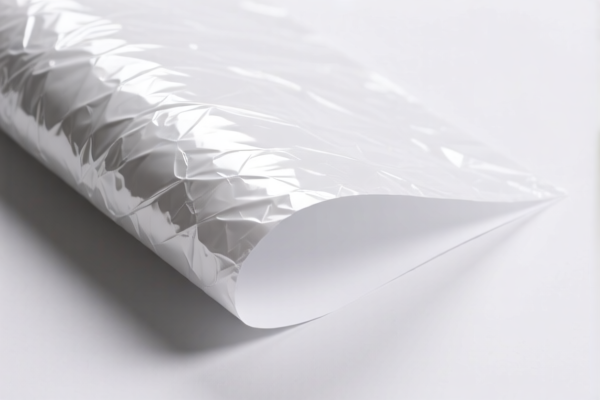
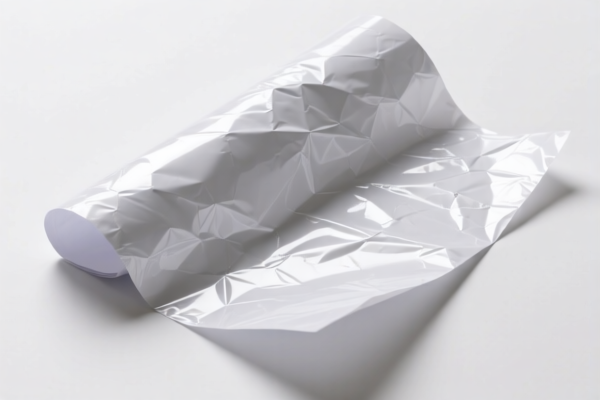
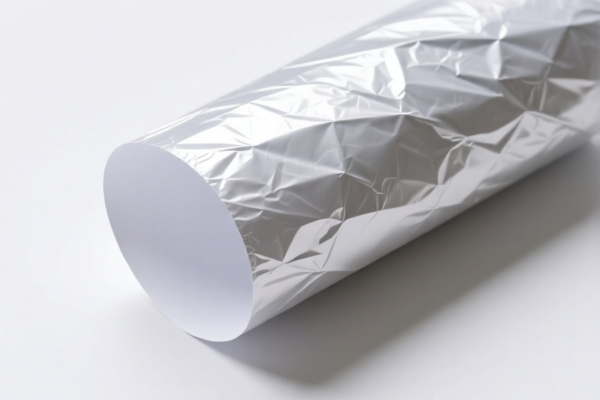
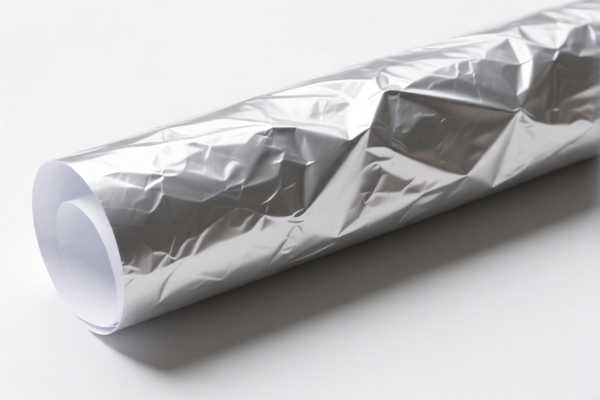
AI Analysis
📄 Lightweight Coated Printing Paper (卷筒纸)
🌐 HS Code Reference & Customs Clearance Guide | 2026 Tariff Analysis for US Imports | Professional Strategy
📌 I. Product Definition: What is "Lightweight Coated Printing Paper"?
"Lightweight Coated Printing Paper" refers to high-quality paper rolls characterized by low basis weight (high specific volume), which is surface-coated with inorganic pigments (such as calcium carbonate, kaolin, or titanium dioxide) to enhance smoothness, gloss, and ink receptivity. It is primarily used for high-speed printing applications such as newspapers, magazines, catalogs, and brochures.
In international trade, classification depends strictly on three factors: 1. Coating Status: Is it Coated (涂布) or Uncoated (未涂布)? Note: The user input specifies "Coated", but the data provides options for both. We must analyze based on the specific attributes provided in the DATA. 2. Basis Weight (Grammage): Is it below 40g/m², between 40-150g/m², or 15-30g/m²? 3. Physical Form: Is it in rolls (卷状) and what is the width?
⚠️ Critical Distinction:
- Coated Paper (涂布纸): Surface has a distinct inorganic layer. Generally falls under Heading 4810.
- Uncoated Paper (未涂布纸): Raw paper without surface coating. Generally falls under Heading 4802 or 4805.Although the user input is "Lightweight Coated Printing Paper", the provided DATA contains a mix of Coated (4810) and Uncoated (4805/4802) codes. The following analysis covers all scenarios in the DATA to ensure no HS Code is missed, while highlighting why a specific code applies based on product attributes.
📦 II. HS Code Classification Matrix (2026 Latest Tariff Data)
| HS Code | Product Description (Summary from DATA) | Key Attribute for Classification |
|---|---|---|
4810.22.10.00 |
Lightweight Coated Printing Paper Roll Matches coated paper purpose/characteristics. Roll width > 15cm. Contains inorganic coating. |
Coated + Width > 15cm |
4805.91.90.00 |
Lightweight Printing Paper Roll (Uncoated) Uncoated material. Roll form. Basis weight 30g/m² – 150g/m². |
Uncoated + Weight 30-150g/m² |
4805.91.70.00 |
Lightweight Printing Paper Roll (Uncoated) Uncoated material. Roll form. Basis weight 15–30 g/m² (Ultra-lightweight). |
Uncoated + Weight 15-30g/m² |
4802.54.31.00 |
Lightweight Printing Paper Roll (Uncoated) Uncoated material. Roll form. For printing. Basis weight < 40g/m². |
Uncoated + Weight < 40g/m² |
4802.55.40.00 |
Lightweight Printing Paper Roll (Uncoated) Paper material. Roll form. For printing. Basis weight inferred 40–150g/m². |
Uncoated + Weight 40-150g/m² |
🔍 Analysis of User Input "Coated" vs. DATA: - If your product is TRULY COATED (has visible inorganic coating layer), the correct code is
4810.22.10.00. - If your product is UNCOATED (raw paper surface) but "lightweight" for printing, it falls under4805or4802series depending on specific weight ranges. - Warning: Misclassifying Uncoated paper as Coated (or vice versa) can lead to customs audits. Ensure the surface treatment matches the description.
💰 III. 2026 Latest Tariff Rate Breakdown (Detailed Tax Clauses)
✅ Applicable Country: USA (US)
✅ Origin: China (CN)
✅ Effective Date: Ongoing (Subject to Section 301 and IEEPA updates)
🎯 1. 4810.22.10.00 — Lightweight Coated Printing Paper (The Correct Fit for "Coated")
| Item | Detail |
|---|---|
| Base Tariff | 0.0% (Free) |
| Section 301 Surcharge | +25.0% |
| IEEPA Clause 122 | +10.0% |
| Total Tax Rate | 35.0% |
| Calculation Basis | CIF Value × 35% |
| De Minimis Exemption | ❌ NOT APPLICABLE (deny_de_minimis) |
| Legal Path | Base Tariff: 0% → Sec 301: 25% → IEEPA 122: 10% |
📌 Explanation:
- This is the most likely code for the user's input "Lightweight Coated Printing Paper".
- The 35% total rate is a combination of standard Section 301 tariffs (25%) and specific IEEPA provisions (10%).
- No de minimis relief: Small shipments are still subject to the full 35%.
🎯 2. 4805.91.90.00 — Uncoated Lightweight Paper (30-150 g/m²)
| Item | Detail |
|---|---|
| Base Tariff | 0.0% |
| Section 301 Surcharge | +25.0% |
| IEEPA Clause 122 | +10.0% |
| Total Tax Rate | 35.0% |
| Calculation Basis | CIF Value × 35% |
| De Minimis Exemption | ❌ NOT APPLICABLE |
📌 Note: Even if uncoated, lightweight paper for printing from China is heavily taxed at 35%.
🎯 3. 4805.91.70.00 — Ultra-Lightweight Uncoated Paper (15-30 g/m²)
| Item | Detail |
|---|---|
| Base Tariff | 0.0% |
| Section 301 Surcharge | +25.0% |
| IEEPA Clause 122 | +10.0% |
| Total Tax Rate | 35.0% |
| Calculation Basis | CIF Value × 35% |
| De Minimis Exemption | ❌ NOT APPLICABLE |
🎯 4. 4802.54.31.00 — Uncoated Printing Paper (< 40 g/m²)
| Item | Detail |
|---|---|
| Base Tariff | 0.0% |
| Section 301 Surcharge | +25.0% |
| IEEPA Clause 122 | +10.0% |
| Total Tax Rate | 35.0% |
| Calculation Basis | CIF Value × 35% |
| De Minimis Exemption | ❌ NOT APPLICABLE |
🎯 5. 4802.55.40.00 — Uncoated Printing Paper (40-150 g/m²)
| Item | Detail |
|---|---|
| Base Tariff | 0.0% |
| Section 301 Surcharge | +25.0% |
| IEEPA Clause 122 | +10.0% |
| Total Tax Rate | 35.0% |
| Calculation Basis | CIF Value × 35% |
| De Minimis Exemption | ❌ NOT APPLICABLE |
📌 Key Insight:
Regardless of whether the paper is Coated (4810) or Uncoated (4805/4802), the total tariff rate for imports from China is consistently 35.0%. The distinction lies in the HS Code accuracy for customs declaration and potential anti-dumping or countervailing duty investigations (though not explicitly listed in the DATA, paper products are frequently scrutinized).
🛠️ IV. Customs Clearance Practical Advice (Risk Mitigation)
✅ 1. Documentation Checklist (Must-Haves)
| Document | Required? | Notes |
|---|---|---|
| ✅ Commercial Invoice | ✔️ | Must clearly state: "Lightweight Coated Printing Paper Roll", HS Code, Weight, and Width. |
| ✅ Packing List | ✔️ | Specify roll dimensions (Width, Diameter), weight per roll, and total rolls. |
| ✅ Product Specification Sheet | ✔️ | Crucial: Must detail: 1. Basis Weight (g/m²) 2. Coating Type (Inorganic/Clay/Limestone) 3. Width (>15cm for 4810.22) 4. Caliper/Specific Volume |
| ✅ Certificate of Origin (CO) | ✔️ | If claiming any preferential treatment (unlikely for China, but required for origin declaration). |
| ✅ Bill of Lading/Air Waybill | ✔️ | Ensure "China" is marked as country of origin. |
✅ 2. Classification Strategy & Pitfalls
🔥 "Weight Determines Code, Coating Determines Heading!"
| Scenario | Correct HS Code | Error Risk |
|---|---|---|
| Coated Paper, Width > 15cm | 4810.22.10.00 |
If declared as "Uncoated", customs may reclassify or investigate for undervaluation. |
| Uncoated Paper, Weight 30-150 g/m² | 4805.91.90.00 |
If weight is misstated (e.g., 35g claimed as 25g), it moves to 4805.91.70.00. Tax rate is same, but compliance issue. |
| Uncoated Paper, Weight < 40 g/m² | 4802.54.31.00 |
High scrutiny on weight verification. |
| Uncoated Paper, Weight 40-150 g/m² | 4802.55.40.00 |
Ensure it's not "Newsprint" (4802.51) which has different rules. |
⚠️ Critical Warning:
- "Coated" vs. "Uncoated" is the biggest risk. If you declare4810(Coated) but the paper lacks inorganic coating, you face penalties for misdeclaration.
- "Lightweight" is not a legal term. You MUST provide the Grammage (g/m²) in your declaration.
- Width Requirement: For4810.22, the width must be > 15cm. If rolls are narrow, this code may not apply.
✅ 3. Special Considerations for 2026
| Situation | Advice |
|---|---|
| Anti-Dumping/Countervailing Duties (AD/CVD) | Paper products from China are often subject to AD/CVD orders. Check if your specific manufacturer is on the Commerce Department List. The DATA provided (35%) does not include AD/CVD rates, which could be additional %. |
| Section 301 Exclusions | Are there any exclusions for specific paper types? Generally, printing paper is NOT excluded. |
| IEEPA Clause 122 | This 10% surcharge is specific and applies to many Chinese goods. It is non-negotiable. |
🌍 V. Global Market Comparison (2026)
| Country | Recommended HS Code | Base Tariff | US-Specific Surcharges | Total Est. Rate (China Origin) |
|---|---|---|---|---|
| 🇺🇸 USA | 4810.22.10.00 (Coated) |
0% | +25% (301) + 10% (IEEPA) | 35.0% |
| 🇺🇸 USA | 4805.91.90.00 (Uncoated) |
0% | +25% (301) + 10% (IEEPA) | 35.0% |
| 🇨🇳 China (Import) | 4810.22.10.00 |
6.5% | None | 6.5% |
| 🇪🇺 EU | 4810.22 |
6.5% | None | 6.5% |
| 🇬🇧 UK | 4810.22 |
6.5% | None | 6.5% |
📌 Conclusion:
The 35% tariff is a US-specific burden due to trade policies. Other major markets (EU, China, UK) impose standard duties (~6.5%), making the US market significantly more expensive for Chinese paper imports.
📌 VI. Common Errors & Blood-Tears Lessons
❌ Error 1: Declaring "Paper" without specifying Coated/Uncoated.
👉 Consequence: Customs will request detailed specs, delaying clearance by weeks. If they guess wrong, you pay penalties.
❌ Error 2: Ignoring the ">15cm width" rule for 4810.22.
👉 Consequence: If rolls are narrow, the code is invalid. You may be downgraded to a different heading with different tax implications.
❌ Error 3: Assuming "Lightweight" means low tax.
👉 Consequence: Tax rate is fixed at 35% regardless of weight (within the 15-150g/m² range in DATA). No cost savings via weight classification.
❌ Error 4: Missing AD/CVD Check.
👉 Consequence: If your mill is subject to an Anti-Dumping order, you could owe additional 100-300% on top of the 35%. Always verify with a compliance expert.
🎯 VII. Conclusion: Professional Clearance Strategy
🎯 Key Takeaway:
For Lightweight Coated Printing Paper from China to the US, expect a 35% total tariff. The critical steps are:
- Confirm Coating: Ensure the product is truly inorganic-coated to use
4810.22.10.00. - Verify Weight & Width: Precision in g/m² and roll width prevents classification errors.
- Check AD/CVD: This is the hidden risk. The DATA shows 35%, but AD/CVD could double or triple your costs.
- No De Minimis: Even small samples are taxed at 35%.
🔹 "Coated 4810, Uncoated 4802/4805. All 35% in US. Check AD/CVD!"
📌 Pro Tip:
If you are importing large volumes, consider:
- Supply Chain Diversification: Source from non-China countries (e.g., Indonesia, Malaysia) to avoid Section 301 and IEEPA tariffs.
- Bonded Warehouses: Use for temporary storage if classification disputes arise.
- Pre-Ruling: Apply for an Binding Tariff Information (BTI) or US Advance Ruling if your product is borderline.
📣 Immediate Action:
📞 Consult a customs broker to verify AD/CVD status for your specific mill.
📝 Ensure your invoice explicitly states: "Coated, Width >15cm, Basis Weight [X] g/m²".
🚀 Protect your margins with accurate classification!
✨ Accurate Classification is Your First Line of Defense Against Tariffs!
💼 Every Percent Saved in Tariffs is Pure Profit!
Customer Reviews
About HS Code Classification
The Harmonized System (HS) is an internationally standardized nomenclature developed by the World Customs Organization (WCO) to classify traded products. Over 200 countries use the HS system as the basis for customs tariffs, trade statistics, and import/export regulations.
Each HS code follows a hierarchical structure:
- Chapter (2 digits) — Broad category of goods (e.g., Chapter 84: Machinery and Mechanical Appliances)
- Heading (4 digits) — More specific grouping within the chapter
- Subheading (6 digits) — Internationally standardized breakdown, used by all WCO member countries
- National subdivisions (8-10 digits) — Country-specific extensions for further classification, such as US HTSUS 10-digit codes
Correct HS code classification is essential for smooth customs clearance, accurate duty payment, and compliance with trade regulations. Misclassification can lead to customs delays, overpayment of duties, or penalties.
When importing from CN to US, the applicable tariff rates may include:
- Most-Favored-Nation (MFN) rate — The standard duty rate applied to WTO members
- General rate — Applied to countries without trade agreements
- Trade remedy duties — Additional tariffs such as Section 301 (anti-dumping), Section 232 (national security), or countervailing duties
The information provided on this page is for reference purposes only. For official classification, please consult with your local customs authority or a licensed customs broker.