Lightweight Cotton Animal Fiber Woven Fabric
CN → USProduct Images
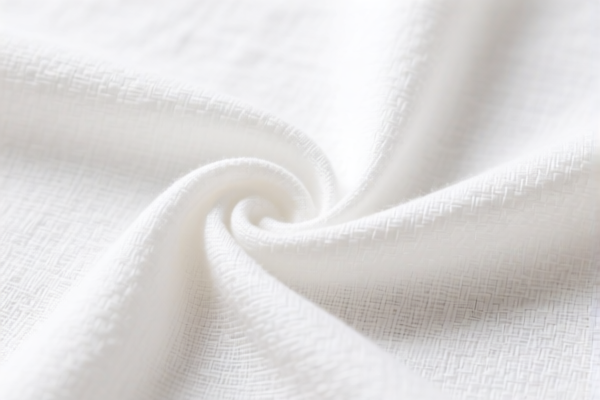
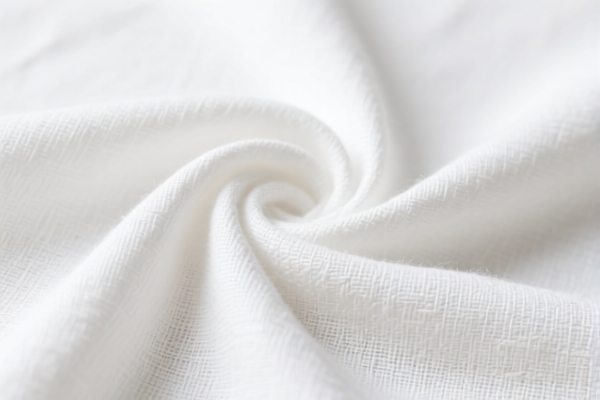
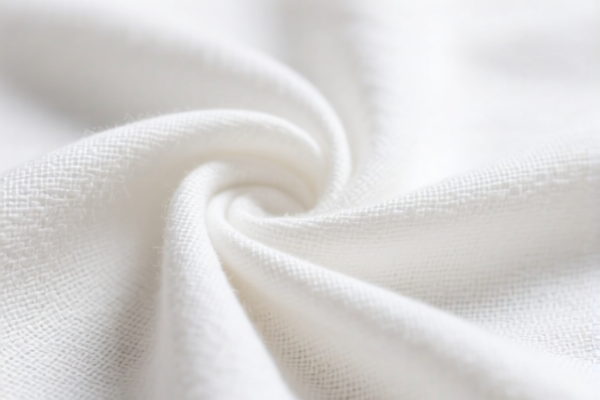
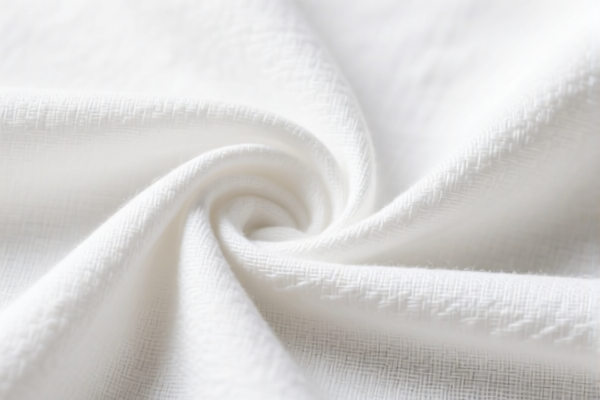
AI Analysis
🧵 Lightweight Cotton Animal Fiber Woven Fabric
🌐 HS Code Reference & Customs Clearance Guide | 2026 Latest Tariff Analysis | Professional Compliance Strategy
📌 I. Product Definition & Classification: Do You Truly Understand "Animal Fiber Blends"?
"Lightweight Cotton Animal Fiber Woven Fabric" is a versatile textile material widely used in high-end apparel, home textiles, and lightweight outerwear. In international trade, the term "Animal Fiber" usually refers to Wool (Sheep), Cashmere, Angora, Alpaca, or Mohair. When blended with Cotton, the classification depends entirely on which fiber weighs more.
Key Distinction Points:
- If Cotton > Animal Fiber (by weight) → Classified under Chapter 52 (Cotton).
- If Animal Fiber > Cotton (by weight) → Classified under Chapter 51 (Wool/Animal Hair) or Chapter 50/53 (depending on the specific animal).
- "Lightweight" generally implies a fabric weight (GSM) < 150g/m², but this does not change the HS code, only the technical specifications for customs inspection.
⚠️ Critical Alert:
- Misdeclaring the dominant fiber can lead to massive tariff differences and potential fraud allegations.
- "Animal Fiber" is vague; you must specify the type (e.g., Wool, Cashmere).
- Blends require a weight percentage declaration on the commercial invoice.
📦 II. HS Code Classification Details (2026 Latest Tariff Authority Mapping)
Below are the most common HS Codes for Cotton + Animal Fiber woven fabrics.
(Note: The exact code depends on the dominant fiber and the specific animal type. We assume the most common scenarios: Cotton dominant or Wool dominant.)
| HS Code | Product Description | Dominant Fiber | Weight Condition | Typical Use Case |
|---|---|---|---|---|
5208.12.00.00 |
Woven cotton fabric, weighing >105g/m², unbleached or bleached | Cotton > 85% | Lightweight/Medium | Summer shirts, linings, light dresses |
5208.32.00.00 |
Woven cotton fabric, colored, >105g/m² | Cotton > 85% | Lightweight/Medium | Colored apparel, casual wear |
5209.12.00.00 |
Woven cotton fabric, >170g/m², unbleached/bleached | Cotton > 85% | Heavier (for comparison) | Denim-like structures (if >170g) |
5111.11.00.00 |
Woven wool/hair fabric, >200g/m², not carded/combed | Wool > 85% | Heavier | Winter coats, suits |
5112.11.00.00 |
Woven wool/hair fabric, <200g/m², not carded/combed | Wool > 85% | Lightweight | Lightweight winter scarves, linings, light jackets |
5112.19.00.00 |
Woven wool/hair fabric, <200g/m², other | Wool > 85% | Lightweight | Blends with synthetic/other naturals |
🔍 Key Reminder:
- If the Animal Fiber is Cotton-like (e.g., Cotton-dominated blend), use Chapter 52.
- If the Animal Fiber is Wool/Sheep Hair (e.g., Wool-dominated blend), use Chapter 51.
- Cashmere/Alpaca falls under 5111/5112 if they are "hair of animals of heading 51.01 to 51.03".
- Angora/Mohair also falls under Chapter 51.
- Silk is Chapter 50 (not animal fiber in the wool sense, but protein-based). If it's Cotton+Silk, see Chapter 50.
- Most Common Scenario: "Cotton Wool Blend" → If Cotton > 85%, use 5208/5209. If Wool > 85%, use 5111/5112.
💰 III. 2026 Latest Tariff Rate Details (US Import from China)
✅ Applicable Country: United States (US)
✅ Origin: China (CN)
✅ Effective Date: 2025 Nov 10 (Section 301 & IEEPA tariffs apply)
🎯 1. Cotton-Dominant Blend (e.g., 90% Cotton, 10% Wool)
HS Code Example: 5208.12.00.00 (Bleached Woven Cotton, >105g/m²)
| Item | Detail |
|---|---|
| Base Tariff Rate | 7.5% (ad valorem) |
| Section 301 Tariff | +25% (USITC Footnote 9903.88.01) |
| IEEPA Additional Tariff | +10% (China-specific, effective Nov 2025) |
| Total Effective Rate | 42.5% |
| Calculation | CIF Value × 42.5% |
| De Minimis Eligibility | ❌ No (Section 301 goods excluded from $800 exemption) |
| Legal Path | IEEPA:9903.01.25 → Section 301:9903.88.01 → USITC:5208.12.00.00 |
📌 Explanation:
- Even though it's mostly cotton, the Section 301 tariff still applies.
- The IEEPA 10% adds a new layer of cost for China-origin goods.
- Total burden: 42.5% is very high for textiles.
🎯 2. Wool/Animal Hair-Dominant Blend (e.g., 90% Wool, 10% Cotton)
HS Code Example: 5112.11.00.00 (Woven Wool/Hair, <200g/m², Not Combed)
| Item | Detail |
|---|---|
| Base Tariff Rate | 9.6% (ad valorem) |
| Section 301 Tariff | +25% (USITC Footnote 9903.88.01) |
| IEEPA Additional Tariff | +10% (China-specific, effective Nov 2025) |
| Total Effective Rate | 44.6% |
| Calculation | CIF Value × 44.6% |
| De Minimis Eligibility | ❌ No |
| Legal Path | IEEPA:9903.01.25 → Section 301:9903.88.01 → USITC:5112.11.00.00 |
📌 Explanation:
- Wool fabrics often have a higher base rate than cotton.
- Section 301 applies to most wool products from China.
- Total 44.6% makes this a high-cost import.
🛠️ IV. Customs Clearance Practical Advice (Real-World Pitfall Avoidance)
✅ 1. Mandatory Documentation Checklist
| Document | Required | Explanation |
|---|---|---|
| ✅ Commercial Invoice | ✔️ | Must state exact fiber composition (e.g., "90% Cotton, 10% Wool") and weight per square meter (GSM). |
| ✅ Bill of Lading | ✔️ | Must match invoice details. |
| ✅ Fiber Composition Test Report | ✔️ | From an accredited lab (e.g., SGS, Intertek) to prove the blend ratio. Crucial for HS Code verification. |
| ✅ Product Photos | ✔️ | Show fabric texture, edge, and label. |
| ✅ Origin Certificate | ✔️ | To prove China origin (if applicable). |
| ✅ FCC/CPSC Certifications | ❌ | Not usually required for raw fabric, but needed if it's finished apparel. |
✅ 2. Declaration Tips (Golden Rules)
🔥 "Be Specific: Name the Animal, Declare the Weight Ratio!"
| Scenario | Correct Declaration | Incorrect Declaration |
|---|---|---|
| Cotton Dominant | "Woven Cotton Fabric, 90% Cotton, 10% Wool, Bleached, 120gsm" | "Animal Fiber Fabric" |
| Wool Dominant | "Woven Wool Fabric, 85% Wool, 15% Cotton, Unbleached, 150gsm" | "Cotton Fabric" |
| Silk Blend | "Woven Silk-Cotton Fabric, 70% Silk, 30% Cotton" | "Animal Fiber Fabric" |
| Cashmere Blend | "Woven Cashmere-Cotton Fabric, 90% Cashmere, 10% Cotton" | "Wool Fabric" |
⚠️ Warning:
- "Animal Fiber" is NOT a valid HS Code description. Customs will reject it or classify it incorrectly.
- You must specify: Wool, Sheep Hair, Cashmere, Mohair, Angora, Alpaca, etc.
- If the blend is 50/50, the tariff might vary; ensure the larger percentage is declared as the principal material.
✅ 3. Special Cases
| Situation | Handling Advice |
|---|---|
| Mixed Bales | If one shipment contains both cotton-dominant and wool-dominant fabrics, declare separately. Do not mix HS codes. |
| Small Quantities | Even small samples are subject to tariffs. No de minimis exemption for Section 301 goods. |
| Origin Tracing | Ensure the yarn and weaving both occur in China to avoid "Substantial Transformation" claims. |
| Chemical Treatment | If the fabric is dyed, printed, or coated, it may move to different subheadings (e.g., from 5208 to 5209). Be precise. |
🌍 V. Global Market Comparison (2026 Latest)
| Country/Region | Recommended HS Code | Base Tariff | Additional Tariffs (China) | Notes |
|---|---|---|---|---|
| 🇺🇸 USA | 5208.xxxx or 5112.xxxx |
7.5% - 9.6% | +35% (Section 301 + IEEPA) | Highest Cost! |
| 🇨🇳 China | 5208.xxxx or 5112.xxxx |
5% - 10% | None | Low import duty for raw materials |
| 🇪🇺 EU | 5208.xxxx or 5112.xxxx |
7.5% - 12% | None (if no CBAM issues) | Standard MFN rates |
| 🇬🇧 UK | 5208.xxxx or 5112.xxxx |
7.5% - 12% | None | Post-Brexit MFN rates |
| 🇦🇺 Australia | 5208.xxxx or 5112.xxxx |
5% - 10% | None | AChT (Australia-China Free Trade Agreement) may apply if rules of origin met |
📌 Conclusion:
- USA is the most challenging market due to Section 301 + IEEPA tariffs (~35% extra).
- EU/UK/AU have lower tariffs but require strict fiber composition declarations.
- Consider sourcing from Vietnam, India, or Bangladesh to avoid China-specific tariffs if exporting to the US.
📌 VI. Common Mistakes & Pitfalls (Lessons Learned)
❌ Mistake 1: Declaring as "Textile Fabric" without specifying fiber content
👉 Consequence: Customs assigns the highest possible tariff (often 25-45%) or delays clearance.
❌ Mistake 2: Ignoring the "Animal Fiber" type
👉 Consequence: Wool, Cashmere, and Mohair have different base rates. Misclassification leads to back taxes + penalties.
❌ Mistake 3: Assuming "Lightweight" reduces tariff
👉 Consequence: Weight (GSM) does not determine HS code. Only fiber content and weight thresholds (e.g., >105g/m² vs <105g/m²) matter.
❌ Mistake 4: Not providing a lab report
👉 Consequence: Customs may re-determine the fiber ratio, leading to disputes and liquidation delays.
✅ Best Practice:
"Woven Fabric, 120gsm, 90% Cotton, 10% Sheep Wool, Bleached, HS 5208.12.00.00"
🎯 VII. Conclusion: Precision Saves Money!
🎯 Remember the Mantra:
🔹 "Fiber is King, Weight is Queen, Name it Right, Avoid the Pain!"
🔹 "Cotton Dominant = Chapter 52, Wool Dominant = Chapter 51, Blend Ratio Must Be Clear!"
📌 Pro Tip:
If your fabric is 100% Wool/Cashmere (no cotton), it falls under Chapter 51. If it's 100% Cotton, it's Chapter 52. The blend is the tricky part.
For US imports, calculate the total landed cost including the 35%+ tariffs before pricing your product. Consider non-China origins if margins are tight.
📣 Immediate Action:
📞 Contact a Certified Lab for fiber testing.
📝 Prepare Detailed Specs (Fiber %, GSM, Width, Weave Type).
🚀 Consult a Customs Broker to confirm the exact HS Code based on the latest 2026 updates.
✨ Professional Classification, Smooth Clearance, Maximized Profit!
💼 Your Fabric's Identity Matters. Declare it Right.
Customer Reviews
About HS Code Classification
The Harmonized System (HS) is an internationally standardized nomenclature developed by the World Customs Organization (WCO) to classify traded products. Over 200 countries use the HS system as the basis for customs tariffs, trade statistics, and import/export regulations.
Each HS code follows a hierarchical structure:
- Chapter (2 digits) — Broad category of goods (e.g., Chapter 84: Machinery and Mechanical Appliances)
- Heading (4 digits) — More specific grouping within the chapter
- Subheading (6 digits) — Internationally standardized breakdown, used by all WCO member countries
- National subdivisions (8-10 digits) — Country-specific extensions for further classification, such as US HTSUS 10-digit codes
Correct HS code classification is essential for smooth customs clearance, accurate duty payment, and compliance with trade regulations. Misclassification can lead to customs delays, overpayment of duties, or penalties.
When importing from CN to US, the applicable tariff rates may include:
- Most-Favored-Nation (MFN) rate — The standard duty rate applied to WTO members
- General rate — Applied to countries without trade agreements
- Trade remedy duties — Additional tariffs such as Section 301 (anti-dumping), Section 232 (national security), or countervailing duties
The information provided on this page is for reference purposes only. For official classification, please consult with your local customs authority or a licensed customs broker.