Lightweight Cotton Woven Fabric with Fine Animal Hair
CN → US| HS Code | Tariff Rate | Origin | Destination | Doc |
|---|---|---|---|---|
| 5112113030 | 60.0% | CN | US | Official Doc |
| 6214200000 | 24.2% | CN | US | Official Doc |
| 6117909085 | 32.1% | CN | US | Official Doc |
| 6117101000 | 27.1% | CN | US | Official Doc |
| 5112116030 | 60.0% | CN | US | Official Doc |
| 6214900090 | 28.8% | CN | US | Official Doc |
Product Images
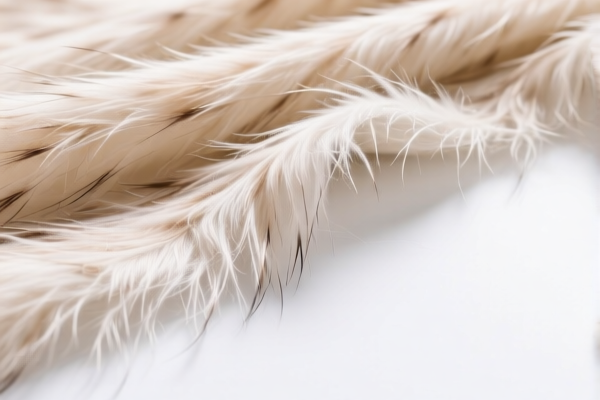
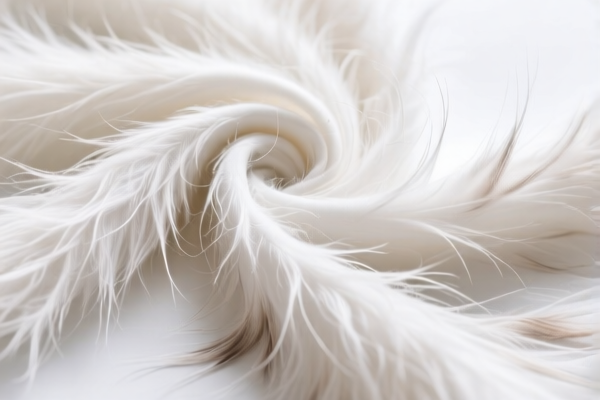
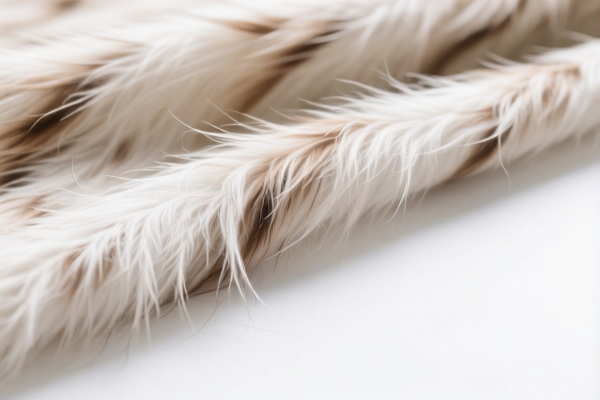
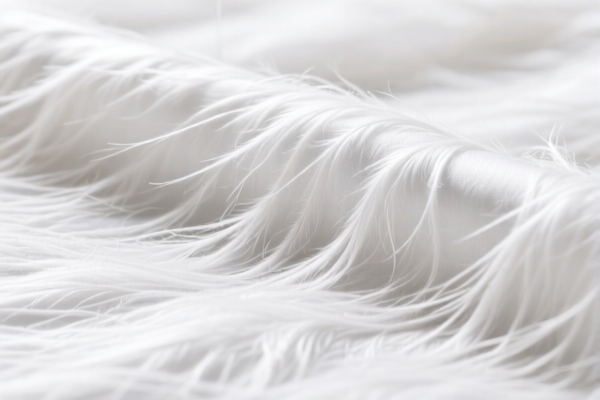
AI Analysis
🧣 Lightweight Cotton Woven Fabric with Fine Animal Hair (Scarves/Apparel)
🌐 HS Code Reference & Customs Clearance Guide | 2026 Latest Tariff Analysis | Professional Compliance Strategy
📌 Part 1: Product Definition & Classification: Do You Truly Understand "Mixed Material Scarves"?
The input describes a "Lightweight Cotton Woven Fabric with Fine Animal Hair" (细动物毛制轻型围巾). In international trade, this product sits at the intersection of two major textile categories: Woven Fabrics (Chapter 51/52) and Apparel/Accessories (Chapter 61/62).
Key Distinction Points: * Woven Fabric (Chapter 51/52): If the product is sold as raw fabric rolls or strictly defined as a textile material without specific tailoring for wear as an accessory immediately, it falls here. However, "scarves" are usually finished goods. * Knitted/Crocheted Accessories (Chapter 61): If the scarf is knitted or crocheted, it goes to Chapter 61. * Woven Accessories (Chapter 62): If the scarf is woven (as stated: "Woven Fabric") and is a finished accessory like a scarf, shawl, or muffler, it typically falls under Chapter 62.
⚠️ Critical Classification Nuance:
- If the item is a finished scarf (woven), it generally belongs to 6214 (Shawls, scarves, mufflers, mantillas, veils and the like).
- If it is knitted, it belongs to 6117 (Made up clothing accessories, knitted or crocheted).
- If it is classified strictly as fabric (not a made-up accessory), it may fall under 5112 (Woven fabric of coarse or fine animal hair).
📦 Part 2: HS Code Classification Details (2026 Latest Tariff Authority Comparison)
Based on the provided <DATA>, here are the specific HS Codes, their summaries, and why they are chosen. Note that all these codes include significant additional tariffs (Section 301 and Section 232/122 equivalent clauses) due to the US-China trade context implied by the tax details.
| HS Code | Summary from DATA | Tax Rate (Total) | Tax Breakdown |
|---|---|---|---|
5112.11.30.30 |
Fine Animal Hair Woven Fabric: Lightweight woven fabric made of fine animal hair. | 60.0% | Base: 25.0% + Added: 25.0% + 122-Clause: 10% |
6214.20.00.00 |
Fine Animal Hair Scarf: Scarf made of fine animal hair, usage matches. | 24.2% | Base: 6.7% + Added: 7.5% + 122-Clause: 10% |
6117.90.90.85 |
Knitted/Crocheted Accessory: Fine animal hair, classified as knitted/crocheted clothing accessory. | 32.1% | Base: 14.6% + Added: 7.5% + 122-Clause: 10% |
6117.10.10.00 |
Knitted Scarf: Fine animal hair scarf, fully meets classification requirements. | 27.1% | Base: 9.6% + Added: 7.5% + 122-Clause: 10% |
5112.11.60.30 |
Fine Animal Hair Fabric: Weight ≤200g/m² lightweight fabric of fine animal hair. | 60.0% | Base: 25.0% + Added: 25.0% + 122-Clause: 10% |
6214.90.00.90 |
Other Textile Scarf: Made of animal hair, non-cotton other textile material. | 28.8% | Base: 11.3% + Added: 7.5% + 122-Clause: 10% |
🔍 Key Insight:
- Woven vs. Knitted: The input says "Woven Fabric," yet codes like6117(Knitted) are listed. This highlights the risk of misclassification. If it is truly woven,6117codes are incorrect. If it is knitted,6214(Woven) codes are incorrect.
- Fabric vs. Accessory:5112codes (60% tax) are extremely high because they are often treated as raw materials or specific industrial textiles with punitive rates.6214and6117(24-32% tax) are more typical for consumer scarves.
- "Fine Animal Hair": This usually refers to cashmere, merino wool, etc., not coarse hair.
💰 Part 3: 2026 Latest Tariff Rate Breakdown (Including Surcharges & Policy Add-ons)
✅ Applicable Country: United States (US)
✅ Origin: China (CN)
✅ Effective Time: Current trade policies (Section 301 & Section 232/122 equivalents)
🎯 1. 5112.11.30.30 & 5112.11.60.30 —— Fine Animal Hair Woven Fabric
| Item | Content |
|---|---|
| Base Duty | 25.0% |
| Added Duty (Section 301/321 equivalent) | 25.0% |
| 122-Clause Duty | 10.0% |
| Total Duty | 60.0% |
| Calculation | CIF Value × 60% |
| De Minimis Exemption | ❌ Not Applicable (High risk of seizure/refusal) |
| Legal Basis | High punitive tariffs on raw/luxury animal hair textiles from China. |
📌 Explanation:
- These codes carry the highest burden (60%). They are likely applied if the goods are deemed as unfinished fabrics or specific industrial materials.
- The "122-Clause" suggests a specific retaliatory or security-related tariff measure.
🎯 2. 6214.20.00.00 —— Woven Scarf (Fine Animal Hair)
| Item | Content |
|---|---|
| Base Duty | 6.7% |
| Added Duty (Section 301) | 7.5% |
| 122-Clause Duty | 10.0% |
| Total Duty | 24.2% |
| Calculation | CIF Value × 24.2% |
| De Minimis Exemption | ❌ Likely Not Applicable (Due to high total rate and origin) |
| Legal Basis | USITC:6214.20.00.00 → Section 301 → 122-Clause |
📌 Explanation:
- This is a more favorable rate (24.2%) for a finished woven scarf.
- It assumes the product is correctly classified as a finished accessory (scarf) rather than raw fabric.
- Crucial: The input says "Woven Fabric," but if it is a scarf, this is the best woven option.
🎯 3. 6117.10.10.00 & 6117.90.90.85 —— Knitted/Crocheted Scarf or Accessory
| Item | Content |
|---|---|
| Base Duty | 9.6% (for 6117.10) or 14.6% (for 6117.90) |
| Added Duty (Section 301) | 7.5% |
| 122-Clause Duty | 10.0% |
| Total Duty | 27.1% or 32.1% |
| Calculation | CIF Value × 27.1%/32.1% |
| De Minimis Exemption | ❌ Not Applicable |
| Legal Basis | USITC:6117.xxxxx → Section 301 → 122-Clause |
📌 Explanation:
- If the scarf is actually knitted (despite the "woven fabric" description in the prompt, which might refer to the blend), these codes apply.
-6117.10.10.00is for scarves specifically (27.1%).
-6117.90.90.85is for other accessories (32.1%).
- Warning: Do not use these if the item is woven. Misclassification leads to penalties.
🎯 4. 6214.90.00.90 —— Other Woven Scarf (Non-Cotton/Animal Hair)
| Item | Content |
|---|---|
| Base Duty | 11.3% |
| Added Duty (Section 301) | 7.5% |
| 122-Clause Duty | 10.0% |
| Total Duty | 28.8% |
| Calculation | CIF Value × 28.8% |
| Legal Basis | USITC:6214.90.00.90 → Section 301 → 122-Clause |
📌 Explanation:
- This is a catch-all for woven scarves not specifically listed under6214.20(Fine Animal Hair).
- If the "Fine Animal Hair" content is below a certain percentage or blended in a way that excludes6214.20, this code applies.
- Rate is 28.8%, higher than6214.20(24.2%) but lower than fabric codes (60%).
🛠️ Part 4: Customs Clearance Practical Advice (Real-World Pitfall Avoidance)
✅ 1. Prepare the Following Documents (No Exceptions)
| Document | Required? | Notes |
|---|---|---|
| Product Specification Sheet | ✅ Yes | Must state: Material composition (e.g., 80% Wool, 20% Cotton), Weight (g/m²), Woven/Knitted status. |
| Product Photos | ✅ Yes | Clear photos of the scarf, label, and fabric texture to prove it is a finished accessory, not raw fabric. |
| Commercial Invoice | ✅ Yes | Clearly state "Woven Scarf, Fine Animal Hair" or "Knitted Scarf, Fine Animal Hair". Do NOT just say "Fabric." |
| Packing List | ✅ Yes | Item weight, dimensions, and package count. |
| Origin Certificate | ✅ Yes | If applicable for any preferential claims (though unlikely with these high tariffs). |
✅ 2. Classification Strategy (Key Mnemonic)
🔥 "Check Material, Check Form, Check Tariff!"
| Scenario | Correct HS Code | Risk if Wrong |
|---|---|---|
| Woven Scarf, Fine Animal Hair | 6214.20.00.00 (24.2%) |
If misclassified as Fabric (5112) → 60% Tax! |
| Knitted Scarf, Fine Animal Hair | 6117.10.10.00 (27.1%) |
If misclassified as Fabric → 60% Tax! |
| Woven Fabric (Raw/Unfinished) | 5112.11.30.30 (60.0%) |
High tax unavoidable. Avoid if possible by selling as accessory. |
| Other Textile Scarf (Non-Fine Hair) | 6214.90.00.90 (28.8%) |
Use if hair content is low or not "fine." |
📌 Critical Tip:
- Do NOT ship as "Fabric" if it is a scarf. The 60% tariff on5112codes is punitive.
- Confirm Woven vs. Knitted: The input says "Woven Fabric," so6214is the primary candidate.6117codes are only for knitted items. If you ship a woven scarf under6117, customs may reject it or reclassify it to the higher tax bracket.
✅ 3. Special Handling
| Situation | Advice |
|---|---|
| Blended Material | If the "Fine Animal Hair" is less than 50%, check if it shifts to 6214.90.00.90. Compare 24.2% vs 28.8%. |
| Weight ≤200g/m² | If very lightweight, customs may scrutinize 5112.11.60.30. Ensure it is a finished scarf, not fabric rolls. |
| Section 122 Tariff | This 10% charge is consistent across all codes in the data. It is a non-negotiable surcharge for Chinese-origin goods in this category. |
| De Minimis (Section 321) | ❌ DO NOT RELY ON De Minimis. With total rates >20% and potential security flags, small shipments may still be audited and taxed. |
🌍 Part 5: Global Market Comparison (2026 Latest)
| Market | Recommended HS Code | Tariff (China Origin) | Notes |
|---|---|---|---|
| 🇺🇸 USA | 6214.20.00.00 |
24.2% | Highest risk. Includes Base + Sec 301 + 122-Clause. |
| 🇨🇳 China | 6214.20.00.00 |
~6-9% | Lower domestic tariffs. No additional punitive clauses. |
| 🇪🇺 EU | 6214.20.00.00 |
~10-12% | No Section 301/122 equivalents. Lower overall cost. |
| 🇬🇧 UK | 6214.20.00.00 |
~12% | Post-Brexit tariff structure. |
📌 Conclusion:
- The USA imposes the heaviest burden due to multiple overlapping tariffs (Base + 301 + 122).
- EU/UK are significantly cheaper for entry.
- Cost Optimization: If possible, consider sourcing from non-China origins (e.g., Vietnam, India) to avoid Section 301 and 122-Clause tariffs, potentially reducing the rate to ~10-12%.
📌 Part 6: Common Mistakes & Pitfall Guide (Lessons Learned)
❌ Mistake 1: Declaring a finished scarf as "Woven Fabric" (5112)
👉 Result: Tax jumps from 24.2% to 60.0% + potential penalties for misdeclaration.
❌ Mistake 2: Using Knitted Code (6117) for a Woven Product
👉 Result: Customs rejects the entry, demands reclassification, and delays shipment.
❌ Mistake 3: Ignoring the 122-Clause (10%)
👉 Result: Underestimating landed cost. This 10% is mandatory for Chinese-origin goods in this category to the US.
❌ Mistake 4: Assuming De Minimis applies
👉 Result: Shipments held at border, taxed in full, and possibly destroyed if not claimed properly.
✅ Correct Approach:
"Declare as 'Woven Scarf, Fine Animal Hair' → Use
6214.20.00.00→ Prepare full documentation → Expect 24.2% total duty."
🎯 Part 7: Conclusion: Precision Saves Money!
🎯 Remember the Mantra:
🔹 "Woven Scarf = 6214 (24.2%), Knitted Scarf = 6117 (27-32%), Raw Fabric = 5112 (60%)"
🔹 "Avoid 60% at all costs by selling finished accessories, not fabric rolls!"
🔹 "Include 10% 122-Clause in your landed cost calculation for US imports!"
📌 Tip:
- If your product is blended (e.g., Cotton + Fine Animal Hair), verify the principal character rule. If "Fine Animal Hair" defines the character, use 6214.20.00.00.
- Consider Advance Rulings from US Customs (CBP) to lock in the correct classification and avoid post-clearance audits.
📣 Immediate Action:
📞 Consult a licensed customs broker.
📄 Provide product images and material specs to confirm "Woven" status.
💰 Budget for 24.2% - 32.1% duty for US imports, depending on exact form (Woven vs Knitted).
🚀 Optimize your supply chain to mitigate US tariff risks!
✨ Professional Clearance Starts with Accurate Classification!
💼 Your Profit Margin Depends on the First Line of Your Invoice!
Customer Reviews
About HS Code Classification
The Harmonized System (HS) is an internationally standardized nomenclature developed by the World Customs Organization (WCO) to classify traded products. Over 200 countries use the HS system as the basis for customs tariffs, trade statistics, and import/export regulations.
Each HS code follows a hierarchical structure:
- Chapter (2 digits) — Broad category of goods (e.g., Chapter 84: Machinery and Mechanical Appliances)
- Heading (4 digits) — More specific grouping within the chapter
- Subheading (6 digits) — Internationally standardized breakdown, used by all WCO member countries
- National subdivisions (8-10 digits) — Country-specific extensions for further classification, such as US HTSUS 10-digit codes
Correct HS code classification is essential for smooth customs clearance, accurate duty payment, and compliance with trade regulations. Misclassification can lead to customs delays, overpayment of duties, or penalties.
When importing from CN to US, the applicable tariff rates may include:
- Most-Favored-Nation (MFN) rate — The standard duty rate applied to WTO members
- General rate — Applied to countries without trade agreements
- Trade remedy duties — Additional tariffs such as Section 301 (anti-dumping), Section 232 (national security), or countervailing duties
The information provided on this page is for reference purposes only. For official classification, please consult with your local customs authority or a licensed customs broker.