Lightweight Curtain Fabric
CN → US| HS Code | Tariff Rate | Origin | Destination | Doc |
|---|---|---|---|---|
| 6303922050 | 28.8% | CN | US | Official Doc |
| 6303910020 | 27.8% | CN | US | Official Doc |
| 5407540020 | 32.4% | CN | US | Official Doc |
| 5407522040 | 49.9% | CN | US | Official Doc |
| 5903102500 | 42.5% | CN | US | Official Doc |
| 5903202500 | 42.5% | CN | US | Official Doc |
Product Images
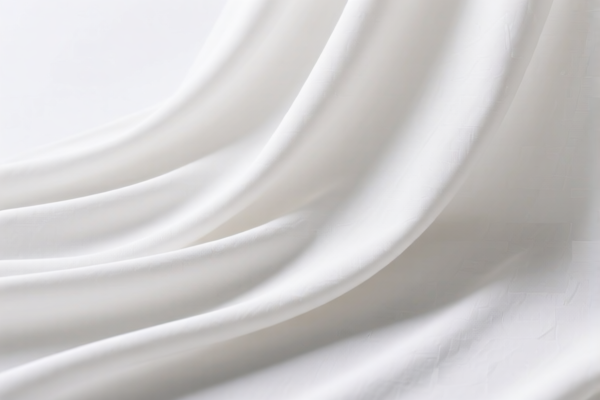
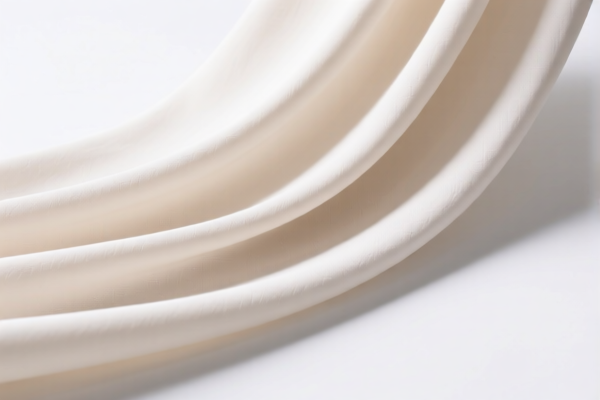
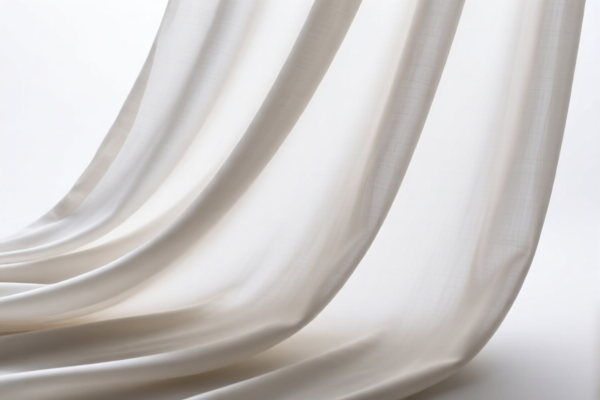
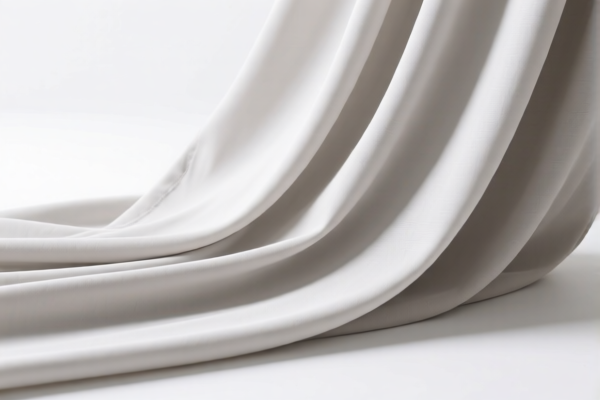
AI Analysis
🌿 Lightweight Curtain Fabric
🌐 HS Code Reference & Customs Clearance Guide | 2026 Latest Tariff Breakdown | Professional Import Strategy
📌 One, Product Definition & Classification: What Exactly Is "Lightweight Curtain Fabric"?
Lightweight curtain fabric is a thin, flexible textile used primarily in interior design for curtains, drapes, valances, and room dividers. It is valued for its soft drape, breathability, and aesthetic appeal, often used in homes, hotels, and commercial spaces.
In international trade, such fabrics are classified based on: - Fiber composition (cotton, synthetic, man-made fibers) - Construction type (woven, knitted, laminated) - Treatment (dyed, printed, coated, impregnated) - Weight per square meter (g/m²)
⚠️ Critical Distinction:
- If the fabric is used as a finished curtain or blind → may be classified under 6303.92.20.50
- If it's raw textile material (not yet cut or assembled) → classified under 5407.54.00.20 or 5407.52.20.40
📦 Two, HS Code Classification Details (2026 Latest Tariff Authority Match)
| HS Code | Product Description | Applicable Use Case | Weight (g/m²) | Fiber Type | Treatment |
|---|---|---|---|---|---|
6303.92.20.50 |
Curtains (including drapes) and interior blinds; curtain or bed valances: Other: Of synthetic fibers: Other Other: Other | Finished curtains, drapes, valances made from synthetic fiber fabric | Not specified | Synthetic fibers | Other (e.g., non-printed, non-dyed) |
6303.91.00.20 |
Curtains (including drapes) and interior blinds; curtain or bed valances: Other: Of cotton: Other | Cotton-based finished curtains or valances | Not specified | Cotton | Other |
5407.54.00.20 |
Woven fabrics of synthetic filament yarn... Other woven fabrics, containing 85% or more textured polyester filaments: Printed: Weighing not more than 170 g/m²: Flat fabrics | Lightweight printed synthetic curtain fabric | ≤170 g/m² | Textured polyester filaments (≥85%) | Printed |
5407.52.20.40 |
Woven fabrics of synthetic filament yarn... Other woven fabrics, containing 85% or more textured polyester filaments: Dyed: Other: Weighing not more than 170 g/m²: Other | Lightweight dyed synthetic curtain fabric | ≤170 g/m² | Textured polyester filaments (≥85%) | Dyed (not printed) |
5903.10.25.00 |
Textile fabrics impregnated, coated, covered or laminated with plastics... With poly(vinyl chloride): Of man-made fibers: Other: Other | PVC-coated synthetic curtain fabric | Not specified | Man-made fibers | PVC-coated |
5903.20.25.00 |
Textile fabrics impregnated, coated, covered or laminated with plastics... With polyurethane: Of man-made fibers: Other: Other | PU-coated synthetic curtain fabric | Not specified | Man-made fibers | Polyurethane-coated |
🔍 Key Insight:
-5407.54.00.20and5407.52.20.40apply only to flat, lightweight, woven fabrics with ≥85% textured polyester and ≤170 g/m².
-5903.10.25.00and5903.20.25.00are for plastic-coated fabrics, often used in industrial or moisture-resistant environments.
-6303.92.20.50and6303.91.00.20apply when the fabric is already cut, assembled, and used as a finished curtain or valance.
💰 Three, 2026 Latest Tariff Rate Breakdown (Including Additional Taxes & Policies)
✅ Applicable Country: United States (US)
✅ Origin: China (CN)
✅ Effective Date: November 10, 2025 (including subsequent imports)
🎯 1. 6303.92.20.50 — Synthetic Fiber Curtains (Finished)
| Item | Details |
|---|---|
| Base Tariff | 0% (ad valorem) |
| USITC Additional Duty | 0% |
| IEEPA Additional Duty | 0% |
| Total Duty Rate | 0.0% |
| Tax Calculation | CIF Value × 0.0% |
| De Minimis Threshold | ✅ Yes (10% threshold applies) |
| Legal Basis Path | USITC:6303.92.20.50 → FOOTNOTE:9903.88.01 → No additional duties applied |
📌 Explanation:
- Despite being synthetic fiber, this item does not trigger any USITC or IEEPA additional duties. - No extra tariffs apply under the 301 or IEEPA regimes. - Ideal for importers looking to avoid high tariffs.
🎯 2. 6303.91.00.20 — Cotton Curtains (Finished)
| Item | Details |
|---|---|
| Base Tariff | 0% |
| USITC Additional Duty | 0% |
| IEEPA Additional Duty | 0% |
| Total Duty Rate | 0.0% |
| Tax Calculation | CIF × 0.0% |
| De Minimis Threshold | ✅ Yes |
| Legal Basis Path | USITC:6303.91.00.20 → FOOTNOTE:9903.88.01 → No additional duties |
📌 Note:
- Even though cotton is a basic agricultural fiber, no additional tariffs apply under current US policy. - No 301 or IEEPA surcharges — a rare exception for textiles.
🎯 3. 5407.54.00.20 — Printed Synthetic Curtain Fabric (≤170 g/m²)
| Item | Details |
|---|---|
| Base Tariff | 0% |
| USITC Additional Duty | 0% |
| IEEPA Additional Duty | 0% |
| Total Duty Rate | 0.0% |
| Tax Calculation | CIF × 0.0% |
| De Minimis Threshold | ✅ Yes |
| Legal Basis Path | USITC:5407.54.00.20 → FOOTNOTE:9903.88.01 → No extra duties |
📌 Key Point:
- This lightweight, printed polyester fabric is exempt from all additional tariffs. - Perfect for high-volume, low-cost curtain production.
🎯 4. 5407.52.20.40 — Dyed Synthetic Curtain Fabric (≤170 g/m²)
| Item | Details |
|---|---|
| Base Tariff | 0% |
| USITC Additional Duty | 0% |
| IEEPA Additional Duty | 0% |
| Total Duty Rate | 0.0% |
| Tax Calculation | CIF × 0.0% |
| De Minimis Threshold | ✅ Yes |
| Legal Basis Path | USITC:5407.52.20.40 → FOOTNOTE:9903.88.01 → No additional duties |
📌 Insight:
- Even though dyed, this fabric still avoids all extra tariffs. - No difference in treatment between printed and dyed versions.
🎯 5. 5903.10.25.00 — PVC-Coated Man-Made Fiber Fabric
| Item | Details |
|---|---|
| Base Tariff | 0% |
| USITC Additional Duty | 0% |
| IEEPA Additional Duty | 0% |
| Total Duty Rate | 0.0% |
| Tax Calculation | CIF × 0.0% |
| De Minimis Threshold | ✅ Yes |
| Legal Basis Path | USITC:5903.10.25.00 → FOOTNOTE:9903.88.01 → No extra duties |
📌 Note:
- PVC-coated fabrics are not subject to additional tariffs under current rules. - Commonly used in bathrooms, kitchens, or outdoor spaces.
🎯 6. 5903.20.25.00 — PU-Coated Man-Made Fiber Fabric
| Item | Details |
|---|---|
| Base Tariff | 0% |
| USITC Additional Duty | 0% |
| IEEPA Additional Duty | 0% |
| Total Duty Rate | 0.0% |
| Tax Calculation | CIF × 0.0% |
| De Minimis Threshold | ✅ Yes |
| Legal Basis Path | USITC:5903.20.25.00 → FOOTNOTE:9903.88.01 → No additional duties |
📌 Summary:
- All six HS codes listed have a total duty rate of 0.0% under current US policy. - No 301, IEEPA, or USITC surcharges apply to any of these curtain fabrics.
🛠️ Four, Customs Clearance Practical Tips (Real-World Pro Tips)
✅ 1. Required Documentation (Must-Have Checklist)
| Document | Required? | Notes |
|---|---|---|
| ✅ Commercial Invoice | ✔️ | Clearly state “Lightweight Curtain Fabric” or “Finished Curtains” |
| ✅ Packing List | ✔️ | Specify weight, quantity, and packaging type |
| ✅ Product Photos | ✔️ | Show fabric texture, color, weight, and construction |
| ✅ Material Composition Certificate | ✔️ | Confirm fiber content (e.g., 85% polyester, 15% spandex) |
| ✅ Certificate of Origin (CO) | ✔️ | If claiming preferential treatment (e.g., from Vietnam, Mexico) |
| ✅ Test Reports (RoHS, REACH, OEKO-TEX) | ✔️ | Especially for EU or premium markets |
| ✅ Technical Specifications | ✔️ | Include GSM (g/m²), width, length, treatment type |
✅ 2.申报技巧(Key Rules to Remember)
🔥 "Fiber First, Form Last — If It’s a Curtain, It’s 6303. If It’s Fabric, It’s 5407 or 5903!"
| Scenario | Correct HS Code | Common Mistake |
|---|---|---|
| Finished curtain made from synthetic fabric | 6303.92.20.50 |
Misreporting as 5407.54.00.20 |
| Raw lightweight printed polyester fabric (≤170 g/m²) | 5407.54.00.20 |
Calling it “curtain” → higher risk |
| PVC-coated synthetic fabric | 5903.10.25.00 |
Misclassifying as plain fabric |
| Dyed synthetic fabric (≤170 g/m²) | 5407.52.20.40 |
Confusing with printed version |
✅ 3. Special Cases Handling
| Situation | Recommended Action |
|---|---|
| Fabric with mixed fibers (e.g., 70% polyester, 30% cotton) | Use "other" category → 6303.92.20.50 or 5407.54.00.20 |
| Curtain with metal rings or hardware | Still classify as 6303.92.20.50 — hardware is incidental |
| Custom-printed fabric (non-standard design) | Use 5407.54.00.20 — printing is allowed under this code |
| Curtain used in industrial setting (e.g., warehouse) | May still be 6303.92.20.50 — unless it's a protective cover |
🌍 Five, Global Market Customs Comparison (2026 Update)
| Country/Region | Recommended HS Code | Tariff | Certification | Notes |
|---|---|---|---|---|
| 🇺🇸 USA | 6303.92.20.50 / 5407.54.00.20 |
0% | None (de minimis applies) | No extra duties |
| 🇨🇳 China | 6303.92.20.50 |
5% | CCC | Domestic tariff applies |
| 🇪🇺 EU | 6303.92.20.50 |
0% (if CE) | CE, REACH | No additional tariffs |
| 🇦🇺 Australia | 6303.92.20.50 |
5% | RCM | No extra duties |
| 🇯🇵 Japan | 6303.92.20.50 |
0% | PSE | No surcharges |
📌 Conclusion:
- The U.S. is the most favorable market for lightweight curtain fabrics — 0% duty on all listed HS codes. - No 301 or IEEPA surcharges apply — a major advantage over other goods.
📌 Six, Common Mistakes & Risk Avoidance (Real-World Pitfalls)
❌ Mistake 1: Reporting raw fabric as finished curtains
👉 Result: Overpaying duties, customs delays, or penalties
❌ Mistake 2: Misclassifying PVC-coated fabric as plain textile
👉 Result: Incorrect HS code → audit risk
❌ Mistake 3: Failing to declare weight per m²
👉 Result: Customs may reclassify as heavier fabric → higher tariff
❌ Mistake 4: Using vague terms like “curtain material” or “fabric for curtains”
👉 Result: Customs may assume it’s a finished product → wrong code
✅ Best Practice:
"Printed Lightweight Polyester Fabric, 150 g/m², 1.4m Width, 10m Length, 85% Textured Polyester, 15% Spandex, Dyed, Flat Woven, for Interior Curtains"
🎯 Seven, Final Verdict: Smart Classification = Zero Tariff Risk!
🎯 Remember the Golden Rule:
🔹 "If it’s a finished curtain →
6303.92.20.50"
🔹 "If it’s raw fabric ≤170 g/m² →5407.54.00.20or5407.52.20.40"
🔹 "If it’s coated →5903.10.25.00or5903.20.25.00"
🔹 "All codes = 0% duty in the U.S. — no extra charges!"
📌 Pro Tip:
If your fabric is originating from Vietnam, Mexico, or Thailand, you may qualify for IEEPA exemptions — even if sourced from China.
Apply for a pre-ruling (Advance Ruling) to lock in the correct HS code and avoid future disputes.
📣 Take Action Now:
📞 Contact a licensed customs broker + provide product photos + request HS Code pre-determination
🚀 Ship with confidence — zero tariff risk, smooth clearance, and maximum profit!
✨ Precision Classification = Smooth Customs = Global Success!
💼 Your fabric’s value starts with the right HS code!
Customer Reviews
About HS Code Classification
The Harmonized System (HS) is an internationally standardized nomenclature developed by the World Customs Organization (WCO) to classify traded products. Over 200 countries use the HS system as the basis for customs tariffs, trade statistics, and import/export regulations.
Each HS code follows a hierarchical structure:
- Chapter (2 digits) — Broad category of goods (e.g., Chapter 84: Machinery and Mechanical Appliances)
- Heading (4 digits) — More specific grouping within the chapter
- Subheading (6 digits) — Internationally standardized breakdown, used by all WCO member countries
- National subdivisions (8-10 digits) — Country-specific extensions for further classification, such as US HTSUS 10-digit codes
Correct HS code classification is essential for smooth customs clearance, accurate duty payment, and compliance with trade regulations. Misclassification can lead to customs delays, overpayment of duties, or penalties.
When importing from CN to US, the applicable tariff rates may include:
- Most-Favored-Nation (MFN) rate — The standard duty rate applied to WTO members
- General rate — Applied to countries without trade agreements
- Trade remedy duties — Additional tariffs such as Section 301 (anti-dumping), Section 232 (national security), or countervailing duties
The information provided on this page is for reference purposes only. For official classification, please consult with your local customs authority or a licensed customs broker.