Lignite Powder for Power Plants
CN → US| HS Code | Tariff Rate | Origin | Destination | Doc |
|---|---|---|---|---|
| 2702100000 | 35.0% | CN | US | Official Doc |
| 2702200000 | 35.0% | CN | US | Official Doc |
| 2704000050 | 10.0% | CN | US | Official Doc |
| 2704000025 | 10.0% | CN | US | Official Doc |
Product Images
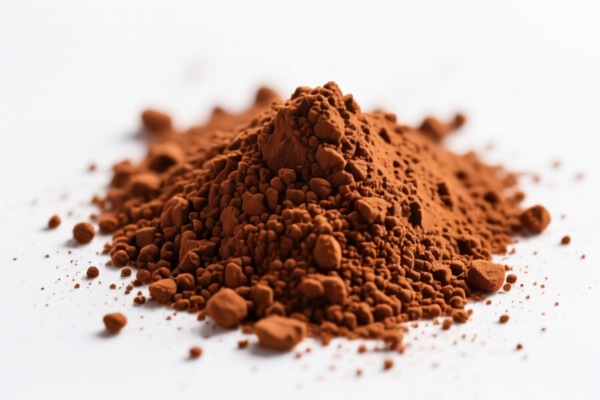
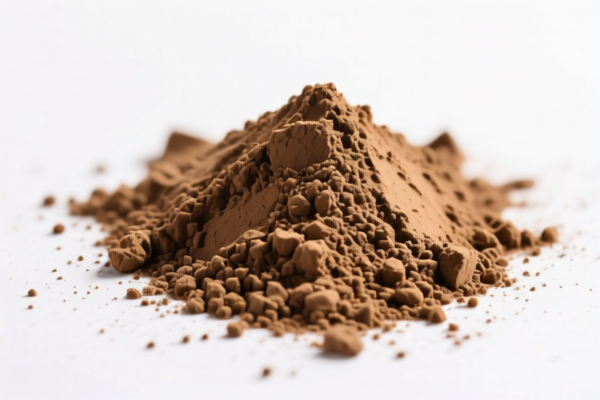
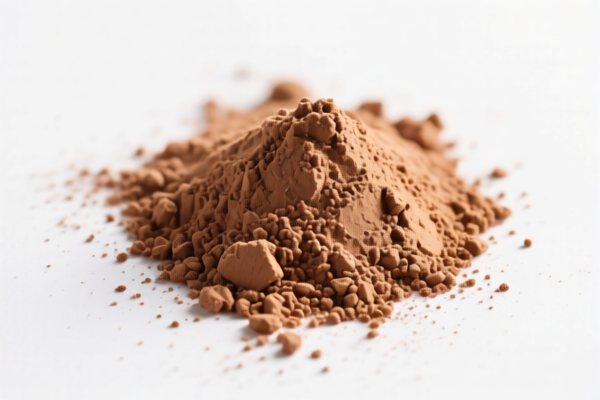
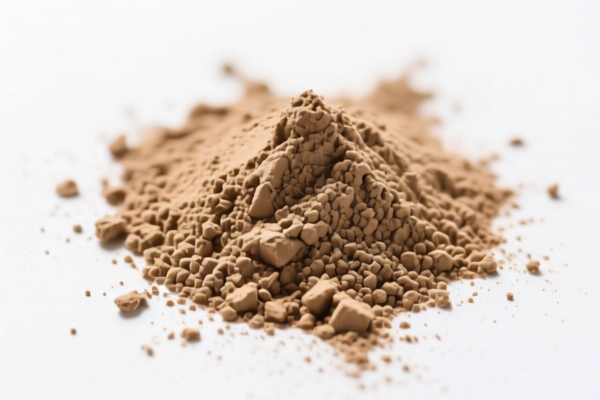
AI Analysis
🔥 Lignite Powder for Power Plants
🌐 HS Code Reference & Customs Clearance Guide | 2026 Latest Tariff Analysis | Strategic Classification for Coal Imports
📌 I. Product Definition & Classification: Do You Really Understand "Lignite Powder"?
Lignite (Brown Coal) Powder is the primary fuel source for thermal power generation, especially in regions relying on domestic or imported low-rank coal. In international trade, it is categorized based on its raw state versus processed state, and crucially, whether it falls under Coal or Carbonized Coal Products.
Raw Lignite Powder: Unprocessed, crushed lignite in powder form → Classified under Chapter 27.02 (Mineral Fuels)
Processed/Briquetted Lignite: If treated, carbonized, or chemically altered → May fall under Chapter 27.04 (Coke & Semi-Coke)
⚠️ Key Distinction Point:
- If the product is pure, raw lignite in powder form →归入 2702.10.00.00 or 2702.20.00.00
- If the product has undergone carbonization, briquetting, or chemical treatment resembling coke →归入 2704.00.00.50 or 2704.00.00.25
- Critical Warning: Misclassification between "Raw Coal" and "Carbonized Products" leads to massive tariff differences (35% vs. 10%)!
📦 2. HS Code Classification Details (2026 Latest Tariff Authority Comparison)
| HS Code | Product Description | Application Scenario | Tax Rate |
|---|---|---|---|
2702.10.00.00 |
Lignite powder, raw material, not agglomerated | Direct-fired power plants, raw fuel input | 35% |
2702.20.00.00 |
Lignite powder, in powder form (basic form) | Standard lignite powder for combustion | 35% |
2704.00.00.50 |
Lignite powder, belongs to basic forms of coal, fits coke/semi-coke category | Processed coal derivatives, briquettes, carbonized powder | 10% |
2704.00.00.25 |
Lignite powder, fits category of coal derivatives/semi-coke | Treated lignite, industrial carbonized powder | 10% |
🔍 Key Reminder:
- Raw lignite powder (unprocessed) is NOT considered "coke" or "semi-coke" in most jurisdictions unless explicitly carbonized.
- However, some customs authorities may interpret "powdered lignite" used in specific industrial processes as a derivative if it has undergone heat treatment.
- If in doubt, provide Lab Reports proving the product is raw lignite to justify 2702 classification (though higher tariff, it is more accurate).
- If the product is briquetted, pelletized, or carbonized, it MUST be classified under 2704 to avoid penalties for misdeclaration.
💰 3. 2026 Latest Tariff Rate Breakdown (Including Additional Taxes & Policy Surcharges)
✅ Applicable Country: United States (US)
✅ Origin: China (CN)
✅ Effective Date: From November 10, 2025 (including subsequent imports)
🎯 1. 2702.10.00.00 & 2702.20.00.00 —— Raw Lignite Powder (Coal Category)
| Item | Details |
|---|---|
| Base Tariff | 0% (ad valorem) |
| Section 301 Additional Duty | +25% (From USITC Footnote 9903.88.01) |
| IEEPA Additional Duty | +10% (Targeting China/HK products, effective Nov 10, 2025) |
| Total Tariff | 35% |
| Tax Calculation | CIF Value × 35% |
| De Minimis Exemption Eligible? | ❌ NO (deny_de_minimis) |
| Legal Basis Path | IEEPA:9903.01.25 → IEEPA:9903.01.24 → USITC:2702.10.00.00 → FOOTNOTE:9903.88.01 |
📌 Explanation:
- "25% Section 301 Tariff": Imposed under US Trade Law Section 301 for Chinese-origin goods.
- "IEEPA 10% Tariff": Additional levy under the International Emergency Economic Powers Act targeting Chinese coal products.
- Total 35% is VERY HIGH for coal imports. This makes Chinese lignite powder uncompetitive in the US market unless offset by low FOB prices.
🎯 2. 2704.00.00.50 & 2704.00.00.25 —— Processed Lignite Powder (Coke/Semi-Coke Category)
| Item | Details |
|---|---|
| Base Tariff | 0% |
| Section 301 Additional Duty | 0% (No additional Section 301 duty for certain processed carbon products) |
| IEEPA Additional Duty | +10% (Still applies under IEEPA) |
| Total Tariff | 10% |
| Tax Calculation | CIF Value × 10% |
| De Minimis Exemption Eligible? | ❌ NO (deny_de_minimis) |
| Legal Basis Path | IEEPA:9901.25 → IEEPA:9903.01.24 → USITC:2704.00.00.50 → FOOTNOTE:9903.88.01 |
📌 Note:
- If the lignite powder is processed (e.g., carbonized, briquetted), it may qualify for the lower 10% tariff.
- However, this requires strict proof that the product is no longer raw coal but a carbonized derivative.
- Risk: If US Customs determines the product is raw lignite, they will reclassify it to 2702, resulting in back taxes (25% difference) + penalties.
🛠️ 4. Customs Clearance Practical Advice (Battle-Tested Pitfall Avoidance Guide)
✅ 1. Required Documentation Checklist (No Omissions Allowed)
| Document | Mandatory? | Description |
|---|---|---|
| ✅ Product Specification Sheet | ✔️ | Must include rank of coal (Lignite/Brown Coal), moisture content, ash content, calorific value |
| ✅ Lab Test Report | ✔️ | Critical: Must prove raw lignite (if claiming 2702) or carbonized/processed (if claiming 2704). Includes proximate analysis and ultimate analysis. |
| ✅ Product Photos | ✔️ | Clear images of powder texture, packaging, labels, and certificates. |
| ✅ Commercial Invoice | ✔️ | Must explicitly state "Lignite Powder for Power Plants" or "Carbonized Lignite Powder" depending on classification. |
| ✅ Packing List | ✔️ | Detail gross/net weight, number of bags, and HS Code. |
| ✅ Certificate of Origin (CO) | ✔️ | Essential for proving Chinese origin (triggering 301/IEEPA tariffs). |
| ✅ Bill of Lading | ✔️ | Standard shipping document. |
✅ 2. Declaration Tips (Critical Mantra)
🔥 “Raw Coal = 2702 (35%), Processed = 2704 (10%). Lie about processing = Back Tax + Fine!”
| Scenario | Correct Declaration | Wrong Action |
|---|---|---|
| Raw Lignite Powder | 2702.10.00.00 or 2702.20.00.00 |
Misdeclare as "Processed Coal" → Risk of 25% penalty + back taxes |
| Carbonized/Briquetted Lignite | 2704.00.00.50 or 2704.00.00.25 |
Declare as "Raw Coal" → Overpay tariffs (unnecessary 25% surcharge) |
| Mixed Shipment (Raw + Processed) | Separate Declaration | Combine in one line → Customs may reject or audit entire shipment |
✅ 3. Special Cases Handling
| Case | Handling Advice |
|---|---|
| OEM Lignite from China | Provide supplier’s technical data sheet and lab report to prove raw vs. processed status. |
| Lignite Powder with Additives | If additives change the nature of the product (e.g., binder added for briquetting), it may still be considered raw coal unless carbonization occurs. |
| Small Shipments (< $800) | NOT Exempt! Coal products are denied de minimis entry. Must go through formal customs entry. |
| Origin Misdeclaration | If declared as "Non-Chinese" but from China, 301/IEEPA tariffs apply retroactively + fraud penalties. |
🌍 5. Global Market Clearance Comparison (2026 Latest)
| Country/Region | Recommended HS Code | Tariff Rate | Certification Requirements | Notes |
|---|---|---|---|---|
| 🇺🇸 USA | 2702.10.00.00 (Raw) |
35% | No special certs | High tariff makes imports uncompetitive |
| 🇺🇸 USA | 2704.00.00.50 (Processed) |
10% | No special certs | Lower tariff, but requires proof of processing |
| 🇨🇳 China | 2702.10.00.00 |
0% | No special certs | Domestic trade, low tax |
| 🇪🇺 EU | 2702.10.00.00 |
0% (MFN) | REACH, CLP | No additional tariffs if not sanctioned |
| 🇮🇳 India | 2702.10.00.00 |
0%~5% | BIS Cert | Competitive market, low barriers |
| 🇯🇵 Japan | 2702.10.00.00 |
0% | JIS Cert | High quality standards required |
📌 Conclusion:
- USA imposes the highest tariffs on Chinese lignite powder due to Section 301 + IEEPA.
- EU, India, and Japan are more open to coal imports, with low or zero tariffs.
- If targeting the US market, consider processing lignite into briquettes/semi-coke to reduce tariff from 35% to 10% — but ensure strict compliance with processing claims.
📌 6. Common Errors & Pitfall Avoidance (Blood & Tears Lessons)
❌ Error 1: Declaring raw lignite as "Processed Coal" to avoid 35% tariff
👉 Consequence: Customs rejects declaration, imposes 25% back tax + 10% IEEPA + Penalties → Total Cost Increase by 35%!
❌ Error 2: Providing no lab report to prove "raw" status
👉 Consequence: Customs classifies as processed by default → Overpay tariffs or face audit delays.
❌ Error 3: Ignoring IEEPA 10% Tariff even if 301 is waived
👉 Consequence: Underpayment → Audit + Back Taxes + Interest.
❌ Error 4: Using vague description like "Coal Powder"
👉 Consequence: Customs cannot determine HS Code → Shipment Held for inspection → Demurrage Fees.
✅ Correct Practice:
"Raw Lignite Powder, Moisture Content: 30%, Ash Content: 15%, Calorific Value: 4500 kcal/kg, For Power Plant Fuel, HS Code: 2702.10.00.00, Origin: China"
🎯 7. Conclusion: Professional Declaration, Save Time, Reduce Costs!
🎯 Remember the Mantra:
🔹 “Raw Coal = 2702 (35%), Processed = 2704 (10%). Lie = Loss.”
🔹 “HS Code determines tax, 25% difference is huge. Declare accurately, save thousands.”
📌 Pro Tip:
If your lignite powder is sourced from Vietnam, Indonesia, or Australia, you can avoid Section 301 Tariffs, reducing total tax to 10% (IEEPA only) or even 0% in some cases.
Consider supply chain diversification to mitigate US trade risks.
📣 Immediate Action:
📞 Contact a licensed customs broker + Provide Lab Reports + Apply for Advance Ruling
🚀 Ensure smooth clearance, minimize tax, maximize profit!
✨ Professional Clearance Starts with Accurate Classification!
💼 Every Cent Saved is a Cent Earned!
Customer Reviews
About HS Code Classification
The Harmonized System (HS) is an internationally standardized nomenclature developed by the World Customs Organization (WCO) to classify traded products. Over 200 countries use the HS system as the basis for customs tariffs, trade statistics, and import/export regulations.
Each HS code follows a hierarchical structure:
- Chapter (2 digits) — Broad category of goods (e.g., Chapter 84: Machinery and Mechanical Appliances)
- Heading (4 digits) — More specific grouping within the chapter
- Subheading (6 digits) — Internationally standardized breakdown, used by all WCO member countries
- National subdivisions (8-10 digits) — Country-specific extensions for further classification, such as US HTSUS 10-digit codes
Correct HS code classification is essential for smooth customs clearance, accurate duty payment, and compliance with trade regulations. Misclassification can lead to customs delays, overpayment of duties, or penalties.
When importing from CN to US, the applicable tariff rates may include:
- Most-Favored-Nation (MFN) rate — The standard duty rate applied to WTO members
- General rate — Applied to countries without trade agreements
- Trade remedy duties — Additional tariffs such as Section 301 (anti-dumping), Section 232 (national security), or countervailing duties
The information provided on this page is for reference purposes only. For official classification, please consult with your local customs authority or a licensed customs broker.