Lime treated Cowhide
CN → US| HS Code | Tariff Rate | Origin | Destination | Doc |
|---|---|---|---|---|
| 4103902000 | 20.8% | CN | US | Official Doc |
| 4101501091 | 17.5% | CN | US | Official Doc |
| 4101201020 | 17.5% | CN | US | Official Doc |
| 4104495000 | 13.3% | CN | US | Official Doc |
| 4103901190 | 17.5% | CN | US | Official Doc |
Product Images
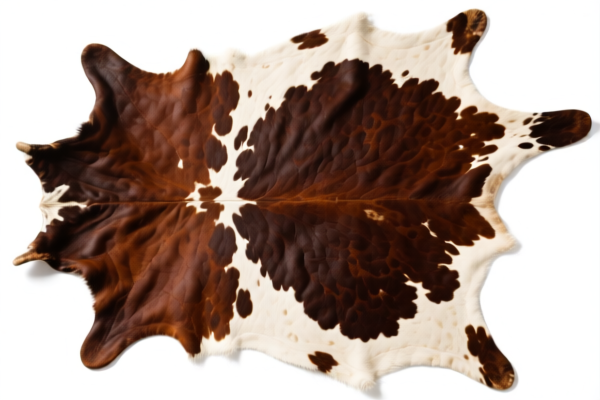
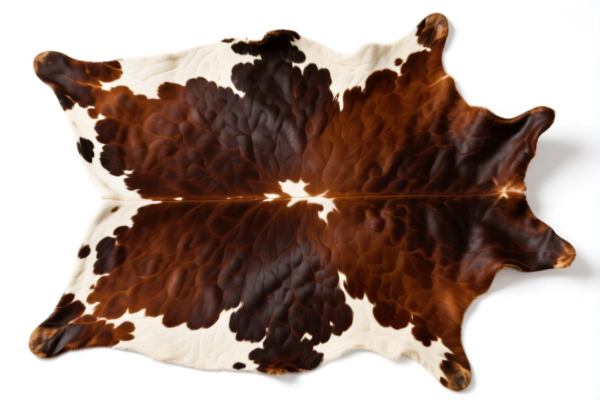
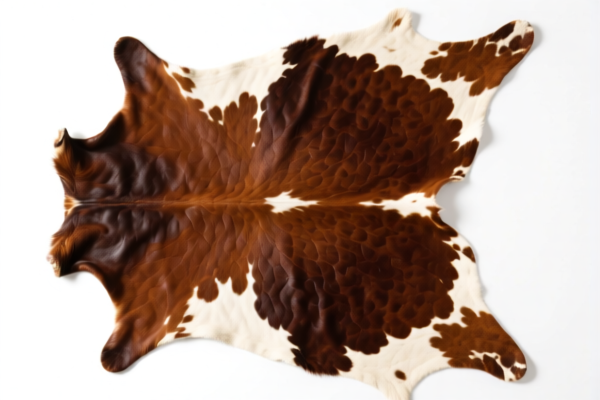
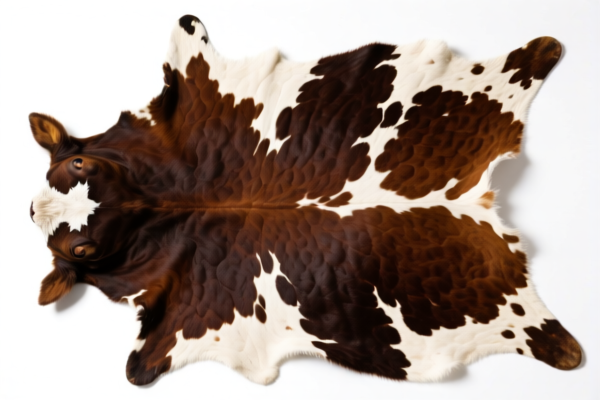
AI Analysis
🐄 Cowhide (Lime Treated)
🌐 HS Code Reference & Clearance Guide | 2026 Latest Tariff Analysis | Professional Customs Strategy
📌 I. Product Definition: What Exactly is "Lime Treated Cowhide"?
"Lime Treated Cowhide" refers to raw animal skins (specifically from bovine/bovines) that have undergone an initial preservation process using lime (calcium hydroxide). This is a semi-processed state in the leather-making chain.
- Not Raw Skins (4101 series): Typically, raw hides fall under Heading 4101. However, lime treatment is often considered a step beyond simple drying/salting, pushing some interpretations toward "other raw hides" or specific "tanned/semi-tanned" categories depending on the precise chemical state and exclusion rules.
- Not Fully Tanned Leather: It has not undergone the final tanning process (vegetable, chrome, etc.). Therefore, it does not fall under Chapter 41 headings for finished leather (like 4104, 4105, 4106) if the definition strictly requires "tanning." However, some classifications may view lime-treated hides as "semi-tanned" or "preserved raw hides" depending on specific national interpretations.
⚠️ Critical Distinction:
- If classified as "Other Raw Hides" (not cattle or buffalo, or specific exclusionary rules apply) → 4103.90.
- If classified under Cattle/Bovine Hides but with specific lime treatment nuances → 4101.50 or 4101.20.
- If classified as "Leather" (even if semi-processed) due to lime treatment being seen as a tanning precursor → 4104.
Note: The DATA provided suggests multiple potential HS Codes with conflicting tax rates, indicating ambiguity in classification. We will analyze each based on the provided data.
📦 II. HS Code Classification Details (Based on Provided Data)
The following HS Codes are derived from the provided <DATA> set. Each represents a different interpretive path for "Lime Treated Cowhide."
| HS Code | Product Description (from Data) | Total Tax Rate | Key Tax Components |
|---|---|---|---|
4103.90.20.00 |
Lime treated cowhide, falls under "other raw hides" (not bovine primary), lime treated but not tanned. | 20.8% | Base: 3.3%, Addl: 7.5%, Sec 301: 10% |
4101.50.10.91 |
Lime treated cowhide, bovine material, lime treated as primary processing, unpre-tanned. | 17.5% | Base: 0.0%, Addl: 7.5%, Sec 301: 10% |
4101.20.10.20 |
Lime treated cowhide, bovine material, raw hide form, lime treated but not tanned. | 17.5% | Base: 0.0%, Addl: 7.5%, Sec 301: 10% |
4104.49.50.00 |
Lime treated cowhide, bovine leather, hairless after lime, considered semi-tanned or primary processed. | 13.3% | Base: 3.3%, Addl: 0.0%, Sec 301: 10% |
4103.90.11.90 |
Lime treated cowhide, "other raw hides," lime treated for preservation, no exclusion conflicts. | 17.5% | Base: 0.0%, Addl: 7.5%, Sec 301: 10% |
🔍 Analysis of Discrepancies:
- The data shows two main tax brackets: 20.8%, 17.5%, and 13.3%.
- The 13.3% rate (4104.49.50.00) is the most favorable, classifying the item as "leather" (possibly semi-tanned) with no additional trade war tariffs (7.5% addl).
- The 17.5% and 20.8% rates apply "raw hides" (4103or4101) and incur both the 7.5% additional tariff and 10% Section 301 tariff.
💰 III. 2026 Latest Tariff Rate Breakdown (Including Surcharges)
✅ Applicable Country: USA (US)
✅ Origin: China (CN)
✅ Effective Time: 2025/2026 Current Trade Policies
🎯 1. 4104.49.50.00 – The Most Favorable Classification (Semi-Tanned Leather)
| Item | Content |
|---|---|
| HS Code | 4104.49.50.00 |
| Base Rate | 3.3% |
| USITC Additional Tariff | 0.0% (No 7.5% surcharge applied in this code) |
| Section 301 Tariff | 10% |
| Total Tax Rate | 13.3% |
| Calculation | CIF Value × 13.3% |
| De Minimis Eligibility | ❌ No (Leather goods generally excluded from de minimis) |
| Legal Basis | USITC:4104.49.50.00 → FOOTNOTE:4104 (if any) |
📌 Explanation:
- This classification assumes lime-treated hide is considered "leather" (Chapter 41, Heading 4104) rather than raw hide.
- Crucially, it avoids the 7.5% additional tariff that applies to many raw hides under Section 301 or other trade policies.
- Why this matters: Saving 7.5% on high-volume raw hide imports is significant.
🎯 2. 4101.50.10.91 & 4101.20.10.20 – Bovine Raw Hides (Primary Processing)
| Item | Content |
|---|---|
| HS Code | 4101.50.10.91 / 4101.20.10.20 |
| Base Rate | 0.0% |
| USITC Additional Tariff | 7.5% |
| Section 301 Tariff | 10% |
| Total Tax Rate | 17.5% |
| Calculation | CIF Value × 17.5% |
| De Minimis Eligibility | ❌ No |
| Legal Basis | USITC:4101.50 / 4101.20 → 301 Tariff List |
📌 Note:
- These codes classify the product as raw hides (Chapter 41, Heading 4101).
- They incur the full 7.5% additional tariff + 10% Section 301 tariff.
- This is a common classification for hides that are merely salted or limed but not considered "tanned."
🎯 3. 4103.90.20.00 & 4103.90.11.90 – Other Raw Hides
| Item | Content |
|---|---|
| HS Code | 4103.90.20.00 / 4103.90.11.90 |
| Base Rate | 3.3% (4103.90.20.00) / 0.0% (4103.90.11.90) |
| USITC Additional Tariff | 7.5% |
| Section 301 Tariff | 10% |
| Total Tax Rate | 20.8% (4103.90.20.00) / 17.5% (4103.90.11.90) |
| Calculation | CIF Value × Total Rate |
| De Minimis Eligibility | ❌ No |
📌 Explanation:
-4103covers "other" raw hides.
-4103.90.20.00has a higher base rate (3.3%) but the same surcharges, leading to the highest total tax (20.8%).
-4103.90.11.90has 0% base, so it matches the 17.5% rate of the4101codes.
🛠️ IV. Clearance Practical Advice (Pitfall Avoidance Guide)
✅ 1. Required Documentation (Non-Negotiable)
| Document | Must Provide | Description |
|---|---|---|
| ✅ Product Specification Sheet | ✔️ | Must detail: Animal species (Cattle), Treatment method (Lime), State (Raw/Semi-tanned), Moisture content. |
| ✅ Processing Description | ✔️ | Explain why it's classified as "leather" vs "raw hide." If claiming 4104, provide evidence that lime treatment constitutes a "preservation" step equivalent to semi-tanning. |
| ✅ Commercial Invoice | ✔️ | Clearly state "Lime Treated Cowhide" and the intended HS Code. |
| ✅ Packing List | ✔️ | Weight, dimensions, number of hides. |
| ✅ Certificate of Origin | ✔️ | If claiming preferential rates (not applicable here for US/China, but required for compliance). |
| ✅ Photos | ✔️ | Show the texture, hair removal (if any), and packaging. |
✅ 2. Classification Strategy (Key Tips)
🔥 "Aim for 4104, Avoid 4103/4101 to Save 7.5%!"
| Scenario | Recommended HS Code | Tax Rate | Reason |
|---|---|---|---|
| Lime-treated, hairless, preserved | 4104.49.50.00 |
13.3% | Best rate. Argue that lime treatment is a form of preservation that qualifies under "leather" definitions in some contexts. |
| Lime-treated, still considered raw | 4101.50.10.91 |
17.5% | Safe classification for bovine hides. Standard for many raw hide imports. |
| Unclear species or "other" hides | 4103.90.11.90 |
17.5% | Use if species is not strictly bovine or if 4101 exclusion applies. |
| Avoid this | 4103.90.20.00 |
20.8% | Highest tax. Only use if no other classification fits and base rate is 3.3%. |
⚠️ Critical Warning:
- Do not arbitrarily choose the lowest tax rate without justification. If Customs determines the product is a "raw hide," they will reclassify4104to4101or4103, resulting in back taxes + penalties.
- Justification for4104: You must argue that lime treatment is a tanning precursor that preserves the hide in a manner similar to vegetable or chrome tanning, thus qualifying as "leather" (Heading 4104). This is a nuanced legal argument.
✅ 3. Special Circumstances
| Scenario | Handling Advice |
|---|---|
| Mixed Species | If the shipment contains both bovine and non-bovine hides, separate them. Bovine goes to 4101, non-bovine to 4103. |
| Wet Blue vs. Lime | "Wet Blue" is chrome-tanned and definitely 4104. "Lime" is ambiguous. Provide chemical test results if disputing classification. |
| Sample Shipments | Even for samples, declare accurately. Misclassification can lead to entry refusal. |
🌍 V. Global Market Comparison (2026)
| Country/Region | Recommended HS Code | Estimated Tax | Notes |
|---|---|---|---|
| 🇺🇸 USA | 4104.49.50.00 (Best) |
13.3% | Aggressive classification possible but risky. |
| 🇨🇳 China | 4104.49.50.00 |
~10-15% | Check local Chinese tariffs for imports into China. |
| 🇪🇺 EU | 4104 or 4103 |
0-4% | EU has lower base tariffs but strict definitions. |
| 🇬🇧 UK | 4104 |
0-4% | Post-Brexit tariffs may vary. |
📌 Conclusion:
- USA is the highest-tax jurisdiction for this product due to Section 301 and additional tariffs.
- Strategy: Fight for4104.49.50.00to save 7.5% in tariffs. If unsuccessful, accept4101.50.10.91at 17.5%.
📌 VI. Common Errors & Pitfalls (Lessons Learned)
❌ Error 1: Classifying all lime-treated hides as 4104 without proof.
👉 Consequence: Customs reclassifies to 4101 → Back taxes of 4.2% + interest + penalties.
❌ Error 2: Ignoring the 7.5% additional tariff in raw hide classifications.
👉 Consequence: Underpaying duties → Entry rejection or audit.
❌ Error 3: Using generic descriptions like "Leather" on the invoice.
👉 Consequence: Customs requests additional documentation → Delays.
✅ Correct Practice:
Use precise description: "Lime-Treated Bovine Hides, Semi-Dry, Hair-Removed, for Further Tanning."
Provide technical data sheet confirming the preservation method.
🎯 VII. Conclusion: Professional Declaration Saves Money!
🎯 Key Takeaway:
🔹 "Lime-Treated = Ambiguous!"
🔹 Best Case:4104.49.50.00→ 13.3% Total Tax
🔹 Standard Case:4101.50.10.91→ 17.5% Total Tax
🔹 Avoid:4103.90.20.00→ 20.8% Total Tax
📌 Tip:
If your volume is high, request a Binding Ruling from U.S. Customs and Border Protection (CBP) to lock in the
4104classification. This provides legal certainty for future imports.
📣 Immediate Action:
📞 Consult a customs broker to review your technical specifications.
📄 Prepare a technical justification for4104classification (lime as preservation vs. raw).
🚀 Optimize your duty rate from 20.8% down to 13.3%!
✨ Professional Clearance Starts with Accurate Classification!
💼 Every Percentage Point Saves Your Bottom Line!
Customer Reviews
About HS Code Classification
The Harmonized System (HS) is an internationally standardized nomenclature developed by the World Customs Organization (WCO) to classify traded products. Over 200 countries use the HS system as the basis for customs tariffs, trade statistics, and import/export regulations.
Each HS code follows a hierarchical structure:
- Chapter (2 digits) — Broad category of goods (e.g., Chapter 84: Machinery and Mechanical Appliances)
- Heading (4 digits) — More specific grouping within the chapter
- Subheading (6 digits) — Internationally standardized breakdown, used by all WCO member countries
- National subdivisions (8-10 digits) — Country-specific extensions for further classification, such as US HTSUS 10-digit codes
Correct HS code classification is essential for smooth customs clearance, accurate duty payment, and compliance with trade regulations. Misclassification can lead to customs delays, overpayment of duties, or penalties.
When importing from CN to US, the applicable tariff rates may include:
- Most-Favored-Nation (MFN) rate — The standard duty rate applied to WTO members
- General rate — Applied to countries without trade agreements
- Trade remedy duties — Additional tariffs such as Section 301 (anti-dumping), Section 232 (national security), or countervailing duties
The information provided on this page is for reference purposes only. For official classification, please consult with your local customs authority or a licensed customs broker.