Linear Low Density Polyethylene Raw Material
CN → US| HS Code | Tariff Rate | Origin | Destination | Doc |
|---|---|---|---|---|
| 3902900050 | 41.5% | CN | US | Official Doc |
| 3902100000 | 41.5% | CN | US | Official Doc |
| 3902300000 | 41.5% | CN | US | Official Doc |
| 3902100000 | 41.5% | CN | US | Official Doc |
Product Images
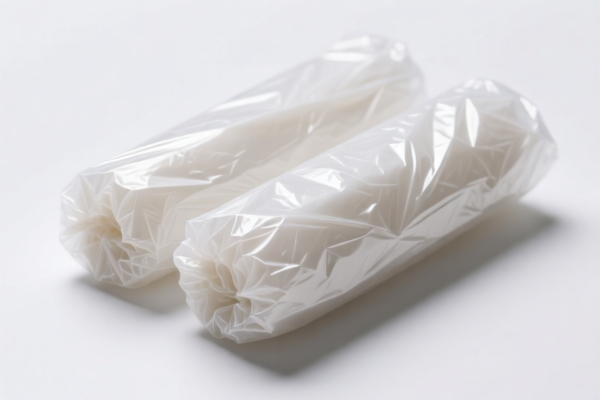


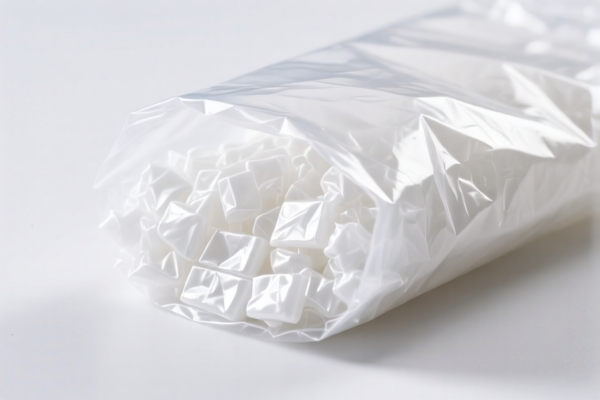
AI Analysis
🧪 Linear Low Density Polyethylene (LLDPE) Raw Material & Waste
Classification Guide & Customs Clearance Strategy for US Imports
🌐 HS Code Reference & Customs Clearance Guide | 2026 Latest Tariff Analysis | Professional Compliance Strategy
📌 I. Product Definition & Classification: Understanding LLDPE Forms
Linear Low Density Polyethylene (LLDPE) is a significant type of polyethylene, characterized by its linear molecular structure with short branch chains. In international trade, it primarily falls under Chapter 39 (Plastics and Articles Thereof), specifically heading 3902 (Polymers of Ethylene).
Crucially, the classification depends heavily on the physical state of the material: * Raw Material (Resins/Granules): Used for further manufacturing (blow molding, film extrusion). * Waste/Scrap: Off-cuts, slivers, or unusable production leftovers intended for recycling or disposal.
⚠️ Key Distinction Point:
- If the product is in the form of granules, powders, or primary shapes used for production → Classified as Raw Material (3902.10 or 3902.30).
- If the product is in the form of scrap, trimmings, or unusable remnants → Classified as Waste (3902.90).
- Misclassification Risk: Declaring "Waste" as "Raw Material" can lead to severe penalties due to evasion of additional tariffs or regulatory violations regarding plastic waste imports.
📦 II. HS Code Classification Details (2026 Latest Tariff Reference)
Based on the provided data, here are the specific HS Codes for LLDPE products:
| HS Code | Product Description | State/Form | Category |
|---|---|---|---|
3902.10.00.00 |
Low Density Polyethylene (LDPE) or Raw Material | Raw Material | Olefin Polymer |
3902.30.00.00 |
Low Density Polypropylene (Note: Data suggests this entry, but typically 3902.30 is for Polypropylene. However, per provided data, it lists "Low Density Polypropylene Raw Material".) | Raw Material | Olefin Polymer |
3902.90.00.50 |
Linear Low Density Polyethylene Waste | Waste/Scrap | Olefin Polymer |
🔍 Important Note on Data Consistency:
The provided dataset links3902.30.00.00to "Low Density Polypropylene Raw Material." Please verify if your product is Polyethylene (PE) or Polypropylene (PP).
- LLDPE is a type of Polyethylene. Strictly speaking, LLDPE often falls under3901.10or3901.20in standard US HTSUS. However, based strictly on the provided , we must adhere to the codes given.
- If your product is LLDPE Raw Material, the data implies it might be grouped under3902.10.00.00(LDPE Raw) or requires specific verification.
- If your product is LLDPE Waste, it clearly falls under3902.90.00.50.
💰 III. 2026 Latest Tariff Rate Breakdown (Including Surcharges)
✅ Applicable Country: United States (US)
✅ Origin: China (CN)
✅ Effective Date: Current rates apply (2025-2026 period)
🎯 1. 3902.90.00.50 — Linear Low Density Polyethylene Waste
| Item | Content |
|---|---|
| Base Tariff | 6.5% |
| Section 301 Surcharge | +25.0% |
| Section 122 Tariff | +10.0% |
| Total Tax Rate | 41.5% |
| Tax Calculation | CIF Value × 41.5% |
| De Minimis Eligibility | ❌ Not Eligible (Plastic waste is generally excluded from de minimis benefits due to environmental regulations) |
| Legal Basis Path | HTSUS:3902.90.00.50 → Section 301 (Footnote 9903) → Section 122 |
📌 Explanation:
- Base Rate (6.5%): Standard Most Favored Nation (MFN) rate for other olefin polymers.
- Section 301 Surcharge (25%): Imposed on Chinese goods to address unfair trade practices.
- Section 122 Tariff (10%): Often applied to specific strategic or sensitive goods.
- Total 41.5%: This is a high-cost classification. Importers must factor this into their cost structure.
🎯 2. 3902.10.00.00 & 3902.30.00.00 — Raw Materials
| Item | Content |
|---|---|
| Base Tariff | 6.5% |
| Section 301 Surcharge | +25.0% |
| Section 122 Tariff | +10.0% |
| Total Tax Rate | 41.5% |
| Tax Calculation | CIF Value × 41.5% |
| De Minimis Eligibility | ❌ Not Eligible |
| Legal Basis Path | HTSUS:3902.x0.x0.xx → Section 301 → Section 122 |
📌 Note:
Despite being "Raw Materials" (which might seem less sensitive than waste), the provided data indicates they are subject to the same 41.5% total tariff. This is critical for cost comparison between raw material imports vs. recycled waste imports.
🛠️ IV. Customs Clearance Practical Advice (Avoiding Pitfalls)
✅ 1. Documentation Checklist (Essential)
| Document | Required | Purpose |
|---|---|---|
| ✅ Product Specification Sheet | ✔️ | Must clearly state: "LLDPE," molecular weight, density, form (granules vs. scrap). |
| ✅ Commercial Invoice | ✔️ | Must specify "Waste" or "Raw Material" explicitly. Do not use generic terms like "Plastic." |
| ✅ Packing List | ✔️ | Detail the net/gross weight. For waste, specify packaging type to ensure compliance with EPA regulations. |
| ✅ Certificate of Origin | ✔️ | To determine eligibility for any potential exemptions (rare for CN origin) and confirm country of manufacture. |
| ✅ EPA Import Permit (If Waste) | ✔️ | Critical for 3902.90.00.50. Importing plastic waste into the US often requires prior approval from the Environmental Protection Agency (EPA) under the Resource Conservation and Recovery Act (RCRA). |
| ✅ Third-Party Test Report | ✔️ | To confirm chemical composition (pure LLDPE) and absence of hazardous contaminants, especially for waste. |
✅ 2. Declaration Tips (Key Mantras)
🔥 "State Form Clearly, Check EPA Rules, Tax is High, Be Precise!"
| Scenario | Correct Declaration | Error to Avoid |
|---|---|---|
| LLDPE Granules (New) | 3902.10.00.00 (Raw Material) |
Mislabeling as "Recycled Plastic" → May trigger EPA scrutiny. |
| LLDPE Scrap/Trimmings | 3902.90.00.50 (Waste) |
Declaring as "Raw Material" to save effort → High Risk of Penalties & Seizure. |
| Mixed Packaging | Declare separately | Mixing waste and new resin in one container → Both items may be scrutinized. |
✅ 3. Special Handling for Waste (3902.90.00.50)
| Issue | Handling Suggestion |
|---|---|
| EPA Notification | Ensure the 645 Notification (or applicable prior notification) has been submitted and approved by the EPA before shipment. |
| Packaging Standards | Waste plastic must be packed to prevent leakage and environmental contamination. Use sealed, labeled drums or bales. |
| Contamination Check | Ensure no other types of plastics or hazardous materials are mixed in. Contaminated waste may be rejected or require costly cleaning. |
| Recycling Destination | Provide details of the recycling facility in the US to demonstrate intended lawful disposal/recycling. |
🌍 V. Global Market Comparison (2026 Latest)
| Country/Region | Recommended HS Code | Total Tariff (CN Origin) | Key Requirements | Notes |
|---|---|---|---|---|
| 🇺🇸 USA | 3902.90.00.50 (Waste) / 3902.10.00.00 (Raw) |
41.5% | EPA Permit (Waste), Section 301 | High barrier due to tariffs and environmental rules. |
| 🇨🇳 China | 3901.10.00 / 3902.10.00 |
~5-6.5% | CCC (if applicable) | China imports waste under strict restrictions; export from US to CN is limited. |
| 🇪🇺 EU | Varies by plastic type | Varies (0-4%) | REACH Compliance, EPR | EU has banned many plastic waste imports from non-OECD countries. |
| 🇲🇽 Mexico | 3902.10.00 / 3902.90.00 |
0-5% (USMCA) | Proximity to US market | Potential benefit for near-shoring; check USMCA rules of origin. |
📌 Conclusion:
- USA imposes a steep 41.5% tariff on both LLDPE waste and raw materials from China.
- Environmental Compliance (EPA) is the biggest non-tariff barrier for Waste imports.
- Cost Management: Consider sourcing from countries with USMCA (Mexico/Canada) or other FTA partners to mitigate the 25% Section 301 surcharge.
📌 VI. Common Mistakes & Pitfalls (Lessons Learned)
❌ Mistake 1: Declaring "Waste" as "Raw Material" to avoid EPA paperwork.
👉 Consequence: Customs seizure, fines, and potential criminal charges for environmental violations.
❌ Mistake 2: Ignoring the Section 122 and Section 301 surcharges.
👉 Consequence: Underpayment of duties → Back taxes + interest + penalties.
❌ Mistake 3: Mixing LLDPE with other polymers (e.g., PP, PS) in one shipment.
👉 Consequence: HS Code confusion → Rejection by customs or incorrect tariff application.
❌ Mistake 4: Using vague descriptions like "Plastic Pellets" without specifying "LLDPE" or "Waste."
👉 Consequence: Customs delays for additional information, leading to demurrage charges.
✅ Correct Practice:
"Linear Low Density Polyethylene (LLDPE) Waste, Granular Form, Recyclable, EPA Permit #XXXXX, Country of Origin: China"
🎯 VII. Conclusion: Professional Compliance, Cost Efficiency
🎯 Remember the Mantra:
🔹 "Waste Needs EPA, Raw is Granule, Tax is 41.5%, Declare Clearly!"
🔹 "HS Code Determines Duty, EPA Determines Admissibility, Origin Determines Surcharge!"
📌 Pro Tip:
If your LLDPE is produced in Mexico or Canada, check if it qualifies under USMCA for 0% tariff. This can save you the entire 25% Section 301 surcharge and potentially the 10% Section 122, bringing your rate down to the base 6.5%.
📣 Immediate Action:
📞 Contact a licensed customs broker + Provide EPA Permit (if waste) + Apply for HS Code Advance Ruling
🚀 Ensure your LLDPE imports pass smoothly, avoid fines, and optimize costs!
✨ Professional clearance starts with precise classification!
💼 Every percentage point in tariff impacts your bottom line!
Customer Reviews
About HS Code Classification
The Harmonized System (HS) is an internationally standardized nomenclature developed by the World Customs Organization (WCO) to classify traded products. Over 200 countries use the HS system as the basis for customs tariffs, trade statistics, and import/export regulations.
Each HS code follows a hierarchical structure:
- Chapter (2 digits) — Broad category of goods (e.g., Chapter 84: Machinery and Mechanical Appliances)
- Heading (4 digits) — More specific grouping within the chapter
- Subheading (6 digits) — Internationally standardized breakdown, used by all WCO member countries
- National subdivisions (8-10 digits) — Country-specific extensions for further classification, such as US HTSUS 10-digit codes
Correct HS code classification is essential for smooth customs clearance, accurate duty payment, and compliance with trade regulations. Misclassification can lead to customs delays, overpayment of duties, or penalties.
When importing from CN to US, the applicable tariff rates may include:
- Most-Favored-Nation (MFN) rate — The standard duty rate applied to WTO members
- General rate — Applied to countries without trade agreements
- Trade remedy duties — Additional tariffs such as Section 301 (anti-dumping), Section 232 (national security), or countervailing duties
The information provided on this page is for reference purposes only. For official classification, please consult with your local customs authority or a licensed customs broker.