Linen Textile Composite Film
CN → US| HS Code | Tariff Rate | Origin | Destination | Doc |
|---|---|---|---|---|
| 3921901910 | 40.3% | CN | US | Official Doc |
| 3921902900 | 39.4% | CN | US | Official Doc |
| 5903903090 | 37.7% | CN | US | Official Doc |
| 5903902500 | 42.5% | CN | US | Official Doc |
| 5309190010 | 35.0% | CN | US | Official Doc |
| 5309190090 | 35.0% | CN | US | Official Doc |
Product Images

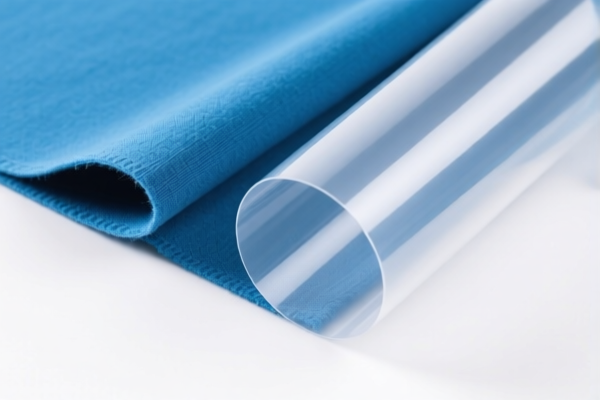
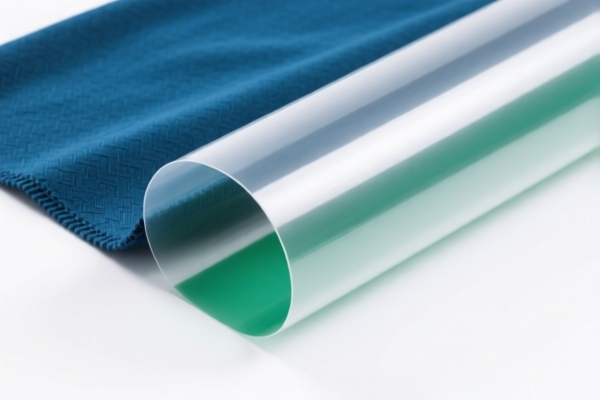
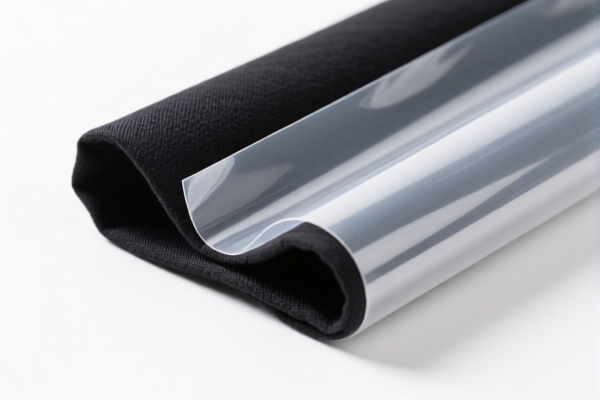
AI Analysis
🌿 Linen Textile Composite Film (Flax-Based Plastic-Textile Composite Sheets)
🌐 HS Code Reference & Customs Clearance Guide | 2026 Latest Tariff Breakdown | Professional Import Strategy
📌 One, Product Definition & Classification: What Exactly Is "Linen Textile Composite Film"?
Linen textile composite film refers to woven flax fabrics combined with plastic layers, forming a durable, flexible, and eco-friendly material used in industrial, packaging, construction, and specialty applications. These composites are not pure textiles nor pure plastics — they are hybrid materials where flax (natural vegetable fiber) dominates by weight over any other fiber.
⚠️ Critical Distinction:
- If the fabric contains 85% or more flax by weight, and is woven, it falls under heading 5309.19.00 — not plastic or textile-only categories.
- If the plastic layer is combined with textile materials and weighs over 1.492 kg/m², it may be classified under 3921.90.29.00 (plastic sheets with textile backing).
- Do NOT confuse this with general plastic films or coated textiles — flax dominance by weight is key.
📦 Two, HS Code Classification Details (2026 Official Tariff Matrix)
| HS Code | Product Description | Weight Threshold | Fiber Dominance | Key Use Case |
|---|---|---|---|---|
5309.19.00.10 |
Woven flax fabrics, ≥85% flax by weight, width >127 cm | ≥85% flax | ✅ Flax dominant | Industrial reinforcement, architectural textiles |
5309.19.00.90 |
Woven flax fabrics, ≥85% flax by weight, other widths | ≥85% flax | ✅ Flax dominant | Packaging, specialty textiles, eco-friendly wraps |
3921.90.19.10 |
Plastic plates/sheets/film combined with textiles, ≤1.492 kg/m², vegetable fibers dominant | ≤1.492 kg/m² | ✅ Vegetable fibers (flax) | Lightweight composite panels, eco-packaging |
3921.90.29.00 |
Plastic plates/sheets/film combined with textiles, >1.492 kg/m², other | >1.492 kg/m² | ❌ Not flax-dominant | Heavy-duty industrial sheets, construction materials |
🔍 Why This Matters:
- Weight-based fiber dominance is the legal test — flax must exceed any other fiber by weight.
- Width >127 cm triggers a different subheading (5309.19.00.10) — even if same material.
- Plastic weight matters — if >1.492 kg/m², it shifts from textile to plastic category.
💰 Three, 2026 Latest Tariff Breakdown (Including附加 Taxes & Policy Triggers)
✅ Applicable Country: United States (US)
✅ Origin: China (CN)
✅ Effective Date: November 10, 2025 (inclusive)
🎯 1. 5309.19.00.10 — Woven Flax Fabric (≥85% Flax, Width >127 cm)
| Item | Detail |
|---|---|
| Base Tariff | 0% (ad valorem) |
| USITC Additional Duty | +25% (under Section 301) |
| IEEPA Additional Duty | +10% (China-specific, per IEEPA) |
| Total Duty Rate | 35% |
| Tax Calculation | CIF Value × 35% |
| De Minimis Threshold | ❌ Not eligible (denied under US law) |
| Legal Pathway | IEEPA:9903.01.25 → USITC:5309.19.00.10 → FOOTNOTE:9903.88.01 |
📌 Explanation:
- Despite being natural fiber-based, this product is still subject to China-specific tariffs due to its origin.
- The 25% USITC duty comes from Section 301 trade actions against Chinese goods.
- The 10% IEEPA duty is for national security concerns.
- Total: 35% — not 0%, even though it’s “natural” and “eco-friendly”.
🎯 2. 5309.19.00.90 — Woven Flax Fabric (≥85% Flax, Other Widths)
| Item | Detail |
|---|---|
| Base Tariff | 0% |
| USITC Additional Duty | +25% |
| IEEPA Additional Duty | +10% |
| Total Duty Rate | 35% |
| Tax Calculation | CIF × 35% |
| De Minimis | ❌ Not eligible |
| Legal Pathway | IEEPA:9903.01.25 → USITC:5309.19.00.90 → FOOTNOTE:9903.88.01 |
📌 Note:
- Same tariff treatment as above — width doesn’t matter for duty, only for classification.
- Even narrow-width flax composites face 35% total duty if from China.
🎯 3. 3921.90.19.10 — Plastic Film with Textile (≤1.492 kg/m², Vegetable Fibers Dominant)
| Item | Detail |
|---|---|
| Base Tariff | 0% |
| USITC Additional Duty | +0% (not on this HS Code) |
| IEEPA Additional Duty | +0% (not applicable) |
| Total Duty Rate | 0% |
| Tax Calculation | CIF × 0% |
| De Minimis | ✅ Eligible (if value ≤$800) |
| Legal Pathway | USITC:3921.90.19.10 → FOOTNOTE:9903.88.01 (no additional duty) |
📌 Key Advantage:
- No additional tariffs — 0% total duty — if the plastic-textile composite weighs ≤1.492 kg/m² and vegetable fibers (flax) dominate.
- This is a major cost-saving opportunity for lightweight, eco-composite materials.
🎯 4. 3921.90.29.00 — Plastic Film with Textile (>1.492 kg/m², Other)
| Item | Detail |
|---|---|
| Base Tariff | 4.4% |
| USITC Additional Duty | +25% |
| IEEPA Additional Duty | +10% |
| Total Duty Rate | 39.4% |
| Tax Calculation | CIF × 39.4% |
| De Minimis | ❌ Not eligible |
| Legal Pathway | IEEPA:9903.01.25 → USITC:3921.90.29.00 → FOOTNOTE:9903.88.01 |
📌 Critical Risk Alert:
- Even if flax is dominant, if weight exceeds 1.492 kg/m², this high-tariff code applies.
- 39.4% total duty — one of the highest in the list.
- Avoid this trap: Measure weight per square meter carefully.
🛠️ Four, Customs Clearance Best Practices (Real-World Pro Tips)
✅ 1. Required Documentation (Must-Have Checklist)
| Document | Required? | Why It Matters |
|---|---|---|
| ✅ Product Technical Specs | ✔️ | Must confirm flax %, weight/m², width, fiber composition |
| ✅ Lab Test Report (Fiber Content) | ✔️ | Prove flax >50% by weight (e.g., ASTM D5733) |
| ✅ Weight per Square Meter (kg/m²) | ✔️ | Critical for 3921.90.19.10 vs 3921.90.29.00 |
| ✅ Commercial Invoice | ✔️ | Must state: "Woven flax fabric with plastic layer, 85% flax, 1.2 kg/m²" |
| ✅ Certificate of Origin (CO) | ✔️ | If from Vietnam/Mexico, may avoid 25%+ tariffs |
| ✅ Packing List | ✔️ | Show total weight, packaging, dimensions |
| ✅ Photos (Material Cross-Section) | ✔️ | Prove layering, flax dominance |
✅ 2.申报技巧 (Key Rules to Remember)
🔥 “Weight, Width, Fiber — Three Pillars of Correct HS Code!”
| Scenario | Correct HS Code | Common Mistake |
|---|---|---|
| Flax ≥85%, width >127 cm | 5309.19.00.10 |
Misreported as 3921.90.29.00 → higher tariff |
| Flax ≥85%, width ≤127 cm | 5309.19.00.90 |
Confused with plastic film |
| Plastic-textile, ≤1.492 kg/m², flax dominant | 3921.90.19.10 |
Mistaken as 3921.90.29.00 → 39.4% vs 0% |
| Plastic-textile, >1.492 kg/m² | 3921.90.29.00 |
Not checked weight → 39.4% tax |
✅ 3. Special Cases & Workarounds
| Situation | Solution |
|---|---|
| High weight (>1.492 kg/m²) | Consider reducing thickness or using thinner flax base to stay under threshold |
| From Vietnam/Mexico | Apply for CO — may avoid 25%+ tariffs (if eligible under USMCA or trade agreement) |
| Custom Composite Design | Apply for Advance Ruling (Pre-Review) — get official HS Code confirmation before shipment |
| Eco-Friendly Marketing | Don’t rely on “green” claims — tariff is based on weight, fiber, and origin, not sustainability |
🌍 Five, Global Market Tariff Comparison (2026)
| Country | Recommended HS Code | Base Duty | Additional Taxes | Notes |
|---|---|---|---|---|
| 🇺🇸 USA | 5309.19.00.10 / 3921.90.19.10 |
0% | +25% (USITC) +10% (IEEPA) | Total: 35% or 0% (if ≤1.492 kg/m²) |
| 🇨🇳 China | 5309.19.00.10 |
5% | 0% | No additional tariffs |
| 🇪🇺 EU | 5309.19.00.10 |
0% | 0% | No extra duties |
| 🇦🇺 Australia | 5309.19.00.10 |
5% | 0% | No additional tariffs |
| 🇯🇵 Japan | 5309.19.00.10 |
0% | 0% | No extra duties |
📌 Insight:
- Only the U.S. imposes high附加 taxes on Chinese-origin flax composites.
- Lightweight composites (≤1.492 kg/m²) are tax-free in the U.S. — huge saving.
📌 Six, Common Mistakes & Risk Warnings (Avoid These!)
❌ Mistake 1: Assuming “natural fiber = low tariff”
👉 Result: Paying 35% on flax fabric from China — despite being eco-friendly.
❌ Mistake 2: Not measuring weight per square meter
👉 Result: Misclassified as 3921.90.29.00 → 39.4% duty instead of 0%.
❌ Mistake 3: Using “plastic-coated linen” as generic term
👉 Result: Customs sees “plastic film” → assigns 3921.90.29.00 → high tax.
❌ Mistake 4: Shipping from China without CO from a free-trade partner
👉 Result: No tariff relief — 25%+ extra cost.
✅ Correct申报 Language:
“Woven flax fabric with plastic coating, ≥85% flax by weight, width: 130 cm, weight: 1.2 kg/m², vegetable fibers dominant — suitable for eco-packaging”
🎯 Seven, Conclusion: Precision Beats Assumption!
🎯 Remember the Golden Rules:
🔹 “Weight determines code — ≤1.492 kg/m² = 0% in U.S.”
🔹 “Width >127 cm = special code — don’t mix with plastic sheets”
🔹 “Flax must dominate by weight — prove it with lab reports”
🔹 “Origin matters — China = high tariffs, Vietnam = possible relief”
📌 Pro Tip:
✅ Apply for Advance Ruling (Pre-Review) before shipping — get official HS Code confirmation from U.S. Customs.
✅ Use lightweight design (<1.492 kg/m²) to avoid 39.4% tax.
✅ Source from Vietnam/Mexico if possible — avoid 25%+ tariffs.
📣 Act Now!
📞 Contact a specialized customs broker + provide material specs + weight data + fiber report
🚀 Ensure your linen composite film clears U.S. customs with zero surprise duty!
✨ Smart Classification = Smart Savings!
💼 Your product’s value isn’t just in materials — it’s in the right HS Code!
Customer Reviews
About HS Code Classification
The Harmonized System (HS) is an internationally standardized nomenclature developed by the World Customs Organization (WCO) to classify traded products. Over 200 countries use the HS system as the basis for customs tariffs, trade statistics, and import/export regulations.
Each HS code follows a hierarchical structure:
- Chapter (2 digits) — Broad category of goods (e.g., Chapter 84: Machinery and Mechanical Appliances)
- Heading (4 digits) — More specific grouping within the chapter
- Subheading (6 digits) — Internationally standardized breakdown, used by all WCO member countries
- National subdivisions (8-10 digits) — Country-specific extensions for further classification, such as US HTSUS 10-digit codes
Correct HS code classification is essential for smooth customs clearance, accurate duty payment, and compliance with trade regulations. Misclassification can lead to customs delays, overpayment of duties, or penalties.
When importing from CN to US, the applicable tariff rates may include:
- Most-Favored-Nation (MFN) rate — The standard duty rate applied to WTO members
- General rate — Applied to countries without trade agreements
- Trade remedy duties — Additional tariffs such as Section 301 (anti-dumping), Section 232 (national security), or countervailing duties
The information provided on this page is for reference purposes only. For official classification, please consult with your local customs authority or a licensed customs broker.