Liquid Measurement and Dispensing Pump
CN → US| HS Code | Tariff Rate | Origin | Destination | Doc |
|---|---|---|---|---|
| 8413110000 | 35.0% | CN | US | Official Doc |
| 8413190000 | 35.0% | CN | US | Official Doc |
Product Images
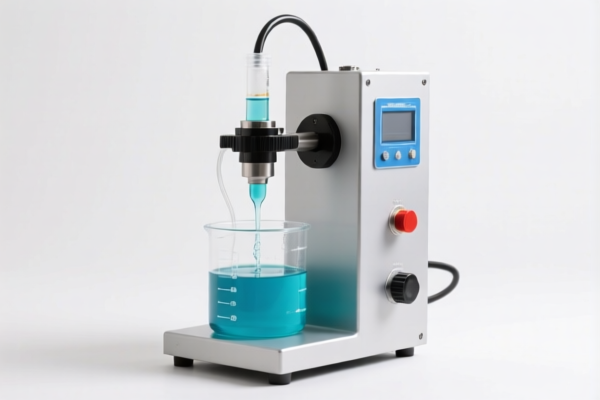
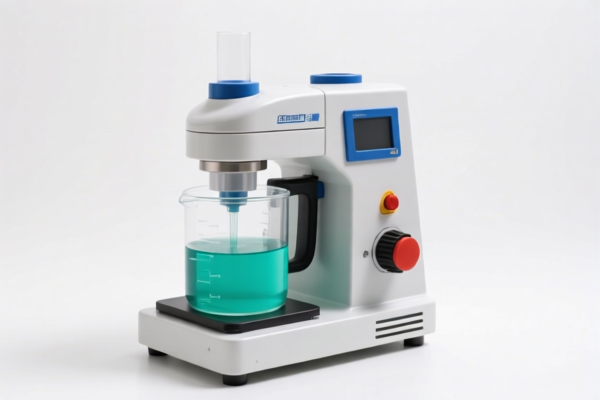
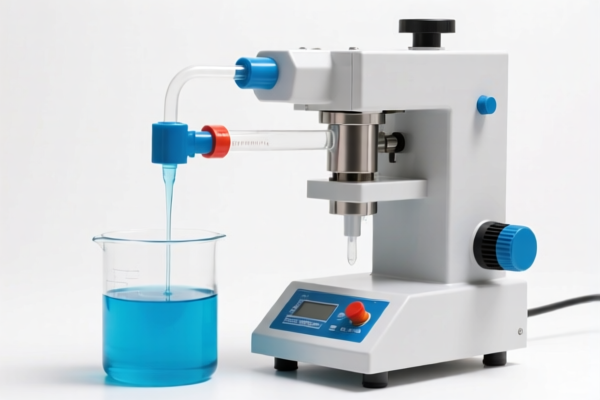
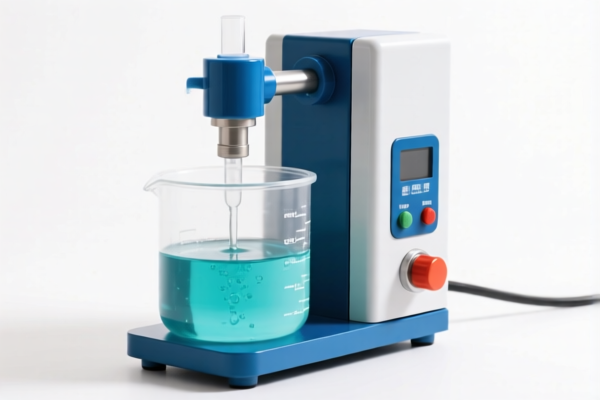
AI Analysis
💧 Liquid Measurement and Dispensing Pump (Fuel/Lubricant Types)
🌐 HS Code Reference & Customs Clearance Guide | 2026 Latest Tariff Analysis | Professional Level Strategy
📌 I. Product Definition and Classification: Do You Really Understand "Dispensing Pumps"?
Liquid measurement and dispensing pumps are mechanical devices designed to transfer liquids while accurately measuring the volume or mass dispensed. In international trade, these are primarily categorized based on their application scenario and integration of measuring devices. The most common and regulated category involves pumps used in gas stations (filling stations) or garages for dispensing fuel (petrol, diesel) or lubricants (oil).
Key Distinction: * Fuel/Lubricant Dispensing Pumps: Specifically designed for filling stations/garages, often equipped with integral meters. → HS Code: 8413.11.00.00 * Other Dispensing Pumps: Any other pump fitted or designed to be fitted with a measuring device (e.g., chemical dosing, beverage filling, industrial fluid control not for fuel/oil). → HS Code: 8413.19.00.00
⚠️ Critical Identification Point:
- If the pump is explicitly described or used for dispensing fuel or lubricants at a filling station or garage →归入 8413.11.00.00
- If it is a measuring pump but NOT for fuel/lubricants (e.g., for water, chemicals, food) → 归入 8413.19.00.00
📦 II. HS Code Classification Details (2026 Latest Tariff Authority Comparison)
| HS Code | Product Description | Applicable Scenario | Key Feature |
|---|---|---|---|
8413.11.00.00 |
Pumps fitted or designed to be fitted with a measuring device: Pumps for dispensing fuel or lubricants, of the type used in filling-stations or in garages | Gas stations, auto repair shops, fleet fueling | ✅ For Fuel/Lubricants |
8413.19.00.00 |
Pumps fitted or designed to be fitted with a measuring device: Other | Chemical plants, beverage factories, industrial dosing, water treatment | ✅ For Non-Fuel/Lubricant Liquids |
🔍 Important Reminder:
- The term "measuring device" includes flow meters, counters, or digital displays that measure volume/mass during dispensing.
- Do not misclassify a fuel dispenser pump as "other pumps" just to seek different tariffs; customs may reclassify and impose penalties.
- Both codes fall under Chapter 84 (Nuclear reactors, boilers, machinery and mechanical appliances; parts thereof), Heading 8413 (Pumps for liquids).
💰 III. 2026 Latest Tariff Rate Details (Including Additional Taxes)
✅ Applicable Country: United States (US)
✅ Origin: China (CN)
✅ Effective Date: Current rates apply based on USITC Section 301 and IEEPA provisions.
🎯 1. 8413.11.00.00 —— Pumps for dispensing fuel or lubricants (Gas Station/Garage Type)
| Item | Content |
|---|---|
| Base Tariff Rate | 0% (ad valorem) |
| USITC Additional Tariff (Section 301) | +25% |
| Total Tariff Rate | 25.0% |
| Tax Calculation | CIF Value × 25% |
| De Minimis Exemption | ❌ Not Applicable (De minimis values do not apply to Section 301 tariffs) |
| Legal Basis Path | USITC:8413.11.00.00 → FOOTNOTE:301 |
📌 Explanation:
- Base Rate: Under normal Most Favored Nation (MFN) treatment, the base duty for this category is 0%.
- Additional Tariff: Due to US-China trade tensions, an additional 25% tariff is applied to goods originating from China under Section 301.
- Total Impact: The total effective tax rate is 25%. This is a significant cost factor for exporters.
🎯 2. 8413.19.00.00 —— Other Pumps with Measuring Devices
| Item | Content |
|---|---|
| Base Tariff Rate | 0% (ad valorem) |
| USITC Additional Tariff (Section 301) | +25% |
| Total Tariff Rate | 25.0% |
| Tax Calculation | CIF Value × 25% |
| De Minimis Exemption | ❌ Not Applicable |
| Legal Basis Path | USITC:8413.19.00.00 → FOOTNOTE:301 |
📌 Note:
- Despite being "other" pumps, they are subject to the same 25% additional tariff as fuel pumps under current US regulations for Chinese-origin goods.
- This includes pumps used for dispensing chemicals, solvents, or other industrial fluids with integrated meters.
🛠️ IV. Customs Clearance Practical Advice (Real-World Pitfall Avoidance)
✅ 1. Required Documentation Checklist (All are Mandatory)
| Document | Must Provide | Description |
|---|---|---|
| ✅ Product Specification Sheet | ✔️ | Must clearly state: Type of liquid handled (fuel, oil, chemical), flow rate, measuring accuracy, and intended use. |
| ✅ Technical Drawing/Photos | ✔️ | Clear photos showing the pump body, measuring device (flow meter, counter), and connections. |
| ✅ Commercial Invoice | ✔️ | Description must match HS code: e.g., "Fuel Dispensing Pump for Gas Station" or "Chemical Dosing Pump with Meter". |
| ✅ Packing List | ✔️ | List all components. If the measuring device is sold separately, declare it separately or together with clear relationship. |
| ✅ Certificate of Origin (CO) | ✔️ | To confirm origin as China. Non-Chinese origin (e.g., Vietnam, Germany) may enjoy lower/zero tariffs. |
| ✅ USACE/ETCC Declaration (if applicable) | ✔️ | For any specific regulatory compliance. |
✅ 2. Declaration Tips (Key Mantra)
🔥 "Be Precise: Fuel vs. Other, Meter is Key, Origin Matters!"
| Scenario | Correct Declaration | Wrong Practice |
|---|---|---|
| Gas Station Fuel Pump | 8413.11.00.00 |
Misdeclare as "Industrial Pump" → Risk of reclassification & penalty |
| Chemical Dosing Pump with Meter | 8413.19.00.00 |
Misdeclare as "Fuel Pump" → Unlikely, but confusing |
| Pump WITHOUT Measuring Device | ❌ Not 8413.11/19 → Likely 8413.60 or 8413.70 |
Declaring as 8413.11 without a meter → Customs Rejection |
| Chinese Origin | Expect 25% Additional Tax | Assuming 0% total tax → Cash Flow Crisis |
📌 Critical Note:
- If the pump is NOT fitted with a measuring device, it DOES NOT belong to 8413.11 or 8413.19. It would likely fall under 8413.60 (Other positive displacement pumps) or 8413.70 (Other centrifugal pumps). These may have different tariff treatments, so precise description is vital.
✅ 3. Special Handling Cases
| Case | Handling Suggestion |
|---|---|
| OEM/White Label Pumps | Provide manufacturer authorization and technical specs to prove origin and function. |
| Pump + Meter Sold Separately | If shipped separately, declare separately. However, if they are functionally inseparable, customs may consolidate. |
| Non-Chinese Origin | If manufactured in Vietnam, Thailand, or EU, provide CO to claim 0% or lower tariffs. This is the most effective way to reduce costs. |
| Used or Refurbished Pumps | Additional inspections may apply. Ensure compliance with US EPA and safety standards. |
🌍 V. Global Market Comparison (2026 Latest)
| Country/Region | Recommended HS Code | Tariff (China Origin) | Certification Requirements | Notes |
|---|---|---|---|---|
| 🇺🇸 USA | 8413.11.00.00 / 8413.19.00.00 |
25% (Total) | UL, NSF (for water/food), API (for fuel) | High Tariff Risk. Strong enforcement on Section 301. |
| 🇨🇳 China | 8413.11.00.00 / 8413.19.00.00 |
0% | CNCA, ISO | No additional tariffs. Domestic market access easier. |
| 🇪🇺 EU | 8413.11.00 / 8413.19.00 |
0% (Most MFN) | CE, ATEX (if explosive atmospheres) | Generally low tariffs. ATEX crucial for fuel pumps. |
| 🇦🇺 Australia | 8413.11.00 / 8413.19.00 |
5% | RCM, Standards Australia | Moderate tariff. No additional punitive tariffs. |
| 🇬🇧 UK | 8413.11.00 / 8413.19.00 |
0% | UKCA | Post-Brexit rules apply. Generally favorable. |
📌 Conclusion:
- The US market is the most challenging due to the 25% additional tariff.
- EU and UK offer more favorable conditions (often 0% base), but strict safety (ATEX/CE) regulations apply for fuel pumps.
- Supply Chain Strategy: Consider sourcing or assembling in non-China countries (e.g., Vietnam) to mitigate US tariffs.
📌 VI. Common Errors & Pitfalls (Lessons Learned)
❌ Error 1: Declaring a pump without a measuring device as 8413.11.00.00
👉 Consequence: Customs will reclassify to 8413.60 or 8413.70, potentially leading to different duty rates and fines.
❌ Error 2: Ignoring the "Fuel/Lubricant" distinction
👉 Consequence: Misclassification. If a chemical pump is declared as a fuel pump, it may trigger unnecessary regulatory reviews (e.g., EPA).
❌ Error 3: Assuming 0% total tax
👉 Consequence: For China-origin goods to the US, forgetting the 25% Section 301 tariff leads to massive unexpected costs at customs.
❌ Error 4: Vague Description ("Liquid Pump")
👉 Consequence: Customs holds the shipment for clarification, causing delays and storage fees.
✅ Correct Practice:
"Fuel Dispensing Pump, Model XYZ, with Integrated Digital Meter, for Gas Station Use, Made in China, UL Certified"
🎯 VII. Conclusion: Precision in Classification Saves Money!
🎯 Remember the Mantra:
🔹 "Fuel Pump = 8413.11, Other Metered = 8413.19, No Meter = Check 8413.60/70."
🔹 "China to US? Add 25%. Check Origin! Check Meter! Check Liquid Type!"
📌 Pro Tip:
If your liquid measurement and dispensing pump is destined for the US market, consider:
1. Transshipment/Assembly: Minor processing in Vietnam or Malaysia may change the origin status (consult a legal expert).
2. Advance Ruling: Apply for a US Customs Advance Ruling to confirm the HS code and duty rate before shipment.
3. Certifications: Ensure UL (for electrical safety) and NSF (for food/water) or ATEX (for EU fuel) certifications are up-to-date.
📣 Immediate Action:
📞 Consult a Licensed Customs Broker + Provide Detailed Specs + Verify Origin
🚀 Ensure Smooth Clearance, Avoid Delays, Maximize Profit Margins!
✨ Professional Clearance Starts with Accurate Classification!
💼 Your Every Penny Counts in Global Trade!
Customer Reviews
About HS Code Classification
The Harmonized System (HS) is an internationally standardized nomenclature developed by the World Customs Organization (WCO) to classify traded products. Over 200 countries use the HS system as the basis for customs tariffs, trade statistics, and import/export regulations.
Each HS code follows a hierarchical structure:
- Chapter (2 digits) — Broad category of goods (e.g., Chapter 84: Machinery and Mechanical Appliances)
- Heading (4 digits) — More specific grouping within the chapter
- Subheading (6 digits) — Internationally standardized breakdown, used by all WCO member countries
- National subdivisions (8-10 digits) — Country-specific extensions for further classification, such as US HTSUS 10-digit codes
Correct HS code classification is essential for smooth customs clearance, accurate duty payment, and compliance with trade regulations. Misclassification can lead to customs delays, overpayment of duties, or penalties.
When importing from CN to US, the applicable tariff rates may include:
- Most-Favored-Nation (MFN) rate — The standard duty rate applied to WTO members
- General rate — Applied to countries without trade agreements
- Trade remedy duties — Additional tariffs such as Section 301 (anti-dumping), Section 232 (national security), or countervailing duties
The information provided on this page is for reference purposes only. For official classification, please consult with your local customs authority or a licensed customs broker.