Liquid Pump
CN → US| HS Code | Tariff Rate | Origin | Destination | Doc |
|---|---|---|---|---|
| 8413200000 | 35.0% | CN | US | Official Doc |
| 8413810030 | 35.0% | CN | US | Official Doc |
| 8414200000 | 38.7% | CN | US | Official Doc |
| 8414100000 | 37.5% | CN | US | Official Doc |
| 8413200000 | 35.0% | CN | US | Official Doc |
Product Images
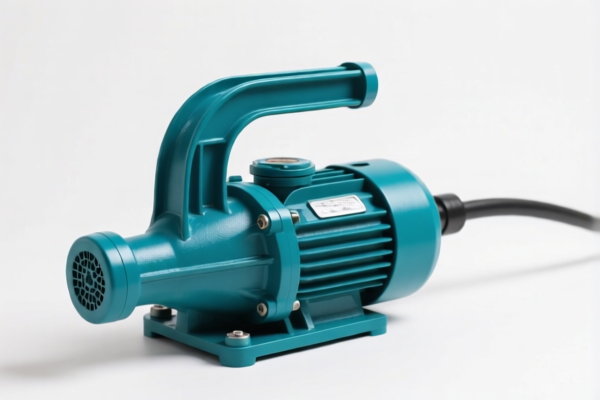
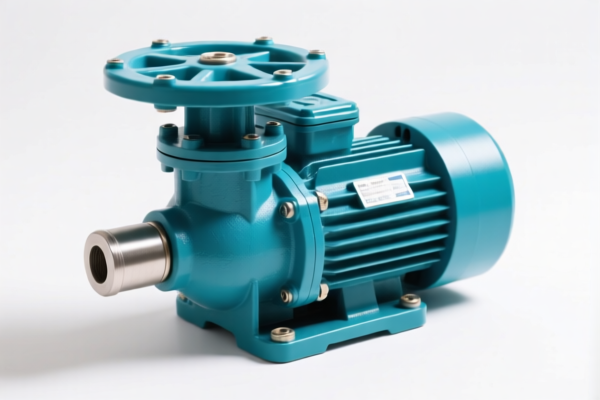
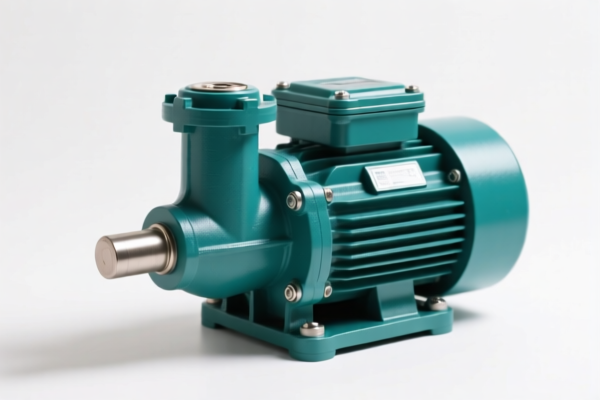
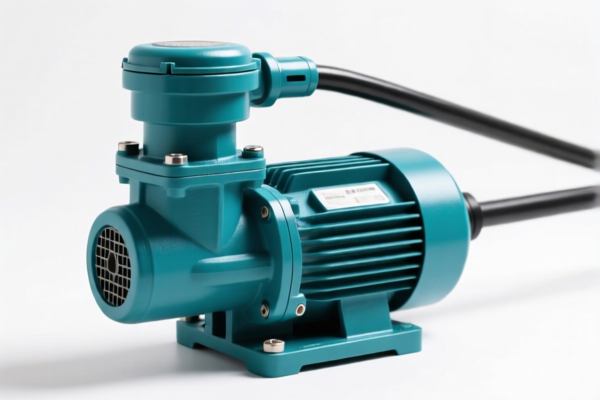
AI Analysis
💧 Liquid Pumps (Hydraulic Elevators & Pumps)
🌐 HS Code Reference & Customs Clearance Guide | 2026 Latest Tariff Analysis | Professional-Level Strategy
📌 I. Product Definition & Classification: Do You Really Understand "Liquid Pumps"?
In international trade, "Liquid Pumps" is not a single entity but a functional category covering various devices designed to move liquids. The classification depends heavily on the specific function (e.g., moving air vs. moving water, vacuum vs. pressure), operating principle, and intended application.
To ensure accurate customs clearance and tax optimization, it is crucial to distinguish between:
1. Pure Liquid Pumps (Section 8413):
Devices primarily designed to discharge or elevate liquids under pressure. These include hydraulic pumps, fuel pumps, and liquid transfer pumps.
2. Air/Gas Pumps vs. Liquid Pumps (Section 8414):
Devices designed to move air or gases (including vacuum pumps) are classified separately from liquid pumps, even if they share similar mechanical structures. Misclassification here is the most common error, leading to significant tax discrepancies.
⚠️ Key Distinction Point:
- If the device is designed to move liquids (water, oil, chemicals) under pressure → Chapter 8413.
- If the device is designed to move air/gas (including creating a vacuum) → Chapter 8414.
- If the device is a liquid elevator/lifter with specific mechanical traits → Chapter 8413 (specific subheading).
📦 II. HS Code Classification Details (2026 Latest Tariff Authority Comparison)
Based on the provided data, here are the recommended HS Codes for Liquid Pumps and their corresponding tax implications:
| HS Code | Product Description | Applicability & Reasoning | Conflict Check |
|---|---|---|---|
8413.20.00.00 |
Liquid Pumps | Primary Recommendation. Described as having consistent usage with no material or morphological conflicts. Applies to general liquid transfer pumps. | ✅ No Conflict |
8413.81.00.30 |
Liquid Elevators/Pumps | High Precision Match. Core functional attributes fully match "liquid lifters/pumps." No material or morphological conflicts. Suitable for specialized lifting applications. | ✅ No Conflict |
8414.20.00.00 |
Pump Category (Likely Air/Gas) | Caution. The summary notes it is "basic to air pumps" and shares equipment attributes. If the device can also handle air or is a vacuum pump, this code may apply. | ⚠️ Potential Conflict if misidentified as pure liquid pump |
8414.10.00.00 |
Vacuum Pumps | Function-Based. Included in the upper-level category of pumps. If the device’s primary function is creating a vacuum (removing gas/air), this code is appropriate, not a liquid pump code. | ⚠️ Distinct Function from Liquid Pumps |
8413.20.00.00 |
Liquid Pumps (Ambiguous Description) | Default Recommendation. In cases where product descriptions are missing, this code is the preferred fallback for potential liquid pump compliance. | ✅ Safe Fallback |
🔍 Key Reminder:
- Liquid vs. Gas: The biggest risk is classifying a vacuum pump or air compressor as a liquid pump.
- Specificity: If the pump is specifically a "liquid elevator" (e.g., for wastewater or oil elevation in industrial settings),8413.81.00.30is more precise than the general8413.20.00.00.
- Missing Info: If technical specs are unavailable,8413.20.00.00is the safest general classification for liquid-moving devices.
💰 III. 2026 Latest Tariff Rate Detailed Breakdown (Including Additional Taxes & Policy Surcharges)
✅ Applicable Country: USA (US)
✅ Origin: China (CN)
✅ Effective Date: Current Trade Policies (Including Section 301 & IEEPA Surcharges)
🎯 1. 8413.20.00.00 & 8413.81.00.30 —— Liquid Pumps / Liquid Elevators
| Item | Content |
|---|---|
| Basic Tariff | 0.0% (ad valorem) |
| USITC Additional Tariff | +25.0% (Under Section 301, USITC Footnote 9903.88.01 / related provisions for pumps) |
| IEEPA Additional Tariff | +10.0% (122 Clause Tariff, targeting specific Chinese-origin goods) |
| Total Tax Rate | 35.0% |
| Tax Calculation | CIF Value × 35% |
| De Minimis Exemption | ❌ Not Available (deny_de_minimis) |
| Legal Basis Path | USITC:8413.20.00.00 → USITC:8413.81.00.30 → Section 301 (25%) + IEEPA (10%) |
📌 Explanation:
- The 0% base rate is due to the Most Favored Nation (MFN) rate for these pump categories.
- The 25% surcharge is the standard Section 301 tariff on many Chinese-manufactured mechanical appliances.
- The 10% surcharge is the additional IEEPA tariff applied to specific Chinese goods (Clause 122).
- Total 35% is a fixed, high-cost barrier. No duty-free exemptions apply.
🎯 2. 8414.20.00.00 —— Air/Gas Pumps (Non-Vacuum)
| Item | Content |
|---|---|
| Basic Tariff | 3.7% |
| USITC Additional Tariff | +25.0% |
| IEEPA Additional Tariff | +10.0% |
| Total Tax Rate | 38.7% |
| Tax Calculation | CIF Value × 38.7% |
| De Minimis Exemption | ❌ Not Available |
| Legal Basis Path | USITC:8414.20.00.00 → Section 301 (25%) + IEEPA (10%) |
📌 Note:
- This code has a 3.7% base tariff, which is higher than liquid pumps (0%).
- The additional surcharges remain the same, leading to a higher total tax (38.7%) compared to liquid pumps.
- Critical: Ensure your product is indeed an air/gas pump. If it is a liquid pump, using this code is incorrect and risks penalties.
🎯 3. 8414.10.00.00 —— Vacuum Pumps
| Item | Content |
|---|---|
| Basic Tariff | 2.5% |
| USITC Additional Tariff | +25.0% |
| IEEPA Additional Tariff | +10.0% |
| Total Tax Rate | 37.5% |
| Tax Calculation | CIF Value × 37.5% |
| De Minimis Exemption | ❌ Not Available |
| Legal Basis Path | USITC:8414.10.00.00 → Section 301 (25%) + IEEPA (10%) |
📌 Note:
- Vacuum pumps have a 2.5% base tariff.
- Total tax is 37.5%.
- Distinction: If your "pump" is used to remove air/vacuum rather than move liquid, use this code. Misusing it for liquid pumps leads to classification errors.
🛠️ IV. Customs Clearance Practical Advice (Battle-Tested Pitfall Avoidance)
✅ 1. Essential Documentation Checklist (Non-Negotiable)
| Document | Required | Description |
|---|---|---|
| ✅ Product Specifications | ✔️ | Must clearly state Medium Moved (Water, Oil, Air, Vacuum). |
| ✅ Technical Datasheet | ✔️ | Flow rate, pressure, power, voltage. Crucial for proving it’s a liquid pump. |
| ✅ Product Photos | ✔️ | Clear view of nameplate, inlet/outlet ports. Identify if ports are for liquid or air. |
| ✅ Commercial Invoice | ✔️ | Description should be precise: e.g., "Centrifugal Liquid Pump for Water Transfer." |
| ✅ Packing List | ✔️ | Include accessories (pipes, bases) to show it’s a complete unit. |
✅ 2. Declaration Tips (Key Mantra)
🔥 "Medium Defines Code: Liquid is 8413, Air/Vacuum is 8414. Accuracy Saves Money!"
| Scenario | Correct Declaration | Wrong Practice |
|---|---|---|
| Water/Oil Transfer Pump | 8413.20.00.00 or 8413.81.00.30 |
Declare as "Pump" vaguely → Risk of 38.7% or audit |
| Vacuum Pump (Air Removal) | 8414.10.00.00 |
Declare as "Liquid Pump" → Incorrect classification, penalty |
| Air Compressor | 8414.20.00.00 (if applicable) or other |
Confusing with liquid pump → Tax error |
| Multi-Purpose Pump | Declare based on primary intended use | Ambiguous description → Customs discretion, potential delay |
✅ 3. Special Case Handling
| Scenario | Handling Advice |
|---|---|
| Hydraulic Pump | Must be 8413.20.00.00 or similar liquid pump code. Not an air pump. |
| Fuel Pump | Classified under 8413.20.00.00 if for liquids. Specific subheadings may apply for automotive, but generally liquid pump. |
| Chemical Pump | Same as liquid pump. Material of construction (stainless steel, etc.) does not change HS Code, only confirms it’s a liquid pump. |
| Pump with Integrated Motor | Still classified under 8413 (Pumps). The motor is considered integral. |
🌍 V. Global Main Market Clearance Comparison (2026 Latest)
| Country/Region | Recommended HS Code | Tariff (China Origin) | Certification Requirements | Notes |
|---|---|---|---|---|
| 🇺🇸 USA | 8413.20.00.00 |
35.0% (25% + 10% + 0%) | NRTL (UL/ETL) recommended | High additional tariffs. |
| 🇨🇳 China | 8413.20.00.00 |
10.0% - 15.0% (Import) | CCC (if applicable) | Lower base tax. |
| 🇪🇺 EU | 8413.70 / 8413.91 |
0% - 2.5% | CE + RoHS | Lower tariffs, stricter CE marking. |
| 🇦🇺 Australia | 8413.20 |
5.0% | RCM | Moderate tariff. |
| 🇯🇵 Japan | 8413.20 |
0% - 5.0% | PSE (if electric) | Favorable trade terms. |
📌 Conclusion:
- USA is the most expensive market for Chinese-origin pumps due to the 35% cumulative tax.
- EU and Japan offer more favorable tariff structures, but compliance costs (CE/PSE) are significant.
- Strategy: For US-bound goods, ensure precise classification to avoid penalties. Consider supply chain diversification if possible.
📌 VI. Common Mistakes & Pitfall Guide (Blood-Teaching Lessons)
❌ Mistake 1: Declaring a Vacuum Pump as a Liquid Pump
👉 Consequence: HS Code change from 8414.10.00.00 (37.5%) to 8413.20.00.00 (35%)? Wait, BUT if it’s misclassified, customs may penalize for wrong declaration. Also, if it’s actually an air pump, using 8413 is a functional error.
👉 Correct: Verify the medium. If it moves air, use 8414.
❌ Mistake 2: Using vague descriptions like "Pump" or "Liquid Device"
👉 Consequence: Customs may assign a default code with a higher base tariff or trigger a manual examination, causing delays.
👉 Correct: Use specific terms: "Centrifugal Liquid Pump," "Gear Pump for Oil."
❌ Mistake 3: Ignoring the IEEPA 10% Surcharge
👉 Consequence: Underestimating landed cost. The 35% total is not negotiable for Chinese goods.
👉 Correct: Factor in the full 35% in your pricing model.
✅ Correct Practice:
“Stainless Steel Centrifugal Liquid Pump, Model XYZ, For Water Transfer, 1HP, 110V, UL Certified”
🎯 VII. Conclusion: Professional Declaration, Time-Saving, Cost-Reduction!
🎯 Remember the Mantra:
🔹 "Liquid is 8413, Air is 8414. Check the medium first!"
🔹 "US Tariff is 35%, No Exemption, Plan Ahead!"
🔹 "Specific Description Prevents Delays!"
📌 Pro Tip:
If your pumps are originally from Vietnam, Mexico, or Thailand, you may qualify for IEEPA Exemptions or lower Section 301 tariffs.
Recommendation: Apply for an Advance Ruling if the product function is ambiguous to avoid post-clearance adjustments.
📣 Immediate Action:
📞 Contact a professional customs broker + Provide product specs + Request HS Code Pre-Ruling
🚀 Let your pumps pass smoothly, optimize costs, and boost profits!
✨ Professional Customs Clearance Starts with Accurate Classification!
💼 Every cent of your cost deserves precise calculation!
Customer Reviews
About HS Code Classification
The Harmonized System (HS) is an internationally standardized nomenclature developed by the World Customs Organization (WCO) to classify traded products. Over 200 countries use the HS system as the basis for customs tariffs, trade statistics, and import/export regulations.
Each HS code follows a hierarchical structure:
- Chapter (2 digits) — Broad category of goods (e.g., Chapter 84: Machinery and Mechanical Appliances)
- Heading (4 digits) — More specific grouping within the chapter
- Subheading (6 digits) — Internationally standardized breakdown, used by all WCO member countries
- National subdivisions (8-10 digits) — Country-specific extensions for further classification, such as US HTSUS 10-digit codes
Correct HS code classification is essential for smooth customs clearance, accurate duty payment, and compliance with trade regulations. Misclassification can lead to customs delays, overpayment of duties, or penalties.
When importing from CN to US, the applicable tariff rates may include:
- Most-Favored-Nation (MFN) rate — The standard duty rate applied to WTO members
- General rate — Applied to countries without trade agreements
- Trade remedy duties — Additional tariffs such as Section 301 (anti-dumping), Section 232 (national security), or countervailing duties
The information provided on this page is for reference purposes only. For official classification, please consult with your local customs authority or a licensed customs broker.