Lockable Box
CN → US| HS Code | Tariff Rate | Origin | Destination | Doc |
|---|---|---|---|---|
| 4202122120 | 55.0% | CN | US | Official Doc |
| 4202929315 | 52.6% | CN | US | Official Doc |
| 8301406030 | 23.2% | CN | US | Official Doc |
| 8301406060 | 23.2% | CN | US | Official Doc |
| 9403200078 | 85.0% | CN | US | Official Doc |
| 9403200090 | 85.0% | CN | US | Official Doc |
Product Images
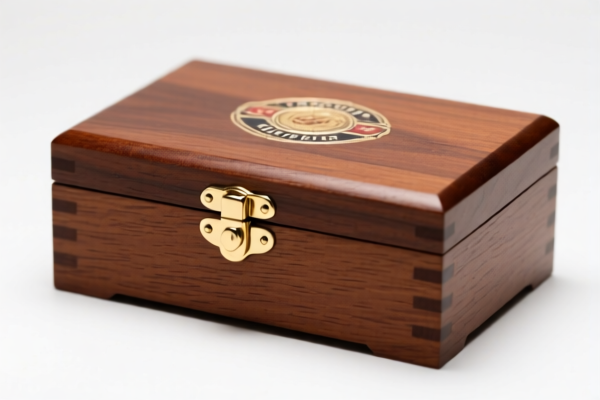
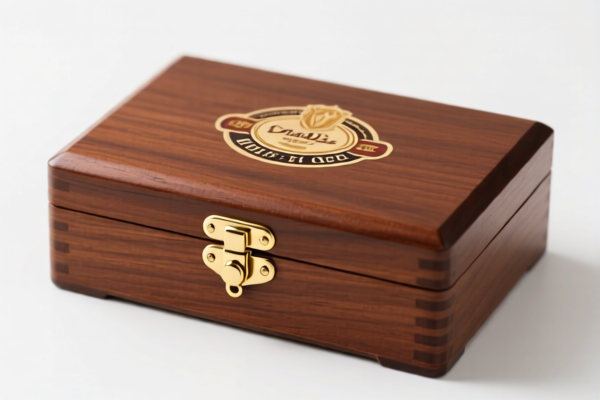
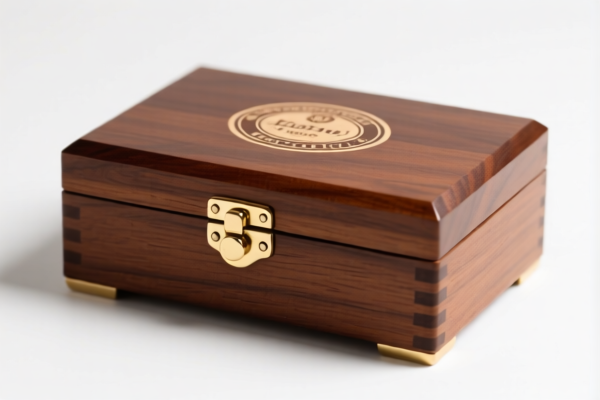
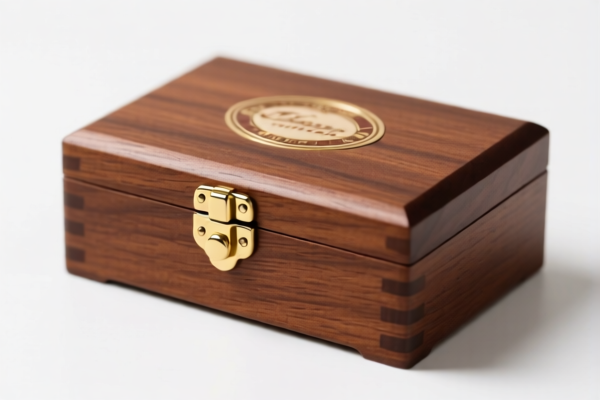
AI Analysis
🔒 Lockable Box (General Storage Container with Locking Mechanism)
🌐 HS Code Reference & Clearance Guide | 2026 Latest Tariff Analysis | Strategic Customs Compliance
📌 Part 1: Product Definition & Classification – What Exactly is a "Lockable Box"?
In international trade, "Lockable Box" is a broad commercial term that lacks a single, precise Harmonized System (HS) code. The classification depends entirely on material, function, and specific use. Misclassification here is common and dangerous, as the duty rates range from 0% to 75%.
The product generally falls into one of two major categories in the provided data: 1. Metal Locks/Hardware (Ch 83): If the item is primarily defined as a lock mechanism or a metal fixture intended to secure a door, cabinet, or container. 2. Metal Furniture/Storage (Ch 94): If the item is a complete furniture piece (e.g., a metal locker, safe, or storage cabinet) designed for holding goods.
⚠️ Critical Distinction:
- If the product is a standalone metal lock (like a padlock) or a key/lever lockset for a door → It belongs to Chapter 83.
- If the product is a metal box/cabinet/furniture that has a lock built-in → It belongs to Chapter 94.
- Do not classify a metal safe or locker under Ch 83. You must classify the furniture, not the lock.
📦 Part 2: HS Code Classification Details (Based on Provided Data)
The following HS Codes are derived strictly from the provided dataset. Note that "Lockable Box" is ambiguous; you must select the code that matches your physical product.
| HS Code | Product Description (Simplified) | Applicable Scenario | Key Material | Tax Risk Level |
|---|---|---|---|---|
| 8301.40.60.30 | Door Locks & Locksets for interior/exterior doors (except garage/sliding) | Metal door locks, lever handles with locking mechanism, key-operated locks | Base Metal | 🟢 Low (0%) |
| 8301.40.60.60 | Other Locks (not specified above) | General-purpose metal locks, padlocks not fitting specific door categories | Base Metal | 🟡 Medium (13.2%) |
| 9403.20.00.78 | Storage Lockers (Metal Furniture) | Metal lockers, exchange lockers, office storage cabinets, secure boxes | Metal | 🔴 High (75%*) |
| 9403.20.00.90 | Other Metal Furniture | Metal lockable boxes/cabinets that are not standard storage lockers | Metal | 🔴 High (75%*) |
🔍 Key Interpretation for "Lockable Box":
- Scenario A: You are importing a metal padlock or a door lock mechanism.
→ Use 8301.40.60.30 or 8301.40.60.60.
- Scenario B: You are importing a metal locker, office safe, or storage cabinet that opens with a key/combo.
→ Use 9403.20.00.78 (if it is a locker) or 9403.20.00.90 (if it is other metal furniture).
- ⚠️ WARNING: If you import a metal safe but declare it as a "lock" (Ch 83), customs may reclassify it as furniture (Ch 94), resulting in a massive duty spike (from ~0-13% to 75%).
💰 Part 3: 2026 Tariff Rate Breakdown (Detailed Tax Clauses)
✅ Applicable Country: United States (US)
✅ Origin: China (CN) (Implied by the high "Additional Tax" rates in the data)
✅ Effective Date: Current Tariff Regime
🎯 1. Classification: Hardware/Locks (Chapter 83)
A. 8301.40.60.30 – Door Locks & Locksets
| Item | Details |
|---|---|
| Base Duty | 0.0% |
| Additional Duty (Trade War/Section 301) | 0.0% |
| Total Tax Rate | 0.0% |
| Tax Detail | "基础关税: 0.0%, 加征关税: 0.0%" |
| Legal Basis | HTSUS 8301.40.60.30 |
📌 Explanation:
- Specific door locks and locksets for interior/exterior doors enjoy duty-free status under this specific subheading.
- Crucial: This only applies if the product is specifically for doors. Padlocks may not qualify here and fall under 8301.40.60.60.
B. 8301.40.60.60 – Other Locks
| Item | Details |
|---|---|
| Base Duty | 5.7% |
| Additional Duty (Trade War/Section 301) | 7.5% |
| Total Tax Rate | 13.2% |
| Tax Detail | "基础关税: 5.7%, 加征关税: 7.5%" |
| Legal Basis | HTSUS 8301.40.60.60 |
📌 Explanation:
- This is the "catch-all" for metal locks (e.g., padlocks, specialized keys) that don't fit the specific "door lock" definition above.
- Cost Impact: 13.2% is moderate but significantly higher than door locks.
🎯 2. Classification: Metal Furniture/Storage (Chapter 94)
C. 9403.20.00.78 – Storage Lockers (Metal)
| Item | Details |
|---|---|
| Base Duty | 0.0% |
| Additional Duty (Section 301) | 25.0% |
| Additional Duty (Steel/Aluminum/Copper) | 50.0% (Conditional) |
| Total Tax Rate | 75.0% (If Steel/Al/Cu) or 25.0% (if non-ferrous) |
| Tax Detail | "基础关税: 0.0%, 加征关税: 25.0% 钢,铝铜制品加征关税: 50%" |
| Legal Basis | HTSUS 9403.20.00.78 |
📌 Explanation:
- Steel/Aluminum/Copper Warning: If your lockable box/locker is made of steel, aluminum, or copper, an extra 50% tariff is applied on top of the 25% Section 301 tariff.
- Total: 0% (Base) + 25% (General) + 50% (Material Surcharge) = 75% Total Tax.
- This is a catastrophic cost for steel lockers.
D. 9403.20.00.90 – Other Metal Furniture
| Item | Details |
|---|---|
| Base Duty | 0.0% |
| Additional Duty (Section 301) | 25.0% |
| Additional Duty (Steel/Aluminum/Copper) | 50.0% (Conditional) |
| Total Tax Rate | 75.0% (If Steel/Al/Cu) or 25.0% (if non-ferrous) |
| Tax Detail | "基础关税: 0.0%, 加征关税: 25.0% 钢,铝铜制品加征关税: 50%" |
| Legal Basis | HTSUS 9403.20.00.90 |
📌 Explanation:
- Same tax structure as 9403.20.00.78.
- Applies to metal boxes/cabinets that are not standard lockers (e.g., decorative metal storage chests with locks).
🛠️ Part 4: Customs Clearance Practical Advice (Avoiding Pitfalls)
✅ 1. Material Declaration is Critical
The difference between 0% and 75% tax often comes down to the material of the furniture. - Steel/Aluminum/Copper: Subject to the 50% additional tariff. - Wood, Plastic, Mixed Material: May only be subject to 25% (if classified as furniture) or 0% (if classified as locks).
📌 Strategy:
- If your product is a metal locker, verify if it is made of steel. If yes, expect 75% duty.
- Consider if the product can be classified as 8301 (the lock itself) if you are importing only the locking mechanism separately from the box.
✅ 2. Classification Strategy: Lock vs. Furniture
| Your Product | Recommended HS Code | Why? |
|---|---|---|
| A metal padlock | 8301.40.60.60 |
It is a lock, not furniture. Duty: 13.2%. |
| A metal door lockset | 8301.40.60.30 |
It is a door lock. Duty: 0%. |
| A metal office locker | 9403.20.00.78 |
It is a storage locker (furniture). Duty: 75% (if steel). |
| A wooden box with a metal lock | Check Ch 44 or 83 | If the box is wooden, it is furniture (Ch 94). If only the lock is metal, the lock might be Ch 83. |
⚠️ Common Mistake:
Importing a steel safe and declaring it as "Lock" (Ch 83).
Result: Customs will reclassify it as Furniture (Ch 94) and charge 75% instead of ~13%.
Fix: Classify accurately based on the main article (the safe/furniture), not just the locking part.
✅ 3. Documentation Requirements
| Document | Requirement |
|---|---|
| Commercial Invoice | Clearly state: "Metal Storage Locker, Steel, with Key Lock" or "Padlock, Zinc Alloy". Do not use vague terms like "Lockable Box". |
| Product Photos | Show the entire product and the locking mechanism. If it’s a locker, show the full cabinet. |
| Material Certificate | For Ch 94 items, declare the material explicitly (Steel, Aluminum, etc.) to determine if the 50% surcharge applies. |
| Country of Origin | Must be clearly stated. If not China, check for preferential tariffs (though the data implies Chinese origin surcharges). |
🌍 Part 5: Global Market Comparison (Quick View)
| Destination | Recommended HS (Lock) | Duty | Recommended HS (Locker) | Duty (China Origin) |
|---|---|---|---|---|
| 🇺🇸 USA | 8301.40.60.30 |
0% | 9403.20.00.78 |
75% (Steel) |
| 🇨🇳 China | 8301.40.60.30 |
~5-10% | 9403.20.00.78 |
~5-10% |
| 🇪🇺 EU | 8301.40 |
~2-4% | 9403.20 |
~2-4% |
| 🇬🇧 UK | 8301.40 |
~2-4% | 9403.20 |
~2-4% |
📌 Conclusion:
- The US market is uniquely punitive for metal storage furniture (75% total tax).
- Locks (Ch 83) are relatively low-tax (0-13.2%).
- Strategy: If you are a manufacturer, consider exporting the locking mechanism (Ch 83) separately to the US, and sourcing the metal cabinet locally or from a non-China origin (if possible) to avoid the 75% tariff on the complete unit.
📌 Part 6: Common Errors & Pitfalls (Learn from Others)
❌ Error 1: Calling a steel locker a "Lockable Container" and declaring it under 8301 (Locks).
👉 Consequence: Customs reclassifies as Furniture (9403), charges 75%, and imposes penalties.
❌ Error 2: Declaring a wooden box with a lock as "Metal Furniture".
👉 Consequence: Misclassification of material leads to wrong duty rate and inspection delays.
❌ Error 3: Ignoring the Steel/Aluminum surcharge.
👉 Consequence: You pay 25% but owe 50% more. Total 75% is unexpected.
✅ Correct Practice:
"Steel Storage Locker, 4-Door, with Key Lock, Model XYZ, Origin: China" → Use
9403.20.00.78.
"Zinc Alloy Padlock, Keyed, Model ABC, Origin: China" → Use8301.40.60.60.
🎯 Part 7: Summary & Action Plan
🎯 Key Takeaway:
🔹 "Is it a Lock or a Box?"
- If it’s a Lock (small, portable, hardware) → 8301 (0-13.2% tax).
- If it’s a Box/Locker (large, furniture, storage) → 9403 (25-75% tax).
🚀 Immediate Action Steps:
1. Identify Material: Is your "Lockable Box" made of steel, aluminum, or other?
2. Identify Function: Is it a piece of furniture (locker) or a piece of hardware (lock)?
3. Select HS Code:
- For Locks: 8301.40.60.30 (Free) or 8301.40.60.60 (13.2%).
- For Lockers (Steel): 9403.20.00.78 (75% Tax).
4. Consult a Broker: For high-value shipments, request a Pre-Ruling from US Customs to avoid the 75% surprise.
📣 Pro Tip:
If your product is a composite (e.g., a wooden box with a metal lock), the essential character determines the classification. If the wood is the main part, it’s furniture. If the metal lock is the main value/function, it might be hardware. Document this clearly.
✨ Accurate Classification Saves 62% in Duties!
💼 Don’t let "Lockable Box" cost you 75% tax. Classify Smart.
Customer Reviews
About HS Code Classification
The Harmonized System (HS) is an internationally standardized nomenclature developed by the World Customs Organization (WCO) to classify traded products. Over 200 countries use the HS system as the basis for customs tariffs, trade statistics, and import/export regulations.
Each HS code follows a hierarchical structure:
- Chapter (2 digits) — Broad category of goods (e.g., Chapter 84: Machinery and Mechanical Appliances)
- Heading (4 digits) — More specific grouping within the chapter
- Subheading (6 digits) — Internationally standardized breakdown, used by all WCO member countries
- National subdivisions (8-10 digits) — Country-specific extensions for further classification, such as US HTSUS 10-digit codes
Correct HS code classification is essential for smooth customs clearance, accurate duty payment, and compliance with trade regulations. Misclassification can lead to customs delays, overpayment of duties, or penalties.
When importing from CN to US, the applicable tariff rates may include:
- Most-Favored-Nation (MFN) rate — The standard duty rate applied to WTO members
- General rate — Applied to countries without trade agreements
- Trade remedy duties — Additional tariffs such as Section 301 (anti-dumping), Section 232 (national security), or countervailing duties
The information provided on this page is for reference purposes only. For official classification, please consult with your local customs authority or a licensed customs broker.