Locks and Locking Devices
CN → US| HS Code | Tariff Rate | Origin | Destination | Doc |
|---|---|---|---|---|
| 8301106080 | 23.6% | CN | US | Official Doc |
| 8302419045 | 38.5% | CN | US | Official Doc |
| 8301105000 | 13.6% | CN | US | Official Doc |
| 8302416045 | 88.9% | CN | US | Official Doc |
| 7326908688 | 87.9% | CN | US | Official Doc |
| 7326908676 | 87.9% | CN | US | Official Doc |
Product Images
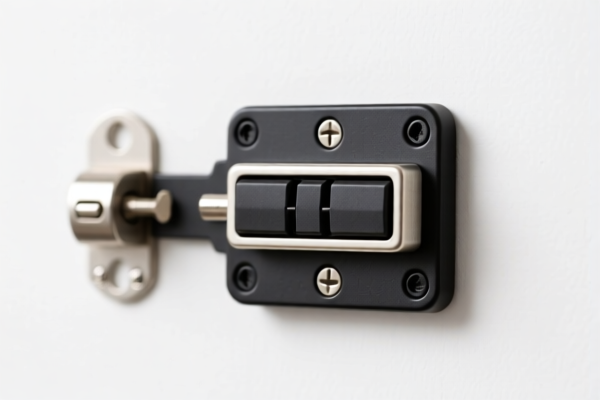
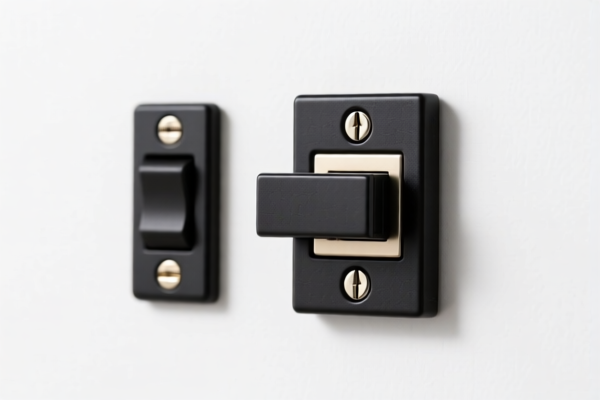
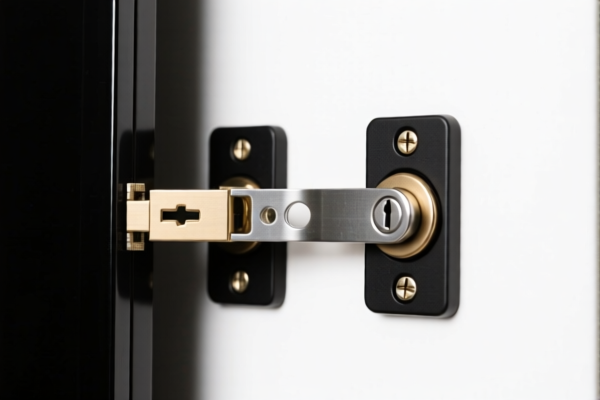
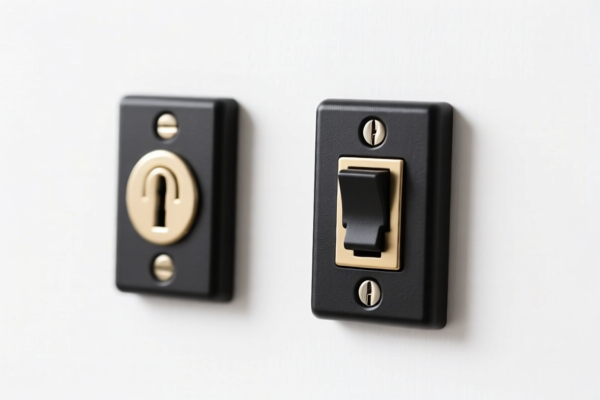
AI Analysis
🔐 Locks and Locking Devices (Security Hardware)
🌐 HS Code Reference & Customs Clearance Guide | 2026 Tariff Analysis | Strategic Entry Strategies
📌 Part 1: Product Definition & Classification Logic
Locks and locking devices are fundamental security components used in residential, commercial, and industrial settings. In international trade (specifically US Customs), classification depends heavily on material, function, and specific use case.
Based on the provided data, there is a significant divergence in tariff rates depending on whether the lock is classified as a "general-purpose lock" (Chapter 8301) or a "base metal fitting/accessory" (Chapter 8302 or 7326).
⚠️ Critical Distinction Point:
- Chapter 8301: Specifically for "Locks" (padlocks, lever locks, etc.). Generally lower base duties but subject to specific surcharges.
- Chapter 8302/7326: Classified as "Base Metal Fittings" or "Articles of Iron/Steel." Often carry higher total tariffs due to specific steel/aluminum surcharges.
- Material Inference: The data assumes locks are made of "Base Metal" (Non-Precious) for most categories, which is standard for padlocks and door locks.
📦 Part 2: HS Code Classification Details (Based on Provided Data)
The following table breaks down the 6 HS Codes provided in the dataset, summarizing the logic, total tax rate, and breakdown.
| HS Code | Product Description / Logic | Total Tax Rate | Tax Breakdown Details |
|---|---|---|---|
| 8301.10.60.80 | Padlocks: Classified under general locks. Inferred material: Base Metal. Fits the "basket" (catch-all) rule for locks. | 23.6% | Base: 6.1% Section 301: 7.5% Section 122: 10% |
| 8302.41.90.45 | Building Fittings: Locks viewed as architectural hardware/accessories. Material: Base Metal. No conflict with building accessory rules. | 38.5% | Base: 3.5% Section 301: 25.0% Section 122: 10% |
| 8301.10.50.00 | Padlocks (Standard): Consistent with padlock use. Material: Base Metal. No classification conflict. | 13.6% | Base: 3.6% Section 301: 0.0% Section 122: 10% |
| 8302.41.60.45 | Metal Fittings (Doors/Windows): Locks inferred as metal accessories for doors/windows. Includes specific steel/aluminum surcharge. | 88.9% | Base: 3.9% Section 301: 25.0% Section 122: 10% Steel/Al/Cu Surcharge: 50% |
| 7326.90.86.88 | Iron/Steel Articles: Locks inferred as iron/steel制品 (products). Falls under "Other articles of iron or steel." | 87.9% | Base: 2.9% Section 301: 25.0% Section 122: 10% Steel/Al/Cu Surcharge: 50% |
| 7326.90.86.76 | Iron/Steel Articles: Other iron or steel products. No conflict. | 87.9% | Base: 2.9% Section 301: 25.0% Section 122: 10% Steel/Al/Cu Surcharge: 50% |
🔍 Key Insight:
- Cheapest Option:8301.10.50.00at 13.6% (Low base, no Section 301).
- Most Expensive Option:8302.41.60.45and7326.90.86.88/76at ~88% (Due to the additional 50% steel/aluminum surcharge).
- Mid-Range Options:8301.10.60.80(23.6%) and8302.41.90.45(38.5%).
💰 Part 3: 2026 Latest Tariff Rate Breakdown
✅ Applicable Country: United States (US)
✅ Origin: China (CN) (Implied by Section 301 & 122 mentions)
✅ Effective Time: Current policies including Section 301, 232 (Steel/Aluminum), and Section 122.
🎯 1. 8301.10.50.00 – Padlocks (Lowest Tax)
| Item | Detail |
|---|---|
| Base Duty | 3.6% |
| Section 301 Duty | 0.0% (No additional 301 tariff in this specific line based on data) |
| Section 122 Duty | 10% |
| Total Rate | 13.6% |
| Calculation | CIF Value × 13.6% |
| De Minimis Exemption? | ❌ No (Subject to all tariffs) |
📌 Explanation:
- This code offers the lowest total tax burden among the provided options.
- The absence of a Section 301 rate (7.5% or 25%) makes it highly competitive.
- Risk: Ensure the product clearly fits "Padlocks" to avoid reclassification.
🎯 2. 8301.10.60.80 – General Locks (Padlock Category)
| Item | Detail |
|---|---|
| Base Duty | 6.1% |
| Section 301 Duty | 7.5% |
| Section 122 Duty | 10% |
| Total Rate | 23.6% |
| Calculation | CIF Value × 23.6% |
| De Minimis Exemption? | ❌ No |
📌 Explanation:
- Slightly higher base duty than8301.10.50.00but still moderate.
- Subject to a 7.5% Section 301 surcharge.
- Ideal for general-purpose padlocks where8301.10.50.00is not applicable.
🎯 3. 8302.41.90.45 – Building Fittings (Architectural Hardware)
| Item | Detail |
|---|---|
| Base Duty | 3.5% |
| Section 301 Duty | 25.0% |
| Section 122 Duty | 10% |
| Total Rate | 38.5% |
| Calculation | CIF Value × 38.5% |
| De Minimis Exemption? | ❌ No |
📌 Explanation:
- If Customs views your lock as "building hardware" rather than a "lock," you fall into this higher bracket.
- The 25% Section 301 rate is the standard for most Chinese goods under 301.
🎯 4. 8302.41.60.45, 7326.90.86.88, 7326.90.86.76 – High-Tariff Fittings/Articles
| Item | Detail |
|---|---|
| Base Duty | 2.9% - 3.9% |
| Section 301 Duty | 25.0% |
| Section 122 Duty | 10% |
| Steel/Al/Cu Surcharge | 50% |
| Total Rate | 87.9% - 88.9% |
| Calculation | CIF Value × ~88% |
| De Minimis Exemption? | ❌ No |
📌 Explanation:
- CRITICAL WARNING: These codes carry a 50% additional surcharge for steel, aluminum, or copper products (Section 232/Trade Act).
- Since most locks are made of steel, this applies unless the lock is primarily made of non-steel base metals (e.g., brass, zinc alloy) and classified under specific non-steel fitting codes.
- Avoid these codes if possible due to the prohibitive 88%+ tax rate.
🛠️ Part 4: Customs Clearance Practical Advice
✅ 1. Recommended HS Code Strategy
| Goal | Recommended HS Code | Total Tax | Reason |
|---|---|---|---|
| Lowest Cost | 8301.10.50.00 |
13.6% | Lowest base + No 301 + Only 10% Sec 122 |
| Standard Padlocks | 8301.10.60.80 |
23.6% | Safe general padlock classification |
| Building Hardware | 8302.41.90.45 |
38.5% | Only if explicitly marketed as "architectural fitting" |
| Avoid | 7326... or 8302.41.60... |
~88% | Avoid due to 50% Steel/Al surcharge |
✅ 2. Documentation Checklist
| Document | Required? | Purpose |
|---|---|---|
| Product Spec Sheet | ✔️ | Must specify material (e.g., "Zinc Alloy," "Steel," "Brass") to defend against steel surcharges. |
| Material Declaration | ✔️ | Critical! If the lock is not primarily steel/iron/aluminum, you may qualify for lower rates or avoid the 50% surcharge. |
| Commercial Invoice | ✔️ | Clearly state "Locks for Security Use" not "Steel Articles." |
| Photos | ✔️ | Show the lock mechanism, branding, and material finish. |
| List of Components | ✔️ | Separate keys, screws, and batteries (if electronic) if applicable. |
✅ 3. Critical Customs Tips (Pitfall Avoidance)
🔥 "Material Matters, Function Defines!"
| Scenario | Correct Action | Incorrect Action | Consequence |
|---|---|---|---|
| Steel Lock | Classify under 8301 if possible. If forced to 8302/7326, expect ~88% tax. |
Misdeclare as "Plastic Lock" | Fraud penalty, seizure, 301/232 penalties. |
| Brass/Aluminum Lock | Provide material certificate. May avoid 50% Steel Surcharge if classified correctly. | Claim as "General Lock" without material proof | Customs may apply steel surcharge by default. |
| Electronic Locks | Check if 8301 covers electronic locks. Some e-locks may fall under 8531 or 8543. |
Assume all locks are 8301 |
Potential reclassification and tax adjustment. |
| Packaging | Do not separate locks from accessories (keys, batteries) if they are part of the same retail unit. | Split shipment | Higher duty on accessories if misclassified. |
✅ 4. Special Case: Section 122 & Section 301
- Section 122 (10%): Applies to most Chinese goods. Non-negotiable for most lock shipments from China.
- Section 301:
8301.10.50.00: 0% (Unusual, verify latest USITC database).8301.10.60.80: 7.5%.- Others: 25%.
- Strategy: Use the Exclusion Process if your specific HS code is eligible for a 301 exclusion. Check the USITC Exclusion Database regularly.
🌍 Part 5: Global Market Comparison (Quick Reference)
| Market | Typical HS Code | Est. Duty (China Origin) | Key Certification |
|---|---|---|---|
| 🇺🇸 USA | 8301.10.50.00 |
13.6% (Best Case) | N/A (Security standards vary) |
| 🇨🇳 China (Import) | 8301.10.00.00 |
~6-10% + VAT | CCC (if electronic) |
| 🇪🇺 EU | 8301.10.00.00 |
~0-4% | CE (if electronic) |
| 🇬🇧 UK | 8301.10.00.00 |
~0-4% | UKCA (if electronic) |
| 🇨🇦 Canada | 8301.10.00.00 |
~0-5% | N/A |
📌 Note: The US has the most complex tariff structure due to Section 301 and 232. Always prioritize
8301classification to avoid the 50% steel surcharge found in7326/8302subheadings.
📌 Part 6: Common Mistakes & Pro Tips
❌ Mistake 1: Assuming all "Metal Locks" are subject to the 50% Steel Surcharge.
👉 Fix: If your lock is made of Brass, Zinc Alloy, or Plastic-coated steel, ensure your material declaration is explicit. The 50% surcharge often targets "Steel Articles." If the lock is not primarily steel, argue for a lower duty code.
❌ Mistake 2: Using 7326 (Other Articles of Iron/Steel) for standard locks.
👉 Fix: Chapter 8301 is specific for locks. Chapter 7326 is a generic basket. Specificity wins in customs classification. Always use 8301 first.
❌ Mistake 3: Ignoring Section 122.
👉 Fix: Remember that 10% is added to nearly all Chinese goods under Section 122. Budget for this in your landed cost calculations.
✅ Pro Tip:
Apply for an Advance Ruling from US Customs and Border Protection (CBP).
Submit your product specs, photos, and proposed HS Code (8301.10.50.00or8301.10.60.80) for a binding decision. This protects you from retroactive tax assessments.
🎯 Part 7: Conclusion & Action Plan
🎯 Summary:
- Best Rate: 8301.10.50.00 (13.6%)
- Standard Rate: 8301.10.60.80 (23.6%)
- Avoid: 7326 and 8302.41.60 (~88%) due to steel surcharges.
🚀 Immediate Action Steps:
1. Verify Material: Confirm if your locks are steel, brass, or zinc.
2. Select Code: Prefer 8301.10.50.00 or 8301.10.60.80.
3. Declare Accurately: "Padlocks, Zinc Alloy, for Door Security."
4. Check Exclusions: Look for Section 301 exclusions for your specific HS code.
5. Consult Broker: Share this data with your customs broker to validate the final HTSUS code.
✨ Precise Classification Saves Money!
💼 Don't let a 50% surcharge wipe out your profit margin.
📞 Contact a licensed customs broker today for a pre-shipment review.
Customer Reviews
About HS Code Classification
The Harmonized System (HS) is an internationally standardized nomenclature developed by the World Customs Organization (WCO) to classify traded products. Over 200 countries use the HS system as the basis for customs tariffs, trade statistics, and import/export regulations.
Each HS code follows a hierarchical structure:
- Chapter (2 digits) — Broad category of goods (e.g., Chapter 84: Machinery and Mechanical Appliances)
- Heading (4 digits) — More specific grouping within the chapter
- Subheading (6 digits) — Internationally standardized breakdown, used by all WCO member countries
- National subdivisions (8-10 digits) — Country-specific extensions for further classification, such as US HTSUS 10-digit codes
Correct HS code classification is essential for smooth customs clearance, accurate duty payment, and compliance with trade regulations. Misclassification can lead to customs delays, overpayment of duties, or penalties.
When importing from CN to US, the applicable tariff rates may include:
- Most-Favored-Nation (MFN) rate — The standard duty rate applied to WTO members
- General rate — Applied to countries without trade agreements
- Trade remedy duties — Additional tariffs such as Section 301 (anti-dumping), Section 232 (national security), or countervailing duties
The information provided on this page is for reference purposes only. For official classification, please consult with your local customs authority or a licensed customs broker.