Locks and Locking Mechanisms
CN → US| HS Code | Tariff Rate | Origin | Destination | Doc |
|---|---|---|---|---|
| 8301406060 | 23.2% | CN | US | Official Doc |
| 8531100045 | 36.3% | CN | US | Official Doc |
| 8531100035 | 36.3% | CN | US | Official Doc |
| 8302416045 | 88.9% | CN | US | Official Doc |
Product Images
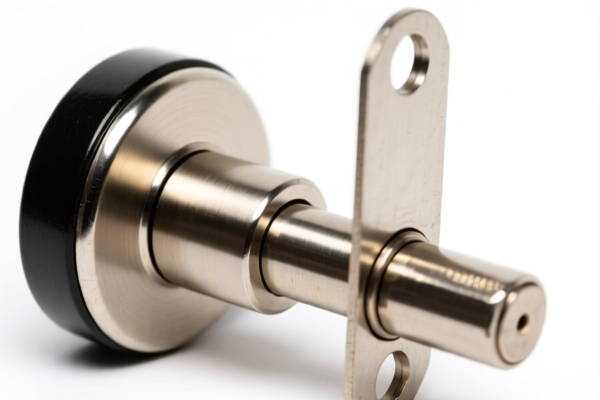
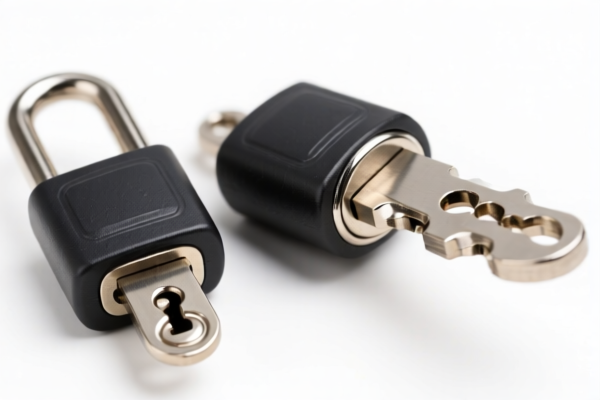
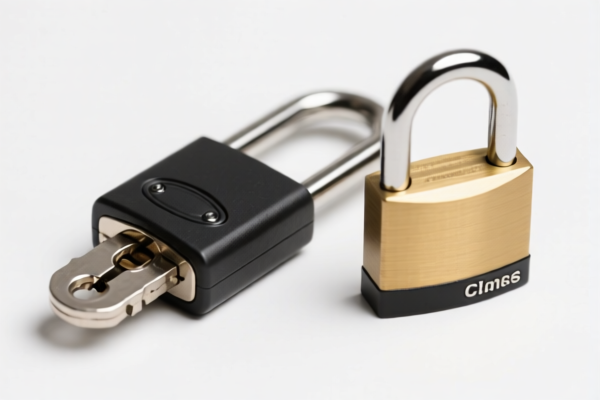
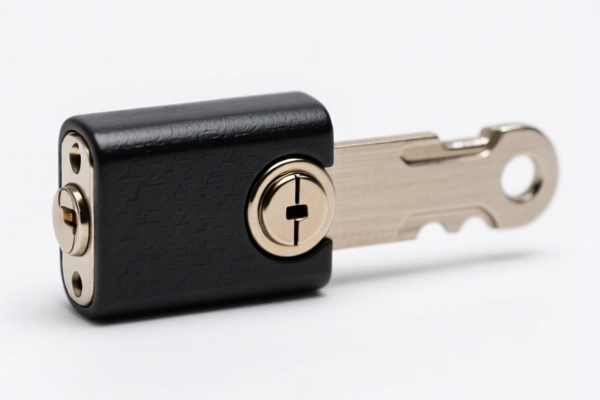
AI Analysis
🔐 Locks & Locking Mechanisms: The Ultimate Guide to HS Code Classification, Tariffs & Clearance
🌐 HS Code Reference & Clearance Guide | 2026 Latest Tariff Analysis | Professional Strategy
📌 I. Product Definition & Classification: What Exactly Are "Locks"?
"Locks and Locking Mechanisms" is a broad category in international trade, covering everything from simple key-operated locks to complex electronic security systems. In customs classification, the distinction is critical: Is it a mechanical lock? Or is it an electronic signal device? This difference alone can shift your tariff burden from 23.2% to a staggering 88.9%.
Two Main Categories: 1. Mechanical Locks (Chapter 83): Traditional keys, cylinders, padlocks, and hardware for doors/windows. 2. Electronic Security Devices (Chapter 85): Smart locks, access control systems, alarm-triggered locking mechanisms, and devices that function as "signal devices" for security.
⚠️ Key Distinction Point: - If the device’s primary function is mechanical retention of a door/window → Chapter 83. - If the device triggers an alarm, uses electric signals for security, or is classified under "signal apparatus" → Chapter 85. - If it is a metal fitting for building construction (e.g., hinges, brackets with locking features) → Chapter 83 (2) but potentially higher tariffs due to material-specific rules.
📦 II. HS Code Classification Details (2026 Latest Authority)
Based on the provided data, here are the four specific classifications for "Locks and Locking Mechanisms" and why they apply:
| HS Code | Product Description | Classification Logic | Primary Use Case |
|--------|--------------------------|--------------------------|
| 8301.40.60.60 | Other Locks (Non-electric) | Categorized as "Other locks" made of base metals. It fits the general scope of locking devices without complex electronic signaling. | Standard key locks, padlocks, cylinder locks for doors/furniture. |
| 8531.10.00.45 | Dial-up or Intrusion Alarms | Classified under "Theft, fire or similar alarms and signaling apparatus." The locking mechanism is part of an alarm system or is considered a "similar signaling device." | Smart locks integrated with intrusion detection; electronic bolts that trigger alarms. |
| 8531.10.00.35 | Electric/Acoustic/Vision Signal Apparatus | Categorized as "防盗/安全保护类的电声或视觉信号装置" (Electric/acoustic or visual signal devices for anti-theft/security protection). Includes devices with alarm functions. | Access control systems with audible/visual alerts; electronic locks that beep or flash. |
| 8302.41.60.45 | Base Metal Fittings for Buildings | Classified as "Metal fittings for buildings, doors, windows, etc." Composed of metal parts used for architectural security. | Heavy-duty commercial door locks, architectural hardware, metal brackets with locking functions. |
🔍 Critical Warning: - Misclassification Risk: Declaring an electronic smart lock as a simple mechanical lock (
8301) to avoid high tariffs is risky. If customs inspections reveal circuit boards or alarm capabilities, you may face reclassification to8531or even8302.41with much higher penalties. - Material Matters: For8302.41.60.45, the presence of Steel, Aluminum, or Copper triggers a massive 50% additional tariff on top of the base rate.
💰 III. 2026 Latest Tariff Rate Breakdown (Including Additional Taxes & Policy Surcharges)
✅ Applicable Country: United States (US)
✅ Origin: China (CN)
✅ Effective Time: 2025/2026 Import Period
🎯 1. 8301.40.60.60 —— Other Locks (Base Metal)
| Item | Content |
|---|---|
| Base Tariff | 5.7% |
| Section 301 Additional Tariff | 7.5% |
| Section 122 Tariff | 10% |
| Total Tax Rate | 23.2% |
| Tax Calculation | CIF Value × 23.2% |
| De Minimis Exemption | ❌ Not Available (High tariff rates usually deny de minimis for China-origin goods under these sections) |
| Legal Basis Path | HTSUS:8301.40.60.60 → Section 301: 7.5% → Section 122: 10% |
📌 Explanation: - This is the most favorable classification for standard mechanical locks. - "Section 122" refers to specific tariffs on certain Chinese goods. - Total burden: 23.2%. Manageable but significant.
🎯 2. 8531.10.00.45 & 8531.10.00.35 —— Alarm & Signal Devices
| Item | Content |
|---|---|
| Base Tariff | 1.3% |
| Section 301 Additional Tariff | 25.0% |
| Section 122 Tariff | 10% |
| Total Tax Rate | 36.3% |
| Tax Calculation | CIF Value × 36.3% |
| De Minimis Exemption | ❌ Not Available |
| Legal Basis Path | HTSUS:8531.10.00.xx → Section 301: 25% → Section 122: 10% |
📌 Explanation: - Why so high? Electronic security devices are often viewed as "dual-use" or high-tech imports, attracting the maximum 25% Section 301 tariff. - Total burden: 36.3%. This is 57% higher than the mechanical lock rate. - Applies to: Smart locks with app connectivity, alarms, electric strike plates with sensors.
🎯 3. 8302.41.60.45 —— Base Metal Fittings for Buildings (THE DANGER ZONE)
| Item | Content |
|---|---|
| Base Tariff | 3.9% |
| Section 301 Additional Tariff | 25.0% |
| Section 122 Tariff | 10% |
| Steel/Aluminum/Copper Surcharge | +50% (Additional duty on specific base metals) |
| Total Tax Rate | 88.9% |
| Tax Calculation | CIF Value × 88.9% |
| De Minimis Exemption | ❌ Not Available |
| Legal Basis Path | HTSUS:8302.41.60.45 → Section 301: 25% → Section 122: 10% → Metal Surcharge: 50% |
📌 Explanation: - This is the worst-case scenario. - The 50% surcharge is applied specifically to imports of Steel, Aluminum, or Copper articles under this heading. - If your lock hardware contains significant steel/aluminum/copper components and is classified as "building fitting," the tax skyrockets. - Total burden: 88.9%. This often makes importing this specific classification commercially unviable unless value-added significantly exceeds cost.
🛠️ IV. Clearance Practical Advice (Real-World Pitfall Avoidance)
✅ 1. Documentation Checklist (Non-Negotiable)
| Document | Mandatory? | Purpose |
|---|---|---|
| ✅ Product Specification Sheet | ✔️ | Must detail: Mechanism type (key/fob/app), materials (steel/aluminum/plastic), power source. |
| ✅ Circuit Board Photos / Schematics | ✔️ | Critical. Proves if the device is "electronic" (8531) or purely "mechanical" (8301). |
| ✅ Product Photos (with Label) | ✔️ | Shows brand, model, voltage, and "Made in China" label. |
| ✅ Commercial Invoice | ✔️ | Must clearly describe the item as "Mechanical Lock" OR "Electronic Access Control System" – never generic "Lock". |
| ✅ Bill of Lading | ✔️ | Match description with Invoice exactly. |
| ✅ Certificate of Origin | ✔️ | Required for tariff verification. |
✅ 2. Declaration Strategy (Key Mantras)
🔥 "Mechanical is Key, Electronic is Alarm, Building Fit is Metal Trap!"
| Scenario | Correct Declaration | Wrong Declaration | Consequence |
|---|---|---|---|
| Standard Padlock / Door Key Lock | 8301.40.60.60 |
"Electronic Lock" | Under-declared tax → Penalty + Back taxes |
| Smart Lock with App/Alarms | 8531.10.00.35 or .45 |
"Mechanical Lock" | Over-declared complexity? No, but risk of reclassification if electronics not visible. |
| Heavy-Duty Door Hardware (Steel) | 8302.41.60.45 |
"Lock" | 88.9% Tax! Avoid this classification if possible by emphasizing locking function over building fitting. |
✅ 3. Special Case Handling
| Situation | Handling Advice |
|---|---|
| Hybrid Devices | If a lock has a key BUT also an electric strike, declare as 8531. It is safer to pay 36.3% than risk 88.9% or penalty for misclassification. |
| Material Composition | For 8302, if the product is Stainless Steel or Brass, check if the 50% surcharge applies. Some alloys may be exempt, but "Steel/Aluminum/Copper" is strictly defined. |
| OEM Customization | Provide custom design files. If the product is unique, it may fall under "Other" categories, potentially allowing for better interpretation. |
| Pre-Ruling | Strongly Recommended. Apply for an Binding Tariff Information (BTI) or Advance Ruling from US Customs (CBP) if the product is complex. |
🌍 V. Global Market Clearance Comparison (2026)
| Country/Region | Recommended HS Code | Tariff (China Origin) | Key Certification | Notes |
|---|---|---|---|---|
| 🇺🇸 USA | 8301.40.60.60 (Mech) / 8531 (Elec) |
23.2% (Mech) / 36.3% (Elec) / 88.9% (Building) | No specific CBP cert, but accurate docs vital. | High Risk Zone due to Section 301 & 122. |
| 🇨🇳 China | 8301 |
5-10% | CCC (if electronic) | Lower tariffs, but domestic competition fierce. |
| 🇪🇺 EU | 8301 |
0-4.5% | CE / RoHS | Generally favorable. No "Section 301" equivalent. |
| 🇬🇧 UK | 8301 |
0-4.5% | UKCA | Post-Brexit rules align closely with EU for hardware. |
| 🇦🇺 Australia | 8301 |
5% | RCM (if electronic) | Moderate tariffs. |
📌 Conclusion: - USA is the most expensive market due to layered tariffs (Base + 301 + 122 + Metal Surcharge). - Electronics (
8531) are taxed heavily but predictably. - Building Fittings (8302) are a trap due to the 50% metal surcharge.
📌 VI. Common Mistakes & Pitfalls (Lessons Learned)
❌ Mistake 1: Calling a "Smart Lock" a "Mechanical Lock" to save 13% tax. 👉 Consequence: Customs inspection reveals circuitry. Reclassification to 8531 + Penalties.
❌ Mistake 2: Ignoring the "Building Fitting" classification for heavy door hardware.
👉 Consequence: Landing on 8302.41.60.45 → 88.9% Tax. Devastating margin loss.
❌ Mistake 3: Vague Description "Locks" on Invoice. 👉 Consequence: Customs officer uses "Most Favorable" or "Most Strict" interpretation. High chance of delay or audit.
✅ Correct Approach:
"Smart Door Lock, Model X, with Fingerprint Scanner & App Control, Battery Powered, Aluminum Alloy Body" → Declare as 8531. "Brass Cylinder Door Lock, Key Operated Only" → Declare as 8301.
🎯 VII. Conclusion: Precision is Profit!
🎯 Remember the Rules:
🔹 "No Electricity? Go 8301 (23.2%)." 🔹 "Has Alarms/App? Go 8531 (36.3%)." 🔹 "Heavy Steel Building Hardware? AVOID 8302 (88.9%)."
🔹 "HS Code Determines Life or Death of Your Margin!"
📌 Pro Tip: If your product is electronic, ensure the circuit board is visible in photos. If it is mechanical, ensure no electrical components are present. When in doubt, apply for a Pre-Ruling with US Customs. It costs a few hundred dollars but saves thousands in potential duties.
📣 Immediate Action:
📞 Consult a licensed Customs Broker. 📷 Provide detailed photos of the mechanism and electronics. 🚀 Secure your HS Code early. Don't let 88.9% tax lock your profits!
✨ Professional Clearance Starts with Accurate Classification! 💼 Every Percent Saved is Pure Profit!
Customer Reviews
About HS Code Classification
The Harmonized System (HS) is an internationally standardized nomenclature developed by the World Customs Organization (WCO) to classify traded products. Over 200 countries use the HS system as the basis for customs tariffs, trade statistics, and import/export regulations.
Each HS code follows a hierarchical structure:
- Chapter (2 digits) — Broad category of goods (e.g., Chapter 84: Machinery and Mechanical Appliances)
- Heading (4 digits) — More specific grouping within the chapter
- Subheading (6 digits) — Internationally standardized breakdown, used by all WCO member countries
- National subdivisions (8-10 digits) — Country-specific extensions for further classification, such as US HTSUS 10-digit codes
Correct HS code classification is essential for smooth customs clearance, accurate duty payment, and compliance with trade regulations. Misclassification can lead to customs delays, overpayment of duties, or penalties.
When importing from CN to US, the applicable tariff rates may include:
- Most-Favored-Nation (MFN) rate — The standard duty rate applied to WTO members
- General rate — Applied to countries without trade agreements
- Trade remedy duties — Additional tariffs such as Section 301 (anti-dumping), Section 232 (national security), or countervailing duties
The information provided on this page is for reference purposes only. For official classification, please consult with your local customs authority or a licensed customs broker.