Logs
CN → US| HS Code | Tariff Rate | Origin | Destination | Doc |
|---|---|---|---|---|
| 4403210130 | 35.0% | CN | US | Official Doc |
| 4403260164 | 35.0% | CN | US | Official Doc |
| 4820104000 | 35.0% | CN | US | Official Doc |
| 4820102060 | 35.0% | CN | US | Official Doc |
Product Images
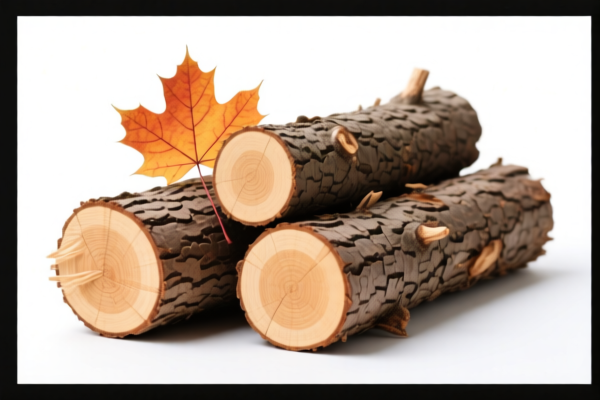
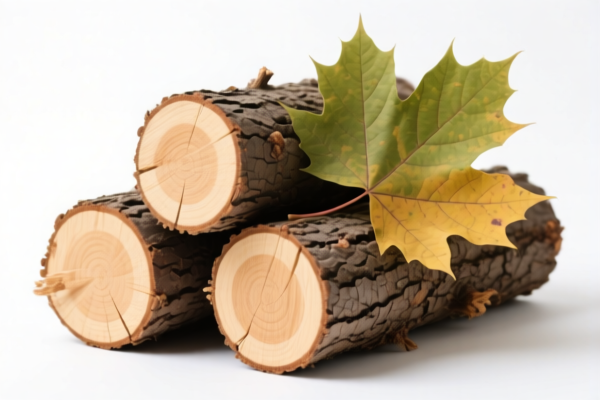
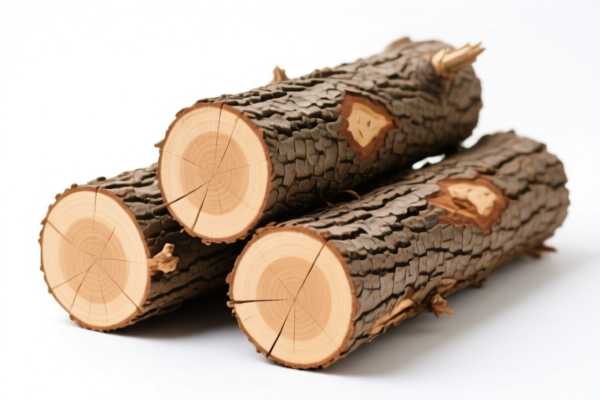
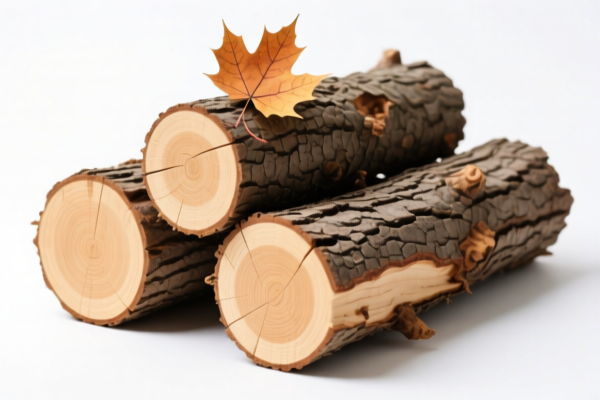
AI Analysis
🌲 Logs (Wood in the Rough) – US Customs Classification & Tax Guide
🌐 HS Code Reference & Clearance Guide | 2026 Latest Tariff Analysis | Professional Entry Strategy
📌 I. Product Definition & Classification: Do You Really Understand "Logs"?
Logs, in the context of international trade and US Customs (CBP), refer to wood in the rough. This includes wood that has been stripped of bark or sapwood, or roughly squared, but has not undergone significant processing (such as sawing into timber, planing, or turning into veneer).
In this dataset, two distinct categories are identified based on species and dimension:
1. Coniferous Logs (Pine): Specifically from Pinus spp. with a smallest cross-sectional dimension of 15 cm or more.
2. Coniferous Logs (Other): Other coniferous species (non-pine) or pine logs smaller than 15 cm (though the specific code 4403.26.01.64 generally covers "Other" coniferous logs).
⚠️ Key Distinction:
- "Logs" are raw materials. They are NOT "Lumber/Timbers" (which are sawn/edge-to-edge) or "Veneer Sheets". - Species matters: Pine (Pinus spp.) is treated differently from other conifers (e.g., Spruce, Fir, Douglas Fir). - Dimension matters: For Pine, the 15 cm threshold is critical for sub-classification.
📦 II. HS Code Classification Details (2026 Latest Tariff Authority)
The provided data identifies two specific HS Codes under Chapter 44 (Wood and Articles of Wood).
| HS Code | Product Description | Applicable Scenario | Species/Dimension Criteria |
|---|---|---|---|
4403.21.01.30 |
Wood in the rough: Other, coniferous: Of pine (Pinus spp.), of which the smallest cross-sectional dimension is 15 cm or more: Logs and timber: Other | Large Pine Logs Used for structural construction, pulp, or further milling. Must be Pine. Must be ≥15cm in smallest diameter/width. |
✅ Pine (Pinus spp.) ✅ ≥15 cm smallest dimension |
4403.26.01.64 |
Wood in the rough: Other, coniferous: Other Logs and timber: Other | Other Coniferous Logs Includes Spruce, Fir, Hemlock, Larch, etc., OR Pine logs <15cm (depending on specific HTSUS nuance, but typically "Other" implies non-Pine or specific sub-category gaps). |
✅ Non-Pine Conifers OR Specific "Other" Conifer Category |
🔍 Important Reminder:
- Both codes fall under HTS 4403.21 (Coniferous) → 4403.21.01 (Logs/Timbers). - The difference lies in the species (Pine vs. Other) and potentially the dimension for Pine. - "Roughly squared" does not change the classification to "Timber/Lumber" (Chapter 44, Part B) if it remains in the rough state as defined by Note 1 to Chapter 44.
💰 III. 2026 Latest Tariff Rate Breakdown (Including Add-On Taxes)
✅ Applicable Country: United States (US)
✅ Origin: China (CN) (Assumed based on the 25% additional tax context in the data)
✅ Effective Date: Ongoing (Section 301 Tariffs)
🎯 1. 4403.21.01.30 —— Pine Logs (≥15 cm)
| Item | Content |
|---|---|
| Base Tariff Rate | 0.0% (ad valorem) |
| Additional Tariff (Section 301) | +25.0% |
| Total Tax Rate | 25.0% |
| Tax Calculation | CIF Value × 25% |
| De Minimis Exemption | ❌ Not Eligible (Wood products generally do not qualify for §321 de minimis exemptions when subject to Section 301 duties) |
| Legal Basis Path | HTS:4403.21.01.30 → USITC:Footnote 9903.44.03 (Section 301 List 4) |
📌 Explanation:
- The 0% base rate reflects the US commitment to keep raw timber imports duty-free under normal trade relations. - The 25% additional tax is imposed under Section 301 of the Trade Act of 1974 against Chinese goods. - Total Cost: You pay 25% of the landed value (CIF) as duty. No base duty, but the 301 tariff is significant.
🎯 2. 4403.26.01.64 —— Other Coniferous Logs
| Item | Content |
|---|---|
| Base Tariff Rate | 0.0% (ad valorem) |
| Additional Tariff (Section 301) | +25.0% |
| Total Tax Rate | 25.0% |
| Tax Calculation | CIF Value × 25% |
| De Minimis Exemption | ❌ Not Eligible |
| Legal Basis Path | HTS:4403.26.01.64 → USITC:Footnote 9903.44.03 (Section 301 List 4) |
📌 Explanation:
- Identical tax treatment to Pine logs in this dataset. - Whether it is Spruce, Fir, or other conifers, if it is imported from China, the 25% Section 301 duty applies.
🛠️ IV. Clearance Operational Suggestions (Practical Pitfall Avoidance Guide)
✅ 1. Required Documentation Checklist (Non-Negotiable)
| Document | Must Provide | Explanation |
|---|---|---|
| ✅ Commercial Invoice | ✔️ | Must clearly state "Logs", species (e.g., "Pine Logs"), dimensions, and country of origin. |
| ✅ Packing List | ✔️ | Detail the number of logs, total volume (board feet or cubic meters), and weight. |
| ✅ Phytosanitary Certificate | ✔️ | Critical! Required by USDA APHIS to prove the wood is free from pests/diseases. Without this, shipment will be rejected or fumigated at your cost. |
| ✅ ISPM 15 Marking | ✔️ | Wooden packaging/materials must be heat-treated or fumigated and marked with the ISPM 15 logo. |
| ✅ Bill of Lading / Air Waybill | ✔️ | Standard transport document. |
| ✅ Form 7501 (Entry Summary) | ✔️ | Filed by your customs broker. |
✅ 2. Declaration Tips (Key Mantra)
🔥 "Species First, Dimension Second, Phytosanitary Mandatory!"
| Situation | Correct Declaration | Wrong Practice |
|---|---|---|
| Pine Logs, ≥15cm | 4403.21.01.30Desc: "Pine Logs, Rough, ≥15cm Dia" |
Misdeclaring as "Timber" → Different duty? (Check specific sub-head) |
| Spruce/Fir Logs | 4403.26.01.64Desc: "Coniferous Logs (Other)" |
Calling it "Pine" → Fraud/Risk |
| Small Wood Chips | Not Logs | Declaring "Logs" for chips → Classification Error |
| Processed Lumber | Not Logs | Declaring "Logs" for sawn timber → Penalty |
✅ 3. Special Circumstances Handling
| Situation | Handling Advice |
|---|---|
| Mixed Species Container | If one container has both Pine and Spruce, you must separate them by HS Code. Do not bulk declare as "Wood". Mixed declarations lead to delays and fines. |
| Origin Fraud Risk | CBP actively investigates wood origin. Ensure your supplier provides valid Certificates of Origin. Misdeclaring Vietnam-origin wood as US-origin or vice-versa is serious. |
| End-Use Declaration | While not always changing the HS code, knowing the end use (e.g., for pulp vs. construction) helps in selecting the right description. |
| Fumigation Costs | Factor in the cost of fumigation if the Phytosanitary Certificate is missing. This can be very expensive and time-consuming. |
🌍 V. Global Market Clearance Comparison (2026 Latest)
| Country/Region | Recommended HS Code | Tariff (China Origin) | Certification Requirements | Notes |
|---|---|---|---|---|
| 🇺🇸 USA | 4403.21.01.30 / 4403.26.01.64 |
25% (Section 301) | USDA APHIS + ISPM 15 | 0% Base + 25% Add-on. Strict phytosanitary rules. |
| 🇨🇳 China | 4403.21/4403.26 | 5-10% (Variable) | Phytosanitary (Import) | Lower duty, but strict export controls from China side. |
| 🇪🇺 EU | 4403.21/4403.26 | 0-5% (depending on FTA) | EUTR (EU Timber Regulation) | No Section 301. Focus on legality/sustainability. |
| 🇨🇦 Canada | 4403.21/4403.26 | 0% (Most FTA Benefits) | CFIA Compliance | Generally lower barriers, but phytosanitary still key. |
📌 Conclusion:
- The 25% US tariff is the biggest cost driver for Chinese wood logs. - Phytosanitary compliance is the biggest operational hurdle. - Ensure your supplier is reputable and can provide clean phytosanitary certificates.
📌 VI. Common Errors & Pitfall Guide (Lessons Learned)
❌ Error 1: Declaring "Lumber" instead of "Logs" for rough wood
👉 Consequence: Misclassification → Duty difference + Potential penalty. Logs are Chapter 44 Part A; Lumber is Part B.
❌ Error 2: Ignoring the 15 cm dimension for Pine
👉 Consequence: If you declare Pine logs <15 cm under 4403.21.01.30, CBP may reclassify to 4403.26 or other sub-parts, causing audit flags.
❌ Error 3: Missing Phytosanitary Certificate
👉 Consequence: USDA Rejection. The container is held, fumigated at owner's expense, or returned. Loss of time and money.
❌ Error 4: Not marking ISPM 15 on wooden pallets/crates
👉 Consequence: Rejection of packaging material. You may have to reload goods or pay for on-site fumigation.
✅ Correct Practice:
"Pine Logs, Rough, Smallest Dimension ≥15cm, Heat Treated (ISPM 15), Origin China, CIF Value $XXX"
🎯 VII. Conclusion: Professional Declaration, Save Time & Money!
🎯 Remember the Mantra:
🔹 "Pine ≥15cm = 4403.21.01.30"
🔹 "Other Conifers = 4403.26.01.64"
🔹 "25% US Duty + Phytosanitary = Must Have"
🔹 "No Certificate = No Entry"
📌 Pro Tip:
If your wood is sourced from Vietnam, Thailand, or Malaysia, you may avoid the 25% Section 301 tariff, paying only the base rate (0% for logs).
Recommendation:
📞 Verify origin with supplier.
📋 Ensure valid Phytosanitary Certificate.
🚀 Smooth Customs Clearance for Efficient Global Trade!
✨ Professional Customs Clearance Starts with Accurate Classification!
💼 Your Every Dollar is Worth Precise Calculation!
Customer Reviews
About HS Code Classification
The Harmonized System (HS) is an internationally standardized nomenclature developed by the World Customs Organization (WCO) to classify traded products. Over 200 countries use the HS system as the basis for customs tariffs, trade statistics, and import/export regulations.
Each HS code follows a hierarchical structure:
- Chapter (2 digits) — Broad category of goods (e.g., Chapter 84: Machinery and Mechanical Appliances)
- Heading (4 digits) — More specific grouping within the chapter
- Subheading (6 digits) — Internationally standardized breakdown, used by all WCO member countries
- National subdivisions (8-10 digits) — Country-specific extensions for further classification, such as US HTSUS 10-digit codes
Correct HS code classification is essential for smooth customs clearance, accurate duty payment, and compliance with trade regulations. Misclassification can lead to customs delays, overpayment of duties, or penalties.
When importing from CN to US, the applicable tariff rates may include:
- Most-Favored-Nation (MFN) rate — The standard duty rate applied to WTO members
- General rate — Applied to countries without trade agreements
- Trade remedy duties — Additional tariffs such as Section 301 (anti-dumping), Section 232 (national security), or countervailing duties
The information provided on this page is for reference purposes only. For official classification, please consult with your local customs authority or a licensed customs broker.