Long Cotton Fiber for Paper Manufacturing
CN → US| HS Code | Tariff Rate | Origin | Destination | Doc |
|---|---|---|---|---|
| 4802626120 | 35.0% | CN | US | Official Doc |
| 5201003400 | 0.0% | CN | US | Official Doc |
| 5201002200 | 0.0% | CN | US | Official Doc |
| 5205111000 | 38.7% | CN | US | Official Doc |
Product Images
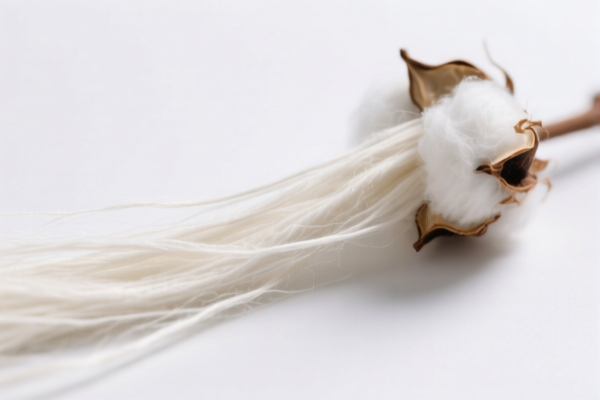
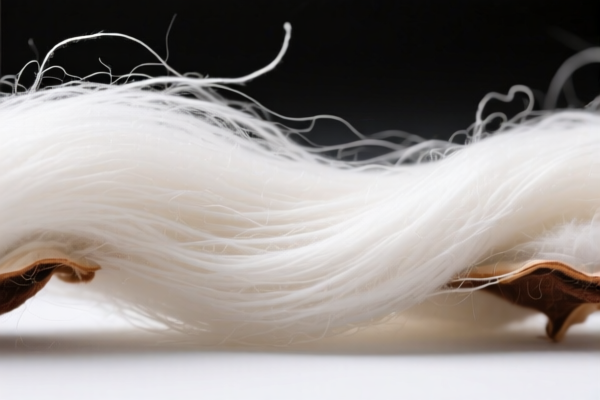
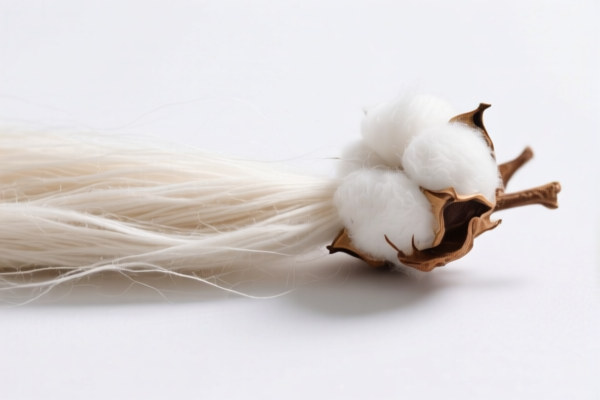
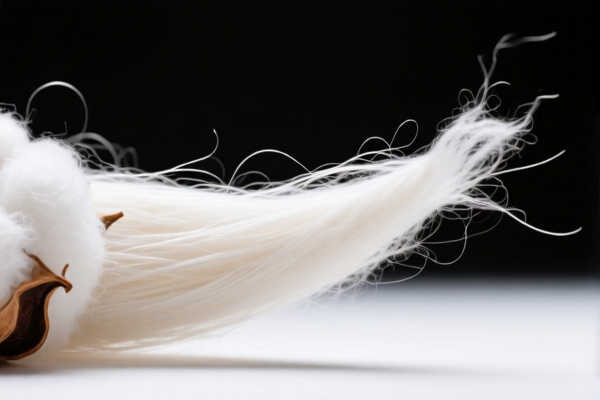
AI Analysis
🧵 Long Cotton Fiber for Paper Manufacturing
🌐 HS Code Reference & Customs Clearance Guide | 2026 Latest Tariff Analysis | Professional Clearance Strategy
📌 I. Product Definition & Classification: Do You Truly Understand "Cotton Fiber"?
Long cotton fiber, when designated for paper manufacturing, is a critical raw material in the textile and paper industries. In international trade, its classification hinges on processing state (carded/combined vs. raw) and intended use (paper vs. textile). Misclassification can lead to significant tariff differences or customs delays.
⚠️ Key Distinction Point:
- If the fiber is used primarily as a raw material for paper production and contains >25% cotton fibers meeting paper specifications → Classify under 4802.62.61.20 (Paper Category).
- If the fiber is uncarded/uncombed and treated as a raw textile material regardless of end-use → Classify under 5201.00.34.00 or 5201.00.22.00 (Cotton Raw Material Category).
- If the fiber is carded/combed or meets specific cotton content thresholds (>85%) for textile processing → Classify under 5205.11.10.00 (Processed Cotton Category).
📦 II. HS Code Classification Details (2026 Latest Tariff Authority Comparison)
| HS Code | Product Description | Application Scenario | Processing State |
|---|---|---|---|
4802.62.61.20 |
Long cotton fibers for paper manufacturing, containing >25% cotton fibers, meeting paper category attributes | Paper mills, specialty paper production | Raw fiber, paper-grade |
5201.00.34.00 |
Long cotton fibers, length 28.575–34.925 mm, uncarded/uncombed | Textile raw material trading, spinning preparation | Uncarded/Uncombed |
5201.00.22.00 |
Long cotton fibers, length 28.575–34.925 mm, raw cotton material | General cotton trading, regardless of end-use | Uncarded/Uncombed |
5205.11.10.00 |
Long fiber cotton raw material, cotton content >85%, uncarded fiber form | High-purity cotton processing, textile blending | Uncarded, high purity |
🔍 Key Reminder:
- Paper-grade classification (4802) applies only if the product is explicitly marketed/used for paper manufacturing and meets the >25% cotton fiber content threshold for paper attributes.
- Raw material classification (5201) applies to uncarded/uncombed fibers of specific lengths, regardless of end-use.
- High-purity classification (5205) applies when cotton content exceeds 85%, even if uncarded.
- Do NOT split shipments: If a single shipment contains mixed uses, classify based on the predominant use or the most specific description.
💰 III. 2026 Latest Tariff Rate Details (Including Surtaxes, Policy Add-ons)
✅ Applicable Country: United States (US)
✅ Country of Origin: China (CN)
✅ Effective Date: From November 10, 2025 (including subsequent imports)
🎯 1. 4802.62.61.20 —— Long Cotton Fibers for Paper Manufacturing
| Item | Content |
|---|---|
| Base Tariff | 0.0% (ad valorem) |
| USITC Surtax | +25.0% (from USITC Footnote 9903.88.01) |
| IEEPA Surtax | +10.0% (targeting China/HK products, from Nov 10, 2025) |
| Total Tariff Rate | 35.0% |
| Tax Calculation | CIF Value × 35% |
| De Minimis Exemption Available? | ❌ No (deny_de_minimis) |
| Legal Basis Path | IEEPA:9903.01.25 → IEEPA:9903.01.24 → USITC:4802.62.61.20 → FOOTNOTE:9903.88.01 |
📌 Explanation:
- Although the base tariff is 0%, the 35% total rate is heavily impacted by surtaxes.
- The 25% USITC surtax is applied under Section 301 of the U.S. Trade Act.
- The 10% IEEPA surtax is an additional levy under the International Emergency Economic Powers Act targeting Chinese goods.
- No de minimis exemption applies, meaning small shipments are NOT exempt from these taxes.
🎯 2. 5201.00.34.00 —— Long Cotton Fibers (Uncarded/Uncombed, Specific Length)
| Item | Content |
|---|---|
| Base Tariff | 4.4¢/kg (specific duty) |
| USITC Surtax | +25.0% (ad valorem) |
| IEEPA Surtax | +10.0% (ad valorem) |
| Total Tariff Rate | 4.4¢/kg + 35.0% |
| Tax Calculation | (Weight × 4.4¢) + (CIF Value × 35%) |
| De Minimis Exemption Available? | ❌ No (deny_de_minimis) |
| Legal Basis Path | IEEPA:9901.25 → IEEPA:9903.01.24 → USITC:5201.00.34.00 → FOOTNOTE:9903.88.01 |
📌 Note:
- This category includes fibers with a length of 28.575–34.925 mm.
- The tariff is a hybrid structure: a specific duty per kilogram PLUS ad valorem surtaxes.
- Even if the fiber is destined for paper, if it doesn’t meet the specific paper-category criteria, it falls here.
🎯 3. 5201.00.22.00 —— Long Cotton Fibers (Uncarded/Uncombed, Raw Material)
| Item | Content |
|---|---|
| Base Tariff | 4.4¢/kg (specific duty) |
| USITC Surtax | +25.0% (ad valorem) |
| IEEPA Surtax | +10.0% (ad valorem) |
| Total Tariff Rate | 4.4¢/kg + 35.0% |
| Tax Calculation | (Weight × 4.4¢) + (CIF Value × 35%) |
| De Minimis Exemption Available? | ❌ No (deny_de_minimis) |
| Legal Basis Path | IEEPA:9901.25 → IEEPA:9903.01.24 → USITC:5201.00.22.00 → FOOTNOTE:9903.88.01 |
📌 Note:
- Similar to5201.00.34.00, but applies to general raw cotton fibers without strict length restrictions in the summary.
- End-use does not change the classification: Even if used for paper, if it’s uncarded/uncombed, it’s classified under 5201.
🎯 4. 5205.11.10.00 —— High-Purity Long Cotton Fiber (>85%)
| Item | Content |
|---|---|
| Base Tariff | 3.7% (ad valorem) |
| USITC Surtax | +25.0% (ad valorem) |
| IEEPA Surtax | +10.0% (ad valorem) |
| Total Tariff Rate | 38.7% |
| Tax Calculation | CIF Value × 38.7% |
| De Minimis Exemption Available? | ❌ No (deny_de_minimis) |
| Legal Basis Path | IEEPA:9901.25 → IEEPA:9903.01.24 → USITC:5205.11.10.00 → FOOTNOTE:9903.88.01 |
📌 Note:
- Applies to cotton fibers with >85% cotton content, regardless of whether they are carded or uncarded (though the summary notes "uncarded fiber form").
- This is the highest total tariff rate (38.7%) among the four options due to the higher base tariff.
- Suitable for high-quality textile applications or premium paper grades requiring high purity.
🛠️ IV. Customs Clearance Practical Advice (Real-World Pitfall Avoidance)
✅ 1. Required Documentation Checklist (None Can Be Missing)
| Document | Must Provide | Explanation |
|---|---|---|
| ✅ Product Specification Sheet | ✔️ | Include fiber length, cotton content %, processing state (carded/uncarded) |
| ✅ Certificate of Origin (CO) | ✔️ | Essential for origin determination; if not CN, check for exemptions |
| ✅ Commercial Invoice | ✔️ | Clearly state "Long Cotton Fiber for Paper Manufacturing" or "Raw Cotton Fiber" |
| ✅ Packing List | ✔️ | Detail net/gross weight to calculate specific duties (4.4¢/kg) |
| ✅ Third-Party Test Report | ✔️ | Proof of cotton content (>25% or >85%) and fiber length |
| ✅ End-Use Declaration | ✔️ | Specify if for paper manufacturing or textile processing |
✅ 2. Declaration Tips (Key Mantra)
🔥 "Classify by State, Not Just Use! Uncarded is 5201, Paper-Specific is 4802!"
| Scenario | Correct Declaration | Incorrect Practice |
|---|---|---|
| Fiber explicitly for paper, >25% cotton, meets paper specs | 4802.62.61.20 |
Misdeclaring as raw cotton → 35% vs 35% (but risk of inspection) |
| Uncarded fibers, length 28.575–34.925 mm | 5201.00.34.00 |
Misdeclaring as paper fiber → Potential penalty for misclassification |
| General uncarded cotton, no specific length | 5201.00.22.00 |
Misdeclaring as processed cotton → Higher tariff risk |
| High-purity cotton (>85%), uncarded | 5205.11.10.00 |
Misdeclaring as raw cotton → Lower base rate, but still high surtax |
✅ 3. Special Case Handling
| Scenario | Handling Advice |
|---|---|
| Mixed Purpose Shipment | Declare the predominant use. If unclear, choose the most specific HS code (e.g., if 90% for paper, use 4802). |
| Fiber Length Dispute | Provide lab test results proving length falls within 28.575–34.925 mm for 5201 classification. |
| Cotton Content Dispute | Provide third-party test reports confirming >25% or >85% cotton content. |
| OEM Custom Fibers | Provide customer contracts and design specs to prove intended use. |
🌍 V. Global Market Customs Clearance Comparison (2026 Latest)
| Country/Region | Recommended HS Code | Tariff | Certification Requirements | Notes |
|---|---|---|---|---|
| 🇺🇸 USA | 4802.62.61.20 or 5201.xxxx |
35%~38.7% | None specific | High surtaxes apply; no de minimis |
| 🇨🇳 China | 4802.62.61.20 or 5201.xxxx |
0%~5% | None | Lower base rates; no surtaxes |
| 🇪🇺 EU | 4802.62.61.20 or 5201.xxxx |
0%~8% | REACH Compliance | No US-style surtaxes |
| 🇦🇺 Australia | 4802.62.61.20 or 5201.xxxx |
5% | None | Moderate tariffs |
| 🇯🇵 Japan | 4802.62.61.20 or 5201.xxxx |
0%~5% | JIS Standards | Low tariffs |
📌 Conclusion:
- The USA imposes the highest effective tariffs due to surtaxes.
- Non-US markets offer significantly lower costs; consider supply chain diversification if shipping to the US is cost-prohibitive.
- China and EU have minimal surtaxes, making them more attractive for high-volume cotton fiber imports.
📌 VI. Common Mistakes & Pitfall Avoidance (Lessons from Blood and Tears)
❌ Mistake 1: Declaring uncarded cotton as "paper fiber" without meeting >25% paper-specific criteria
👉 Consequence: Customs inspection, delay, potential penalty for misclassification.
❌ Mistake 2: Ignoring the specific duty (4.4¢/kg) for 5201 codes
👉 Consequence: Underpayment of taxes → Back taxes + interest.
❌ Mistake 3: Assuming de minimis exemption applies to small shipments
👉 Consequence: No exemption! All shipments are taxed at 35%+.
❌ Mistake 4: Not providing proof of cotton content
👉 Consequence: Customs may reclassify to a higher tariff code (e.g., 5205 at 38.7% instead of 4802 at 35%).
✅ Correct Approach:
"Long Cotton Fiber, Uncarded, Length 30mm, Cotton Content 90%, Intended for Paper Manufacturing, HS 5201.00.34.00 (if uncarded/raw) or 4802.62.61.20 (if paper-specific)."
🎯 VII. Conclusion: Professional Declaration Saves Money!
🎯 Remember the Mantra:
🔹 "Uncarded is 5201, Paper-Specific is 4802!"
🔹 "Base Rate + 35% Surtax = Final Cost!"
🔹 "No De Minimis for Cotton Fiber!"
📌 Pro Tip:
If your cotton fiber is sourced from Vietnam, Mexico, or Thailand, you may be eligible for IEEPA Exemptions, reducing tariffs to 0%~5%.
Recommendation: Apply for an Advance Ruling before shipment to confirm the correct HS code and avoid penalties.
📣 Take Action Now:
📞 Contact a Professional Customs Broker + Provide Product Specs + Apply for HS Code Advance Ruling
🚀 Ensure Smooth Clearance, Efficient Export, and Maximized Profit!
✨ Professional Clearance Starts with Accurate Classification!
💼 Every Cent of Cost Deserves Precise Calculation!
Customer Reviews
About HS Code Classification
The Harmonized System (HS) is an internationally standardized nomenclature developed by the World Customs Organization (WCO) to classify traded products. Over 200 countries use the HS system as the basis for customs tariffs, trade statistics, and import/export regulations.
Each HS code follows a hierarchical structure:
- Chapter (2 digits) — Broad category of goods (e.g., Chapter 84: Machinery and Mechanical Appliances)
- Heading (4 digits) — More specific grouping within the chapter
- Subheading (6 digits) — Internationally standardized breakdown, used by all WCO member countries
- National subdivisions (8-10 digits) — Country-specific extensions for further classification, such as US HTSUS 10-digit codes
Correct HS code classification is essential for smooth customs clearance, accurate duty payment, and compliance with trade regulations. Misclassification can lead to customs delays, overpayment of duties, or penalties.
When importing from CN to US, the applicable tariff rates may include:
- Most-Favored-Nation (MFN) rate — The standard duty rate applied to WTO members
- General rate — Applied to countries without trade agreements
- Trade remedy duties — Additional tariffs such as Section 301 (anti-dumping), Section 232 (national security), or countervailing duties
The information provided on this page is for reference purposes only. For official classification, please consult with your local customs authority or a licensed customs broker.