Long Cotton Fiber for Papermaking
CN → US| HS Code | Tariff Rate | Origin | Destination | Doc |
|---|---|---|---|---|
| 4802626120 | 35.0% | CN | US | Official Doc |
| 5201003400 | 0.0% | CN | US | Official Doc |
| 5201002200 | 0.0% | CN | US | Official Doc |
| 5205111000 | 38.7% | CN | US | Official Doc |
Product Images
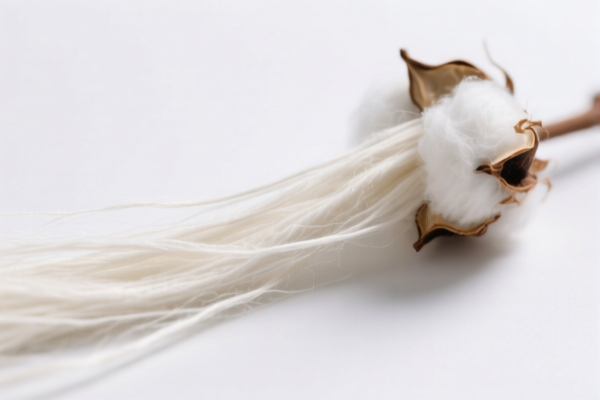
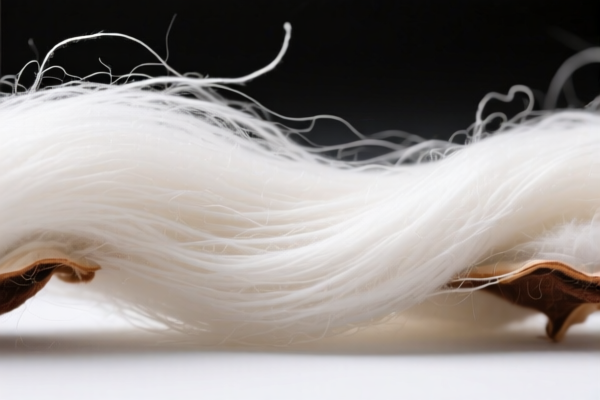
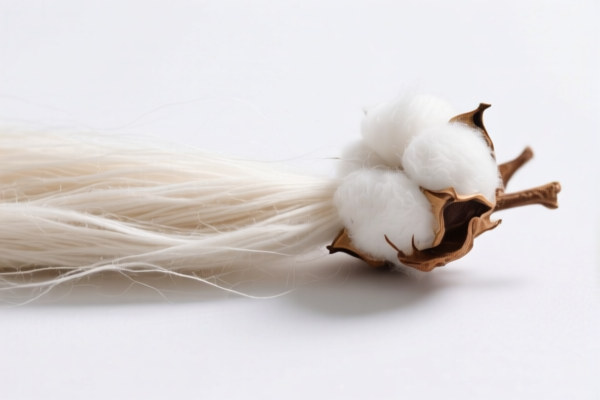
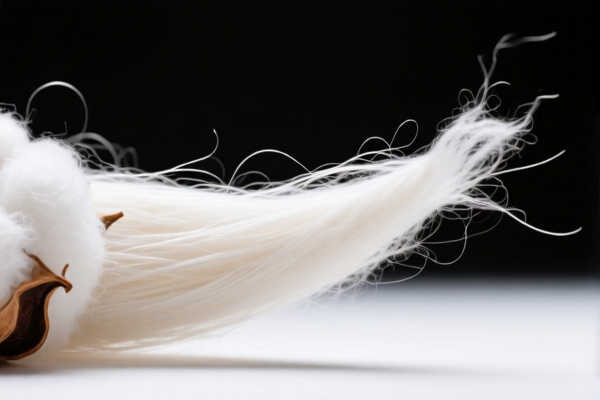
AI Analysis
🧶 Long Cotton Fiber for Papermaking (长棉纤维用于纸张制造)
🌐 HS Code Reference & Clearance Guide | 2026 Latest Tariff Analysis | Professional Entry Strategy
📌 I. Product Definition & Classification: What Exactly is "Long Cotton Fiber"?
Long cotton fiber is a raw material with multiple potential destinations in international trade. Depending on its processing state (raw vs. processed), physical characteristics (fiber length), and intended final use (papermaking vs. textile spinning), it falls under different Harmonized System (HS) codes.
In international trade, this product is primarily categorized into two main branches:
1. Textile Raw Materials (Cotton Fibers):
Raw or semi-processed cotton fibers intended for spinning into yarn or thread. Key factors here are fiber length and processing status (carded/combed vs. uncarded/uncombed).
2. Papermaking Materials (Pulp/Paper-Related):
Cotton fibers processed or blended specifically for the paper industry, often defined by high cotton content (>25%) and intended for pulp/paper manufacture.
⚠️ Critical Distinction Point:
- If the fiber is raw/unprocessed and defined by its length (e.g., 28.5–34.9mm) → Classified as Textile Raw Material (Chapter 52).
- If the fiber is identified by its composition for papermaking (>25% cotton, used for paper) → Classified as Paper/Pulp Product (Chapter 48).
📦 II. HS Code Classification Details (2026 Latest Tariff Authority Mapping)
| HS Code | Product Description | Applicable Scenario | Key Attribute |
|---|---|---|---|
4802.62.61.20 |
Long cotton fiber for papermaking; contains >25% cotton fiber, consistent with paper-type attributes | Used as a specialty additive or main component in high-quality paper manufacturing | ✅ Paper/Pulp Category |
5201.00.34.00 |
Long cotton fiber, length 28.575–34.925 mm, carded or combed cotton fibers | Raw cotton fiber with specific length range, ready for spinning | ✅ Textile Raw Material |
5201.00.22.00 |
Long cotton fiber, length 28.575–34.925 mm,的本质属性 as cotton fiber raw material | Uncarded/uncombed long-staple cotton, primary raw material for textiles | ✅ Textile Raw Material |
5205.11.10.00 |
Long fiber cotton raw material, cotton content >85%, uncarded/uncombed fiber | High-purity cotton fibers (>85% cotton), unprocessed, for textile spinning | ✅ Textile Raw Material |
🔍 Key Reminder:
- Papermaking Use: If the commercial intent and product specification clearly state it is for paper production, and it contains >25% cotton, it may be classified under 4802.62.61.20.
- Textile Use: If the product is defined by fiber length (28.5–34.9mm) and is in its natural, unprocessed state, it belongs to Chapter 52 (Textiles).
- Cotton Content Matters: HS codes like5205.11.10.00require >85% cotton content, whereas4802.62.61.20only requires >25%.
💰 III. 2026 Latest Tariff Rate Details (Including Surtaxes & Policy Additions)
✅ Applicable Country: United States (US)
✅ Country of Origin: China (CN)
✅ Effective Date: From November 10, 2025 (including subsequent imports)
🎯 1. 4802.62.61.20 —— Long Cotton Fiber for Papermaking
| Item | Content |
|---|---|
| Base Tariff | 0.0% (ad valorem) |
| USITC Surtax | +25% (under USITC Footnote provisions) |
| IEEPA Surtax | +10% (Targeting China/HK products, effective Nov 10, 2025) |
| Total Tax Rate | 35.0% |
| Tax Calculation | CIF Value × 35% |
| De Minimis Eligibility | ❌ Not Eligible (deny_de_minimis) |
| Legal Basis Path | IEEPA:9903.01.25 → IEEPA:9903.01.24 → USITC:4802.62.61.20 |
📌 Explanation:
- Although the base tariff for paper-related items can be low (0%), the 25% Section 301 surtax and 10% IEEPA surtax are fully applicable to Chinese-origin goods.
- Total burden: 35%. This is a moderate-high tariff, so accurate classification as "paper material" vs. "textile raw material" is crucial to avoid misdeclaration.
🎯 2. 5201.00.34.00 —— Long Cotton Fiber (28.5–34.9mm, Carded/Combed)
| Item | Content |
|---|---|
| Base Tariff | $0.044 / kg (Specific Duty) |
| USITC Surtax | +25% (Ad valorem on CIF) |
| IEEPA Surtax | +10% (Ad valorem on CIF) |
| Total Tax Rate | $0.044/kg + 35.0% |
| Tax Calculation | (Weight in kg × $0.044) + (CIF Value × 35%) |
| De Minimis Eligibility | ❌ Not Eligible (deny_de_minimis) |
| Legal Basis Path | IEEPA:9901.25 → IEEPA:9903.01.24 → USITC:5201.00.34.00 |
📌 Note:
- This code applies to specific length ranges (28.5–34.9mm). If your fiber length falls outside this range, different subheadings may apply.
- The Specific Duty ($0.044/kg) is added on top of the 35% ad valorem surtax. This structure makes high-value, low-weight shipments particularly expensive due to the percentage tax.
🎯 3. 5201.00.22.00 —— Long Cotton Fiber (28.5–34.9mm, Uncarded/Uncombed)
| Item | Content |
|---|---|
| Base Tariff | $0.044 / kg (Specific Duty) |
| USITC Surtax | +25% (Ad valorem on CIF) |
| IEEPA Surtax | +10% (Ad valorem on CIF) |
| Total Tax Rate | $0.044/kg + 35.0% |
| Tax Calculation | (Weight in kg × $0.044) + (CIF Value × 35%) |
| De Minimis Eligibility | ❌ Not Eligible (deny_de_minimis) |
| Legal Basis Path | IEEPA:9901.25 → IEEPA:9903.01.24 → USITC:5201.00.22.00 |
📌 Note:
- Similar to5201.00.34.00, but for uncarded/uncombed fibers.
- If the fiber is carded or combed (processed), it might fall under5201.00.34.00. If raw/uncarded, it falls here.
- Warning: Misclassifying carded fiber as uncarded can lead to severe penalties.
🎯 4. 5205.11.10.00 —— Long Fiber Cotton Raw Material (>85% Cotton)
| Item | Content |
|---|---|
| Base Tariff | 3.7% (Ad valorem) |
| USITC Surtax | +25% (Ad valorem on CIF) |
| IEEPA Surtax | +10% (Ad valorem on CIF) |
| Total Tax Rate | 38.7% |
| Tax Calculation | CIF Value × 38.7% |
| De Minimis Eligibility | ❌ Not Eligible (deny_de_minimis) |
| Legal Basis Path | IEEPA:9901.25 → IEEPA:9903.01.24 → USITC:5205.11.10.00 |
📌 Note:
- This code requires >85% cotton content.
- The base rate is 3.7%, which is higher than the 0% base for4802.62.61.20, leading to a higher total effective rate (38.7%) compared to the papermaking code (35.0%).
- However, if the cotton content is <85%, this code cannot be used.
🛠️ IV. Customs Clearance Practical Advice (Real-World Pitfall Avoidance Guide)
✅ 1. Required Documentation Checklist (No Missing Items)
| Document | Mandatory | Description |
|---|---|---|
| ✅ Product Specification Sheet | ✔️ | Must include fiber length, cotton content %, processing status (carded/uncarded), and intended use (paper/textile). |
| ✅ Lab Test Report | ✔️ | Third-party certificate confirming cotton content (e.g., >85% or >25%) and fiber length (e.g., 28.5–34.9mm). |
| ✅ Product Photos (Clear) | ✔️ | Show texture, packaging, and any labels indicating use (e.g., "For Papermaking"). |
| ✅ Commercial Invoice | ✔️ | Clearly state: "Long Cotton Fiber, HS Code XXXX, Intended Use: Papermaking/Textile." |
| ✅ Packing List | ✔️ | Detail weight, dimensions, and number of packages. |
| ✅ Certificate of Origin (CO) | ✔️ | If originating from China, required for surtax calculation. |
✅ 2. Declaration Techniques (Key Mantras)
🔥 "Match Use, Specify Length, Declare Content, Avoid Fines!"
| Scenario | Correct Declaration | Wrong Practice |
|---|---|---|
| Fiber is for papermaking, >25% cotton | 4802.62.61.20 |
Declaring as textile raw material → Risk of misclassification penalties |
| Fiber is raw, uncarded, 28.5–34.9mm | 5201.00.22.00 |
Declaring as "carded" → Incorrect duty rate |
| Fiber is carded, 28.5–34.9mm | 5201.00.34.00 |
Declaring as "uncarded" → Incorrect duty rate |
| Fiber is >85% cotton, raw | 5205.11.10.00 |
Declaring as <85% cotton → Wrong code, wrong tax |
✅ 3. Special Case Handling
| Situation | Handling Advice |
|---|---|
| Mixed Use | If the fiber can be used for both paper and textiles, choose the code that best reflects the primary commercial intent as stated in the contract/invoice. |
| Cotton Content Dispute | If the invoice says "Cotton Fiber" but doesn't specify content %, customs may default to the lowest purity code or require a lab test. Always provide test reports. |
| Fiber Length Mismatch | If your fiber is 35mm+ (extra-long), it may not fit 5201.00.22.00 or .34.00. Check other Chapter 52 subheadings (e.g., 5201.00.50). |
| Paper vs. Textile Intent | To use 4802.62.61.20, ensure the invoice and specs explicitly state "For Papermaking" or "Paper Grade". Vague descriptions like "Cotton Fiber" will likely trigger Chapter 52 classification. |
🌍 V. Global Market Comparison (2026 Latest)
| Country/Region | Recommended HS Code | Tariff | Certification | Notes |
|---|---|---|---|---|
| 🇺🇸 USA | 4802.62.61.20 / 5201.xxxx |
35% / 35% + $0.044/kg | No specific certs | High surtaxes apply to all Chinese-origin cotton fibers. |
| 🇨🇳 China | 4802.62.61.20 / 5201.xxxx |
0–5% | No special certs | Lower tariffs; focus on domestic consumption. |
| 🇪🇺 EU | 4802.62 / 5201.00 |
0–3% | REACH Compliance | No Section 301/IEEPA surtaxes; simpler clearance. |
| 🇦🇺 Australia | 4802.62 / 5201.00 |
5% | No special certs | Moderate tariff; no anti-dumping surtaxes on cotton. |
| 🇯🇵 Japan | 4802.62 / 5201.00 |
0–3% | JIS Standards | Low tariffs; strict quality documentation required. |
📌 Conclusion:
- The US is the most challenging market due to the 35%–38.7% effective tariff rates.
- Papermaking classification (4802.62.61.20) offers a slight advantage (35%) over high-purity textile raw materials (5205.11.10.00at 38.7%).
- Consider supply chain diversification: Sourcing from Vietnam, India, or Brazil may avoid US surtaxes.
📌 VI. Common Errors & Pitfall Guide (Lessons from Experience)
❌ Error 1: Declaring Papermaking Cotton as Textile Raw Material
👉 Consequence: While the base rate might be lower, the specific duty ($0.044/kg) adds up, and if misidentified, it can lead to customs audits.
👉 Fix: Clearly state "For Papermaking" in the invoice.
❌ Error 2: Ignoring Fiber Length Specifications
👉 Consequence: If you declare 5201.00.22.00 but your fiber is 36mm long, customs will reject it.
👉 Fix: Provide lab reports confirming fiber length.
❌ Error 3: Not specifying Cotton Content
👉 Consequence: If you claim >85% cotton for 5205.11.10.00 but lab tests show 80%, you face fraud penalties.
👉 Fix: Always include third-party test results.
❌ Error 4: Assuming De Minimis Exemption
👉 Consequence: Many traders assume small shipments are tax-free. Cotton fibers from China are explicitly denied de minimis status.
👉 Fix: Budget for 35%+ taxes on all shipments, regardless of value.
✅ Correct Practice:
"Long Staple Cotton Fiber, Length 28.5–34.9mm, Uncarded, Cotton Content >85%, Intended for Textile Spinning, Certificate of Origin: China"
🎯 VII. Conclusion: Precision Classification Saves Money!
🎯 Remember the Mantras:
🔹 "Paper Use = 35%, Textile Raw = 35% + $0.044/kg, High Purity = 38.7%"
🔹 "Specify Length, Declare Content, Prove Intent, Avoid Fines!"
🔹 "No De Minimis for China Cotton – Budget for Surtaxes!"
📌 Pro Tip:
If your cotton fiber is sourced from India, Brazil, or Turkey, you may avoid the 10% IEEPA surtax and potentially the 25% Section 301 surtax (depending on current rulings).
Always apply for an Advance Ruling if the classification is ambiguous, especially when bridging Chapter 48 (Paper) and Chapter 52 (Textiles).
📣 Immediate Action:
📞 Consult a licensed customs broker + Provide Lab Reports + Verify Intended Use in Contract
🚀 Ensure your cotton fiber clears US Customs smoothly, minimizes tax liability, and avoids detention risks!
✨ Professional Classification, From Precise HS Codes Onwards!
💼 Every Cent Saved in Tariffs is Pure Profit!
Customer Reviews
About HS Code Classification
The Harmonized System (HS) is an internationally standardized nomenclature developed by the World Customs Organization (WCO) to classify traded products. Over 200 countries use the HS system as the basis for customs tariffs, trade statistics, and import/export regulations.
Each HS code follows a hierarchical structure:
- Chapter (2 digits) — Broad category of goods (e.g., Chapter 84: Machinery and Mechanical Appliances)
- Heading (4 digits) — More specific grouping within the chapter
- Subheading (6 digits) — Internationally standardized breakdown, used by all WCO member countries
- National subdivisions (8-10 digits) — Country-specific extensions for further classification, such as US HTSUS 10-digit codes
Correct HS code classification is essential for smooth customs clearance, accurate duty payment, and compliance with trade regulations. Misclassification can lead to customs delays, overpayment of duties, or penalties.
When importing from CN to US, the applicable tariff rates may include:
- Most-Favored-Nation (MFN) rate — The standard duty rate applied to WTO members
- General rate — Applied to countries without trade agreements
- Trade remedy duties — Additional tariffs such as Section 301 (anti-dumping), Section 232 (national security), or countervailing duties
The information provided on this page is for reference purposes only. For official classification, please consult with your local customs authority or a licensed customs broker.