Long Exposure Color Film
CN → US| HS Code | Tariff Rate | Origin | Destination | Doc |
|---|---|---|---|---|
| 3702310100 | 38.7% | CN | US | Official Doc |
| 3704000000 | 35.0% | CN | US | Official Doc |
| 3702520130 | 38.7% | CN | US | Official Doc |
| 3702520160 | 38.7% | CN | US | Official Doc |
| 3702520130 | 38.7% | CN | US | Official Doc |
Product Images


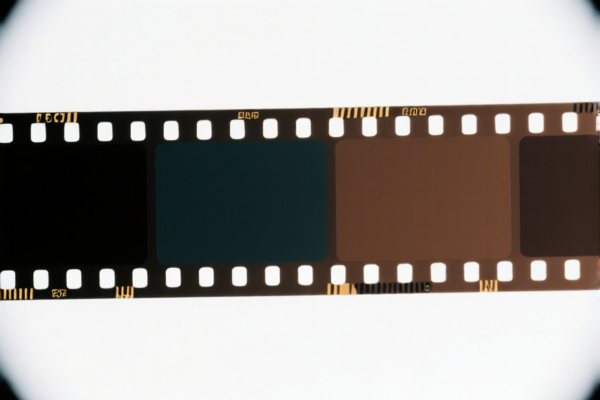
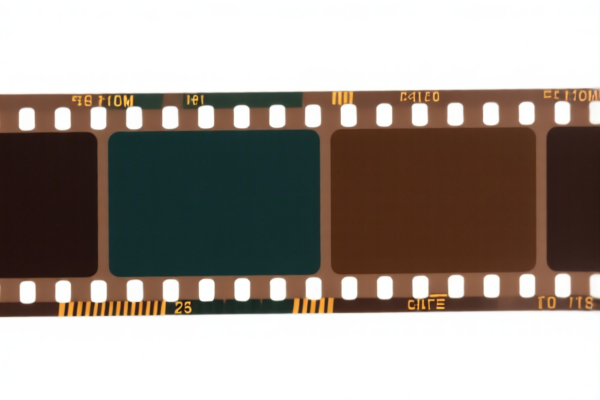
AI Analysis
🎞️ Long Exposure Color Film (Long Exposure Color Film)
🌐 HS Code Reference & Customs Clearance Guide | 2026 Latest Tariff Analysis | Professional Entry Strategy
📌 I. Product Definition and Classification: Do You Truly Understand "Long Exposure Color Film"?
Long Exposure Color Film refers to photosensitive materials specifically designed for photography in low-light conditions or for capturing time-lapse effects (e.g., star trails, light painting, flowing water). In international trade, these are strictly classified under Chapter 37 (Photographic or Cinematographic Goods), specifically as exposed or undeveloped photographic film.
The classification hinges on two critical factors: 1. Color vs. Black & White: The data confirms this is Color Film (彩色胶卷). 2. State of Development: It is undeveloped (未显影), fitting the definition of "film" rather than "printed photographic paper."
⚠️ Key Distinction:
- If the film is developed (prints), it falls under different codes (often 4911 or 3706).
- If it is undeveloped, it falls under 3702 (Unexposed Photographic Film of Plastics) or 3704 (Unexposed Photographic Plates and Film).
- "Long Exposure" is a functional characteristic (high sensitivity, specific emulsion type) but does not change the material classification. It remains a color photographic film.
📦 II. HS Code Classification Details (2026 Latest Tariff Authority Cross-Reference)
Based on the provided , the following HS Codes are relevant for "Long Exposure Color Film." Note that duplicates in the data represent slightly different sub-categorizations (e.g., reversal vs. negative), but the tax structure is identical.
| HS Code | Product Description | Applicable Scenario | Tax Rate |
|---|---|---|---|
3702.31.01.00 |
Color Photographic Film | General color film, matches "Color" and "Film" elements; fits photosensitive material characteristics. | 38.7% |
3704.00.00.00 |
Photographic Plates and Film | Film in plate/film form, consistent with exposed/undeveloped photographic material characteristics. | 35.0% |
3702.52.01.30 |
Color Reversal Film | Color film for reversal processing (slide film); wide dynamic range does not change material type. | 38.7% |
3702.52.01.60 |
Other Color Films (Non-Reversal) | Color film for color photography, categorized as non-reversal color film. | 38.7% |
🔍 Important Note on "Long Exposure":
- The term "Long Exposure" describes the usage function (high ISO/sensitivity for long shutter speeds).
- It does not qualify for a separate HS code.
- Customs will classify it based on material (plastic film), color (color), and state (undeveloped).
- 3702.52.01.30/60 are the most precise for high-sensitivity color films, while 3702.31.01.00 is a broader category for color film.
💰 III. 2026 Latest Tariff Rate Details (Including Surtaxes, Policy Add-ons)
✅ Applicable Country: United States (US)
✅ Origin: China (CN)
✅ Effective Time: From November 10, 2025 (including subsequent imports)
🎯 1. 3702.31.01.00 / 3702.52.01.30 / 3702.52.01.60 —— Color Photographic Film
| Item | Content |
|---|---|
| Base Tariff | 3.7% (ad valorem) |
| Section 301 Surtax | +25.0% (from USITC Footnote related to Section 301) |
| 122-Clause Tariff | +10.0% (Specific provision for certain Chinese imports) |
| Total Tariff | 38.7% |
| Tax Calculation | CIF Value × 38.7% |
| De Minimis Eligibility | ❌ Not Eligible (deny_de_minimis) |
| Legal Path | Base: 3.7% → Surtax: 25.0% → 122-Clause: 10.0% |
📌 Explanation:
- Base Tariff (3.7%): Standard MFN (Most Favored Nation) rate for photographic film.
- Section 301 (25%): Standard retaliatory tariff on many Chinese goods, including photographic supplies.
- 122-Clause (10%): Additional surcharge under specific trade provisions targeting Chinese exports.
- Total (38.7%): This is a high-cost import. Profit margins must be carefully calculated.
🎯 2. 3704.00.00.00 —— Photographic Plates and Film (General)
| Item | Content |
|---|---|
| Base Tariff | 0.0% |
| Section 301 Surtax | +25.0% |
| 122-Clause Tariff | +10.0% |
| Total Tariff | 35.0% |
| Tax Calculation | CIF Value × 35.0% |
| De Minimis Eligibility | ❌ Not Eligible |
| Legal Path | Base: 0.0% → Surtax: 25.0% → 122-Clause: 10.0% |
📌 Note:
- While the base tariff is 0%, the surtaxes remain the same.
- 35.0% is slightly lower than 38.7%, but 3704.00.00.00 is a broader, less specific code.
- Customs may prefer 3702 codes for rolled film. Use 3704 only if specifically instructed by a customs broker or if the product fits "plates" or general film forms not covered by 3702.
🛠️ IV. Customs Clearance Practical Advice (Pitfall Avoidance Guide)
✅ 1. Required Documentation Checklist (All are Mandatory)
| Document | Must Provide | Description |
|---|---|---|
| ✅ Product Spec Sheet | ✔️ | Must include: ISO sensitivity, film type (Color Negative/Reversal), format (35mm/120), and emulsion type. |
| ✅ HS Code Confirmation | ✔️ | Pre-classification letter or broker opinion supporting 3702.52.01.30 or 3702.31.01.00. |
| ✅ Commercial Invoice | ✔️ | Clearly state: "Long Exposure Color Photographic Film, Undeveloped, for Professional Photography." |
| ✅ Certificate of Origin (CO) | ✔️ | If non-China origin, may apply for reduced tariffs (though Section 301/122 may still apply depending on origin rules). |
| ✅ Packing List | ✔️ | Detail number of rolls, weight, and value per roll. |
| ✅ Safety Data Sheet (SDS) | ✔️ | Photographic film contains chemicals; some may require SDS for transport safety. |
✅ 2. Declaration Tips (Key Mantras)
🔥 "Undeveloped is Key, Color is Clear, Long Exposure is Function, Not Class!"
| Scenario | Correct Declaration | Incorrect Practice |
|---|---|---|
| Long Exposure Color Film | 3702.52.01.30 (Reversal) or 3702.52.01.60 (Non-Reversal) |
Declaring as "Camera Accessories" (lower tariff) → Penalty & Back Tax |
| Developed Color Prints | 4911.10 or 3706.10 |
Declaring as "Undeveloped Film" → Misclassification |
| Film + Camera Kit | Split Declaration | Declaring whole kit as "Film" → Camera taxed at higher rate |
| Bulk Rolls (Unexposed) | 3702 Series |
Declaring as "Chemicals" → HS Code Error |
✅ 3. Special Cases
| Situation | Handling Advice |
|---|---|
| OEM/White Label Film | Provide manufacturer’s declaration confirming it is standard photographic film. Avoid "custom chemical" descriptions. |
| High-ISO Long Exposure (e.g., ISO 3200+) | Ensure it is classified under Color Film (3702), not "Specialty Photographic Paper." |
| Import for Personal Use | If via courier (UPS/FedEx), de minimis ($800) does not apply due to deny_de_minimis for Chinese-origin goods under Section 301/122. Full duty applies. |
| Film with Special Emulsion | If it contains hazardous chemicals, ensure DOT/IATA compliance for air freight. |
🌍 V. Global Market Comparison (2026 Latest)
| Country/Region | Recommended HS Code | Tariff (China Origin) | Certification | Notes |
|---|---|---|---|---|
| 🇺🇸 USA | 3702.52.01.30 / 3702.31.01.00 |
38.7% | None (Standard) | High tariff due to Section 301 + 122-Clause. |
| 🇨🇳 China | 3702.52.01.30 |
3.7% | CCC (if applicable) | No surtaxes. Base rate applies. |
| 🇪🇺 EU | 3702.52.01.30 |
0% | CE (if applicable) | Many photographic goods have 0% MFN. |
| 🇬🇧 UK | 3702.52.01.30 |
0% | UKCA | Post-Brexit tariffs often favorable for media. |
| 🇯🇵 Japan | 3702.52.01.30 |
0% | PSE (if applicable) | Free trade agreement benefits may apply. |
📌 Conclusion:
- USA is the most expensive market due to aggressive surtaxes.
- EU, UK, Japan, and China have 0% to 3.7% rates, making them more competitive for importing Chinese film.
- Strategic Suggestion: If targeting the US market, consider tariff engineering (e.g., importing components and assembling in a third country, if compliant) or absorbing the cost if the product is premium.
📌 VI. Common Mistakes & Pitfall Guide (Lessons Learned)
❌ Mistake 1: Declaring "Long Exposure Film" as "Camera Accessories" (8517/9006)
👉 Consequence: Customs rejects misclassification; imposes 38.7% + penalties.
👉 Truth: Film is a photosensitive material, not an electronic accessory.
❌ Mistake 2: Using 3706 (Photographic Paper) for Film
👉 Consequence: Wrong HS code; delays in clearance.
👉 Truth: Film is on plastic/polyester base (3702/3704), paper is on paper base (3706).
❌ Mistake 3: Ignoring 122-Clause
👉 Consequence: Underpaying 10% surtax.
👉 Truth: 122-Clause applies to many Chinese imports; always verify.
❌ Mistake 4: Assuming De Minimis Applies
👉 Consequence: Surprises at border for small packages.
👉 Truth: deny_de_minimis for Chinese goods under Section 301/122 means even $1 items are taxed.
✅ Correct Approach:
"Unexposed Color Photographic Film, 35mm, High ISO for Long Exposure Photography, Emulsion Type: X, Manufacturer: [Name], Country of Origin: China"
🎯 VII. Conclusion: Professional Declaration, Save Time, Reduce Costs!
🎯 Remember the Mantra:
🔹 "Undeveloped is 3702, Color is 3702.52, Long Exposure is just a feature!"
🔹 "38.7% is the US Cost, 35% is the General Film Cost, Plan Ahead!"
🔹 "No De Minimis for China, Pay Duty on Every Roll!"
📌 Pro Tip:
If your film is originally from Japan, Germany, or South Korea, you may qualify for 0% tariffs in the US under existing FTAs or MFN rates, avoiding the Section 301/122 surtaxes.
Recommend Pre-Ruling Application for large shipments to confirm the exact sub-code (3702.52.01.30 vs 3702.52.01.60).
📣 Immediate Action:
📞 Contact a licensed US customs broker + Provide Film Specs + Apply for HS Code Pre-Ruling
🚀 Ensure your Long Exposure Color Film clears customs smoothly, taxes are accurate, and profits are protected!
✨ Professional Clearance Starts with Precise Classification!
💼 Every cent of tax matters in the photography industry!
Customer Reviews
About HS Code Classification
The Harmonized System (HS) is an internationally standardized nomenclature developed by the World Customs Organization (WCO) to classify traded products. Over 200 countries use the HS system as the basis for customs tariffs, trade statistics, and import/export regulations.
Each HS code follows a hierarchical structure:
- Chapter (2 digits) — Broad category of goods (e.g., Chapter 84: Machinery and Mechanical Appliances)
- Heading (4 digits) — More specific grouping within the chapter
- Subheading (6 digits) — Internationally standardized breakdown, used by all WCO member countries
- National subdivisions (8-10 digits) — Country-specific extensions for further classification, such as US HTSUS 10-digit codes
Correct HS code classification is essential for smooth customs clearance, accurate duty payment, and compliance with trade regulations. Misclassification can lead to customs delays, overpayment of duties, or penalties.
When importing from CN to US, the applicable tariff rates may include:
- Most-Favored-Nation (MFN) rate — The standard duty rate applied to WTO members
- General rate — Applied to countries without trade agreements
- Trade remedy duties — Additional tariffs such as Section 301 (anti-dumping), Section 232 (national security), or countervailing duties
The information provided on this page is for reference purposes only. For official classification, please consult with your local customs authority or a licensed customs broker.