Long Roll Electrical Tape
CN → US| HS Code | Tariff Rate | Origin | Destination | Doc |
|---|---|---|---|---|
| 3919905030 | 40.8% | CN | US | Official Doc |
| 3919102020 | 40.8% | CN | US | Official Doc |
| 5604909000 | 40.0% | CN | US | Official Doc |
| 3919102020 | 40.8% | CN | US | Official Doc |
| 3919905030 | 40.8% | CN | US | Official Doc |
Product Images

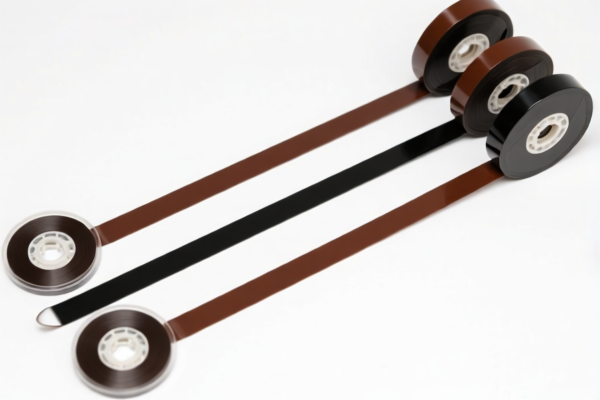
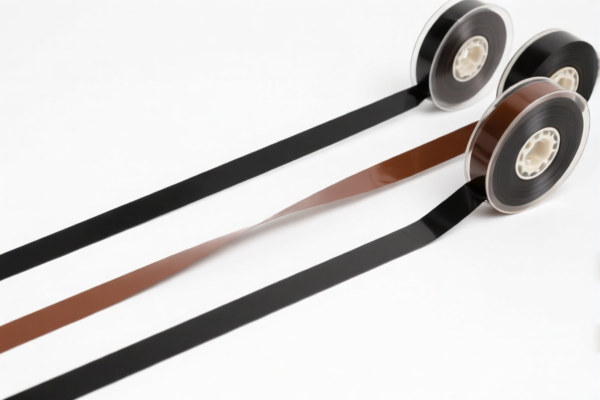
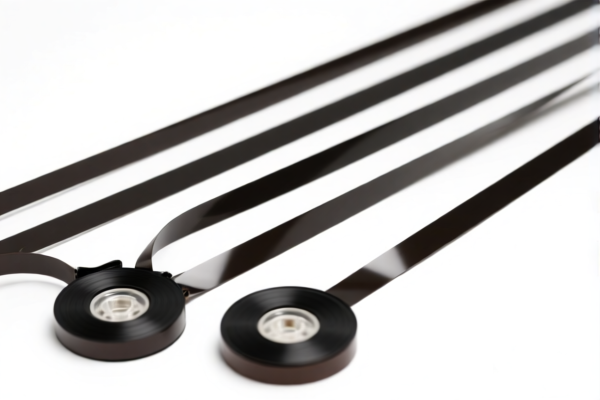
AI Analysis
🛡️ Long Roll Electrical Insulation Tape
🌐 HS Code Reference & Customs Clearance Guide | 2026 Latest Tariff Analysis | Professional Compliance Strategy
📌 I. Product Definition & Classification: Do You Really Understand "Long Roll Electrical Tape"?
Long Roll Electrical Tape, primarily used for electrical insulation, wire wrapping, and moisture protection, is a critical consumable in the construction, automotive, and electronics industries. In international trade, its classification depends strictly on its material composition and physical form.
Key Distinction:
- Plastic/PVC Based (Self-Adhesive): If the tape is made of polyvinyl chloride (PVC) or similar plastics and is self-adhesive, it falls under Chapter 39.
- Textile/Rubber Based (Impregnated): If the tape is made of textile materials impregnated or coated with rubber/plastic, it falls under Chapter 56.
⚠️ Critical Differentiator:
- If it is a plastic film tape with adhesive backing → HS 3919
- If it is a fabric/textile base coated/impregnated with rubber/plastic → HS 5604
📦 II. HS Code Classification Details (2026 Latest Tariff Authority Reference)
| HS Code | Product Description | Application Scenario | Material/Type |
|---|---|---|---|
3919.90.50.30 |
Long roll insulation tape, plastic material, adhesive | General electrical insulation, plastic wrap | ✅ Plastic (PVC/etc.), Self-adhesive |
3919.10.20.20 |
Long roll electrical tape, plastic material, self-adhesive | Specific electrical wiring, duct sealing | ✅ Plastic (PVC/etc.), Self-adhesive |
5604.90.90.00 |
Long roll insulation tape, textile material impregnated with rubber/plastic | Heavy-duty industrial insulation, cable wrapping | ✅ Textile base + Rubber/Plastic coating |
🔍 Key Reminder:
- Plastic-based tapes (most common consumer/industrial electrical tapes) are classified under 3919.10 or 3919.90 depending on specific sub-category rules (e.g., width, adhesive type).
- Textile-based tapes (often used in heavy industry or for high-temperature resistance) are classified under 5604.90 because the primary value comes from the impregnated textile structure.
- Do not confuse "electrical tape" with "gaffer tape" (paper-based, usually HS 4823) or "duct tape" (cloth-backed plastic, often HS 3919 or 5604 depending on construction).
💰 III. 2026 Latest Tariff Rate Breakdown (Including Additional Duties & Policy Surcharges)
✅ Applicable Country: United States (US)
✅ Country of Origin: China (CN)
✅ Effective Date: 2025 November 10 onwards (including subsequent imports)
🎯 1. 3919.90.50.30 & 3919.10.20.20 —— Plastic-Based Electrical Tape
| Item | Content |
|---|---|
| Basic MFN Rate | 5.8% (ad valorem) |
| Section 301 Additional Duty | +25.0% |
| Section 122 Duty | +10.0% |
| Total Effective Rate | 40.8% |
| Tax Calculation | CIF Value × 40.8% |
| De Minimis Exemption | ❌ Not Eligible (deny_de_minimis) |
| Legal Path | Section 301: Footnote 9903.88.01 → Section 122: IEEPA Authority → USITC: 3919.10.20.20 / 3919.90.50.30 |
📌 Explanation:
- The 5.8% is the standard Most Favored Nation (MFN) duty for plastic tapes.
- The 25.0% is the Section 301 tariff imposed on Chinese goods to address unfair trade practices.
- The 10.0% is the Section 122 tariff, which applies to specific categories of imports deemed detrimental to national security or economy.
- Total: 40.8%. This is a high-cost import category. Clear planning is essential to maintain margins.
🎯 2. 5604.90.90.00 —— Textile-Based Impregnated Tape
| Item | Content |
|---|---|
| Basic MFN Rate | 5.0% (ad valorem) |
| Section 301 Additional Duty | +25.0% |
| Section 122 Duty | +10.0% |
| Total Effective Rate | 40.0% |
| Tax Calculation | CIF Value × 40.0% |
| De Minimis Exemption | ❌ Not Eligible (deny_de_minimis) |
| Legal Path | Section 301: Footnote 9903.88.01 → Section 122: IEEPA Authority → USITC: 5604.90.90.00 |
📌 Note:
- Although the base rate is slightly lower (5.0% vs 5.8%), the total burden is still heavy due to the same additional tariffs.
- Ensure your product description clearly states "Textile Material Impregnated with Rubber/Plastic" to justify this classification. Misclassification as plastic tape could lead to penalties.
🛠️ IV. Customs Clearance Practical Advice (Real-World Pitfall Guide)
✅ 1. Required Documentation Checklist (Non-Negotiable)
| Document | Required | Explanation |
|---|---|---|
| ✅ Product Specification Sheet | ✔️ | Must detail material (PVC vs. Textile), width, length, adhesive type, voltage rating. |
| ✅ Material Composition Certificate | ✔️ | Critical to distinguish between Chapter 39 (Plastic) and Chapter 56 (Textile). |
| ✅ Product Photos (Label & Roll) | ✔️ | Show packaging, brand, and any UL/CSA safety markings. |
| ✅ Commercial Invoice | ✔️ | Clearly state: "Long Roll Electrical Insulation Tape, [Material Type], HS Code: [Code]". |
| ✅ Packing List | ✔️ | List weight, dimensions, and number of rolls per carton. |
| ✅ Certificate of Origin | ✔️ | Mandatory for Section 301/122 duty assessment. |
✅ 2. Declaration Tips (Key Mantra)
🔥 “Material Dictates Code, Description Must Be Precise!”
| Scenario | Correct Declaration | Incorrect Practice |
|---|---|---|
| PVC Self-Adhesive Tape | 3919.10.20.20 or 3919.90.50.30 |
Generic "Electrical Tape" → Risk of audit |
| Fabric-Based Insulation Tape | 5604.90.90.00 |
Classifying as plastic → Incorrect duty base |
| Tape for Non-Electrical Use | Check for other chapters (e.g., 4823 for paper) | Assuming all tape is Chapter 39 |
| OEM/White Label | Provide manufacturer details | Missing origin info → Delayed clearance |
✅ 3. Special Circumstances Handling
| Situation | Handling Advice |
|---|---|
| Mixed Shipment | If plastic and textile tapes are in the same container, declare separately with distinct HS Codes. |
| High-Value Industrial Tape | If used in aerospace/medical, provide end-use statements; may still face 40%+ duty but avoids misdeclaration risks. |
| Small Sample Shipments | No De Minimis! Even small quantities are subject to full 40.8% duty. Do not send via postal service expecting exemption. |
| Re-export/Transshipment | Ensure Country of Origin is clearly China; transshipment via third countries does not negate Section 301/122 if origin remains CN. |
🌍 V. Global Market Clearance Comparison (2026 Latest)
| Country/Region | Recommended HS Code | Tariff Rate (China Origin) | Certification Requirements | Notes |
|---|---|---|---|---|
| 🇺🇸 USA | 3919.10.20.20 / 5604.90.90.00 |
40.0% - 40.8% | UL, CSA, RoHS | High tariffs due to Section 301 & 122 |
| 🇨🇳 China | 3919.10.20.20 / 5604.90.90.00 |
5.0% - 5.8% | CCC (if applicable) | No additional surcharges |
| 🇪🇺 EU | 3919.10 / 5604.90 |
4.5% - 6.5% | CE, REACH | No Section 301 equivalent |
| 🇬🇧 UK | 3919.10 / 5604.90 |
4.5% - 6.5% | UKCA | Post-Brexit standards apply |
| 🇯🇵 Japan | 3919.10 / 5604.90 |
0% - 3.0% | PSE (if electrical) | Low tariffs, strong certification focus |
📌 Conclusion:
- The US is the only major market imposing punitive additional tariffs (Section 301 & 122) on Chinese electrical tape.
- Total duty burden exceeds 40%, making US-bound shipments significantly more expensive.
- Consider supply chain diversification (e.g., Vietnam, Mexico) if targeting the US market, as these countries may be exempt from Section 301 duties.
📌 VI. Common Errors & Pitfall Guide (Lessons from the Field)
❌ Error 1: Declaring "Plastic Tape" when it is "Textile-Backed"
👉 Consequence: Customs may reclassify to 5604.90.90.00 and assess different duty bases, leading to underpayment penalties if the wrong code was used.
❌ Error 2: Assuming "De Minimis" ($800) exemption applies
👉 Consequence: Full 40.8% duty is charged on every package. Small businesses often face unexpected high costs.
❌ Error 3: Vague Description: "Electrical Tape"
👉 Consequence: CBP may issue a Request for Information (RFI) or hold the shipment for inspection, causing delays.
❌ Error 4: Ignoring Section 122 Applicability
👉 Consequence: Failure to declare Section 122 applicability can lead to civil monetary penalties and potential seizure.
✅ Correct Practice:
"Long Roll Electrical Insulation Tape, PVC Material, Self-Adhesive, Width 19mm, Length 18m, Black, UL Certified, HS Code: 3919.10.20.20"
🎯 VII. Conclusion: Professional Declaration, Cost Control, Risk Mitigation
🎯 Remember the Mantra:
🔹 "Material Defines HS Code, Tariff is High in US, De Minimis is Gone!"
🔹 "40% Duty is Real, Plan Ahead or Lose Margin!"
📌 Pro Tip:
If your electrical tape is originating from Vietnam, Thailand, or Mexico, it may be exempt from Section 301 and 122 duties, reducing the total duty to just the Basic MFN Rate (5.0%-5.8%).
Recommendation: Obtain Advance Rulings from CBP if unsure about classification. Consider supply chain relocation to avoid the 40%+ US tariff burden.
📣 Immediate Action:
📞 Contact a Licensed Customs Broker + Provide Material Composition Report + Apply for HS Code Pre-Ruling
🚀 Ensure your Long Roll Electrical Tape clears customs smoothly, avoids penalties, and protects your profit margins!
✨ Professional Customs Clearance Starts with Accurate Classification!
💼 Every percent of duty saved is pure profit!
Customer Reviews
About HS Code Classification
The Harmonized System (HS) is an internationally standardized nomenclature developed by the World Customs Organization (WCO) to classify traded products. Over 200 countries use the HS system as the basis for customs tariffs, trade statistics, and import/export regulations.
Each HS code follows a hierarchical structure:
- Chapter (2 digits) — Broad category of goods (e.g., Chapter 84: Machinery and Mechanical Appliances)
- Heading (4 digits) — More specific grouping within the chapter
- Subheading (6 digits) — Internationally standardized breakdown, used by all WCO member countries
- National subdivisions (8-10 digits) — Country-specific extensions for further classification, such as US HTSUS 10-digit codes
Correct HS code classification is essential for smooth customs clearance, accurate duty payment, and compliance with trade regulations. Misclassification can lead to customs delays, overpayment of duties, or penalties.
When importing from CN to US, the applicable tariff rates may include:
- Most-Favored-Nation (MFN) rate — The standard duty rate applied to WTO members
- General rate — Applied to countries without trade agreements
- Trade remedy duties — Additional tariffs such as Section 301 (anti-dumping), Section 232 (national security), or countervailing duties
The information provided on this page is for reference purposes only. For official classification, please consult with your local customs authority or a licensed customs broker.