Long Roll Professional Film
CN → US| HS Code | Tariff Rate | Origin | Destination | Doc |
|---|---|---|---|---|
| 3920992000 | 39.2% | CN | US | Official Doc |
| 3701996060 | 35.0% | CN | US | Official Doc |
| 3921190090 | 41.5% | CN | US | Official Doc |
| 3920591000 | 41.0% | CN | US | Official Doc |
| 3921905050 | 39.8% | CN | US | Official Doc |
Product Images
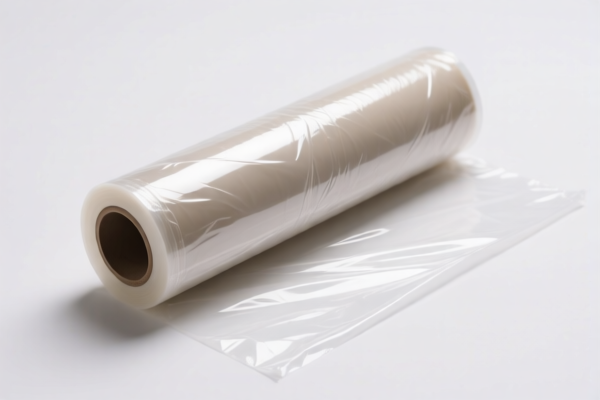
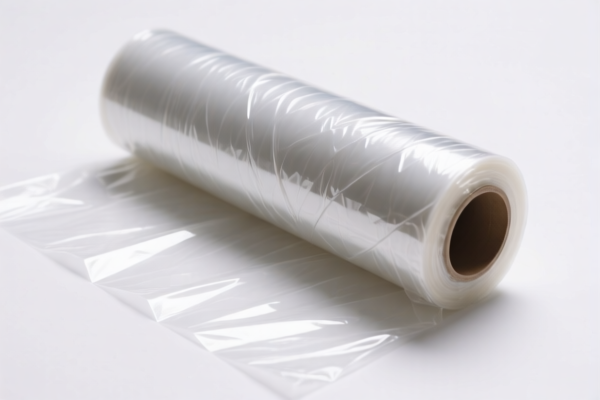
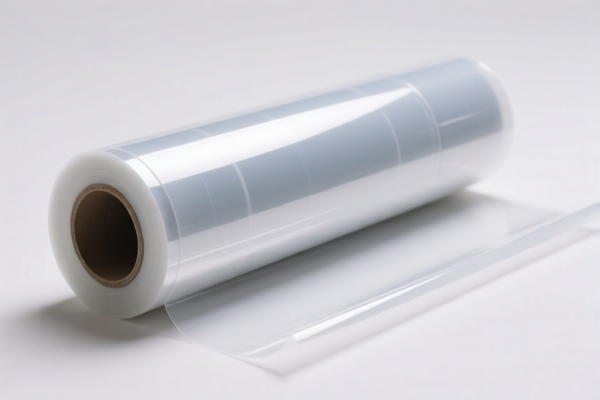

AI Analysis
🎬 Long Roll Professional Film: HS Code Classification & 2026 Tax Strategy
🌐 HS Code Reference & Clearance Guide | 2026 Latest Tariff Analysis | Professional Customs Strategy
📌 I. Product Definition: What is "Long Roll Professional Film"?
Long Roll Professional Film refers to high-sensitivity, light-sensitive recording media in a continuous reel format, primarily used in cinema, industrial inspection, medical imaging, or large-format photography.
In international trade, it falls into two main categories:
- Photographic Film (Light-Sensitive): The active imaging layer coated on a plastic base, used to capture images (chemical or digital scanning).
- Plastic Film/Sheets (Non-Sensitive): A plastic substrate used for packaging, printing, or industrial masking (often confused with photographic film but lacks photosensitivity).
⚠️ Critical Distinction for Classification:
If the roll contains photosensitive emulsion (even if expired) → It belongs to Heading 3701.
If it is unexposed, plain plastic (no light-sensitive coating) or a re-specified plastic membrane → It belongs to Heading 3920 / 3921.
Material Inference: The core material is plastic* (cellulose acetate, polyester, or polyethylene), NOT paper.
📦 II. HS Code Classification Breakdown (2026 Tariff Authority)
Based on the product "Long Roll Professional Film," here are the 5 most probable HS Codes with their matching logic and tax implications:
| HS Code | Product Description | Matching Logic Summary | Total Tax Rate |
|---|---|---|---|
| 3701.99.60.60 | Other Photographic Film (Non-Sensitive) | High Match: "Photosensitive material," film shape, plastic base (not paper). Matches "Films" perfectly. | 35.0% |
| 3920.99.20.00 | Other Plastic Sheets/Films | Good Match: "Film shape," material inferred as plastic, fits "Other Plastic Sheets" category. | 39.2% |
| 3920.59.10.00 | Plastic Sheets of Cellulose Derivatives | Moderate Match: "Roll shape," polymer material, no obvious material conflict. | 41.0% |
| 3921.90.50.50 | Other Plastic Plates/Sheets/Film | Moderate Match: "Film shape," plastic material, fits "Plastic Sheets/Film" catch-all. | 39.8% |
| 3921.19.00.90 | Other Plastic Sheets (Polypropylene) | Low-Moderate Match: "Film shape," plastic material, fits "Other Plastic Sheets" catch-all. | 41.5% |
🔍 Key Observation:
The difference between 35.0% (3701) and 39.2%~41.5% (3920/3921) depends entirely on whether the product is officially declared as "Photosensitive" (3701) or "Plastic Film" (3920/3921).
If the film is actually light-sensitive, 3701.99.60.60 is the most accurate classification.
💰 III. 2026 Tariff Rate Detailed Breakdown (US Market)
✅ Applicable Country: United States (US)
✅ Country of Origin: China (CN)
✅ Effective Date: Nov 10, 2025 (Including subsequent imports)
🎯 1. 3701.99.60.60 (The "Photographic Film" Route)
The most specific classification for light-sensitive film.
| Item | Content |
|---|---|
| Base Duty Rate | 0.0% (ad valorem) |
| Section 301 Added Duty | +25.0% (USITC Footnote 9903.88.01) |
| 122 Clause (IEEPA) | +10.0% (China/HK specific, effective Nov 10, 2025) |
| Total Tax Rate | 35.0% |
| De Minimis Exemption | ❌ NO (deny_de_minimis) |
| Legal Pathway | IEEPA:9903.01.24 → Section 301: 3701.99.60.60 → FOOTNOTE:9903.88.01 |
📌 Explanation:
- 0% Base: Standard duty for most photographic films is low.
- +25% Section 301: Heavy tariff on Chinese goods under "Section 301."
- +10% 122 Clause: Additional penalty for specific Chinese imports.
- Result: 35% total. Very High tax burden for professional users.
🎯 2. 3920.99.20.00 (The "Plastic Film" Route)
Used if the product is declared as a non-sensitive plastic film or if the photosensitivity is not declared.
| Item | Content |
|---|---|
| Base Duty Rate | 4.2% |
| Section 301 Added Duty | +25.0% |
| 122 Clause (IEEPA) | +10.0% |
| Total Tax Rate | 39.2% |
| De Minimis Exemption | ❌ NO |
| Legal Pathway | IEEPA:9903.01.24 → Section 301: 3920.99.20.00 |
📌 Risk Warning:
- If you declare a light-sensitive film as "Plastic Film" to save cost, Customs may audit.
- If caught misclassifying 3701 (0% base) as 3920 (4.2% base), you face penalties for undervaluation.
- However, if the film is unexposed/blank plastic, this code is safer but slightly more expensive (39.2% vs 35.0%).
🎯 3. 3921.19.00.90 (The "Other Plastic" Route)
Catch-all for plastic sheets not specified elsewhere.
| Item | Content |
|---|---|
| Base Duty Rate | 6.5% |
| Section 301 Added Duty | +25.0% |
| 122 Clause (IEEPA) | +10.0% |
| Total Tax Rate | 41.5% |
| De Minimis Exemption | ❌ NO |
📌 Note:
- This has the highest base rate (6.5%) among the plastic options.
- Only use if the product is a specific polypropylene sheet not covered by 3920.
🛠️ IV. Customs Clearance Practical Advice (Real-World Pitfall Guide)
✅ 1. Essential Documentation Checklist (Non-negotiable)
| Document | Requirement | Why It Matters |
|---|---|---|
| ✅ Product Specs | ✔️ Required | Must explicitly state: "Photosensitive" vs. "Plastic Substrate." |
| ✅ Technical Data Sheet | ✔️ Required | Proves the coating composition (Emulsion vs. Plain Polymer). |
| ✅ Material Safety Data Sheet (MSDS) | ✔️ Required | Critical for 3701 (chemical emulsion) vs. 3920 (pure plastic). |
| ✅ Commercial Invoice | ✔️ Required | Must match the HS Code description exactly ("Photographic Film" vs. "Plastic Roll"). |
| ✅ Certificate of Origin (CO) | ✔️ Required | Confirms "Made in China" to trigger Section 301/122 duties. |
| ✅ Packing List | ✔️ Required | Must show dimensions (Long Roll length) to confirm format. |
✅ 2. Declaration Strategy (The "Golden Rule")
🔥 "Declare Sensitivity, Not Just Shape!"
| Scenario | Correct Declaration | Wrong Declaration | Consequence |
|---|---|---|---|
| Actual Light-Sensitive Film | 3701.99.60.60 (35%) | 3920.99.20.00 (39.2%) | Risk: Customs may reject or audit. Benefit: Slightly lower tax (35%). |
| Unexposed Plastic Film | 3920.99.20.00 (39.2%) | 3701.99.60.60 (35%) | Risk: Overpayment of tax (39.2% vs 35%). Benefit: Safer classification. |
| Mixed Pack (Film + Plastic) | Split Declaration | Single HS Code | Risk: 100% penalty if mixed. |
| Large Format Roll | Specify Length | "Roll" only | Risk: Rejection due to missing dimension data. |
✅ 3. Special Scenarios & Mitigation
| Situation | Handling Suggestion |
|---|---|
| "Professional" vs. "Consumer" | No Tax Difference. Both fall under 3701 or 3920. |
| Expired Film | Still 3701 if emulsion is present. Do not declare as "plastic waste." |
| Digital Backs + Film | If film is for a digital scanner, still 3701 (imaging media). |
| Plastic Masking Film | Use 3920/3921. Ensure no chemical residue (emulsion) is present. |
| Re-Export | If re-exporting from a 3rd country (e.g., Singapore), check Free Trade Agreements. |
🌍 V. Global Market Comparison (2026 Tariff Snapshot)
| Region | Recommended HS Code | Tax Rate (China Origin) | Key Requirement |
|---|---|---|---|
| 🇺🇸 USA | 3701.99.60.60 | 35.0% | Section 301 + 122 Clause (High) |
| 🇨🇳 China | 3701.99.60.60 | ~6-10% | CCC Certification |
| 🇪🇺 EU | 3701.99.60.60 | ~6% | REACH + CE (No Section 301) |
| 🇯🇵 Japan | 3701.99.60.60 | 0% | JIS Standard |
📌 Conclusion:
- USA is the most expensive market for Long Roll Professional Film due to the 35% total tax (0% base + 25% + 10%).
- EU/Japan offer significantly lower tariffs (0-10%) if sourced correctly.
- Strategy: If possible, consider transshipment through Vietnam/Mexico (subject to strict rules) or re-classification as "Plastic Film" (3920) only if the product is truly non-sensitive.
📌 VI. Common Mistakes & "Blood and Tears" Lessons
❌ Mistake 1: Declaring "Photosensitive Film" as "Plastic Film" to avoid Section 301.
👉 Result: Customs audit → Penalties + Back-taxes + 200% penalty!
(Because 3701 is 0% base, but 3920 is 4.2% base. You might think it saves money, but it's illegal misclassification.)
❌ Mistake 2: Not specifying "Professional" vs. "Consumer" on the invoice.
👉 Result: Customs may treat it as "Consumer Goods" and apply different anti-dumping duties.
❌ Mistake 3: Ignoring the "122 Clause" (IEEPA) for Chinese origin.
👉 Result: Unexpected +10% tax at the border if not pre-calculated.
✅ Correct Action:
"Long Roll Professional Photographic Film, 35mm/120/4x5, Plastic Base (Cellulose Acetate), Emulsion Type: Color Negative, Country of Origin: China, HS Code: 3701.99.60.60."
🎯 VII. Conclusion: Precision is Profit!
🎯 Remember the Motto:
🔹 "Film is 3701 (35%), Plastic is 3920 (39.2%)"
🔹 "Section 301 + 122 = 35% Total Tax for China."
🔹 "Declare Sensitivity, Avoid Audits!"
📌 Pro Tip:
If your film is non-photosensitive (e.g., blank plastic roll for packaging), 3920.99.20.00 (39.2%) is the correct code, but you must prove no emulsion exists via MSDS.
If it is true photographic film, 3701.99.60.60 (35%) is the only legal path.
📣 Immediate Action Required:
📞 Contact your Customs Broker immediately.
📄 Prepare MSDS and Technical Specs for "Photosensitive" vs. "Plastic" distinction.
🚀 Optimize your supply chain to minimize the 35% burden!
✨ Professional Clearance, Starts with Accurate Classification!
💼 Every Dollar Saved is a Dollar Earned!
Customer Reviews
About HS Code Classification
The Harmonized System (HS) is an internationally standardized nomenclature developed by the World Customs Organization (WCO) to classify traded products. Over 200 countries use the HS system as the basis for customs tariffs, trade statistics, and import/export regulations.
Each HS code follows a hierarchical structure:
- Chapter (2 digits) — Broad category of goods (e.g., Chapter 84: Machinery and Mechanical Appliances)
- Heading (4 digits) — More specific grouping within the chapter
- Subheading (6 digits) — Internationally standardized breakdown, used by all WCO member countries
- National subdivisions (8-10 digits) — Country-specific extensions for further classification, such as US HTSUS 10-digit codes
Correct HS code classification is essential for smooth customs clearance, accurate duty payment, and compliance with trade regulations. Misclassification can lead to customs delays, overpayment of duties, or penalties.
When importing from CN to US, the applicable tariff rates may include:
- Most-Favored-Nation (MFN) rate — The standard duty rate applied to WTO members
- General rate — Applied to countries without trade agreements
- Trade remedy duties — Additional tariffs such as Section 301 (anti-dumping), Section 232 (national security), or countervailing duties
The information provided on this page is for reference purposes only. For official classification, please consult with your local customs authority or a licensed customs broker.